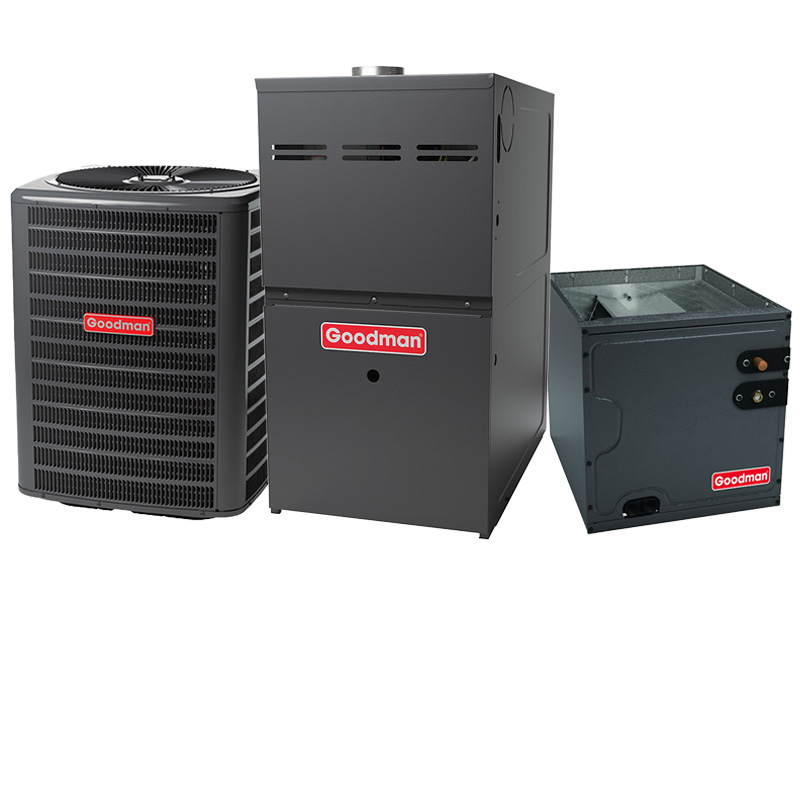
Goodman R32 3.5 Ton 13.8 SEER2 80000 BTU 80% Multi-Speed ECM Gas Furnace and Air Conditioner System – Upflow
View on AC Direct see your lowest price →Check current price on AC Direct →
Key features
- 3.5-ton cooling capacity, 13.8 SEER2 efficiency rating
- 80,000 BTU output, 80% AFUE single-stage gas furnace
- R-32 refrigerant with lower global warming potential than R-410A
- Multi-speed ECM blower motor for improved comfort and humidity control
- Upflow configuration for basement or ground-level mechanical room installs
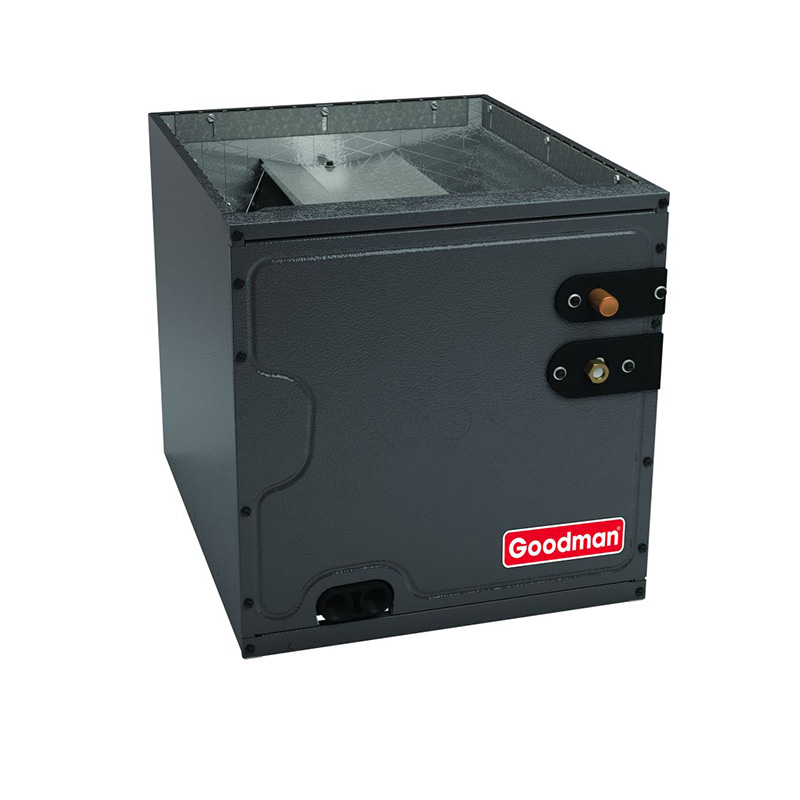
- Factory-matched system designed for straightforward coil and furnace pairing
About this system
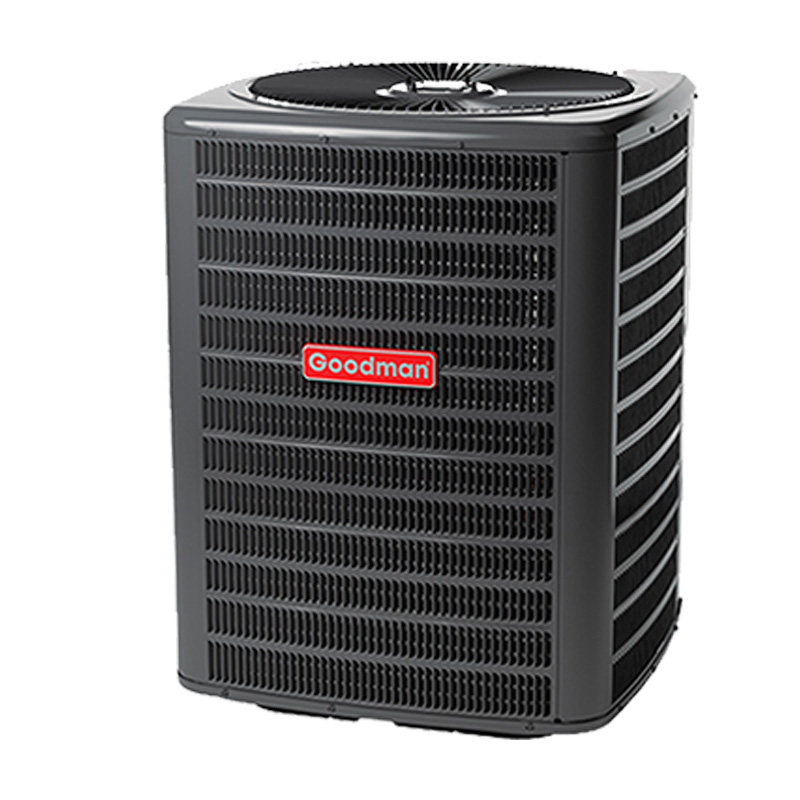
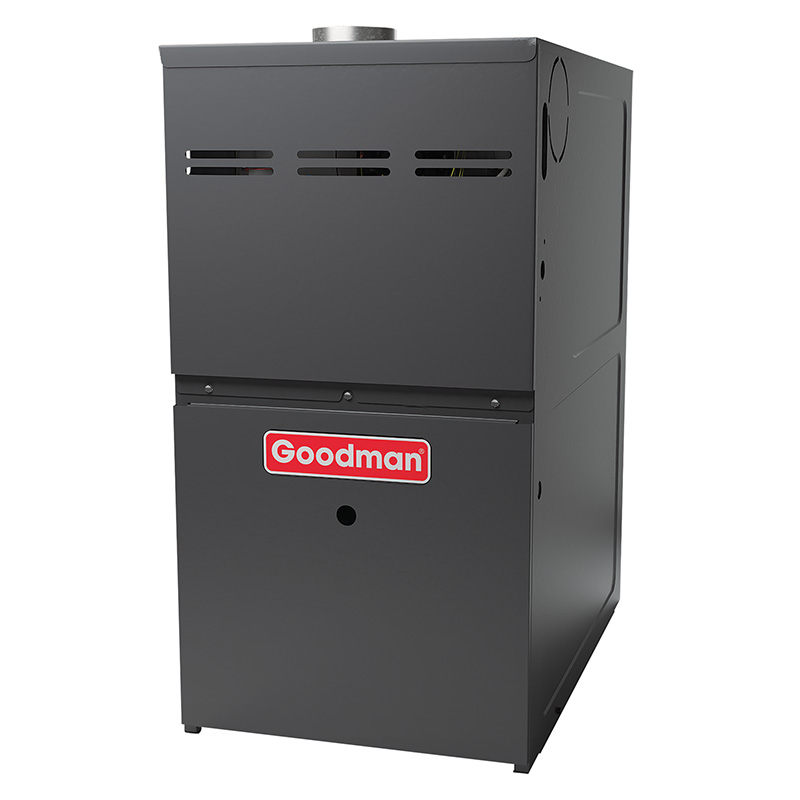
This Goodman package pairs a 3.5-ton R-32 air conditioner rated at 13.8 SEER2 with an 80,000 BTU, 80% AFUE multi-speed ECM gas furnace in an upflow configuration. It is sized for homes roughly in the 1,800 to 2,400 square foot range, depending on local climate, insulation quality, and duct layout. The switch to R-32 refrigerant is a genuine forward-looking feature: R-32 has a lower global warming potential than R-410A, and as the industry phases down older refrigerants, parts and recharge service for R-32 systems should remain widely available for the foreseeable future.
The 13.8 SEER2 rating sits at the entry-level efficiency tier, meeting current federal minimums for most U.S. regions without reaching mid- or high-efficiency territory. You will see real savings compared to an aging R-22 or early R-410A system, but homeowners in hot climates who run their AC heavily from May through September may find that a 16 or 18 SEER2 unit pays back the cost difference within several years. The ECM blower motor on the furnace side is a genuine comfort upgrade over PSC motors, running at lower speeds during mild conditions to improve humidity control and air distribution while consuming less electricity. The upflow configuration suits basements and ground-level mechanical closets where supply air rises into the living space above.
This Goodman system delivers a functional, code-compliant heating and cooling solution at a price point that is hard to argue with for budget-conscious buyers. The R-32 refrigerant and ECM motor are genuine quality touches, but the 13.8 SEER2 rating is baseline, and Goodman's documented long-term reliability sits below premium competitors, so the true cost of ownership depends heavily on how well it is installed and maintained. It is an honest value buy, not a premium one.
Overall score is the average of the five ratings above.
What we like
- Priced 15 to 25 percent below comparable Trane, Lennox, and Carrier equipment
- R-32 refrigerant is future-friendly and currently widely serviceable
- ECM blower motor improves humidity control and reduces blower electricity use versus PSC motors
- Factory-matched system simplifies the coil and furnace selection process for installers
- Widely available parts and a large national service network given Goodman's market share
Trade-offs
- 13.8 SEER2 is the minimum efficiency tier, leaving meaningful energy savings on the table versus 16+ SEER2 options
- 80% AFUE furnace wastes roughly 20% of fuel, noticeably less efficient than 90%+ condensing furnaces
- Compressor lifespan averages 10 to 14 years versus 15 to 20 for premium brands, and dual-run capacitor failures are the most commonly reported repair after year 7
- A minority of owners report refrigerant leaks in the first year, typically tied to install or initial charge quality rather than the equipment itself
What homeowners and pros say about Goodman
Homeowners who leave feedback on Goodman equipment tend to split along a clear line: those who had a careful installation report years of trouble-free operation and point to the lower purchase price as a win, while those who ran into problems often describe repair costs climbing after the seven-year mark. On ConsumerAffairs, Goodman scores around 2.5 out of 5, a figure that reflects the platform’s complaint-heavy audience but also a real pattern of frustration with out-of-pocket costs once factory warranties expire. Google dealer reviews tell a more balanced story, with scores around 3.8 out of 5 across dealer locations, where affordability is the most consistent praise from satisfied buyers.
HVAC technicians have well-documented opinions on Goodman. The dual-run capacitor is the part they replace most often on these systems, typically in the 300 to 600 dollar range and usually surfacing after year seven or so. Evaporator coil leaks come up in a meaningful share of owner reports and are a more involved repair. On the compressor side, pros note that Goodman compressors tend to average 10 to 14 years in the field, compared to 15 to 20 years for premium-brand equipment, which matters when sizing up the true lifetime cost. The R-32 refrigerant in this specific system is a newer element, and technicians familiar with commercial equipment generally regard it as straightforward to work with once they have the proper certification. The consistent message from pros is that a Goodman installed carefully, charged correctly, and maintained regularly will serve most households reliably through its expected lifespan, but it leaves less margin for shortcuts than a premium-tier system would.
Sources: ConsumerAffairs Goodman owner reviews, AHRI Directory of Certified Product Performance, U.S. DOE appliance and equipment efficiency standards, Goodman product specification sheets.
What it costs to run
At 13.8 SEER2, cooling this 3.5-ton system for a typical 1200-hour cooling season at the U.S. average electricity rate of $0.17/kWh works out to roughly $621 per year in cooling, about $18 less per year than a minimum-efficiency 13.4 SEER2 unit of the same size. Your real cost depends on your climate and local rate.
Method: (42,000 BTU/hr ÷ 13.8 SEER2) × 1200 hours ÷ 1000 × $0.17/kWh. Rate source: U.S. EIA average; cooling hours: moderate-climate estimate.
How it compares
| Brand | Comparable model | SEER2 | Stage | Price position |
|---|---|---|---|---|
| Goodman | R-32 13.8 SEER2 3.5 Ton / 80K BTU 80% ECM Upflow System | 13.8 | Single-stage | Value pick |
| Carrier | Comfort Series (24ACC636 / 58CVA080) | 14.0 | Single-stage | Typically 15 to 25 percent more than Goodman |
| Trane | XR14 / S8X1 80% Furnace | 14.0 | Single-stage | Typically 15 to 25 percent more than Goodman |
| Lennox | Merit Series (13ACX / ML180 Furnace) | 13.8 | Single-stage | Typically 15 to 25 percent more than Goodman |
Competitor rows are comparable single-stage units at similar efficiency; price is relative position, not a quote.
Questions about this system
Is 13.8 SEER2 efficient enough to see a real difference on my electric bill versus my old system?
If you are replacing a system from the early 2000s or older, yes, you will likely see a noticeable drop in cooling costs. If you are comparing it to a mid-efficiency 16 SEER2 unit, the difference is meaningful over a full cooling season, and in warm climates that gap compounds quickly over the system's lifetime.
Why does this system use R-32 instead of R-410A, and does that affect service costs?
R-32 has a significantly lower global warming potential than R-410A and is part of the industry's broader refrigerant transition. It is already widely used in commercial and residential equipment globally, so certified technicians and refrigerant supply are generally available. Service costs for R-32 are currently comparable to R-410A, though any technician working on it must be properly certified for the refrigerant.
What is the most common repair I should budget for after the warranty period?
Dual-run capacitors are the most frequently reported failure on Goodman equipment, typically showing up after roughly year 7. The repair is usually straightforward and runs in the 300 to 600 dollar range. Evaporator coil leaks have also been reported in owner reviews and are a more significant repair, so keeping up with filter changes and coil cleaning can help catch issues early.
The furnace is listed as 80% AFUE. Should I be considering a 90%+ condensing furnace instead?
In colder climates where the furnace runs heavily from October through April, a 90%+ AFUE condensing furnace can pay back the cost premium within several years through lower gas bills. In mild climates with short heating seasons, the payback period stretches considerably. The 80% unit also requires a simpler venting setup, which can reduce installation cost and complexity.
How much does install quality actually matter on a Goodman system?
More than with premium brands, based on what HVAC technicians consistently report. Goodman's performance and longevity lean heavily on correct refrigerant charge, proper airflow setup, and tight duct connections. A rushed or poorly sized installation is cited as the main reason some owners experience early failures, including first-year refrigerant leaks that are typically a charge or fitting issue rather than a defect in the equipment itself.
Specifications
| Cooling capacity | 3.5 Ton |
| Efficiency | 13.8 SEER2 |
| Furnace output | 80000 BTU |
| Configuration | Upflow |
| Refrigerant | R-32 |