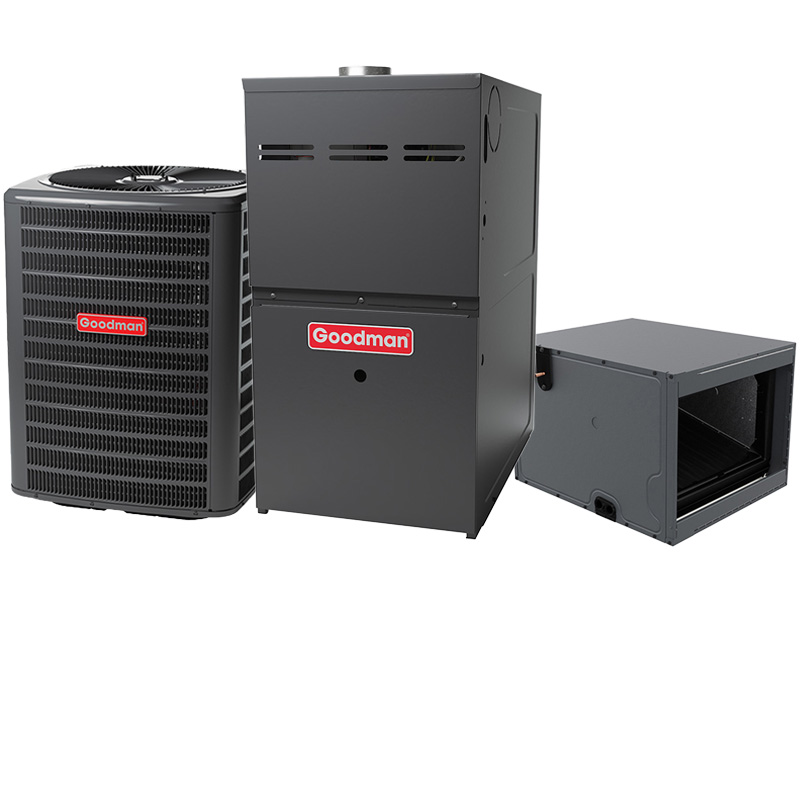
Goodman R32 3 Ton 13.8 SEER2 60000 BTU 80% Multi-Speed ECM Gas Furnace and Air Conditioner System – Horizontal
View on AC Direct see your lowest price →Check current price on AC Direct →
Key features
- 3-ton capacity with 13.8 SEER2 cooling efficiency, meeting current federal minimums
- R-32 refrigerant with lower global warming potential than R-410A
- Horizontal configuration designed for attic or crawl-space installations
- Multi-speed ECM blower motor for improved humidity control and quieter operation
- 60,000 BTU gas furnace at 80% AFUE combustion efficiency
- Goodman value-tier pricing, typically 15 to 25 percent below Trane, Carrier, and Lennox
About this system
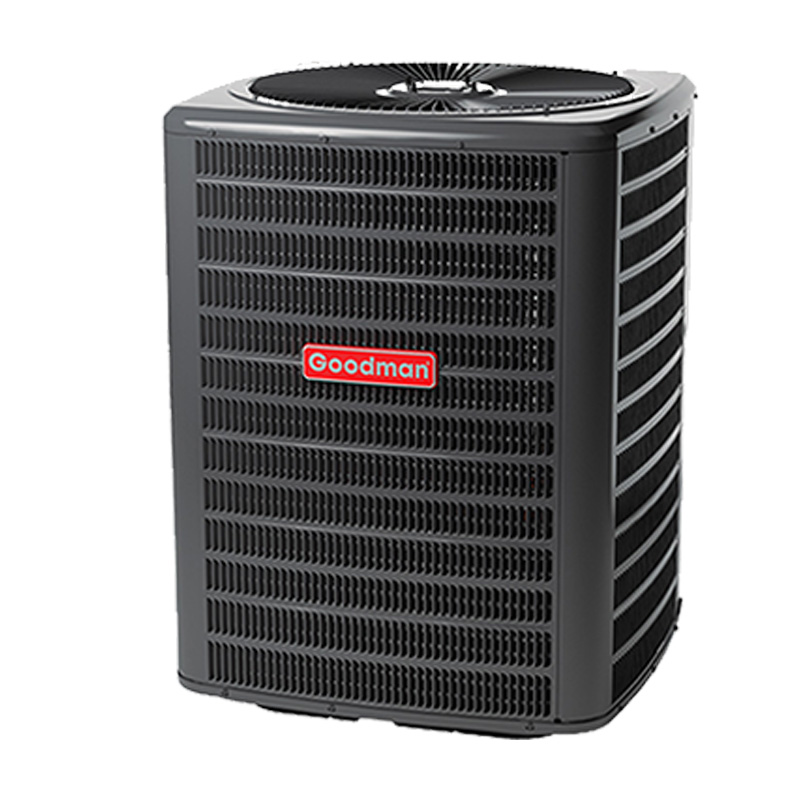
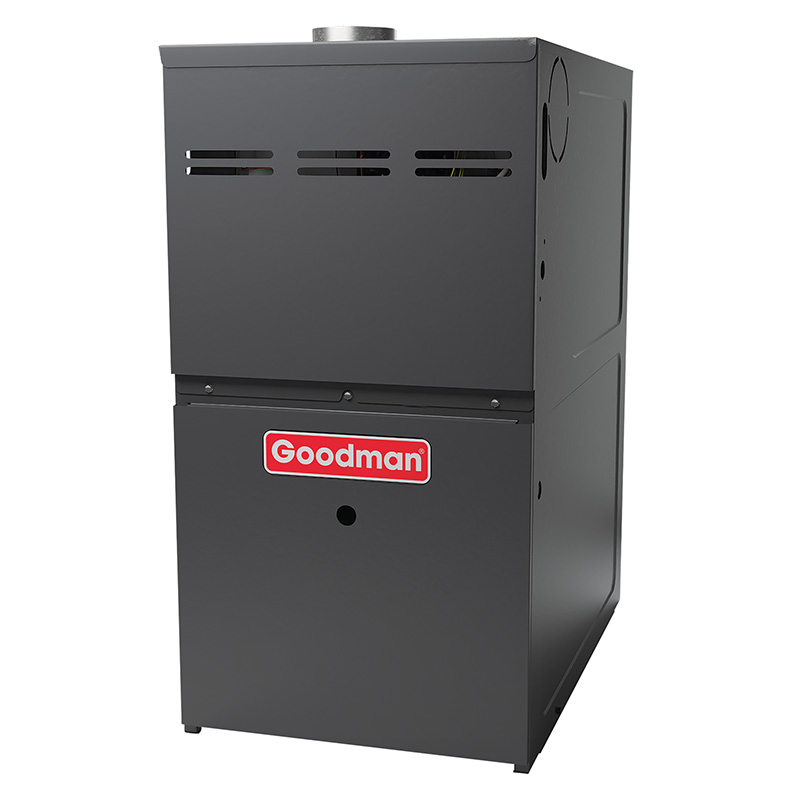
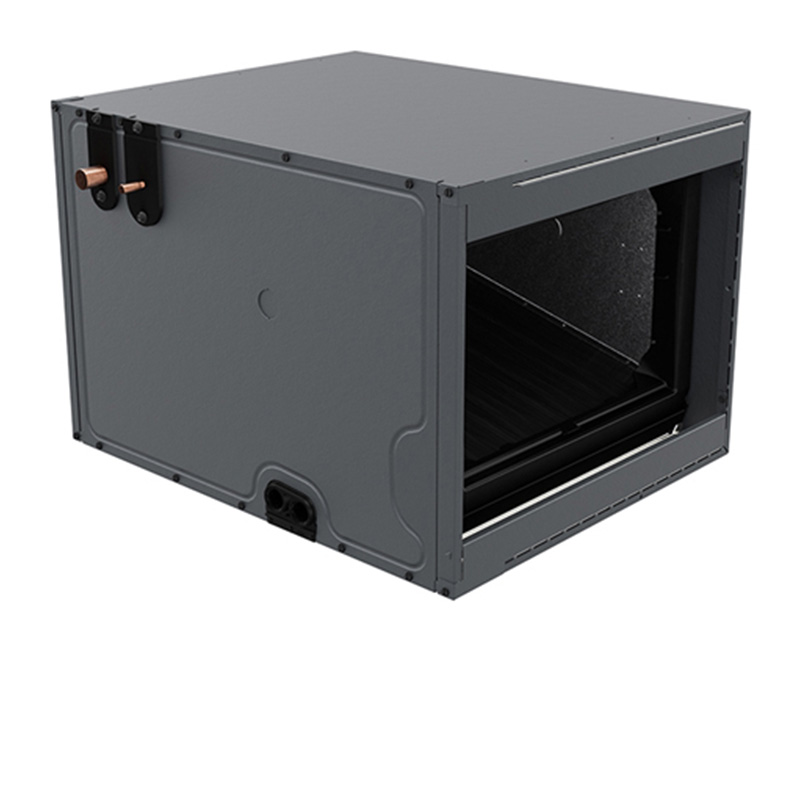
This Goodman horizontal-configuration system pairs a 3-ton R-32 air conditioner rated at 13.8 SEER2 with a 60,000 BTU multi-speed ECM gas furnace in an 80% AFUE tier. The horizontal layout is specifically designed for attic or crawl-space installations where vertical clearance is limited, making it a practical choice for ranch-style homes, manufactured housing, or any application where the air handler must lie on its side. R-32 refrigerant is a step forward from the older R-410A standard, carrying a lower global warming potential and slightly better thermodynamic properties, though it does require technicians to be familiar with its mildly flammable classification during service.
A 13.8 SEER2 rating sits right at the current federal minimum for most U.S. climate regions, which means this system is code-compliant but not particularly generous on utility bills over a long ownership horizon. The multi-speed ECM blower motor does improve on the old single-speed standard by adjusting airflow to match demand, which helps with humidity control and reduces short-cycling. At 80% AFUE on the furnace side, 20 cents of every heating dollar exits through the flue, so homeowners in cold climates who run gas heat heavily may want to weigh a 96% AFUE option before committing. This package suits mild-to-moderate climates, budget-conscious buyers replacing aging equipment on a set timeline, and landlords or builders prioritizing upfront cost over long-term operating efficiency.
This Goodman horizontal system delivers a code-compliant, budget-accessible solution for homeowners with space-constrained installations who need to replace aging equipment without a premium outlay. The 13.8 SEER2 and 80% AFUE specs keep upfront costs low but leave meaningful efficiency gains on the table compared to higher-tier options. Long-term costs depend heavily on install quality and how well the homeowner stays ahead of known wear items like capacitors and the evaporator coil.
Overall score is the average of the five ratings above.
What we like
- Horizontal configuration is well suited to attic and crawl-space installs where alternatives are few
- Entry-level price point is 15 to 25 percent below comparable Carrier, Trane, and Lennox systems
- Multi-speed ECM motor improves comfort and humidity management over single-speed alternatives
- R-32 refrigerant is lower-impact than R-410A and increasingly supported by service technicians
- Widely available parts network and large installer base make service calls straightforward
Trade-offs
- 13.8 SEER2 is the federal floor, not an efficiency leader, and will cost more to run than 16+ SEER2 alternatives over a 10-plus year lifespan
- 80% AFUE furnace wastes one-fifth of combustion energy, a real cost in colder climates
- Documented failure modes include dual-run capacitor failures, evaporator coil leaks, and compressors that average 10 to 14 years versus 15 to 20 for premium brands
- A minority of owners report refrigerant leaks within the first year, often tied to install or charge quality rather than the equipment itself
What homeowners and pros say about Goodman
On consumer-facing channels, Goodman’s reputation is mixed in ways that are worth understanding in context. The brand carries roughly a 2.5 out of 5 on ConsumerAffairs, a platform that attracts complaints far more than compliments, and the recurring theme there is repair costs that start climbing after around year seven. On Google dealer reviews, where the sample includes a wider range of experiences, Goodman averages around 3.8 out of 5 across hundreds of reviews per location, with affordability cited most often as the reason buyers chose it and the reason many say they would again. Neither number tells the whole story, but together they paint a picture of a brand that delivers acceptable results at a lower price when things go well, and frustrates owners who hit a run of repairs.
HVAC technicians who work on Goodman equipment regularly point to two recurring service calls: dual-run capacitor replacements, which are typically a straightforward 300 to 600 dollar fix, and evaporator coil leaks, which are more disruptive and costlier to address. Compressor longevity sits in the 10 to 14 year range on average, noticeably shorter than the 15 to 20 years technicians report for premium-tier brands. A smaller share of owners also report refrigerant leaks within the first year, which experienced installers attribute to charge or fitting issues at startup rather than manufacturing defects. The horizontal configuration adds one more variable: attic and crawl-space installs introduce additional risk around drainage and leveling, and the technician performing the install matters as much as the equipment itself when it comes to how long this system performs reliably.
Sources: ConsumerAffairs Goodman owner reviews, AHRI Directory of Certified Product Performance, U.S. DOE appliance and equipment efficiency standards, Goodman product specification sheets.
What it costs to run
At 13.8 SEER2, cooling this 3-ton system for a typical 1200-hour cooling season at the U.S. average electricity rate of $0.17/kWh works out to roughly $532 per year in cooling, about $16 less per year than a minimum-efficiency 13.4 SEER2 unit of the same size. Your real cost depends on your climate and local rate.
Method: (36,000 BTU/hr ÷ 13.8 SEER2) × 1200 hours ÷ 1000 × $0.17/kWh. Rate source: U.S. EIA average; cooling hours: moderate-climate estimate.
How it compares
| Brand | Comparable model | SEER2 | Stage | Price position |
|---|---|---|---|---|
| Goodman | R-32 3-Ton 13.8 SEER2 Horizontal System | 13.8 | Multi-speed | Value pick |
| Carrier | Comfort 24ACC636 with 80% furnace | 14.0 | Single-stage | Typically 15 to 20 percent above this Goodman |
| Trane | XR14c with S8X1 80% furnace | 14.0 | Single-stage | Typically 20 to 25 percent above this Goodman |
| Lennox | Merit ML14XC1 with 80% furnace | 14.3 | Single-stage | Typically 20 to 30 percent above this Goodman |
Competitor rows are comparable single-stage units at similar efficiency; price is relative position, not a quote.
Questions about this system
Why does the horizontal configuration cost more or limit my installer options?
Horizontal units require the cabinet to be mounted on its side with specific pitch and drain orientation, and not every technician is equally comfortable with attic or crawl-space rigging. Mistakes in leveling or condensate drainage are a leading cause of early coil and pan problems, so selecting an installer with documented horizontal experience matters more than usual here.
Is R-32 refrigerant safe, and will local technicians be able to service it?
R-32 is classified as mildly flammable (A2L), which means service requires specific recovery equipment and technician certification under updated EPA rules. It is increasingly common in new residential systems, and most established HVAC companies in metropolitan and suburban areas are already equipped for it, but it is worth confirming with your service contractor before purchase.
The furnace is rated 80% AFUE. Should I be looking at a 96% model instead?
If your home is in a heating-dominant climate (think the Midwest or Northeast) and you run the furnace four or more months per year, the fuel savings from a 96% AFUE unit can recover the price difference within five to eight years. In mild climates where heating is secondary, the 80% unit is often the more practical call financially.
What maintenance should I budget for to avoid the failure modes Goodman is known for?
Plan for an annual tune-up that includes capacitor testing, refrigerant pressure verification, and coil inspection. Dual-run capacitor replacement typically runs 300 to 600 dollars and is the most common repair on Goodman equipment; catching a weak capacitor before it fails protects the compressor. Coil leaks are harder to predict but show up in a meaningful share of owner reviews, so keeping refrigerant levels verified each season helps catch problems early.
How does the 13.8 SEER2 rating affect my electricity bill compared to a higher-efficiency unit?
Rough estimates suggest a 16 SEER2 system uses approximately 14 percent less electricity for the same cooling output. On a system running 1,500 cooling hours per year in a 3-ton application, that gap can amount to a noticeable annual savings depending on your utility rate. If you are in a hot climate with long cooling seasons, the payback period on a higher-efficiency condenser deserves a closer look before committing to the 13.8 SEER2 tier.
Specifications
| Cooling capacity | 3 Ton |
| Efficiency | 13.8 SEER2 |
| Furnace output | 60000 BTU |
| Configuration | Horizontal |
| Refrigerant | R-32 |