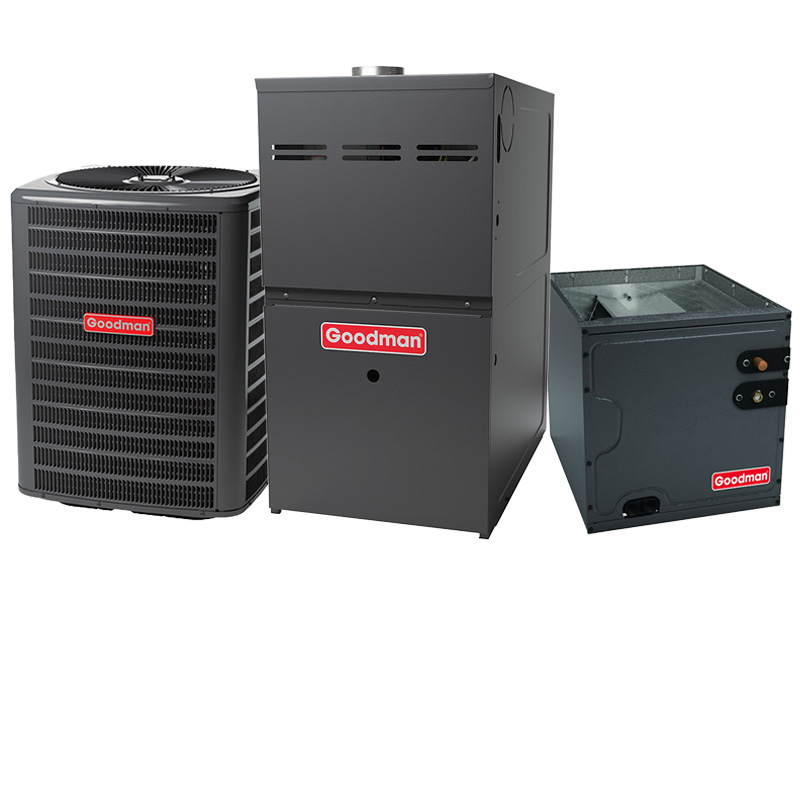
Goodman R32 3 Ton 14.5 SEER2 80000 BTU 80% Multi-Speed ECM Gas Furnace and Air Conditioner System – Upflow
View on AC Direct see your lowest price →Check current price on AC Direct →
Key features
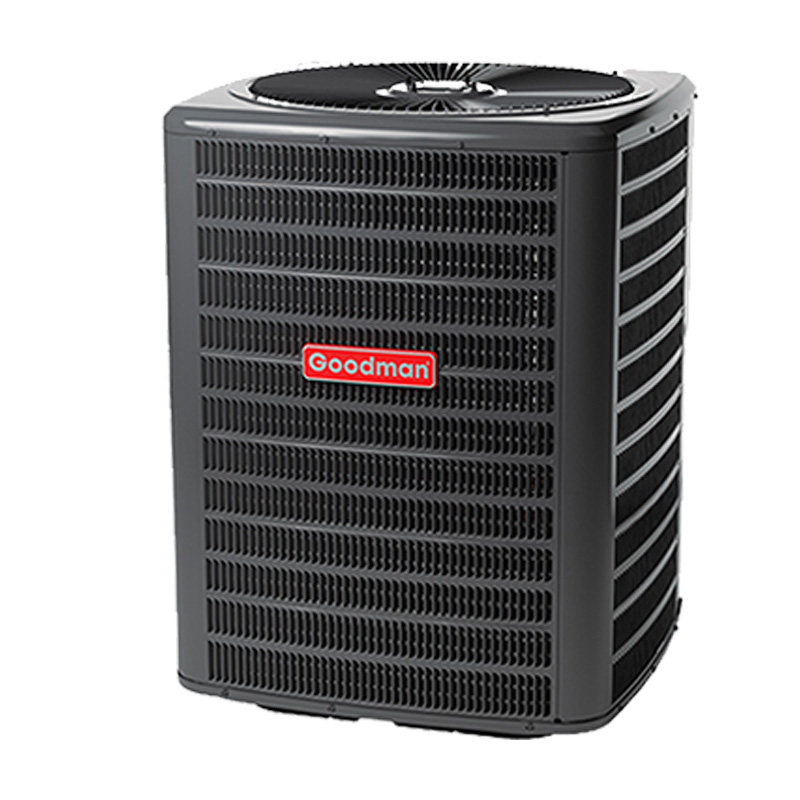
- 3-ton R-32 air conditioner rated at 14.5 SEER2, meeting 2023 federal minimum efficiency standards
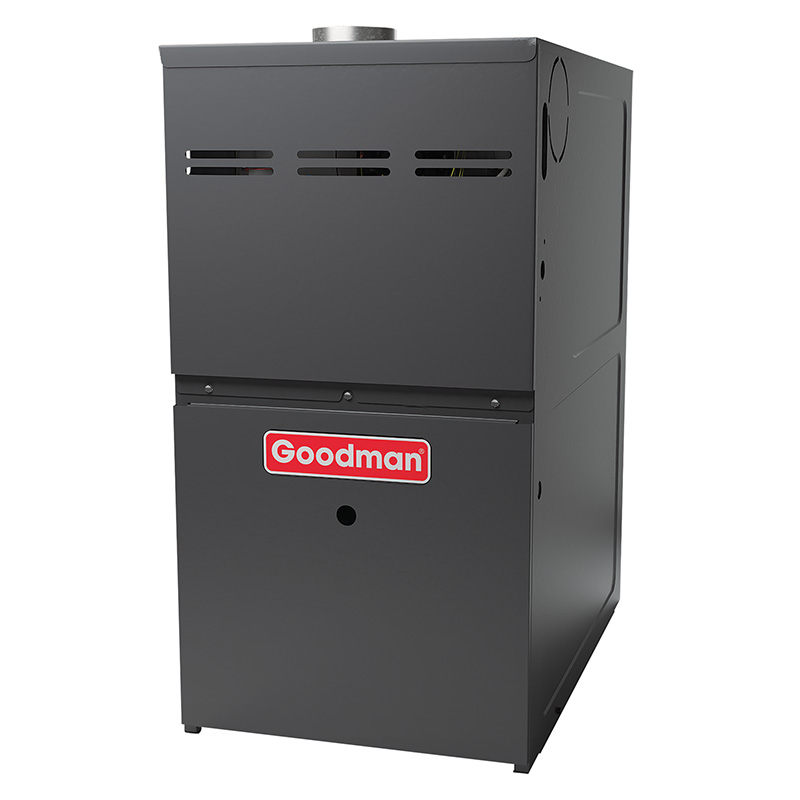
- 80,000 BTU upflow gas furnace with 80% AFUE combustion efficiency
- Multi-speed ECM blower motor reduces electricity use and improves comfort during partial-load conditions
- R-32 refrigerant with approximately one-third the global warming potential of R-410A
- Upflow configuration compatible with the most common residential duct layouts
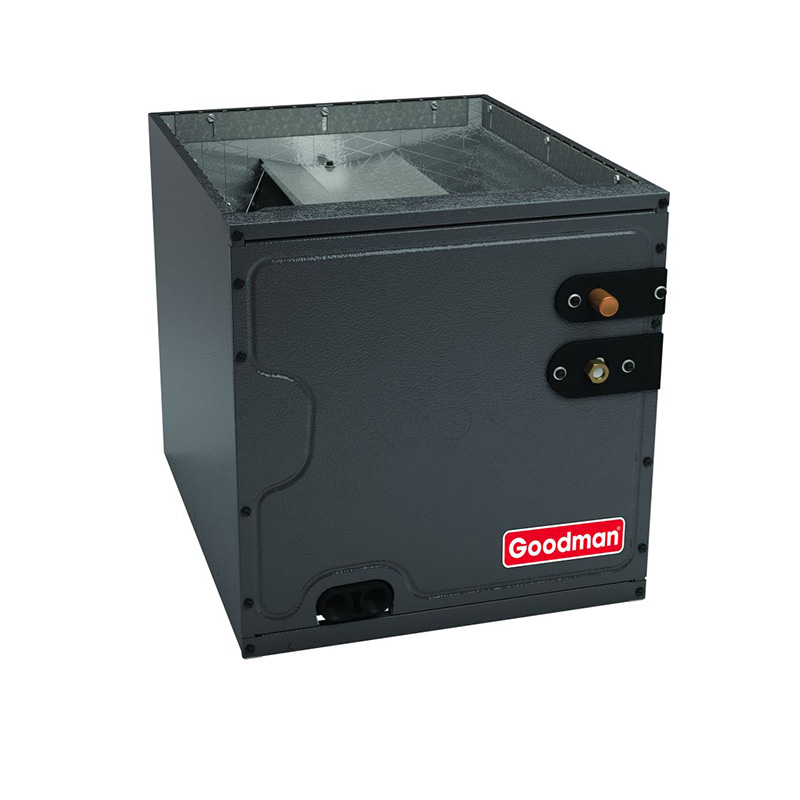
- Factory-matched coil and condenser designed to work as a tested, rated system
About this system
This Goodman bundle pairs a 3-ton R-32 central air conditioner rated at 14.5 SEER2 with an 80,000 BTU, 80% AFUE upflow gas furnace in a single purchase. The 14.5 SEER2 rating clears the federal minimum efficiency floor that took effect in 2023, meaning it is code-compliant nationwide but sits at the entry tier of efficiency rather than the upper end. For a home in the 1,400 to 2,000 square foot range in a mixed or heating-dominant climate, this size and configuration is a reasonable match, provided a Manual J load calculation confirms the tonnage. The upflow orientation suits the most common residential duct layout, where the furnace sits in a basement or utility closet and air is discharged upward into overhead ducts.
R-32 refrigerant is a meaningful step forward from the R-410A that dominated the market for the past two decades. It has roughly one-third the global warming potential of R-410A and requires a smaller charge by weight, which can simplify leak recovery. The multi-speed ECM blower motor on the furnace side runs at lower speeds during mild conditions, reducing electricity draw and evening out temperature swings compared to a single-speed PSC motor. That said, 80% AFUE means one-fifth of combustion energy exits as exhaust, so homeowners in cold climates with high gas bills may want to weigh a 96% or higher AFUE unit before committing to this system.
This Goodman bundle is a practical, budget-conscious entry point for homeowners who need a full system replacement without stretching to premium brands. The 14.5 SEER2 rating and 80% AFUE are honest baseline numbers, not standout specs, and long-term ownership costs depend heavily on installation quality and a willingness to budget for component repairs after year seven. It earns its place as a value pick, but buyers should enter with clear eyes about the brand's documented reliability patterns.
Overall score is the average of the five ratings above.
What we like
- Priced 15 to 25 percent below comparable Trane, Lennox, and Carrier systems, lowering the upfront replacement burden
- R-32 refrigerant is more environmentally responsible and future-ready compared to R-410A equipment
- ECM blower motor improves comfort and reduces fan electricity costs versus single-speed alternatives
- Factory-matched system simplifies coil and condenser compatibility, supporting accurate SEER2 ratings
- Upflow furnace fits the most widespread residential duct configuration without modification
Trade-offs
- Dual-run capacitors are the most commonly reported failure point, typically requiring a 300 to 600 dollar service call within the first decade
- Evaporator coil leaks appear in a meaningful share of owner reports, a concern amplified by refrigerant changeover costs
- Compressor lifespan averages 10 to 14 years versus 15 to 20 years for premium brands, shortening the likely replacement cycle
- 80% AFUE leaves significant efficiency and savings potential on the table for homeowners in cold climates with heavy heating loads
What homeowners and pros say about Goodman
Homeowners who have owned Goodman equipment tend to split into two camps. Those with a skilled installer and a proactive service plan often report years of trouble-free operation and view the brand’s lower price as a genuine win. Those who ran into problems tell a different story, and that gap shows up clearly in the ratings: Goodman sits at roughly 2.5 out of 5 on ConsumerAffairs, a platform that attracts frustrated owners, while Google dealer reviews average closer to 3.8 out of 5 where satisfied buyers are more likely to weigh in. For this upflow bundle specifically, the recurring ownership concerns worth knowing before purchase are dual-run capacitor failures (common after a few years of use, but typically a straightforward 300 to 600 dollar repair), evaporator coil leaks that appear in a meaningful share of longer-term owner reports, and compressor longevity that averages 10 to 14 years rather than the 15 to 20 years owners of premium brands often see.
HVAC technicians tend to describe Goodman as workable equipment that rewards careful installation and penalizes shortcuts. Technician forums and contractor conversations consistently point to install quality as the single biggest variable in how long a Goodman system holds up, more so than with tighter-tolerance premium brands that are somewhat more forgiving of imperfect setups. For this R-32 system in particular, techs note that proper refrigerant charging is critical given that R-32 is denser and behaves differently from R-410A during charging, and that the minority of first-year refrigerant leak reports tied to Goodman systems are almost always traced back to install or charge issues rather than factory defects. The bottom line from the field: budget for at least one capacitor replacement, keep a service contract in place, and the system can deliver solid value for a decade or more.
Sources: ConsumerAffairs Goodman owner reviews, AHRI Directory of Certified Product Performance, U.S. DOE appliance and equipment efficiency standards, Goodman product specification sheets.
What it costs to run
At 14.5 SEER2, cooling this 3-ton system for a typical 1200-hour cooling season at the U.S. average electricity rate of $0.17/kWh works out to roughly $506 per year in cooling, about $42 less per year than a minimum-efficiency 13.4 SEER2 unit of the same size. Your real cost depends on your climate and local rate.
Method: (36,000 BTU/hr ÷ 14.5 SEER2) × 1200 hours ÷ 1000 × $0.17/kWh. Rate source: U.S. EIA average; cooling hours: moderate-climate estimate.
How it compares
| Brand | Comparable model | SEER2 | Stage | Price position |
|---|---|---|---|---|
| Goodman | R-32 3-Ton 14.5 SEER2 / 80K BTU 80% AFUE ECM Upflow Bundle | 14.5 | Single-stage | Value pick |
| Carrier | Comfort 24ACC6 / 58CVA Upflow Bundle | 14.5–15 | Single-stage | Typically 15 to 25 percent more than this Goodman bundle |
| Trane | XR14c / S8X1 Upflow Bundle | 14.5–15 | Single-stage | Typically 15 to 25 percent more than this Goodman bundle |
| Lennox | Merit ML14XC1 / ML180UH Upflow Bundle | 14.5–15 | Single-stage | Typically 15 to 25 percent more than this Goodman bundle |
Competitor rows are comparable single-stage units at similar efficiency; price is relative position, not a quote.
Questions about this system
Is 14.5 SEER2 going to noticeably lower my electric bill compared to my old 10 or 12 SEER system?
Yes, upgrading from a 10 SEER unit to 14.5 SEER2 (roughly equivalent to about 15 SEER under the old scale) can cut cooling electricity use by 25 to 35 percent depending on your climate and runtime hours. The savings are real but not dramatic, and they will not offset the full system cost quickly in mild climates with short cooling seasons.
Why does this system use R-32 instead of R-410A, and does that affect service costs?
R-32 is a newer refrigerant with a much lower global warming potential than R-410A, and it is the direction the industry is moving as R-410A is phased down. Most certified HVAC technicians can handle R-32, but it does require specific recovery equipment and training, so confirm your service contractor is set up for it before signing a maintenance agreement.
What does the multi-speed ECM blower actually do differently from a standard blower?
An ECM motor can run at lower speeds when the system does not need full airflow, which reduces electricity draw and delivers more even temperatures by running longer at reduced output rather than short-cycling at full blast. It also tends to be quieter during those lower-speed cycles, which most homeowners notice in living areas near supply vents.
Goodman's reviews online are mixed. Should I be worried about reliability on this specific system?
Goodman's ConsumerAffairs score sits around 2.5 out of 5, though that platform skews heavily toward complaints. Google dealer reviews land closer to 3.8 out of 5, with affordability cited most often. The documented weak points are dual-run capacitors (common, inexpensive fix), evaporator coil leaks (less common but more costly), and compressor longevity that trails premium brands by several years. A strong installation by an experienced technician and a service plan that catches small issues early are the most practical ways to manage those risks.
Is 80% AFUE good enough, or should I pay more for a 96% furnace?
In mild-winter climates where the furnace runs only a few months per year, the payback period on a 96% AFUE unit versus 80% AFUE can stretch well beyond ten years, making the cheaper furnace a reasonable call. In cold climates such as the Upper Midwest or New England where the furnace runs heavily from October through April, the efficiency gap translates to real annual savings and a 96% unit often pays back within five to eight years depending on gas prices.
Specifications
| Cooling capacity | 3 Ton |
| Efficiency | 14.5 SEER2 |
| Furnace output | 80000 BTU |
| Configuration | Upflow |
| Refrigerant | R-32 |