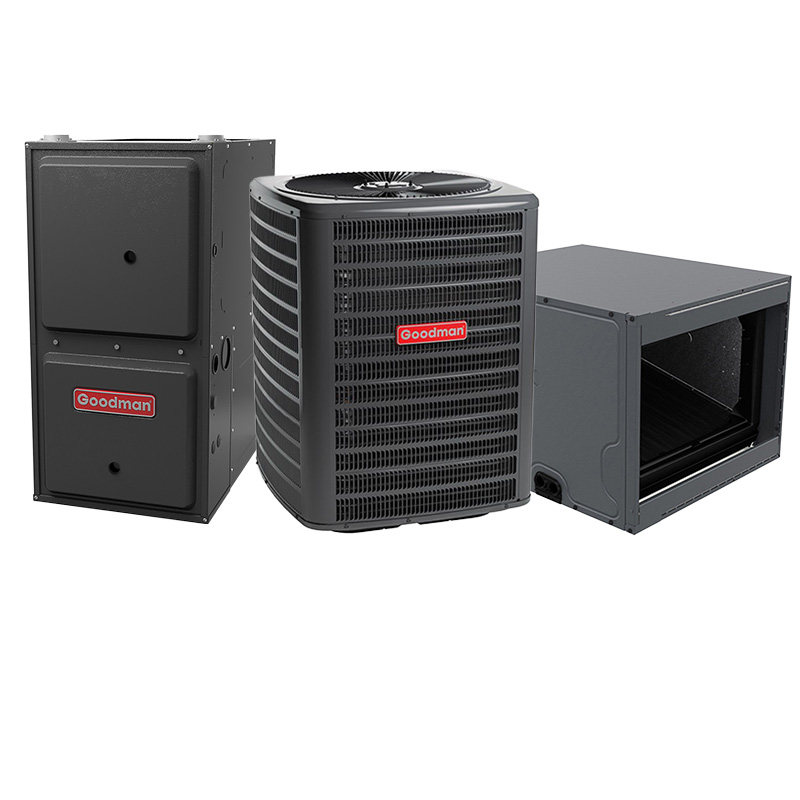
Goodman R32 3 Ton 14 SEER2 80000 BTU 80% Two Stage 9-Speed ECM Gas Furnace and Air Conditioner System – Horizontal
View on AC Direct see your lowest price →Check current price on AC Direct →
Key features
- 3-ton cooling capacity with 14 SEER2 efficiency rating
- 80,000 BTU two-stage gas furnace at 80% AFUE
- R-32 refrigerant for lower global warming potential than R-410A
- 9-speed ECM variable-speed blower for quieter, more efficient airflow
- Horizontal cabinet orientation for attic and crawlspace installations
- Self-contained packaged unit reducing field refrigerant connections
About this system
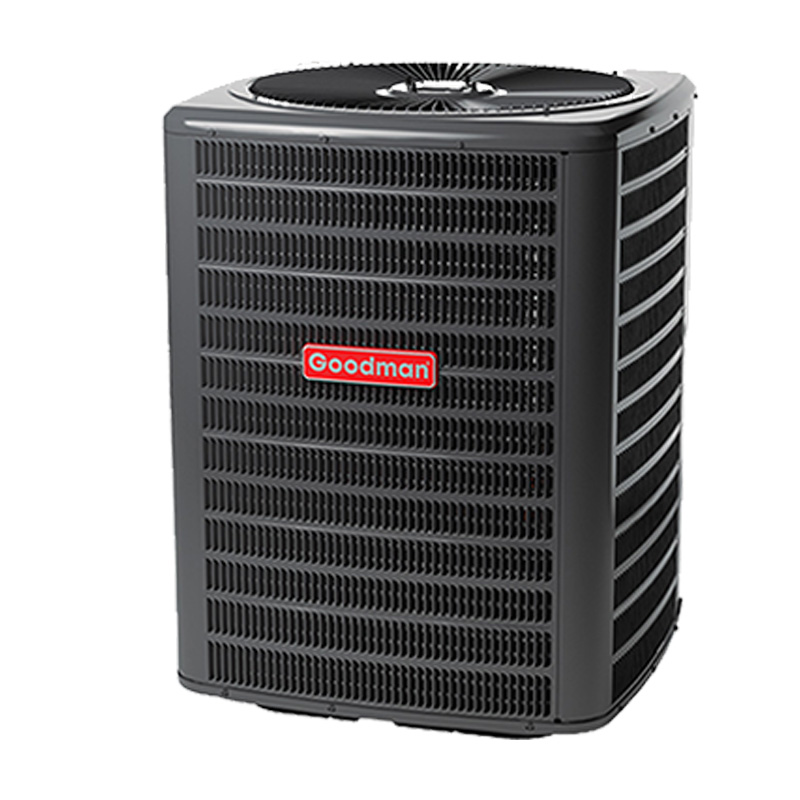
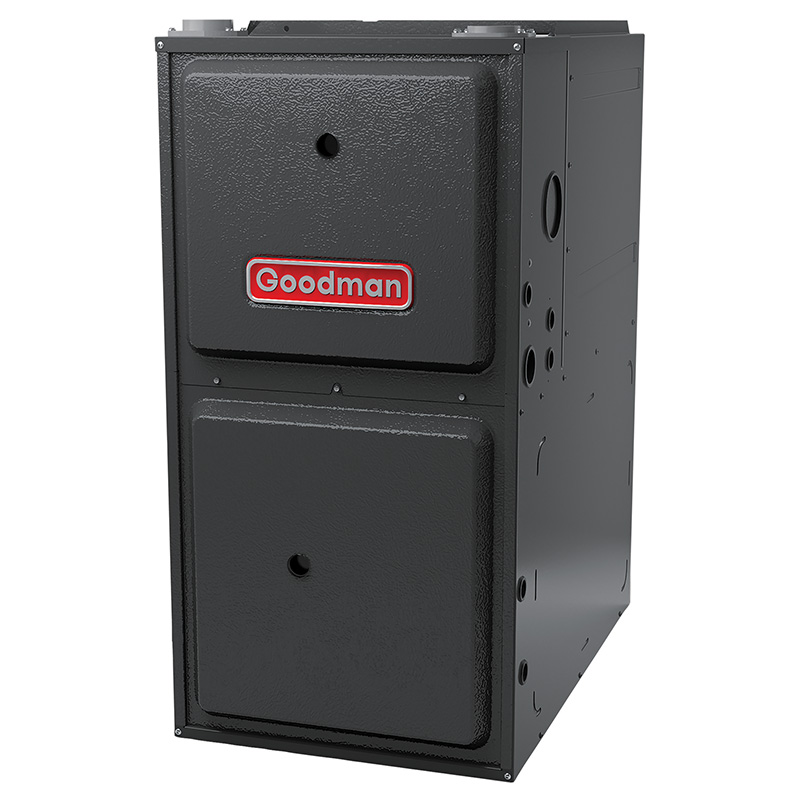
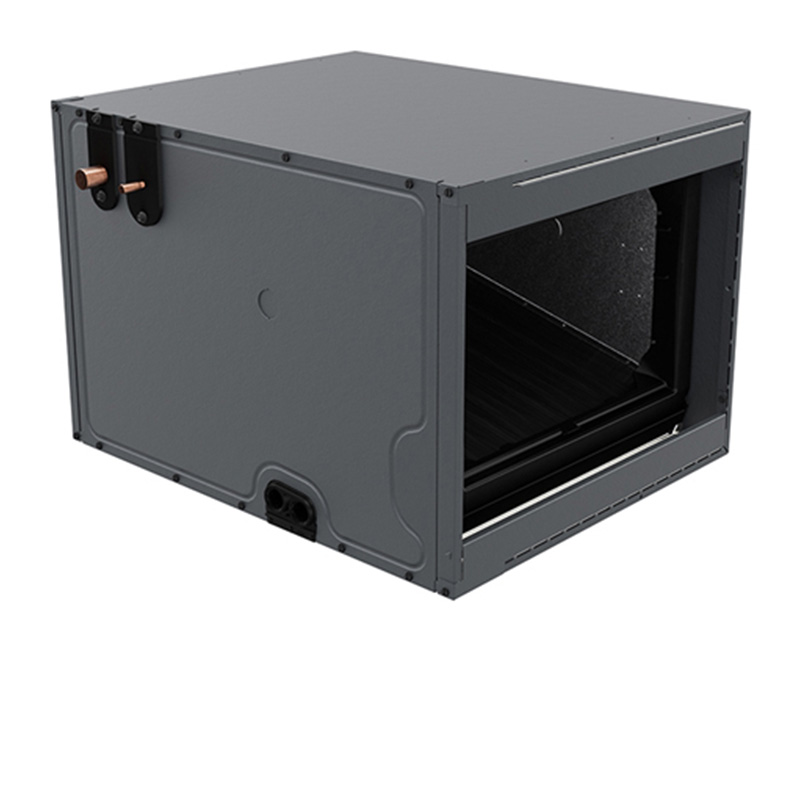
This Goodman package combines a 3-ton, 14 SEER2 air conditioner running on R-32 refrigerant with an 80,000 BTU, 80% AFUE two-stage gas furnace in a single horizontal cabinet. The horizontal configuration is the key detail here: this unit is built for attic or crawlspace installations where vertical clearance is limited, and it ships as a self-contained system rather than a split pair, which reduces the number of field connections and can simplify the rough-in for qualified installers. R-32 is a lower-GWP refrigerant that is increasingly standard across the industry as R-410A phases out, so you are not buying into an obsolete refrigerant platform.
At 14 SEER2, the efficiency sits at the federal minimum floor for most U.S. climate regions, which means operating costs will be higher than a 16 or 18 SEER2 system over the life of the equipment. That trade-off is often acceptable for homeowners prioritizing upfront price or replacing a failed unit quickly. The two-stage compressor and 9-speed ECM blower motor are genuine upgrades over single-stage, entry-level packaged units: two-stage operation allows the system to run at partial capacity on moderate days, which improves humidity control and reduces short-cycling. The ECM motor is more efficient than a standard PSC blower and runs quieter at lower speeds.
This system suits homes in the 1,500 to 2,000 square foot range with moderate insulation, though proper Manual J load calculations should always govern sizing. It is a practical choice for rental property owners, budget-conscious homeowners replacing aging equipment, or builders needing reliable, code-compliant systems without premium brand pricing. If long-term efficiency savings or a manufacturer track record for compressor longevity are priorities, stepping up to a higher SEER2 or premium brand is worth the math.
This Goodman horizontal packaged system delivers a two-stage furnace and ECM blower at a price point that is meaningfully below comparable Carrier, Trane, and Lennox equipment. The 14 SEER2 rating keeps it at the efficiency baseline rather than the top of the market, and Goodman's documented history with capacitor failures, evaporator coil leaks, and compressor lifespans shorter than premium brands means total ownership cost deserves honest scrutiny. For budget-focused buyers who understand those trade-offs and hire a competent installer, it is a legitimate option; for buyers who want the lowest long-term cost of ownership, the math favors spending more upfront.
Overall score is the average of the five ratings above.
What we like
- Priced 15 to 25 percent below comparable Trane, Carrier, and Lennox packaged units
- Two-stage operation improves humidity control and reduces short-cycling versus single-stage alternatives
- 9-speed ECM blower is more efficient and quieter than standard PSC motors
- R-32 refrigerant aligns with the industry's phase-out of R-410A, keeping the platform current
- Self-contained horizontal cabinet simplifies attic or crawlspace installation versus a split system
Trade-offs
- 14 SEER2 is the federal minimum efficiency floor, meaning higher monthly operating costs than mid- or high-efficiency alternatives
- Dual-run capacitors are the most commonly reported failure on Goodman equipment, typically within the first seven years
- Compressor lifespan averages 10 to 14 years versus 15 to 20 years documented for premium-brand compressors
- A minority of owners report refrigerant leaks in the first year, most often tied to installation quality or improper charge
What homeowners and pros say about Goodman
Homeowners who have lived with Goodman equipment tend to describe a split experience: those who had a smooth installation and no early failures often call it a solid, unremarkable workhorse, while those who hit problems report frustration that repair costs can pile up after year seven, a pattern reflected in Goodman’s roughly 2.5 out of 5 score on ConsumerAffairs, a platform that skews toward complaint-driven reviews. On Google dealer review pages, where the full customer base has more reason to weigh in, Goodman scores around 3.8 out of 5 across hundreds of location reviews, with affordability consistently cited as the primary reason buyers chose it. Neither number paints a picture of a premium product, but both are consistent with what you would expect from equipment positioned 15 to 25 percent below Trane and Carrier pricing.
HVAC technicians who service Goodman regularly point to three specific patterns: dual-run capacitors that tend to fail after five to seven years, evaporator coil leaks that show up in a meaningful share of older units, and compressor lifespans that average 10 to 14 years rather than the 15 to 20 years more common in premium-brand compressors. On this particular horizontal packaged unit, capacitor access and serviceability are worth asking your installer about before the job, since attic or crawlspace locations can make even a routine capacitor swap more time-intensive and therefore more expensive. Pros also emphasize that a minority of first-year refrigerant leak reports trace back to improper charge at installation rather than a product defect, which reinforces that who installs this system matters at least as much as what the system is.
Sources: ConsumerAffairs Goodman owner reviews, AHRI Directory of Certified Product Performance, U.S. DOE appliance and equipment efficiency standards, Goodman product specification sheets.
What it costs to run
At 14 SEER2, cooling this 3-ton system for a typical 1200-hour cooling season at the U.S. average electricity rate of $0.17/kWh works out to roughly $525 per year in cooling, about $23 less per year than a minimum-efficiency 13.4 SEER2 unit of the same size. Your real cost depends on your climate and local rate.
Method: (36,000 BTU/hr ÷ 14 SEER2) × 1200 hours ÷ 1000 × $0.17/kWh. Rate source: U.S. EIA average; cooling hours: moderate-climate estimate.
How it compares
| Brand | Comparable model | SEER2 | Stage | Price position |
|---|---|---|---|---|
| Goodman | R-32 Horizontal Packaged Gas/Electric (this unit) | 14 | two-stage | Value pick |
| Carrier | WeatherMaster 48XC (packaged gas/electric) | 14-15 | single-stage | Typically 15 to 25 percent more than this Goodman |
| Trane | YCC (packaged gas/electric) series | 14-15 | single-stage | Typically 15 to 25 percent more than this Goodman |
| Lennox | LRP14GE packaged gas/electric series | 14 | single-stage | Typically 15 to 25 percent more than this Goodman |
Competitor rows are comparable single-stage units at similar efficiency; price is relative position, not a quote.
Questions about this system
Why does this system use R-32 instead of R-410A, and does that affect service costs?
R-32 is part of the industry-wide transition away from R-410A, which is being phased out under EPA rules. R-32 has a lower global warming potential and is increasingly available through HVAC distributors, so it should not create supply problems for service technicians going forward. That said, not every local technician is currently equipped to handle R-32, so it is worth confirming your service contractor is certified before committing.
What does horizontal configuration actually mean, and is this unit suitable for a rooftop installation?
Horizontal configuration means the unit is designed to sit on its side with airflow moving horizontally through the cabinet, which is standard for attic platforms, closet installations, and some crawlspace setups. Most Goodman horizontal packaged units are not rated for rooftop curb mounting; if you need a rooftop installation, verify the specific model's listing before purchasing.
How significant is install quality with Goodman equipment, and should I pay more for an experienced contractor?
HVAC technicians consistently identify install quality as the single largest variable in how long Goodman equipment lasts. Issues like improper refrigerant charge, poorly sealed duct connections, and inadequate condensate drainage are responsible for a meaningful share of early failures, including some first-year refrigerant leaks reported by owners. Paying a licensed contractor with documented packaged-unit experience is not optional if you want the rated lifespan.
The dual-run capacitor failure is listed as a common issue. How serious is that, and what does it cost to fix?
Capacitor failures are genuinely common on Goodman units and tend to show up after year five to seven, but they are among the least expensive repairs in HVAC: typical service calls for a capacitor replacement run in the 300 to 600 dollar range including labor. The concern is not the single repair cost but whether repeated component failures in years seven through fourteen add up to a cost profile that rivals a premium system's higher purchase price.
Does the two-stage furnace in this package actually make a noticeable difference for comfort compared to single-stage?
Yes, in most homes the difference is real. A two-stage furnace runs at its lower fire rate during moderate weather, which means longer, steadier heating cycles rather than short blasts of heat. Combined with the 9-speed ECM blower, the system maintains more consistent room temperatures and removes more humidity during cooling season than a single-stage compressor and fixed-speed blower would.
Specifications
| Cooling capacity | 3 Ton |
| Efficiency | 14 SEER2 |
| Furnace output | 80000 BTU |
| Configuration | Horizontal |
| Refrigerant | R-32 |