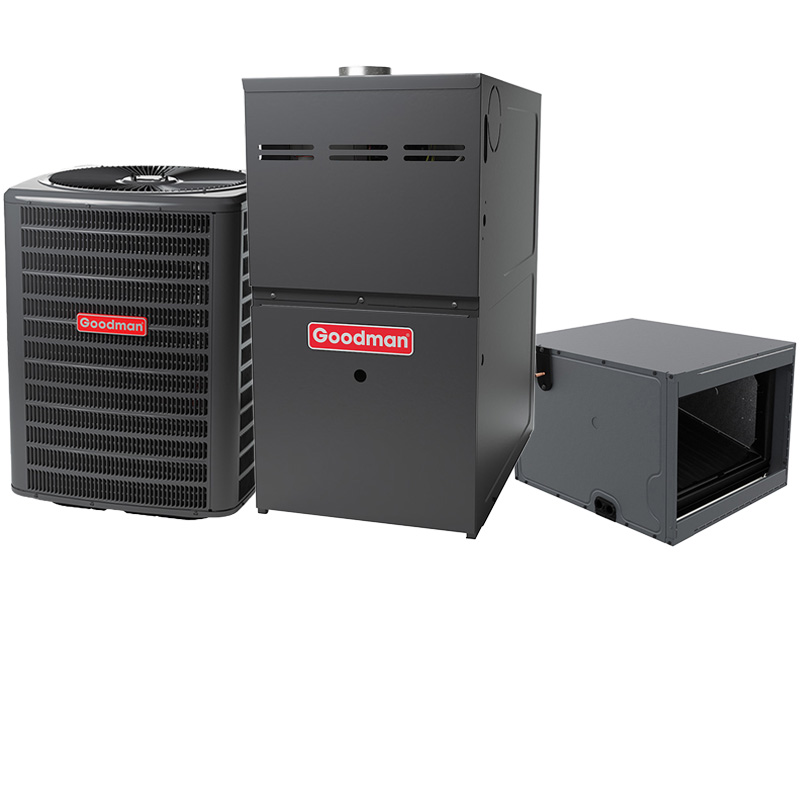
Goodman R32 4 Ton 13.4 SEER2 100000 BTU 80% Multi-Speed ECM Gas Furnace and Air Conditioner System – Horizontal
View on AC Direct see your lowest price →Check current price on AC Direct →
Key features
- 4-ton R-32 cooling system rated at 13.4 SEER2 efficiency
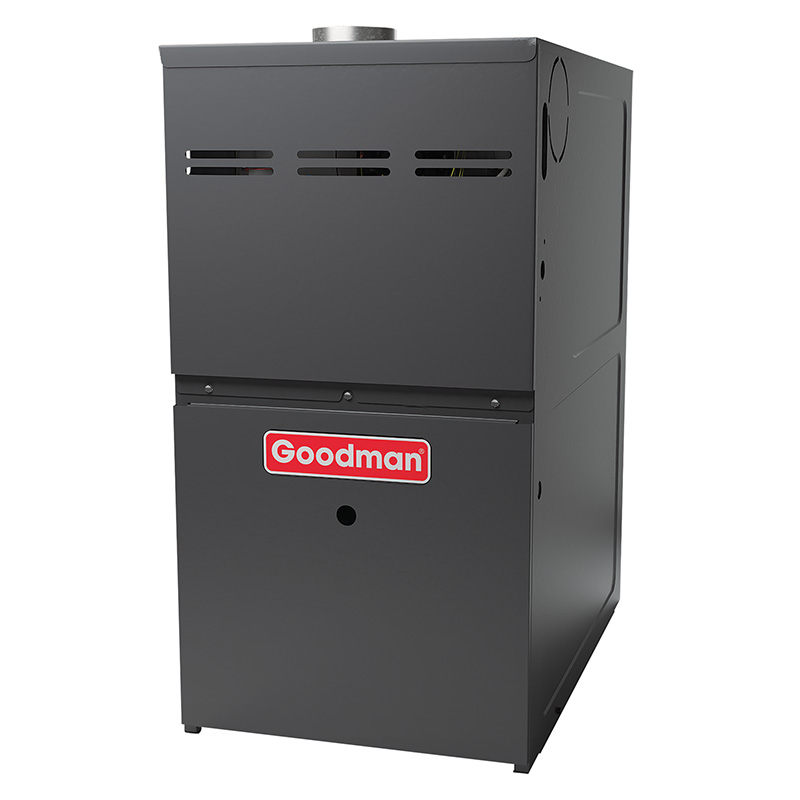
- 100,000 BTU 80% AFUE single-stage gas furnace
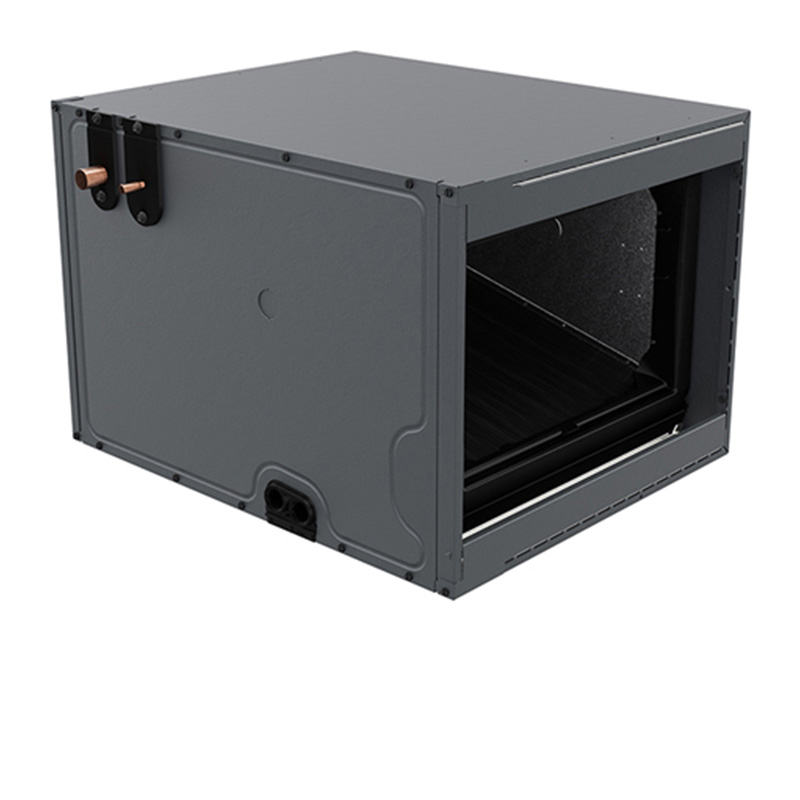
- Horizontal cabinet configuration for attic and crawlspace installs
- Multi-speed ECM blower motor for improved airflow and lower fan energy use
- R-32 refrigerant with lower global warming potential than R-410A
- Factory-matched system designed for straightforward dealer installation
About this system
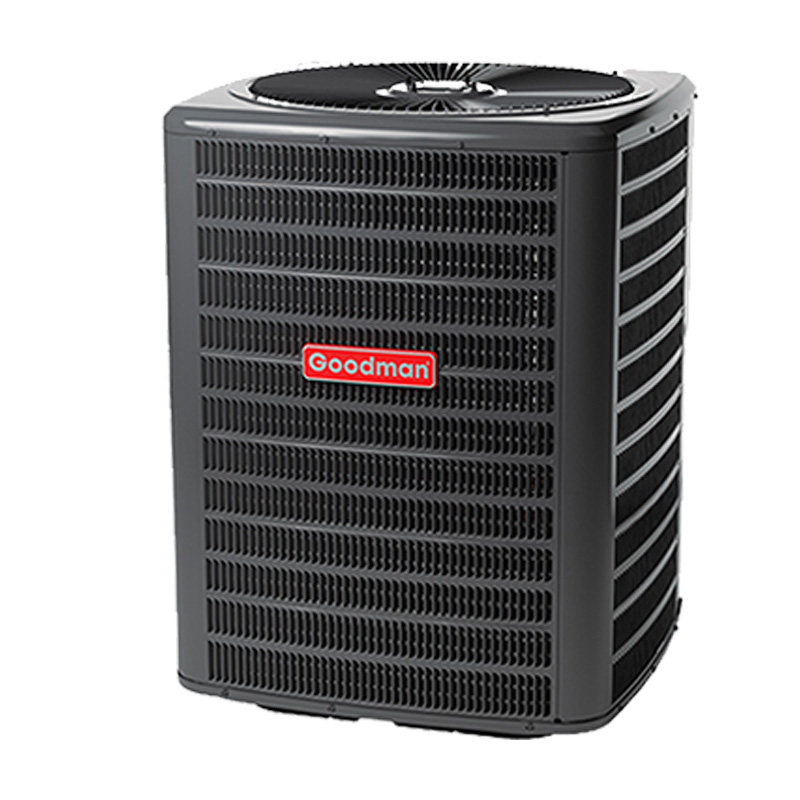
This Goodman bundle pairs a 4-ton R-32 air conditioner rated at 13.4 SEER2 with a 100,000 BTU 80% AFUE multi-speed ECM gas furnace in a horizontal configuration. The horizontal layout is purpose-built for attic or crawlspace installations where vertical clearance is limited, making it a practical fit for ranch-style homes, manufactured housing, or additions where a standard upflow unit simply will not fit. At 4 tons, the cooling side is sized for roughly 1,800 to 2,400 square feet depending on climate, insulation quality, and local Manual J calculations.
The 13.4 SEER2 rating sits at the federal minimum efficiency floor for most U.S. climate zones, which means operating costs are honest but not exceptional compared to 16 or 18 SEER2 equipment. R-32 refrigerant is a meaningful step forward from the R-410A era: it has a lower global warming potential and slightly better thermodynamic efficiency, and it is increasingly the industry standard as R-410A is phased down. The multi-speed ECM blower motor improves airflow control and dehumidification compared to a single-speed PSC motor, and it draws less electricity during partial-load operation. This system is a straightforward, no-frills workhorse for homeowners who want reliable heating and cooling without paying a premium brand markup.
This Goodman horizontal bundle delivers entry-level efficiency at a price point that undercuts major brands by 15 to 25 percent, making it a credible choice for budget-conscious buyers who prioritize upfront savings over long-term premium performance. The horizontal configuration narrows the installer pool slightly, so finding an experienced tech familiar with this layout is especially important. Owners should budget for a capacitor replacement somewhere in years 5 to 9 and go in with realistic expectations about compressor longevity relative to Carrier, Trane, or Lennox equipment.
Overall score is the average of the five ratings above.
What we like
- Priced 15 to 25 percent below comparable Carrier, Trane, and Lennox systems
- R-32 refrigerant is lower GWP and increasingly better supported by technicians
- ECM multi-speed blower reduces fan electricity draw and improves humidity control
- Horizontal configuration is one of few factory-matched options for attic or crawlspace installs
- Goodman's wide dealer network means parts and service are generally accessible
Trade-offs
- 13.4 SEER2 is the federal minimum tier, so monthly energy costs will be higher than mid- or high-efficiency alternatives
- Dual-run capacitor failures are the most documented recurring issue, typically surfacing between years 5 and 9
- Compressor lifespan averages 10 to 14 years versus 15 to 20 for premium brands, meaning earlier replacement exposure
- Evaporator coil leaks and first-year refrigerant charge issues appear in a meaningful share of owner reports, making installer selection critical
What homeowners and pros say about Goodman
Homeowners who have lived with Goodman equipment tend to split along a clear line: those who had a skilled installer and those who did not. On Google dealer review pages, where ratings average around 3.8 out of 5 across hundreds of reviews per location, affordability is by far the most common theme in positive feedback. Buyers appreciate that they got a functional, warrantied system without the sticker shock of a Lennox or Carrier quote. On ConsumerAffairs, which skews heavily toward frustrated owners posting complaints, Goodman sits at roughly 2.5 out of 5, and the recurring story is repair costs climbing after year 7, which lines up with the documented compressor lifespan of 10 to 14 years and the well-established pattern of dual-run capacitor failures showing up in the middle years of ownership.
HVAC technicians who work on Goodman equipment regularly tend to describe it as predictable rather than impressive. The capacitor failure mode is so common that experienced techs sometimes carry a spare on a Goodman service call. Evaporator coil leaks are a real concern noted in owner forums, and a minority of first-year owners have reported refrigerant issues that traced back to installation quality rather than the equipment itself, which reinforces the industry-wide observation that Goodman’s performance ceiling is largely set by whoever puts it in. For this horizontal system specifically, where attic access and proper line set routing add complexity, the installer choice carries even more weight than usual.
Sources: ConsumerAffairs Goodman owner reviews, AHRI Directory of Certified Product Performance, U.S. DOE appliance and equipment efficiency standards, Goodman product specification sheets.
What it costs to run
At 13.4 SEER2, cooling this 4-ton system for a typical 1200-hour cooling season at the U.S. average electricity rate of $0.17/kWh works out to roughly $731 per year in cooling, about $0 less per year than a minimum-efficiency 13.4 SEER2 unit of the same size. Your real cost depends on your climate and local rate.
Method: (48,000 BTU/hr ÷ 13.4 SEER2) × 1200 hours ÷ 1000 × $0.17/kWh. Rate source: U.S. EIA average; cooling hours: moderate-climate estimate.
How it compares
| Brand | Comparable model | SEER2 | Stage | Price position |
|---|---|---|---|---|
| Goodman | R-32 4-Ton 13.4 SEER2 Horizontal Bundle (this system) | 13.4 | Single-stage | Value pick |
| Carrier | Comfort Series (24ACC636 + 58SB1) | 13.4–14.3 | Single-stage | Typically 15 to 25 percent more than Goodman |
| Trane | XR13 / XR15 with S8X1 80% furnace | 13.4–15.0 | Single-stage | Typically 15 to 25 percent more than Goodman |
| Lennox | Merit Series (13ACX + ML180 furnace) | 13.4–14.3 | Single-stage | Typically 15 to 25 percent more than Goodman |
Competitor rows are comparable single-stage units at similar efficiency; price is relative position, not a quote.
Questions about this system
Is a horizontal Goodman system harder to find service for than a standard upflow unit?
Goodman has one of the widest dealer networks in the U.S., so finding a technician who stocks parts is generally not difficult. However, horizontal attic installs can add labor time and cost compared to a basement upflow unit, and not every residential HVAC crew does attic work regularly, so confirming installer experience with horizontal configurations before booking is worth the effort.
Why does this system use R-32 instead of R-410A, and does that affect maintenance costs?
R-32 has a lower global warming potential than R-410A and is the direction the industry is moving as R-410A is phased down under EPA regulations. For most homeowners, maintenance costs should be similar or slightly lower over time as R-32 availability improves and R-410A pricing rises due to phase-down restrictions.
What does the 80% AFUE rating mean for my heating bills compared to a 96% unit?
An 80% AFUE furnace converts 80 cents of every dollar of gas into usable heat, venting the remaining 20 percent through the flue. A 96% AFUE unit would recover most of that loss, saving roughly 16 cents per heating dollar. In a cold climate with high heating loads, that gap adds up meaningfully over years; in mild climates, the payback period on a high-efficiency furnace is much longer.
Goodman reviews mention capacitor failures. How worried should I be, and what does it cost?
Dual-run capacitor failure is the most commonly documented issue across Goodman equipment, and it is real but also one of the least expensive HVAC repairs, typically running 300 to 600 dollars including labor. Many owners handle it as routine maintenance rather than a major breakdown. Keeping a service agreement in place during years 5 through 10 is a reasonable hedge.
Does Goodman's warranty require professional registration, and what does it actually cover?
Goodman typically requires online registration within a set window after installation to unlock the full parts warranty period; failure to register usually reduces coverage to a shorter base term. The warranty covers parts, not labor, which means a compressor replacement under warranty still carries a significant labor bill. Confirming registration requirements and considering a labor warranty through your installer is advisable.
Specifications
| Cooling capacity | 4 Ton |
| Efficiency | 13.4 SEER2 |
| Furnace output | 100000 BTU |
| Configuration | Horizontal |
| Refrigerant | R-32 |