Goodman R32 4 Ton 13.4 SEER2 80000 BTU 80% Two Stage 9-Speed ECM Gas Furnace and Air Conditioner System – Horizontal
View on AC Direct see your lowest price →Check current price on AC Direct →
Key features
- 4-ton cooling capacity paired with 80,000 BTU two-stage gas heating in a single horizontal-configuration package
- 13.4 SEER2 efficiency rating meets current federal minimums for most U.S. climate regions
- R-32 refrigerant with lower global warming potential than R-410A, ahead of upcoming regulatory requirements
- 9-speed ECM variable-speed blower motor reduces fan electricity consumption versus standard PSC motors
- Two-stage compressor operation improves humidity removal and reduces short-cycling on moderate-temperature days
- 80% AFUE gas furnace section provides reliable heating without the equipment cost of a high-efficiency 90%+ unit
About this system
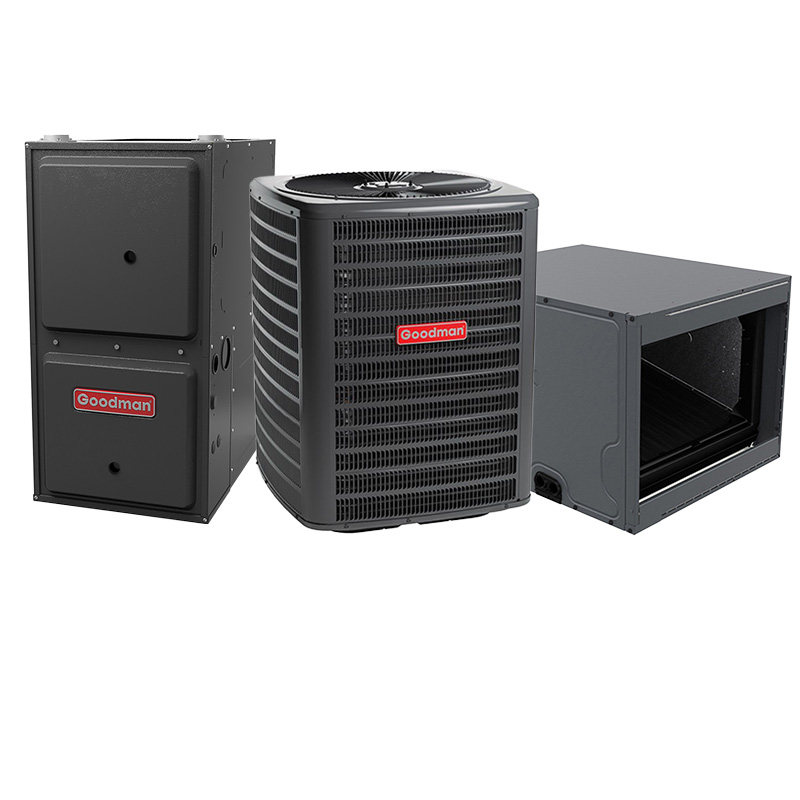
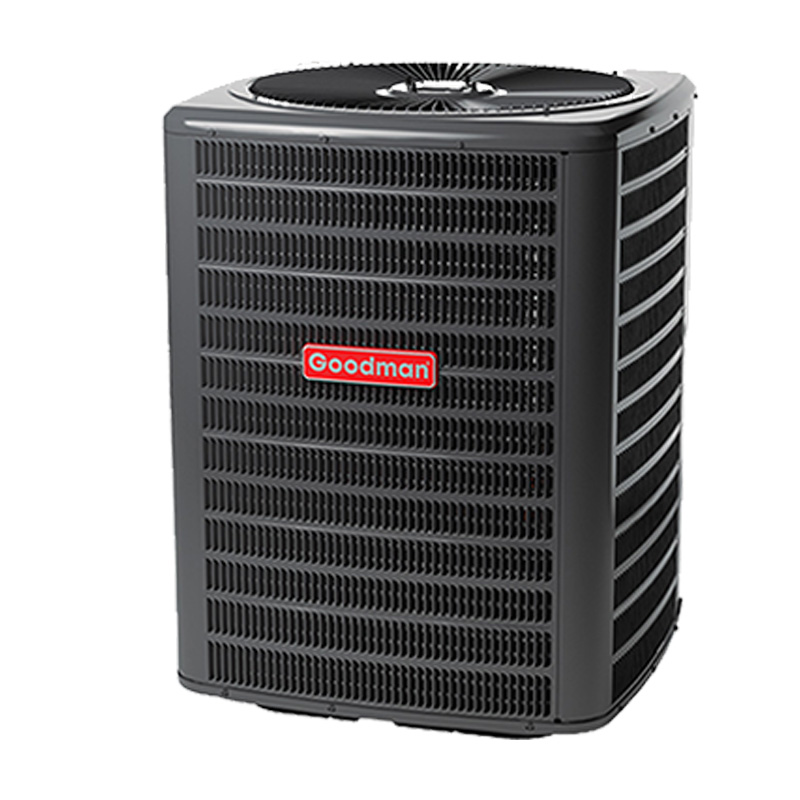
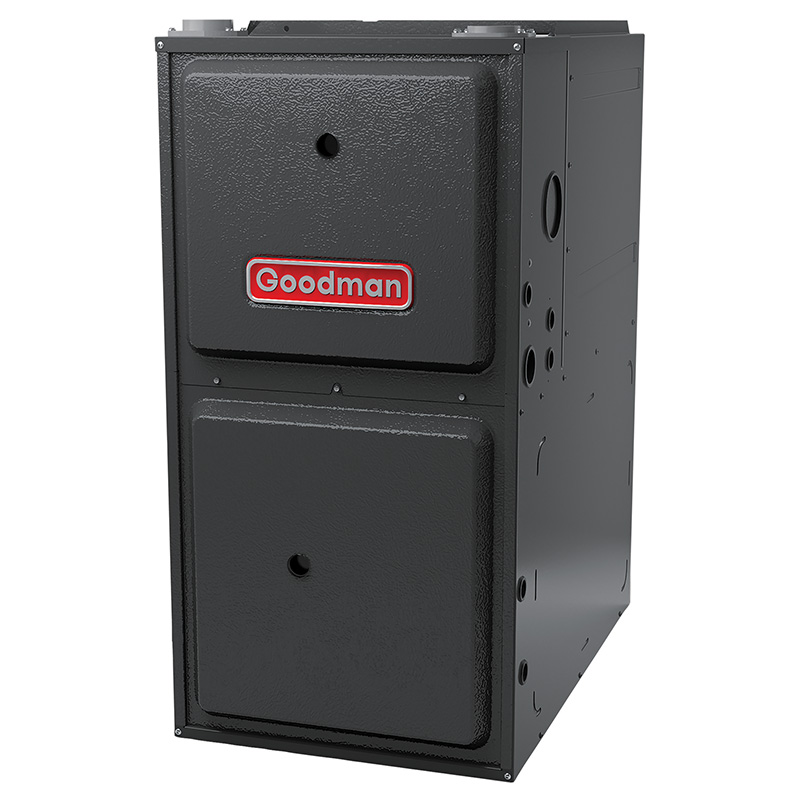
This Goodman package combines a 4-ton, 13.4 SEER2 R-32 split-system air conditioner with an 80,000 BTU, 80% AFUE two-stage gas furnace in a horizontal configuration, making it a practical choice for homes where attic or crawlspace installation is required and closet or basement setups are not feasible. The horizontal orientation limits where this system can go, but in the right application it fits neatly into tight spaces that a standard upflow unit simply cannot occupy. At 4 tons of cooling capacity, it is sized for homes roughly in the 1,800 to 2,400 square foot range, though a proper Manual J load calculation should always confirm the right size for your specific structure and climate.
The 13.4 SEER2 rating clears the current federal minimum efficiency threshold by a small margin, meaning you get code-compliant operation without paying for top-tier efficiency. The two-stage compressor and 9-speed ECM blower motor are meaningful upgrades over single-stage systems at this price point: two-stage cooling reduces short-cycling on mild days, which improves humidity control and indoor comfort. The ECM blower runs at lower speeds more often, cutting fan electricity use compared to a standard PSC motor. R-32 refrigerant has a lower global warming potential than R-410A and is the direction the industry is moving, so this system is positioned for regulatory compliance going forward.
Goodman sits firmly in the value segment of the HVAC market, typically priced 15 to 25 percent below comparable equipment from Trane, Lennox, or Carrier. That price gap is real and meaningful, but so is the trade-off: build quality and long-term compressor longevity have historically trailed premium brands, and the system’s lifespan leans heavily on how well it is installed and how consistently it is maintained. This system rewards buyers who hire an experienced installer and commit to annual service visits.
This Goodman horizontal system delivers two-stage comfort and ECM efficiency at a price point that is hard to match among name-brand equipment, making it a sensible budget-conscious choice for the right application. The horizontal configuration limits installation flexibility, and buyers should enter with clear eyes about Goodman's documented failure patterns and the outsized role that install quality plays in how long this system actually lasts. It is a capable, honest value product rather than a premium one.
Overall score is the average of the five ratings above.
What we like
- Priced 15 to 25 percent below comparable Trane, Lennox, and Carrier systems, lowering the upfront investment meaningfully
- Two-stage compressor improves humidity control and comfort on mild days compared to single-stage alternatives at the same price tier
- 9-speed ECM blower reduces fan energy use and supports quieter part-load operation
- R-32 refrigerant positions the system well for upcoming environmental regulations without a premium price
- Horizontal configuration fills a specific installation niche that many upflow-only competitors cannot address
Trade-offs
- Compressor lifespan averages 10 to 14 years in owner reports, shorter than the 15 to 20 years documented for premium-brand compressors
- Dual-run capacitor failures are the most commonly reported repair, typically surfacing within the first several years of operation
- Evaporator coil leaks appear in a meaningful share of owner reviews, and a minority of owners have reported refrigerant leaks within the first year
- Horizontal-only configuration restricts this system to attic, crawlspace, or similar horizontal applications, limiting its versatility
What homeowners and pros say about Goodman
Homeowners who have installed Goodman equipment tend to split along a familiar line: those who bought on price and got a competent installation generally report satisfaction through the first six or seven years, while those who ran into problems more often trace them back to a rushed install or skipped maintenance rather than the equipment itself. That pattern aligns with how HVAC technicians talk about Goodman in the field. Google dealer reviews average around 3.8 out of 5, and affordability is the word that comes up most consistently. On ConsumerAffairs, where the audience skews toward people with complaints to file, the brand scores closer to 2.5 out of 5, with repair cost frustrations becoming a recurring theme once systems push past year 7. Neither number tells the whole story on its own.
The specific failure modes that show up in owner accounts and technician forums are worth knowing before you buy this system. Dual-run capacitors are the most frequently cited repair, usually a straightforward fix in the $300 to $600 range that most HVAC technicians can handle on a same-day call. More concerning are evaporator coil leaks, which appear in a meaningful number of owner reviews and can be a costlier repair. Compressor longevity is the other consistent trade-off: Goodman compressors in the field tend to average 10 to 14 years, versus the 15 to 20 years that premium brands like Trane or Carrier typically see. A small minority of owners have also reported refrigerant leaks within the first year, which technicians generally attribute to installation or charge errors rather than the equipment itself. For this horizontal system specifically, finding an installer with documented experience on horizontal attic or crawlspace setups is more important than it might be for a straightforward upflow installation.
Sources: ConsumerAffairs Goodman owner reviews, AHRI Directory of Certified Product Performance, U.S. DOE appliance and equipment efficiency standards, Goodman product specification sheets.
What it costs to run
At 13.4 SEER2, cooling this 4-ton system for a typical 1200-hour cooling season at the U.S. average electricity rate of $0.17/kWh works out to roughly $731 per year in cooling, about $0 less per year than a minimum-efficiency 13.4 SEER2 unit of the same size. Your real cost depends on your climate and local rate.
Method: (48,000 BTU/hr ÷ 13.4 SEER2) × 1200 hours ÷ 1000 × $0.17/kWh. Rate source: U.S. EIA average; cooling hours: moderate-climate estimate.
How it compares
| Brand | Comparable model | SEER2 | Stage | Price position |
|---|---|---|---|---|
| Goodman | This system (R-32 4-Ton 13.4 SEER2 80K BTU 80% Two-Stage 9-Speed ECM Horizontal) | 13.4 | Two-stage | Value pick |
| Carrier | Performance 13 (24ACC3 series) with 58MEB furnace | 13.4 | Single-stage | Typically 15 to 25 percent more than Goodman |
| Trane | XR13c with S8X1 furnace | 13.4 | Single-stage | Typically 15 to 25 percent more than Goodman |
| Lennox | Merit 13ACX with ML180 furnace | 13.4 | Single-stage | Typically 15 to 25 percent more than Goodman |
Competitor rows are comparable single-stage units at similar efficiency; price is relative position, not a quote.
Questions about this system
Why is this system listed as horizontal only, and can it be installed in any other orientation?
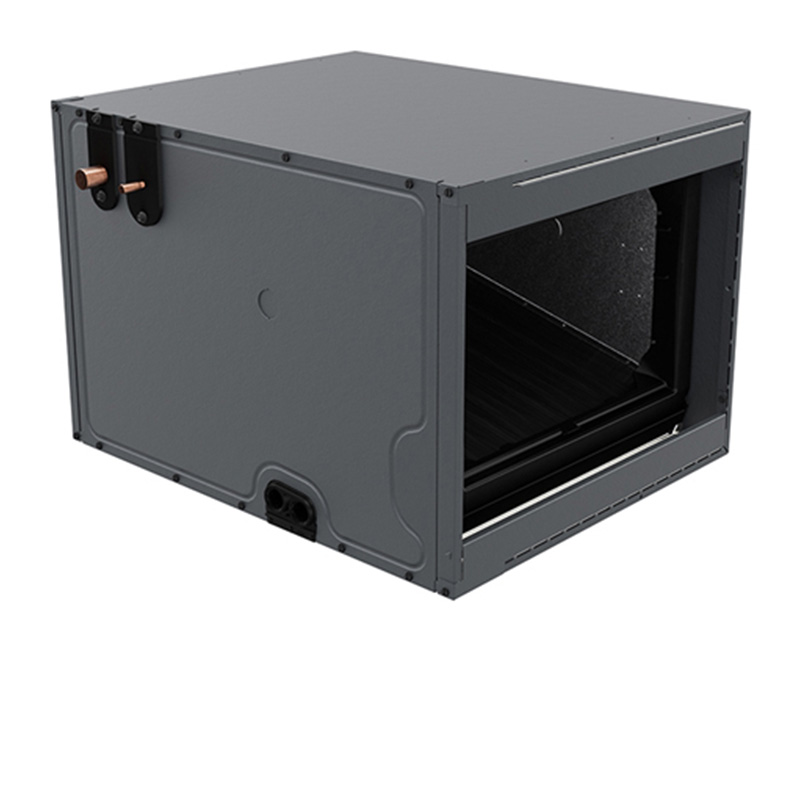
The horizontal designation means the air handler and coil section are engineered specifically to lie on their side, which is required for attic platforms, crawlspaces, and certain manufactured-home applications. Installing a horizontal-rated unit in an upflow or downflow orientation is not supported and can cause drainage and performance problems, so confirm your installation space before purchasing.
What does 13.4 SEER2 actually mean for my monthly energy bill compared to an older system?
SEER2 is the updated federal efficiency testing standard, and 13.4 SEER2 is roughly equivalent to about 14 to 15 SEER under the older measurement. If you are replacing a 10 SEER system, you can expect a noticeable reduction in cooling-season electricity use, but this is not a top-efficiency unit. Homes in hot climates that run the air conditioner heavily for six or more months may find the payback period for a higher-SEER system worthwhile.
Goodman has mixed reviews online. How worried should I be about reliability?
Goodman scores around 2.5 out of 5 on ConsumerAffairs, a platform that skews toward complaint-driven reviews, with repair cost complaints becoming more common after roughly year 7. Google dealer reviews average closer to 3.8 out of 5, where affordability is consistently praised. The documented weak points are dual-run capacitor failures (a relatively inexpensive repair in the $300 to $600 range), evaporator coil leaks, and compressor lifespans that average 10 to 14 years rather than the 15 to 20 years associated with premium brands. A well-executed install and annual tune-ups reduce but do not eliminate these risks.
Is R-32 refrigerant safe, and will it be harder or more expensive to service than R-410A?
R-32 is mildly flammable (classified A2L) and requires technicians with specific handling certification, but it is not considered dangerous in properly installed residential equipment. It has a lower global warming potential than R-410A and is the refrigerant the industry is broadly transitioning toward, so availability and technician familiarity are growing. Service costs should be comparable to R-410A work once your local technicians are certified, but confirm that before scheduling.
Does the two-stage furnace and two-stage compressor actually make a meaningful difference in comfort, or is it mostly a marketing feature at this price tier?
The two-stage compressor is a genuine comfort improvement over single-stage in moderate weather: it runs longer at lower capacity, which removes more humidity from the air and prevents the temperature swings associated with short-cycling. The effect is most noticeable in climates with long shoulder seasons and high humidity. The two-stage furnace similarly reduces temperature overshoots on milder heating days. Neither stage eliminates all comfort variability the way a true variable-capacity system would, but the upgrade is real and not just marketing.
Specifications
| Cooling capacity | 4 Ton |
| Efficiency | 13.4 SEER2 |
| Furnace output | 80000 BTU |
| Configuration | Horizontal |
| Refrigerant | R-32 |