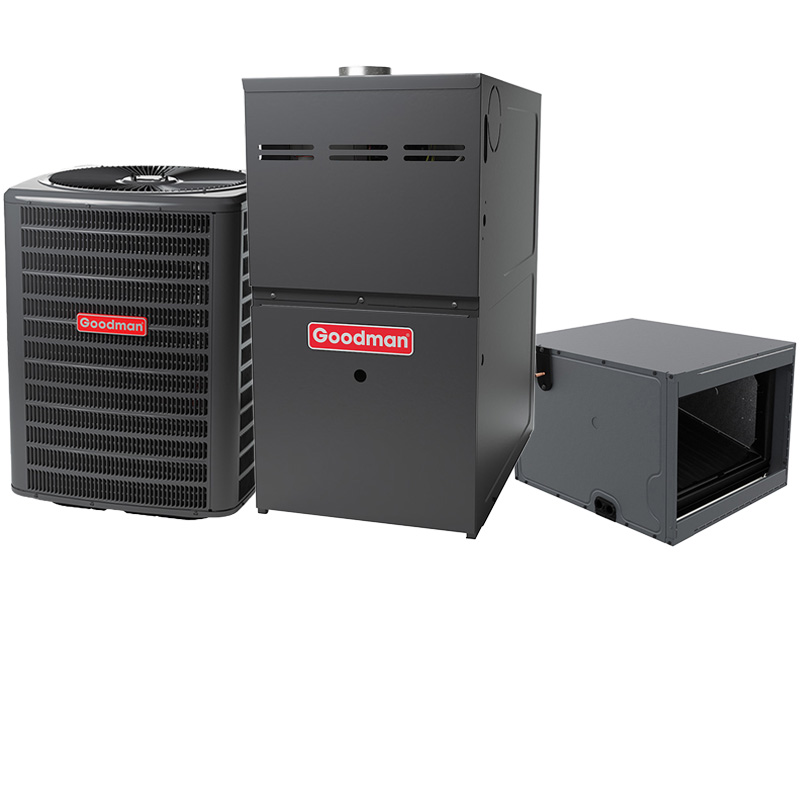
Goodman R32 4 Ton 13.5 SEER2 120000 BTU 80% Multi-Speed ECM Gas Furnace and Air Conditioner System – Horizontal
View on AC Direct see your lowest price →Check current price on AC Direct →
Key features
- 4-ton cooling capacity suited to larger homes, roughly 1,800 to 2,400 sq ft depending on load
- 13.5 SEER2 efficiency rating meets current federal minimum standards for most U.S. regions
- R-32 refrigerant with lower global warming potential than R-410A
- Horizontal configuration designed for attic, crawl-space, or side-discharge installations
- Multi-speed ECM blower motor reduces air handler electricity use versus single-speed motors
- 120,000 BTU furnace output at 80% AFUE for large-space heating in moderate climates
About this system
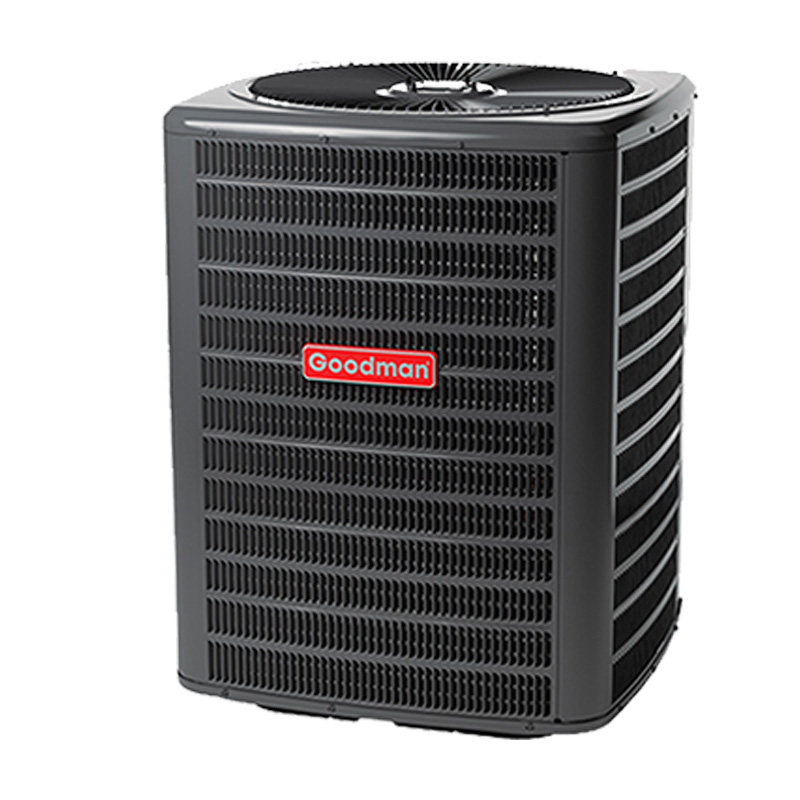
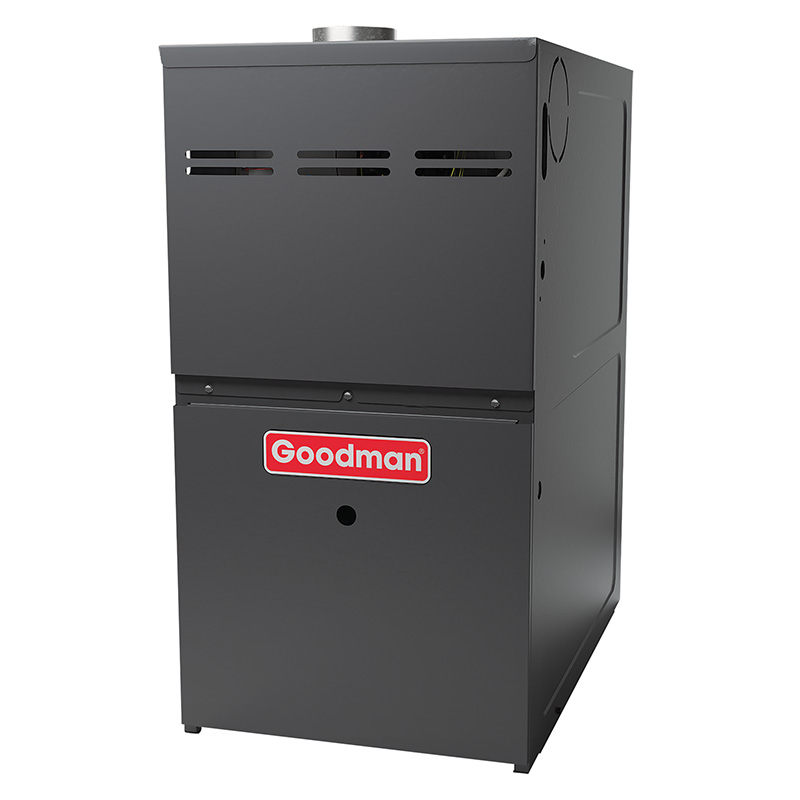
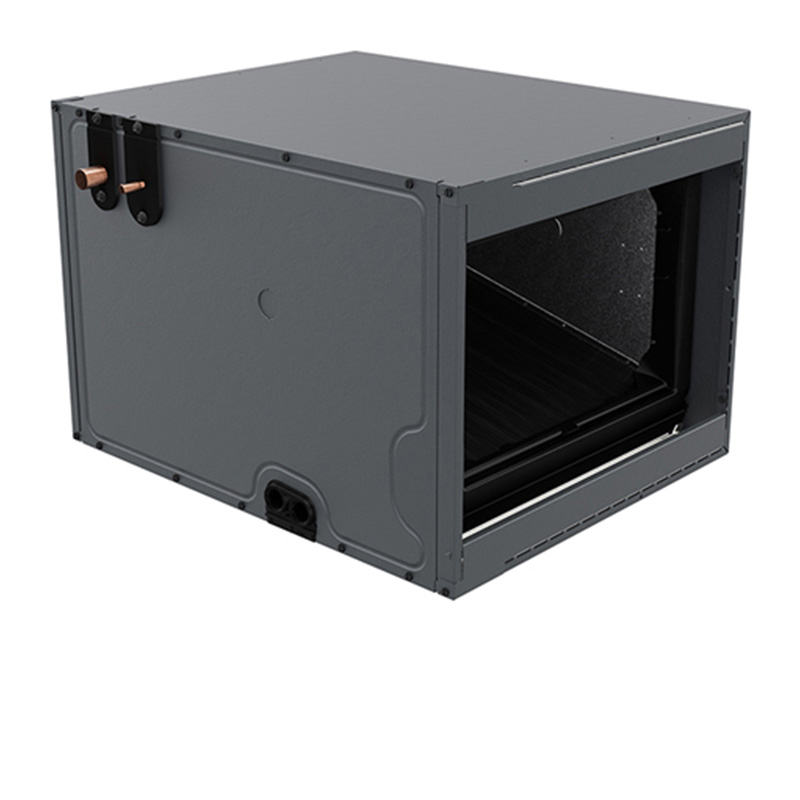
This Goodman horizontal-configuration system pairs a 4-ton, 13.5 SEER2 air conditioner running on R-32 refrigerant with a 120,000 BTU, 80% AFUE multi-speed ECM gas furnace. The horizontal orientation is built specifically for attic or crawl-space installations where vertical clearance is limited, making it a practical choice for single-story ranch homes, manufactured housing, or any structure where the air handler must lie on its side. At 4 tons, it is sized for larger conditioned spaces, generally in the 1,800 to 2,400 square foot range depending on local climate, insulation quality, and duct layout.
The 13.5 SEER2 rating sits at the lower-efficiency end of the current federal minimum tier, meeting but not exceeding 2023 efficiency standards for most U.S. climate zones. That keeps the purchase price accessible while still clearing the regulatory bar. R-32 refrigerant replaces the older R-410A and carries a lower global warming potential, which is increasingly relevant as the industry phases toward lower-impact refrigerants. The multi-speed ECM blower motor improves airflow consistency and reduces electricity consumption at the air handler compared with single-speed PSC motors, which is a meaningful operating-cost advantage over the long run even at this efficiency tier.
This Goodman horizontal system offers a budget-accessible entry point for homeowners who need a large-capacity, code-compliant replacement or new installation without the premium pricing of Carrier, Trane, or Lennox. Efficiency is baseline, not a strength, and long-term reliability will depend heavily on installer quality and whether you stay current on maintenance after year seven. Buyers who can afford a higher-tier system and plan to stay in the home more than ten years should weigh the total-cost math carefully before committing.
Overall score is the average of the five ratings above.
What we like
- Purchase price typically 15 to 25 percent below comparable Carrier, Trane, and Lennox systems
- R-32 refrigerant is more environmentally responsible than R-410A and increasingly industry-standard
- Multi-speed ECM motor improves comfort consistency and lowers blower operating costs
- Horizontal config addresses real installation constraints that standard vertical units cannot
- Widely available parts and a large national installer network keep service accessible
Trade-offs
- 13.5 SEER2 is entry-level efficiency; operating costs will be higher than mid- or high-efficiency alternatives over the system's life
- Compressor lifespan averages 10 to 14 years versus 15 to 20 years typical of premium brands, raising long-run replacement risk
- Dual-run capacitor failures and evaporator coil leaks are the most commonly reported repair issues in owner feedback
- ConsumerAffairs score of roughly 2.5 out of 5 reflects a pattern of rising repair costs and dissatisfaction after year seven
What homeowners and pros say about Goodman
Homeowner feedback on Goodman splits along a familiar fault line. On Google dealer reviews, where the brand averages around 3.8 out of 5, the most consistent praise is straightforward: the equipment cost less than competing bids and it cooled or heated the house as expected out of the gate. That matches what many HVAC contractors say as well, that a properly installed Goodman system in the first five years is hard to distinguish from more expensive equipment in everyday operation. The multi-speed ECM furnace in this horizontal configuration draws some additional positive notes from installers who appreciate not having to run condensate lines in a tight attic space.
The concerns surface later. On ConsumerAffairs, where the brand scores roughly 2.5 out of 5, the recurring pattern is repair costs climbing after around year seven, which aligns with the documented failure modes technicians flag most often: dual-run capacitor failures (generally a low-cost fix in the $300 to $600 range but a recurring one), evaporator coil leaks that can run significantly higher, and compressor longevity that averages 10 to 14 years rather than the 15 to 20 years owners of premium brands typically see. A smaller number of owners report refrigerant leaks within the first year, which technicians generally attribute to installation or charge issues rather than a manufacturing defect. The consistent professional advice is that install quality matters more with Goodman than with more forgiving premium brands, making contractor selection as important as equipment selection for this system.
Sources: ConsumerAffairs Goodman owner reviews, AHRI Directory of Certified Product Performance, U.S. DOE appliance and equipment efficiency standards, Goodman product specification sheets.
What it costs to run
At 13.5 SEER2, cooling this 4-ton system for a typical 1200-hour cooling season at the U.S. average electricity rate of $0.17/kWh works out to roughly $725 per year in cooling, about $6 less per year than a minimum-efficiency 13.4 SEER2 unit of the same size. Your real cost depends on your climate and local rate.
Method: (48,000 BTU/hr ÷ 13.5 SEER2) × 1200 hours ÷ 1000 × $0.17/kWh. Rate source: U.S. EIA average; cooling hours: moderate-climate estimate.
How it compares
| Brand | Comparable model | SEER2 | Stage | Price position |
|---|---|---|---|---|
| Goodman | R-32 4-Ton 13.5 SEER2 Horizontal System | 13.5 | Single-stage | Value pick |
| Carrier | Comfort Series (24ACC6) | 13.4 to 14.0 | Single-stage | Typically 15 to 25 percent more than Goodman |
| Trane | XR13B / XR14 | 13.4 to 14.0 | Single-stage | Typically 15 to 25 percent more than Goodman |
| Lennox | Merit Series (13ACX) | 13.4 to 14.0 | Single-stage | Typically 15 to 25 percent more than Goodman |
Competitor rows are comparable single-stage units at similar efficiency; price is relative position, not a quote.
Questions about this system
Is a horizontal Goodman system harder to service than a standard vertical unit?
Horizontal units in attics or crawl spaces can be more physically difficult to access, which may increase labor time and cost for repairs like capacitor or coil replacements. Make sure your installer understands the specific access constraints of your space before quoting the job, and ask about their experience with horizontal attic installs in particular.
What does the R-32 refrigerant change mean for me as a homeowner?
R-32 has a lower global warming potential than R-410A and is part of the industry's broader transition away from older refrigerants. Practically, it means any technician who services the system needs to be certified to handle R-32, and charging equipment must be compatible. Availability is growing rapidly so this should not be a major service barrier, but confirm your local HVAC contractors are equipped for it.
Why does this system have a 80% AFUE furnace instead of a 96% or higher option?
An 80% AFUE furnace vents combustion gases through a standard flue and does not require the PVC condensate drain lines that 90-plus percent modulating furnaces need, which simplifies horizontal attic installations considerably. The trade-off is that 20% of fuel energy leaves as exhaust, so operating costs are higher than a high-efficiency unit, especially in colder climates with long heating seasons.
How serious is the evaporator coil leak issue reported in owner reviews?
Evaporator coil leaks appear in a meaningful share of Goodman owner feedback and can be costly to repair, sometimes requiring coil replacement and a full refrigerant recharge. Ensuring the system is properly installed, that refrigerant is charged correctly from day one, and that annual maintenance checks are performed reduces but does not eliminate this risk. The manufacturer warranty covers coil failures under normal conditions, but labor costs fall on the homeowner.
Is a 4-ton unit the right size for my home, or should I get a Manual J load calculation done first?
A Manual J load calculation is strongly recommended before purchasing any 4-ton system. Oversizing is a common and costly mistake that causes short-cycling, poor humidity control, and accelerated wear. Square footage is a rough guide, but insulation, window area, ceiling height, local climate, and duct condition all affect the correct sizing significantly.
Specifications
| Cooling capacity | 4 Ton |
| Efficiency | 13.5 SEER2 |
| Furnace output | 120000 BTU |
| Configuration | Horizontal |
| Refrigerant | R-32 |