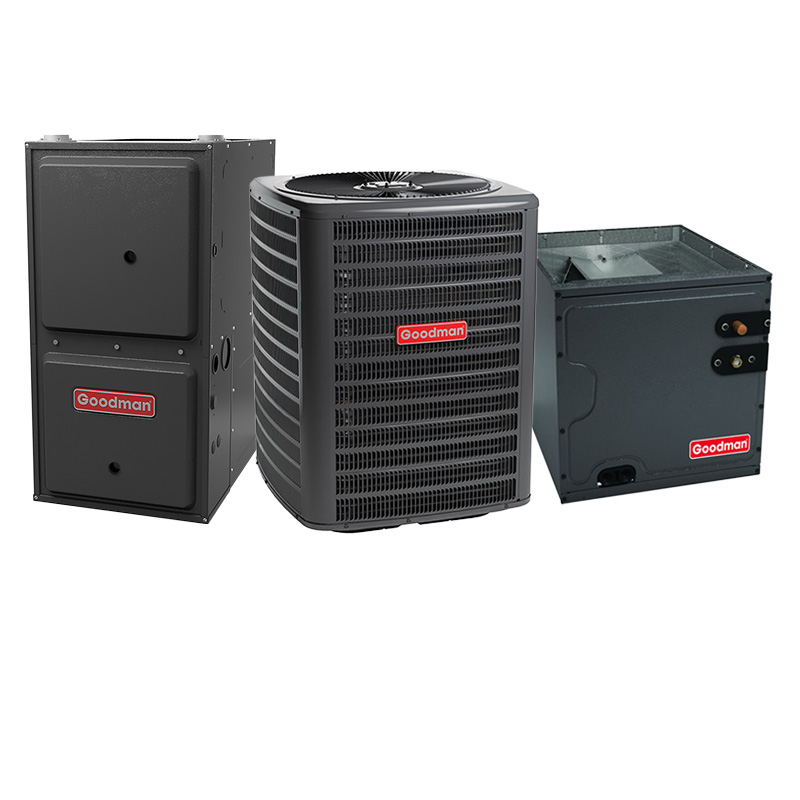
Goodman R32 4 Ton 13.5 SEER2 120000 BTU 80% Two Stage 9-Speed ECM Gas Furnace and Air Conditioner System – Upflow
View on AC Direct see your lowest price →Check current price on AC Direct →
Key features
- 4-ton cooling capacity with 13.5 SEER2 efficiency rating
- 120,000 BTU two-stage gas furnace rated at 80% AFUE
- Nine-speed ECM variable blower motor for quieter, steadier airflow
- R-32 refrigerant with lower global warming potential than R-410A
- Upflow configuration designed for basement or closet installations
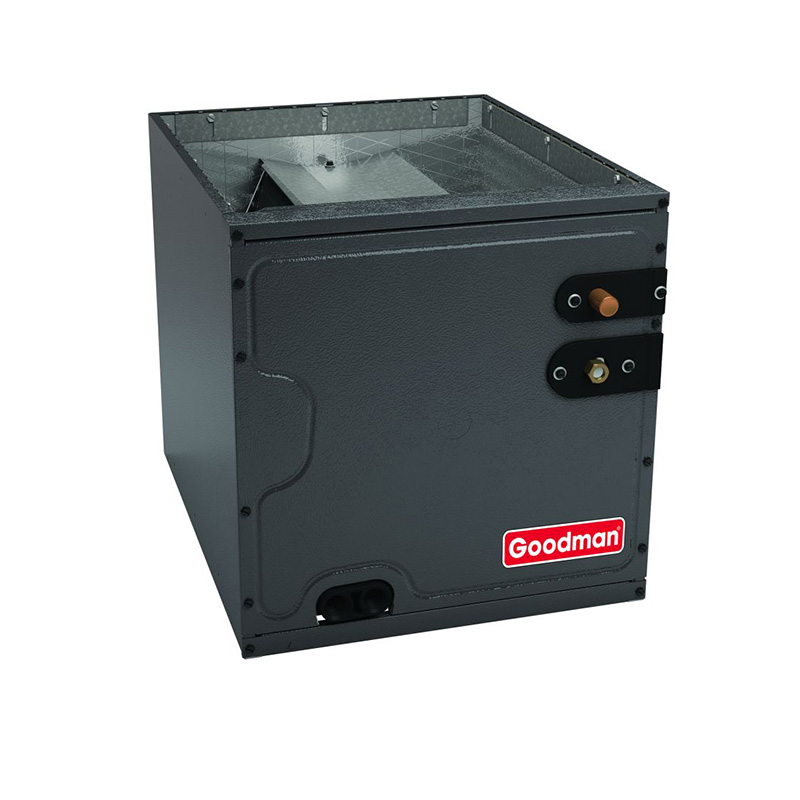
- Matched system design simplifies compatibility and coil selection
About this system
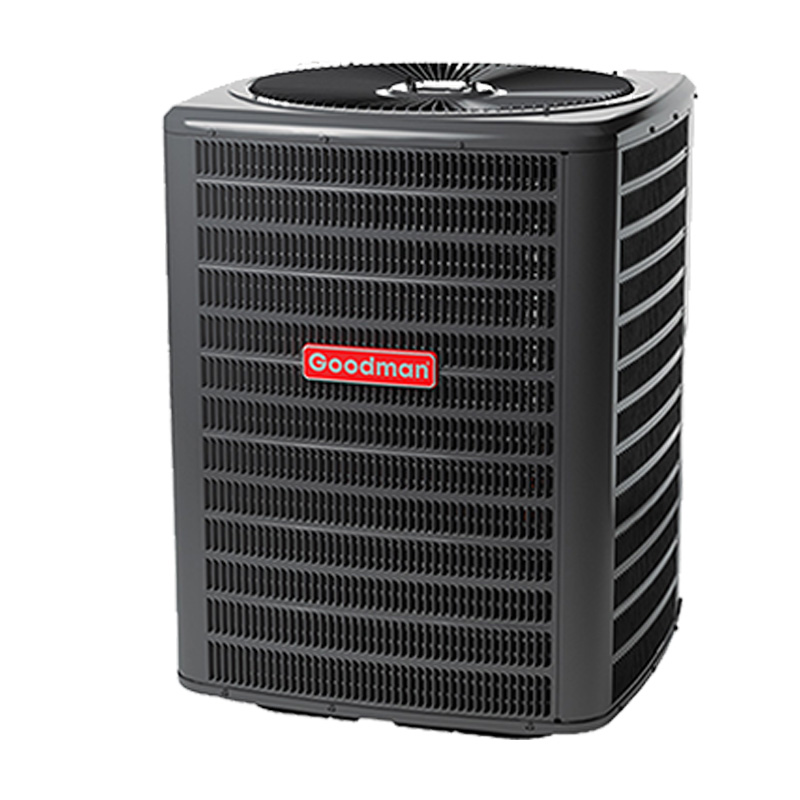
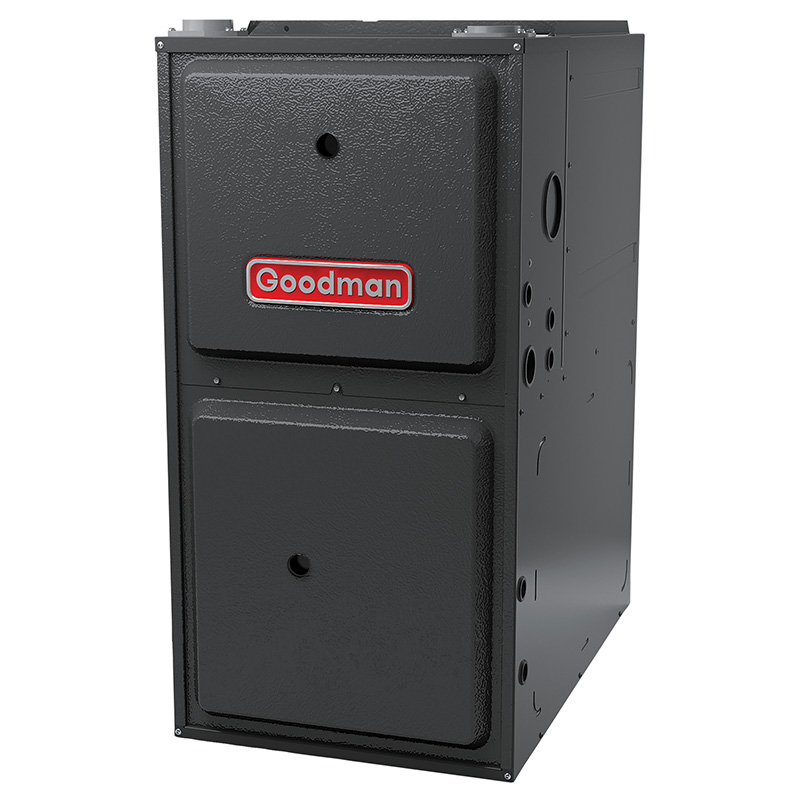
This Goodman bundle pairs a 4-ton, 13.5 SEER2 R-32 central air conditioner with a 120,000 BTU, 80% AFUE two-stage gas furnace in an upflow configuration. The combination targets larger homes, typically in the 2,200 to 2,800 square foot range depending on climate and insulation, where a single-stage system would short-cycle or struggle to maintain even temperatures. Two-stage heating and a nine-speed ECM blower motor work together to run at reduced capacity most of the time, cutting down on the temperature swings and noise associated with systems that only know full-blast or off.
The switch to R-32 refrigerant is a real-world benefit worth noting. R-32 has a lower global warming potential than the R-410A it replaces, and its higher efficiency per unit of refrigerant can make system charging more precise. The trade-off is that R-32 is mildly flammable, which requires technicians who are certified to handle it. Not every service area has that coverage yet, so confirming local availability before purchasing is a practical step. The 13.5 SEER2 rating sits at the federal minimum efficiency tier for most U.S. climate zones, which keeps upfront costs down but means operating costs will be higher over the system’s life compared to 16 SEER2 or better equipment.
As an upflow unit, this furnace is designed for installations where the air handler sits in a basement or utility closet and conditioned air rises through ductwork above it. Buyers with horizontal or downflow duct systems would need a different configuration. Goodman prices this category of equipment roughly 15 to 25 percent below Trane, Carrier, and Lennox systems at similar efficiency, which is the primary reason it consistently shows up on contractor bids for cost-conscious replacement projects.
This Goodman system delivers solid baseline performance and two-stage comfort at a price point that undercuts most name-brand alternatives by a meaningful margin. It is not the most efficient or the longest-lived option on the market, and Goodman's real-world reliability record shows the compressor and coil assembly will need closer attention after the first decade. Buyers who prioritize low upfront cost and have access to a skilled installer will get reasonable value here.
Overall score is the average of the five ratings above.
What we like
- Two-stage operation and nine-speed ECM blower reduce temperature swings compared to single-stage systems
- R-32 refrigerant lowers environmental impact relative to R-410A systems
- Price runs 15 to 25 percent below comparable Trane, Carrier, and Lennox equipment
- Matched air conditioner and furnace simplify parts sourcing and warranty coverage
- 80% AFUE furnace meets efficiency requirements across most U.S. climate zones
Trade-offs
- 13.5 SEER2 is the minimum efficiency tier, so monthly operating costs will exceed those of higher-SEER2 alternatives over the system's life
- Dual-run capacitor failures and evaporator coil leaks are documented recurring issues in owner reviews
- Compressor lifespan averages 10 to 14 years versus 15 to 20 years for premium brands, meaning replacement costs arrive sooner
- R-32 certification requirements limit the pool of technicians who can legally service this system in some markets
What homeowners and pros say about Goodman
Homeowners who have lived with Goodman equipment tend to split into two camps, and both camps are well represented in the data. On ConsumerAffairs, Goodman scores around 2.5 out of 5, a platform that skews toward people motivated to complain, where the recurring theme is repair bills that start climbing after roughly year seven of ownership. The specific failure modes that come up most often are dual-run capacitor replacements, evaporator coil refrigerant leaks, and compressors that begin showing wear in the 10 to 14 year window rather than the 15 to 20 years owners of Trane or Carrier equipment report. On Google, dealer-level reviews average closer to 3.8 out of 5, with affordability being the most frequently cited reason buyers chose Goodman in the first place.
HVAC technicians who work on this system regularly tend to be candid about what the price difference actually buys. Many will say Goodman is a workable product when it is sized correctly, charged properly, and installed by someone who knows what they are doing, but that those conditions are not always met. For this specific system, the R-32 refrigerant adds a layer of complexity: a first-year refrigerant leak is a documented minority outcome across Goodman reviews generally, and technicians consistently attribute it to installation or initial charge errors rather than manufacturing defects. That distinction matters because it points to installer selection as the single most important variable in how this system performs over its life.
Sources: ConsumerAffairs Goodman owner reviews, AHRI Directory of Certified Product Performance, U.S. DOE appliance and equipment efficiency standards, Goodman product specification sheets.
What it costs to run
At 13.5 SEER2, cooling this 4-ton system for a typical 1200-hour cooling season at the U.S. average electricity rate of $0.17/kWh works out to roughly $725 per year in cooling, about $6 less per year than a minimum-efficiency 13.4 SEER2 unit of the same size. Your real cost depends on your climate and local rate.
Method: (48,000 BTU/hr ÷ 13.5 SEER2) × 1200 hours ÷ 1000 × $0.17/kWh. Rate source: U.S. EIA average; cooling hours: moderate-climate estimate.
How it compares
| Brand | Comparable model | SEER2 | Stage | Price position |
|---|---|---|---|---|
| Goodman | 4-Ton 13.5 SEER2 R-32 Two-Stage with 120K BTU 80% Two-Stage ECM Furnace (this system) | 13.5 | Two-stage | Value pick |
| Carrier | Performance 14 Series (24ACC4 / 59TP6) | ~14 | Single-stage | Typically 15 to 25 percent more than this Goodman bundle |
| Trane | XR14 / S8X1 80% Furnace | ~14 | Single-stage | Typically 15 to 25 percent more than this Goodman bundle |
| Lennox | Merit 14ACX / ML180 80% Furnace | ~14 | Single-stage | Typically 15 to 25 percent more than this Goodman bundle |
Competitor rows are comparable single-stage units at similar efficiency; price is relative position, not a quote.
Questions about this system
Is 13.5 SEER2 going to cost me noticeably more to run than a higher-efficiency system?
Yes, over a full cooling season a 13.5 SEER2 system will use more electricity than a 16 or 18 SEER2 unit doing the same work. The gap is most pronounced in hot climates with long cooling seasons. If you run the air conditioner heavily from May through September, stepping up to a higher SEER2 rating can pay back the price difference in reduced utility bills within a few years.
Can any HVAC technician service this system, or does R-32 require special certification?
R-32 is classified as a mildly flammable refrigerant, so technicians need specific training and certification to handle it legally in most jurisdictions. Before purchasing, confirm that licensed R-32-certified contractors are available in your area, because not every market has broad coverage yet.
What is covered under Goodman's warranty for this system, and for how long?
Goodman typically offers a 10-year parts warranty on registered systems, covering components including the compressor, heat exchanger, and coil. Registration must usually be completed within a set window after installation, and the warranty generally requires a licensed contractor installation to remain valid. Review the specific warranty documentation for this bundle before purchase to confirm current terms.
How often do Goodman dual-run capacitors fail, and what does it cost to fix?
Dual-run capacitor failure is the most commonly reported Goodman repair, and it tends to show up across years three through eight of ownership. The repair is straightforward for any HVAC technician and typically runs in the 300 to 600 dollar range including the service call, making it a manageable nuisance rather than a catastrophic expense.
My home is around 2,500 square feet in a mixed climate. Is a 4-ton system the right size?
Tonnage needs depend on more than square footage: ceiling height, insulation quality, window area, local design temperatures, and duct condition all factor in. A proper Manual J load calculation is the only reliable way to confirm that 4 tons is correct for your home. Installing an oversized system leads to short cycling, poor humidity control, and accelerated wear, so skipping the load calculation is a costly shortcut.
Specifications
| Cooling capacity | 4 Ton |
| Efficiency | 13.5 SEER2 |
| Furnace output | 120000 BTU |
| Configuration | Upflow |
| Refrigerant | R-32 |