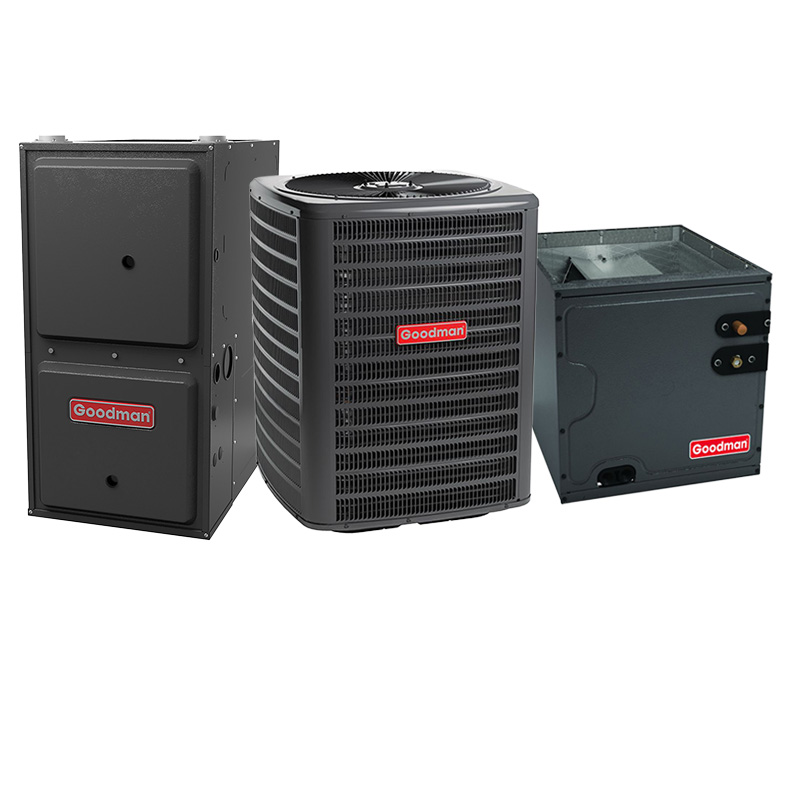
Goodman 2 Ton 14.5 SEER2 R32 AC System with 60,000 BTU 80% AFUE Gas Furnace – California & Colorado Ultra Low NOx, Upflow, Multi-Speed ECM
View on AC Direct see your lowest price →Check current price on AC Direct →
Key features
- 14.5 SEER2 single-stage cooling rated for current federal efficiency standards
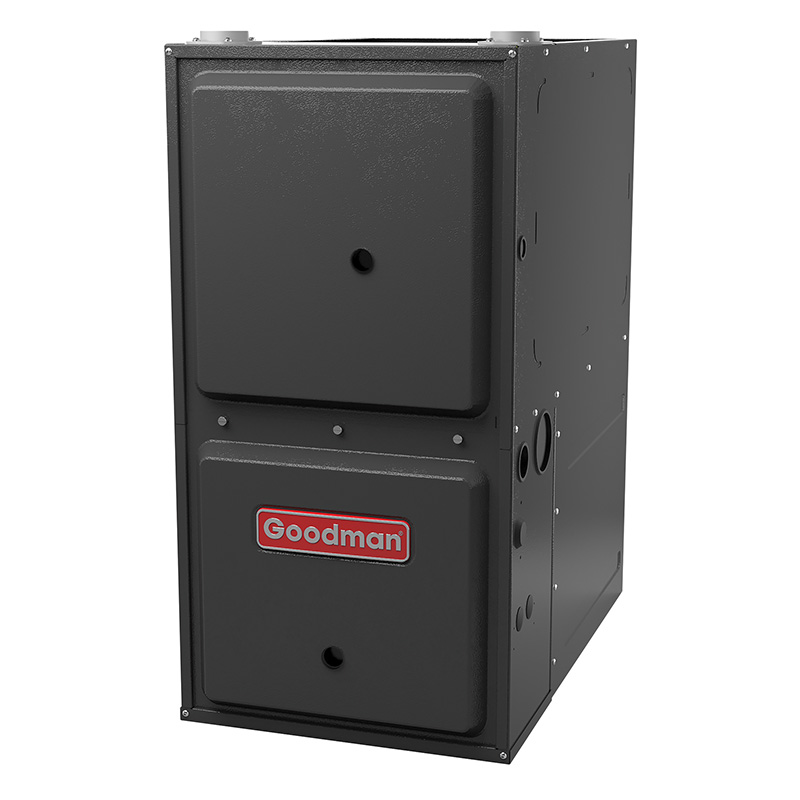
- 60,000 BTU 80% AFUE upflow gas furnace with ultra-low NOx burners for CA and CO compliance
- R-32 refrigerant with lower global warming potential than R-410A
- Multi-speed ECM blower motor for improved humidity control and quieter part-load operation
- Upflow cabinet orientation designed for basement or closet installations with overhead ductwork
- Goodman factory warranty coverage on compressor, heat exchanger, and functional parts
About this system
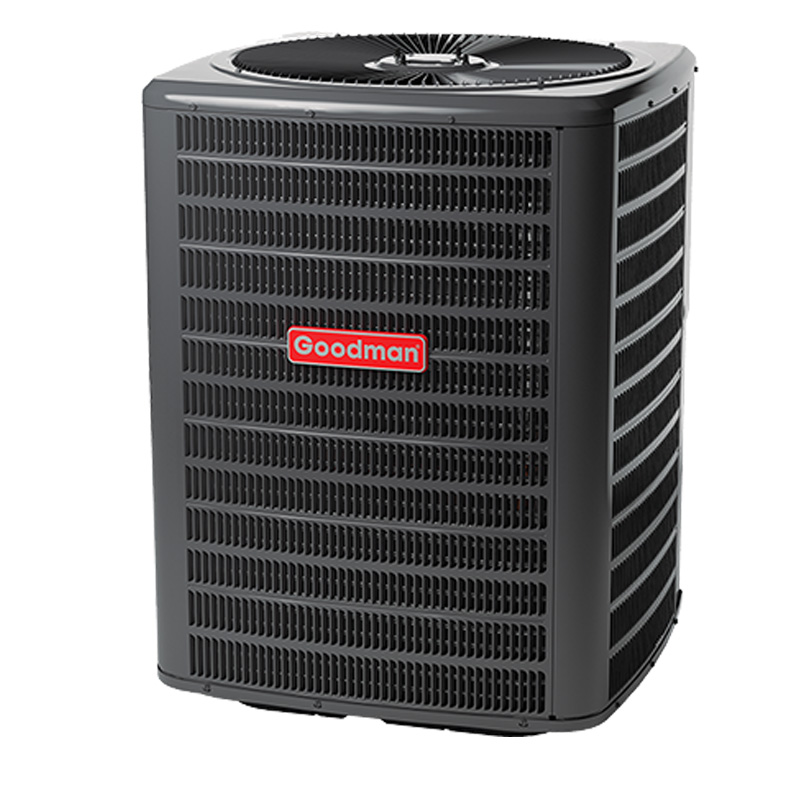
The Goodman 2-ton 14.5 SEER2 R-32 system pairs a straightforward single-stage air conditioner with a 60,000 BTU 80% AFUE upflow gas furnace, making it a practical choice for smaller homes in the 900 to 1,300 square foot range that sit in mild to moderate climates. The 14.5 SEER2 rating clears the current federal minimum efficiency threshold by a modest margin, so you get compliant, functional cooling without paying the premium associated with higher-tier variable-speed systems. The R-32 refrigerant is a step forward environmentally, carrying a lower global warming potential than the R-410A it replaces, and it is the direction the industry is heading regardless of brand.
The furnace side runs at 80% AFUE, meaning 80 cents of every dollar in gas becomes usable heat. That is the baseline efficiency tier and is perfectly reasonable in mild-winter climates or in homes where gas heating costs are already low, but households in colder regions will spend noticeably more on monthly bills compared to a 96% AFUE alternative. The multi-speed ECM blower motor is a genuine advantage at this price point: it ramps airflow up and down to match demand, improves humidity control during the cooling season, and runs quieter at lower speeds than a fixed-speed PSC motor would. The ultra-low NOx configuration is specifically engineered to meet California and Colorado air quality regulations, so this is a required choice rather than an optional upgrade if you are purchasing in those states.
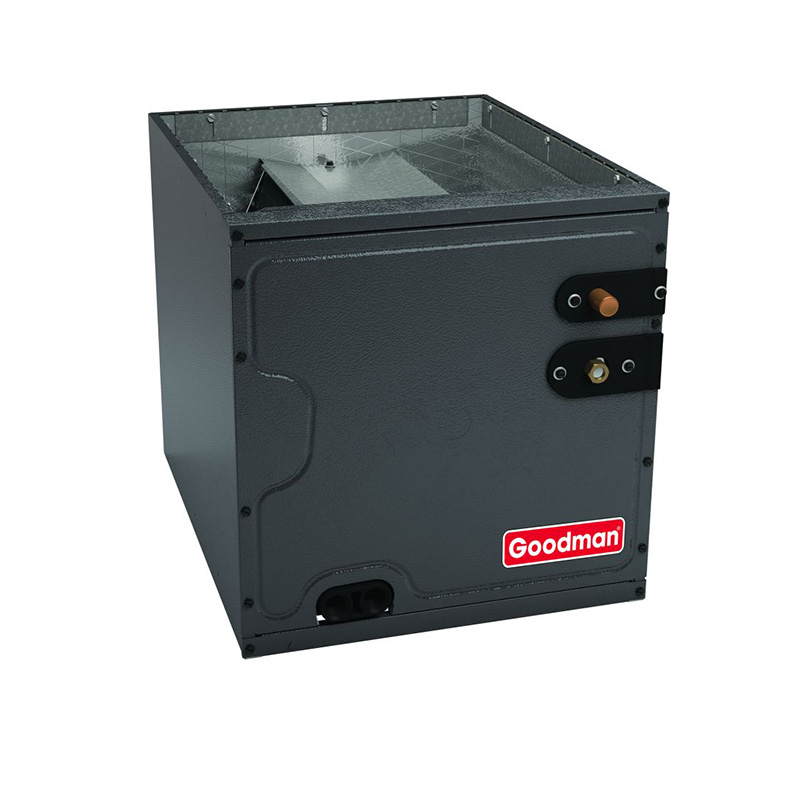
This upflow configuration works best in homes where the furnace sits in a basement, closet, or utility room with ductwork running upward into living spaces. It is not a universal fit, so confirming your home’s duct orientation before purchasing is important. Overall, this system is squarely aimed at cost-conscious homeowners, landlords, or builders who want a code-compliant, functional system without the sticker shock of a premium brand.
This system delivers code-compliant, no-frills heating and cooling at a price point that is hard to argue with for smaller homes or rental properties. The multi-speed ECM motor and R-32 refrigerant are genuine value-adds at this tier, but 80% AFUE and single-stage cooling mean both efficiency and comfort ceiling out well below what a premium or variable-speed system would offer. How long it lasts will depend heavily on who installs it and how well it is maintained.
Overall score is the average of the five ratings above.
What we like
- Purchase price runs 15 to 25 percent below comparable Carrier, Trane, and Lennox equipment
- Multi-speed ECM blower improves humidity management and reduces noise at lower speeds
- R-32 refrigerant is lower-impact environmentally and is the emerging industry standard
- Ultra-low NOx burners satisfy California and Colorado air quality requirements out of the box
- Goodman's wide dealer network makes parts and service broadly accessible across most markets
Trade-offs
- 80% AFUE furnace leaves meaningful efficiency and savings on the table compared to 95 to 96% AFUE options, especially in colder climates
- Single-stage compressor cycles fully on and off, offering less precise temperature and humidity control than two-stage or variable-speed alternatives
- Documented owner reports include evaporator coil leaks and dual-run capacitor failures, with repair costs climbing noticeably after year seven
- Compressor lifespan averages 10 to 14 years in owner experience, shorter than the 15 to 20 years more commonly seen with premium-brand compressors
What homeowners and pros say about Goodman
Goodman sits at a distinct place in the HVAC market: a brand that draws genuinely mixed reactions depending on who you ask and what their expectations were going in. On ConsumerAffairs, Goodman scores around 2.5 out of 5, though that platform skews heavily toward owners who had a frustrating enough experience to seek out a review site, so it reflects the tail of unhappy customers more than the full ownership population. Google dealer reviews land closer to 3.8 out of 5 across a broad range of locations, where the most consistent praise centers on upfront affordability. For this specific R-32 system, that pricing advantage is real and documented: buyers routinely pay 15 to 25 percent less than they would for a comparable Carrier, Trane, or Lennox unit.
HVAC technicians who service Goodman equipment regularly point to dual-run capacitor failures as the most common call they make on these systems, typically a quick fix in the 300 to 600 dollar range. More consequential are the evaporator coil leaks that show up in a meaningful share of longer-term owner accounts, and the fact that Goodman compressors tend to average 10 to 14 years rather than the 15 to 20 years more commonly associated with premium brands. A minority of owners have reported refrigerant leaks within the first year, though technicians generally attribute those to installation or initial charge issues rather than a factory defect. The consistent message from pros is that installation quality matters more with Goodman than with more forgiving premium brands, so choosing an experienced, licensed contractor is not optional if you want this system to reach its potential service life.
Sources: ConsumerAffairs Goodman owner reviews, AHRI Directory of Certified Product Performance, U.S. DOE appliance and equipment efficiency standards, Goodman product specification sheets.
What it costs to run
At 14.5 SEER2, cooling this 2-ton system for a typical 1200-hour cooling season at the U.S. average electricity rate of $0.17/kWh works out to roughly $338 per year in cooling, about $27 less per year than a minimum-efficiency 13.4 SEER2 unit of the same size. Your real cost depends on your climate and local rate.
Method: (24,000 BTU/hr ÷ 14.5 SEER2) × 1200 hours ÷ 1000 × $0.17/kWh. Rate source: U.S. EIA average; cooling hours: moderate-climate estimate.
How it compares
| Brand | Comparable model | SEER2 | Stage | Price position |
|---|---|---|---|---|
| Goodman | GSX15/GMVC8 or equivalent 14.5 SEER2 R-32 package | 14.5 | Single-stage | Value pick |
| Carrier | Comfort 14 (24ACC4) with 58MCA or 58MTA 80% gas furnace | 14 to 15 | Single-stage | Typically 15 to 25 percent more than this Goodman package |
| Trane | XR14c with S8X1 80% upflow gas furnace | 14 to 15 | Single-stage | Typically 15 to 25 percent more than this Goodman package |
| Lennox | Merit ML14XC1 with ML195UH 80% upflow gas furnace | 14 to 15 | Single-stage | Typically 15 to 25 percent more than this Goodman package |
Competitor rows are comparable single-stage units at similar efficiency; price is relative position, not a quote.
Questions about this system
Why does this system specify California and Colorado ultra-low NOx, and do I need that version if I live somewhere else?
California and Colorado have stricter air quality regulations that require gas furnaces to emit significantly less nitrogen oxide than the national standard. This ultra-low NOx version is required for installations in those states and is approved everywhere else, but buyers outside CA and CO can usually purchase a standard NOx model at a similar or slightly lower price. It will not hurt performance to use this version outside those states.
What does the multi-speed ECM blower actually do differently from a standard blower motor?
A standard PSC motor runs at one fixed speed regardless of demand, while the ECM motor adjusts its output to match what the system actually needs at a given moment. In practice this means quieter operation during mild weather, better dehumidification during the cooling season because air moves across the coil more slowly, and lower electricity consumption during blower-only or fan-on operation.
Is 80% AFUE enough for my climate, or should I upgrade to a higher-efficiency furnace?
In mild-winter climates like much of coastal California or the Denver metro's milder zones, 80% AFUE is a reasonable tradeoff given the lower upfront cost. In colder regions or homes that run the furnace heavily from November through March, a 95 to 96% AFUE furnace will typically pay back its price premium through lower gas bills within several years. A local HVAC contractor can estimate that payback period for your specific location and usage.
What are the most common repairs owners have reported with Goodman systems, and what do they cost?
The most frequently documented failure point is the dual-run capacitor, which is a relatively minor fix typically running between 300 and 600 dollars including labor. Evaporator coil leaks appear in a meaningful number of owner reports and are more expensive to address. A minority of owners have reported refrigerant leaks within the first year, which is usually tied to installation or charge issues rather than a manufacturing defect.
Does R-32 refrigerant affect how a technician services this system, and will parts be easy to find?
R-32 requires technicians to use equipment and procedures rated for mildly flammable refrigerants, which most licensed HVAC contractors are already equipped and certified to handle as the industry transitions away from R-410A. Parts for Goodman condensing units and air handlers are widely stocked through distributor networks, and R-32 availability is growing rapidly, so serviceability should not be a concern in most markets.
Specifications
| Cooling capacity | 2 Ton |
| Efficiency | 14.5 SEER2 |
| Furnace output | 60,000 BTU |
| Furnace efficiency | 80% AFUE |
| Configuration | Upflow |
| Refrigerant | R-32 |