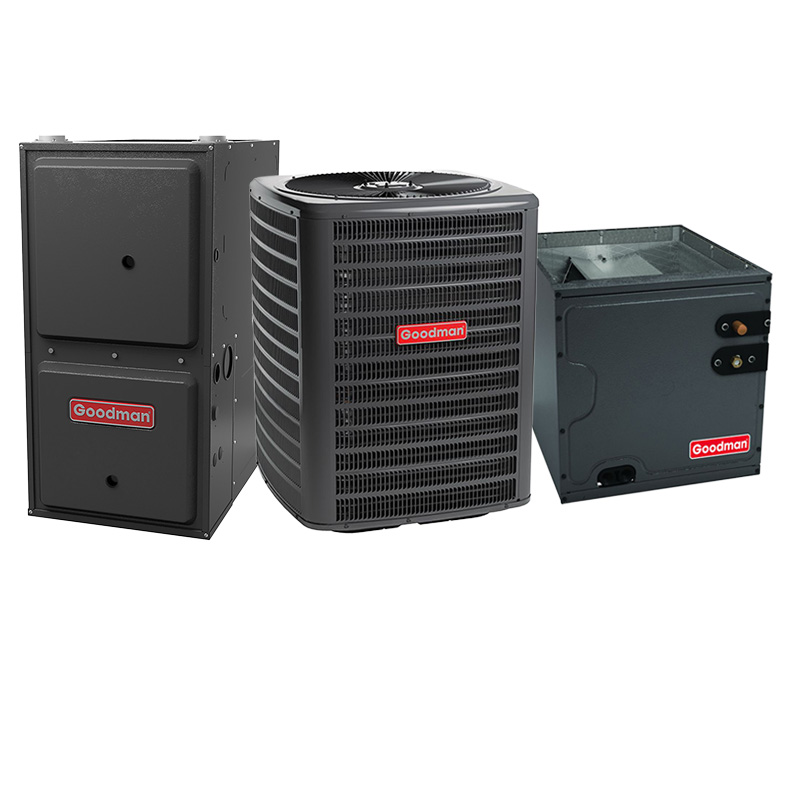
Goodman 3.5 Ton 15.2 SEER2 R32 AC System with 80,000 BTU 80% AFUE Gas Furnace – California & Colorado Ultra Low NOx, Upflow, Multi-Speed ECM
View on AC Direct see your lowest price →Check current price on AC Direct →
Key features
- 15.2 SEER2 cooling efficiency, compliant with current federal minimum standards for most U.S. regions
- 80,000 BTU 80% AFUE gas furnace with Ultra Low NOx burners certified for California and Colorado regulations
- Multi-speed ECM blower motor for quieter operation, better dehumidification, and reduced energy use during part-load conditions
- R-32 refrigerant with lower global warming potential than R-410A, increasingly the industry standard
- Upflow cabinet configuration designed for basement or closet installations with overhead duct systems
- Goodman 10-year parts limited warranty when registered within 60 days of installation by a licensed contractor
About this system
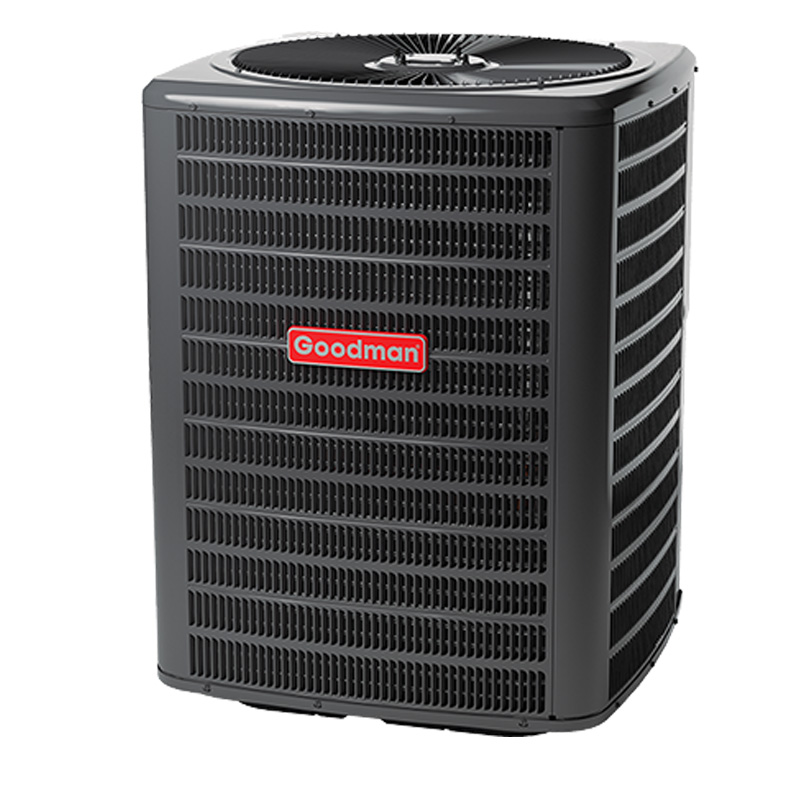
The Goodman 3.5-ton 15.2 SEER2 R-32 air conditioner paired with an 80,000 BTU 80% AFUE gas furnace is a straightforward, upflow split system aimed at homeowners in California and Colorado who need to meet strict Ultra Low NOx emissions requirements without stretching their budget. The 3.5-ton cooling capacity suits homes roughly in the 1,600 to 2,200 square foot range, depending on local climate, insulation quality, and ceiling height. At 15.2 SEER2, the system clears the federal minimum efficiency threshold for most regions but sits at the lower end of the mid-efficiency tier, which means it will cost more to run annually than a 17 or 18 SEER2 unit while still outperforming older 13 SEER equipment.
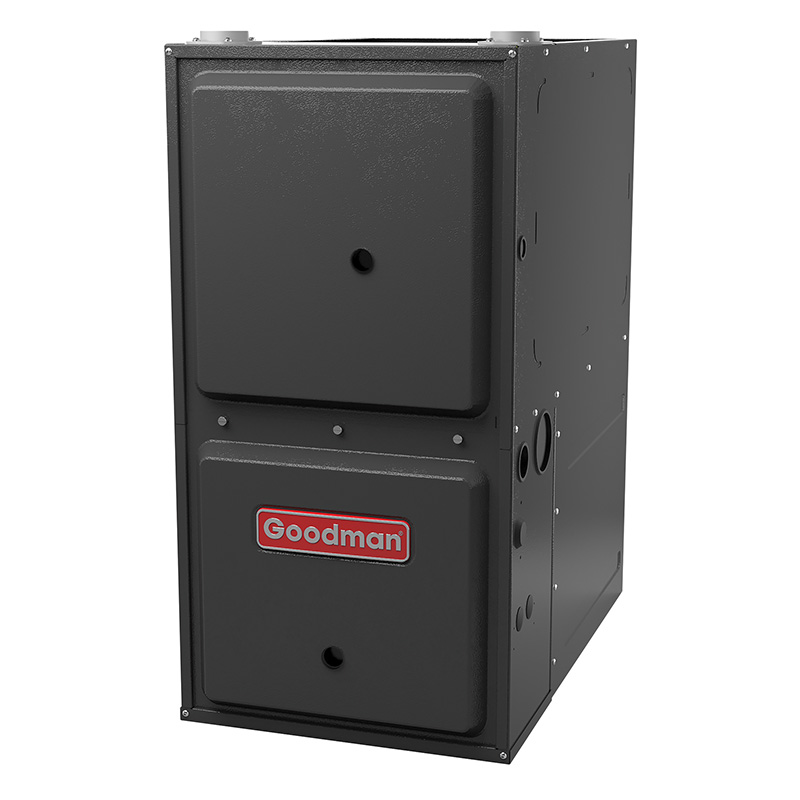
The furnace side of this package delivers 80,000 BTU of heating output at 80% AFUE, meaning roughly 80 cents of every dollar spent on gas becomes usable heat. That is adequate for mild to moderate heating climates but homeowners in mountain-zone Colorado or colder inland California valleys may want to evaluate whether a 96% AFUE option pencils out over time. The multi-speed ECM blower motor is a genuine comfort advantage over single-speed alternatives, improving dehumidification, reducing temperature swings, and running quietly at lower speeds during mild conditions. R-32 refrigerant carries a lower global warming potential than R-410A and is becoming the industry standard, so parts and service availability should remain solid for the system’s lifespan. The upflow configuration requires installation in a basement, utility room, or closet where airflow exits through the top of the cabinet into overhead ductwork.
This Goodman package delivers a compliant, functional system at a price point that is hard to argue with if your priority is keeping upfront costs down and you are working with a skilled installer. The 80% AFUE furnace and 15.2 SEER2 rating are entry-level efficient rather than impressive, and Goodman's documented track record means you should budget for maintenance and potential component replacements in years 7 through 12. It is a reasonable choice for cost-conscious buyers in regulated markets, not a set-and-forget premium install.
Overall score is the average of the five ratings above.
What we like
- Priced roughly 15 to 25 percent below comparable Carrier, Trane, and Lennox systems, lowering the upfront barrier significantly
- Multi-speed ECM blower motor adds real comfort and humidity control that single-speed blowers cannot match at this price
- Ultra Low NOx certification means this unit is ready for sale and installation in California and Colorado without emissions compliance concerns
- R-32 refrigerant is a forward-looking choice with better environmental profile and growing technician familiarity
- 10-year parts warranty when registered provides meaningful protection against parts costs during the first decade
Trade-offs
- 80% AFUE furnace leaves efficiency gains on the table compared to 96% AFUE alternatives, adding up in colder climates over a 15-year lifespan
- Dual-run capacitor failures are the most commonly reported issue and typically begin appearing after year 5 to 7, adding recurring service calls
- Compressor lifespan averages 10 to 14 years versus 15 to 20 years for premium brands, meaning replacement may arrive sooner than expected
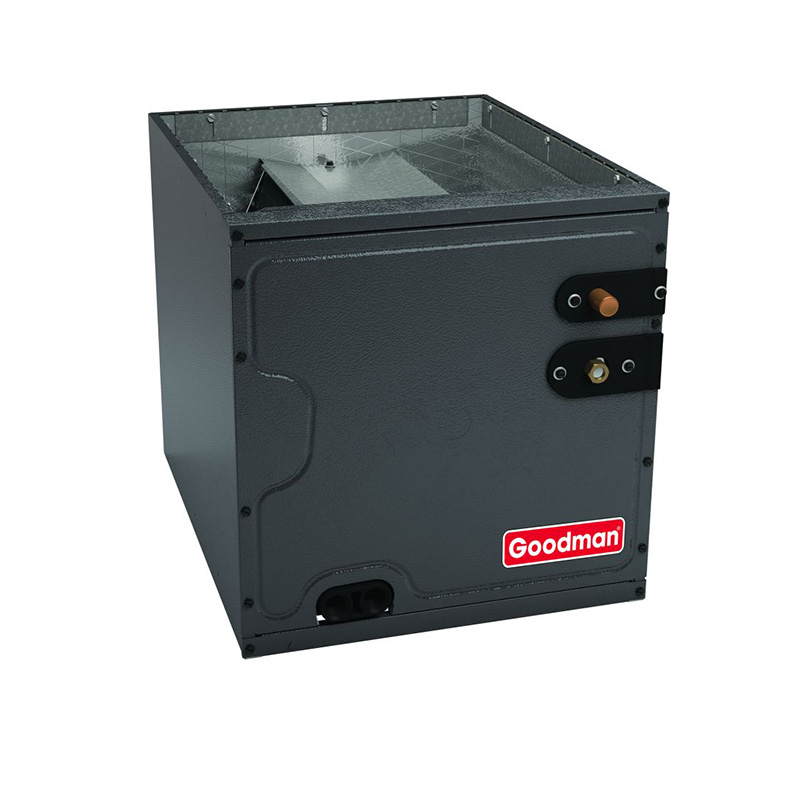
- Evaporator coil leaks appear in a meaningful share of owner reviews, and a minority report refrigerant issues within the first year that often trace back to installation quality
What homeowners and pros say about Goodman
Goodman holds a ConsumerAffairs rating of roughly 2.5 out of 5, though it is worth noting that platform draws a disproportionate share of frustrated owners rather than satisfied ones. The recurring pattern in those reviews is equipment performing adequately for the first several years before repair costs begin climbing around year 7, with capacitor replacements and coil issues cited most frequently. Google dealer reviews tell a more balanced story, averaging around 3.8 out of 5 across dealer locations, where affordability is the most common compliment and installation experience is the most common differentiator between happy and unhappy owners. HVAC technicians often point out that Goodman’s performance is unusually dependent on install quality, more so than premium brands that are more forgiving of minor setup variations.
For this specific 3.5-ton R-32 package, the conversation among experienced installers tends to center on two documented failure modes to watch for: dual-run capacitors, which are the most commonly reported component failure and typically a manageable 300 to 600 dollar fix when they do go, and evaporator coil leaks, which appear in a meaningful share of long-term owner reviews and are costlier to resolve. Compressor longevity is the other honest conversation, with Goodman units averaging roughly 10 to 14 years of compressor life compared to the 15 to 20 years more commonly seen with Trane, Lennox, and Carrier equipment. None of that disqualifies this system at its price point, but buyers who go in with realistic expectations and a solid installer tend to be far more satisfied with the outcome than those who treat the lower price as a sign of equivalent long-term performance.
Sources: ConsumerAffairs Goodman owner reviews, AHRI Directory of Certified Product Performance, U.S. DOE appliance and equipment efficiency standards, Goodman product specification sheets.
What it costs to run
At 15.2 SEER2, cooling this 3.5-ton system for a typical 1200-hour cooling season at the U.S. average electricity rate of $0.17/kWh works out to roughly $564 per year in cooling, about $75 less per year than a minimum-efficiency 13.4 SEER2 unit of the same size. Your real cost depends on your climate and local rate.
Method: (42,000 BTU/hr ÷ 15.2 SEER2) × 1200 hours ÷ 1000 × $0.17/kWh. Rate source: U.S. EIA average; cooling hours: moderate-climate estimate.
How it compares
| Brand | Comparable model | SEER2 | Stage | Price position |
|---|---|---|---|---|
| Goodman | GSXH5 / GMVC8 series (this system) | 15.2 | Single-stage / Multi-speed ECM | Value pick |
| Carrier | Comfort 24ACC6 series | 15.2 | Single-stage | Typically 15 to 25 percent more than this Goodman system |
| Trane | XR15 series | 15.0 to 16.0 | Single-stage | Typically 15 to 25 percent more than this Goodman system |
| Lennox | Merit ML15 series | 15.0 to 15.5 | Single-stage | Typically 15 to 25 percent more than this Goodman system |
Competitor rows are comparable single-stage units at similar efficiency; price is relative position, not a quote.
Questions about this system
Does this system actually meet California and Colorado Ultra Low NOx requirements, or do I need to verify with my installer?
Yes, this specific configuration is built with Ultra Low NOx burners that meet the stricter emissions standards enforced in California Air Quality Management Districts and Colorado. That said, local jurisdictions can vary, so it is worth confirming with your installer that the model number on the unit matches what your AHJ requires before the permit is pulled.
Is 80% AFUE good enough for Colorado winters, or should I be looking at a higher-efficiency furnace?
At 80% AFUE, approximately 20% of the gas you burn exits through the flue as exhaust rather than heating your home. In the Denver metro area or Front Range foothills, that gap versus a 96% AFUE unit can add up to meaningful annual savings depending on your gas rate and how many heating degree days your location sees. If you are in a high-altitude or colder Colorado zone, running the numbers on a 96% AFUE alternative before committing is a reasonable step.
How much should I budget for maintenance and repairs over the first 10 years?
Plan for annual tune-ups in the 100 to 200 dollar range. The most commonly reported repair on Goodman equipment is a dual-run capacitor failure, which typically runs 300 to 600 dollars including labor and often shows up after year 5 to 7. Evaporator coil leaks are a documented failure mode that can cost significantly more to address, so keeping the 10-year parts warranty active through proper registration is important.
What does the upflow configuration mean for where this system can be installed in my home?
Upflow means the furnace draws return air in at the bottom of the cabinet and discharges conditioned air out the top into the supply ductwork above it. This configuration works well in basements, utility closets, or dedicated mechanical rooms where overhead ductwork is present. It is not suitable for attic installations or applications where airflow needs to exit the bottom or side of the unit.
Can any licensed HVAC contractor install R-32 equipment, or does my technician need special certification?
R-32 requires technicians to hold an EPA Section 608 certification, which most licensed HVAC contractors already carry. However, R-32 is mildly flammable (classified A2L), so some contractors may require additional training or specific tools before they are comfortable working with it. It is worth confirming your installer has current R-32 experience before scheduling.
Specifications
| Cooling capacity | 3.5 Ton |
| Efficiency | 15.2 SEER2 |
| Furnace output | 80,000 BTU |
| Furnace efficiency | 80% AFUE |
| Configuration | Upflow |
| Refrigerant | R-32 |