Mitsubishi 24000 BTU Single Zone Mini Split Heat Pump AC System | Up To 22.6 SEER2 | Light Commercial | Choose Your Indoor Unit | R454B
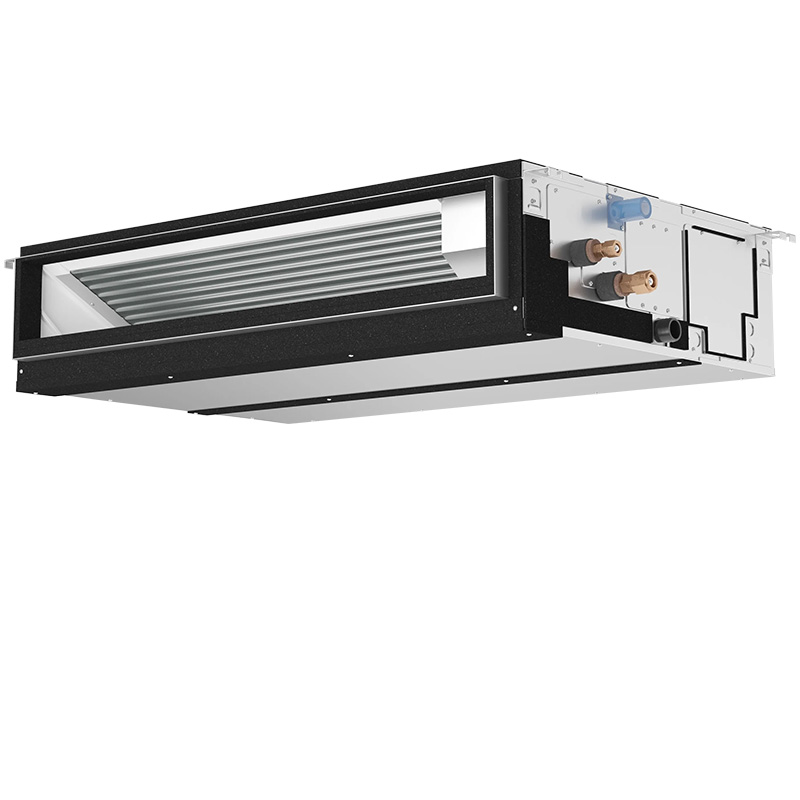
View on AC Direct see your lowest price →Check current price on AC Direct →
Key features
- Up to 22.6 SEER2 inverter-driven heat pump rated for high-efficiency operation
- 24,000 BTU (2-ton class) capacity suited to large rooms and light-commercial spaces
- Single-zone configuration connects one outdoor unit to one indoor air handler
- R-454B refrigerant with lower global warming potential than legacy R-410A
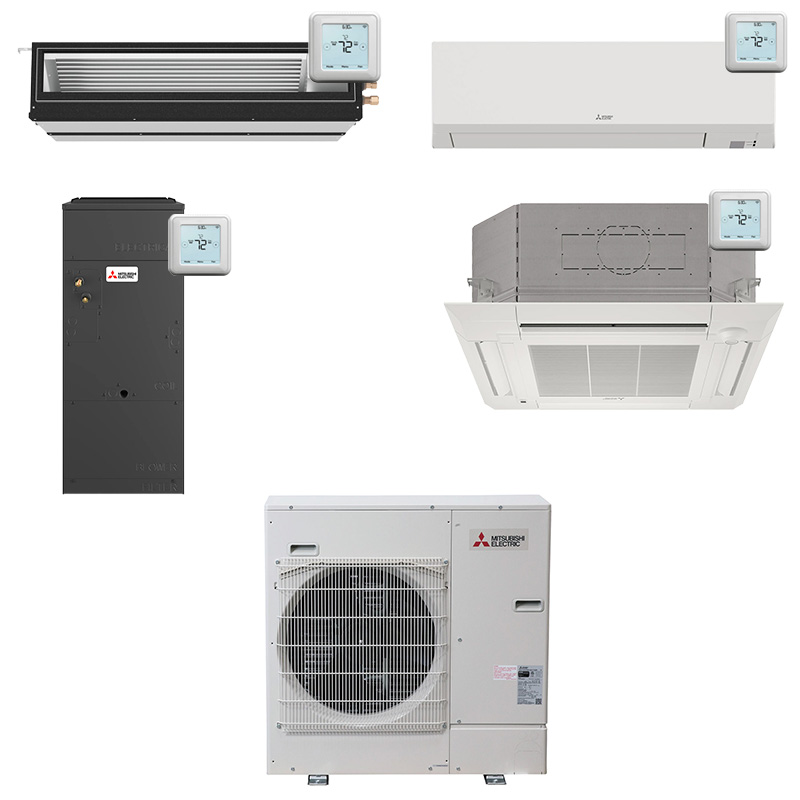
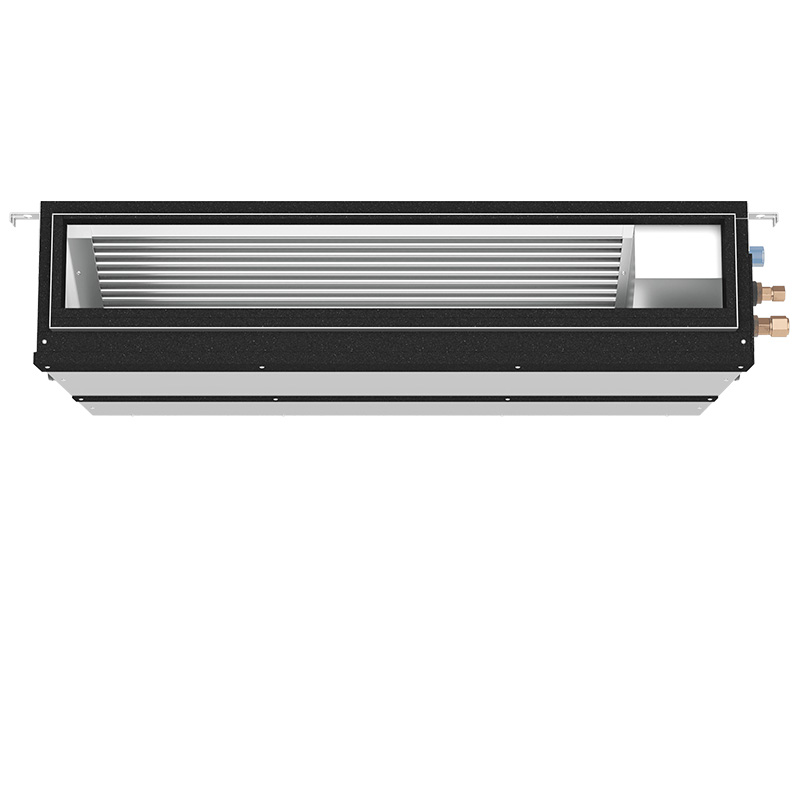
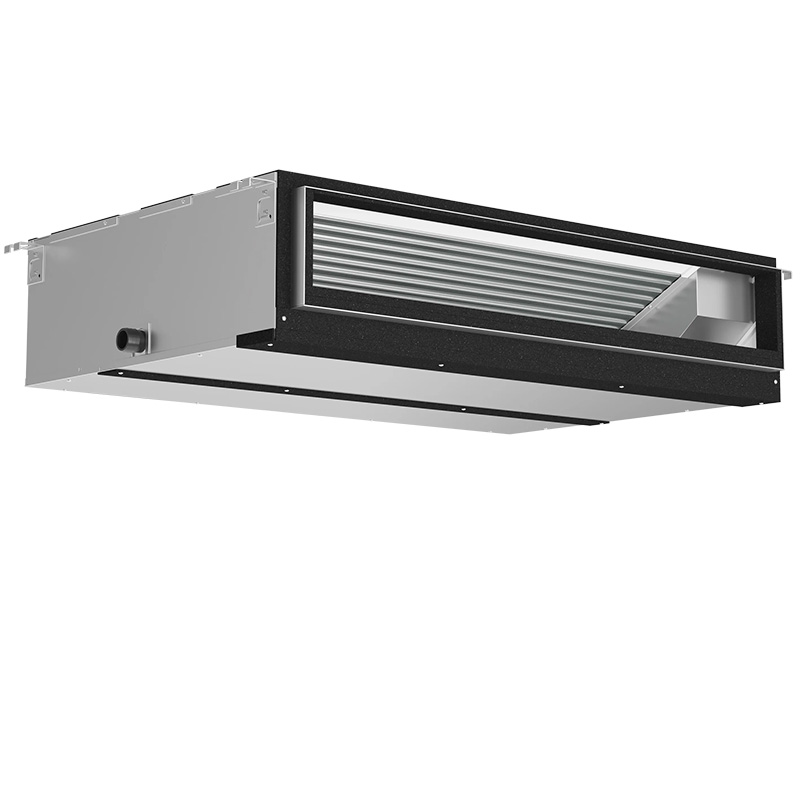
- Compatible with multiple indoor unit styles: wall-mount, cassette, or concealed ducted
- Qualifies for 12-year parts and compressor warranty when installed by a Mitsubishi Diamond contractor
About this system
The Mitsubishi 24,000 BTU single-zone mini-split heat pump is a light-commercial and large-residential system built around Mitsubishi’s inverter-driven compressor technology and rated at up to 22.6 SEER2, placing it firmly in the high-efficiency tier. Running on R-454B refrigerant, which has a significantly lower global warming potential than the R-410A it replaces, this system is positioned for buyers who want a future-ready installation. The 24,000 BTU capacity covers roughly 1,000 to 1,500 square feet of well-insulated space, or smaller footprints with high ceilings, open layouts, or demanding heat loads common in retail, studio, or server-adjacent environments.
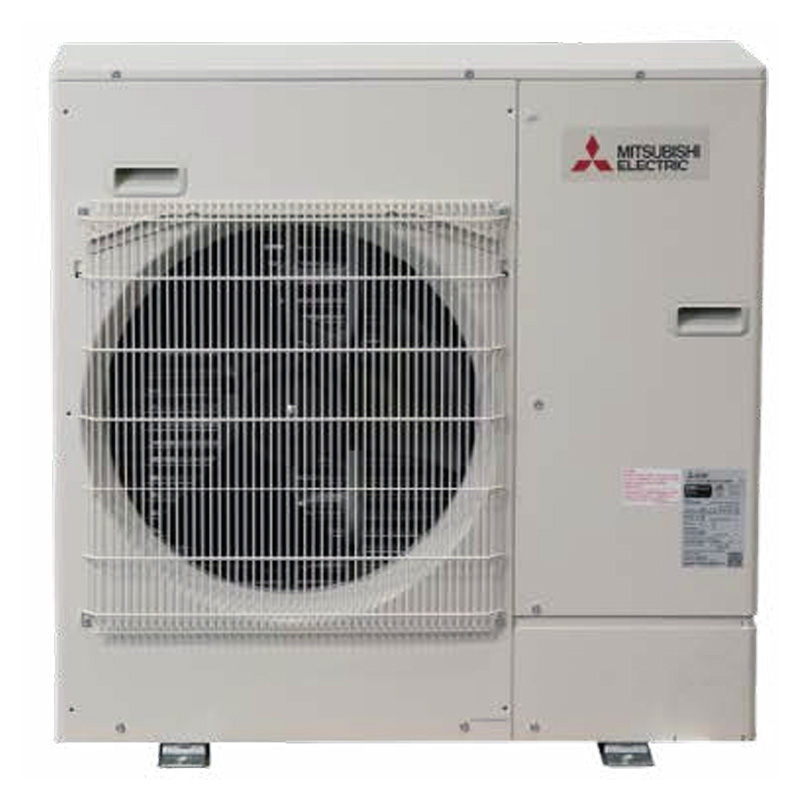
Because this is a single-zone configuration, one outdoor condensing unit connects to one indoor air handler, keeping installation straightforward relative to multi-zone setups and avoiding the mode-conflict limitations that affect Mitsubishi’s multi-zone lineups. The “choose your indoor unit” format means the buyer selects the air handler style, such as wall-mount, ceiling cassette, or ducted concealed, to match the space. That flexibility is genuinely useful in light-commercial contexts where ceiling height, aesthetics, and airflow direction vary. Buyers should factor the indoor unit cost and the required professional installation into the total budget, as neither is included in the base system price.
This Mitsubishi single-zone system delivers genuinely top-tier efficiency and the brand's well-documented quiet, reliable operation, making it a strong choice for buyers who can absorb a premium upfront cost and commit to annual maintenance. The 12-year warranty is competitive but comes with strings attached, including certified-contractor installation and documented slow warranty support. At this capacity and efficiency level it is one of the better ductless options available, though not the only one.
Overall score is the average of the five ratings above.
What we like
- 22.6 SEER2 rating puts annual energy costs near the top of the ductless category
- Inverter compressor modulates output continuously, reducing cycling noise and wear
- Single-zone setup sidesteps the mode-conflict issue documented in Mitsubishi multi-zone systems
- Owners consistently report 15 to 20 year lifespans with regular maintenance
- R-454B refrigerant future-proofs the install against tightening environmental regulations
Trade-offs
- Premium brand pricing means higher upfront cost than comparable Daikin or LG units at similar SEER2
- 12-year warranty requires a certified Diamond contractor install, adding to initial cost and limiting installer choice
- A minority of owners report early compressor failures, and labor is not covered under warranty, making out-of-pocket repair costs significant
- Indoor blower and evaporator coil require cleaning at minimum once a year or efficiency and airflow drop measurably
What homeowners and pros say about Mitsubishi
Across owner forums and aggregated reviews, Mitsubishi’s ductless systems earn consistent praise for quiet operation and long service life, with EnergySage and owner-sourced reviews repeatedly citing reliability and efficiency as the standout strengths. At the same time, the Better Business Bureau record for Mitsubishi Electric shows a mixed pattern: strong product satisfaction alongside recurring complaints about slow warranty response times and the difficulty of getting timely technical support when something does go wrong. For a single-zone system at this price point, that support friction is worth weighing seriously, particularly because labor is excluded from the warranty and a compressor replacement without labor coverage represents a significant out-of-pocket expense.
HVAC technicians who work on Mitsubishi equipment frequently note that the hardware is genuinely well-engineered, but they also flag the documented failure modes buyers should know about. A minority of units see early compressor failures, and when they occur the labor exclusion stings. Blower wheel and evaporator coil fouling is the most common service call on these systems, almost always tied to skipped annual maintenance rather than a product defect. Technicians also note that Mitsubishi’s single-zone systems do not carry the mode-conflict limitation documented in multi-zone lineups, where each indoor head must be set to the same mode simultaneously. On a single-zone install like this one, that issue is not a factor, which simplifies day-to-day operation considerably.
Sources: EnergySage Mitsubishi heat pump review, AHRI Directory of Certified Product Performance, U.S. DOE appliance and equipment efficiency standards, Mitsubishi Electric product specifications.
How it compares
| Brand | Comparable model | SEER2 | Stage | Price position |
|---|---|---|---|---|
| Mitsubishi | MSZ/MXZ Single-Zone 24,000 BTU (this system) | 22.6 | Variable-speed inverter | Value pick at the premium tier |
| Daikin | Aurora Series 24,000 BTU Single-Zone | 20.5 | Variable-speed inverter | Slightly lower than this Mitsubishi system at comparable capacity |
| Fujitsu | XLTH Series 24,000 BTU Single-Zone | 21.3 | Variable-speed inverter | Generally comparable to or slightly below this Mitsubishi system |
| LG | LMU/LAN Art Cool Premier 24,000 BTU Single-Zone | 20.5 | Variable-speed inverter | Typically priced below this Mitsubishi system, often meaningfully so |
Competitor rows are comparable single-stage units at similar efficiency; price is relative position, not a quote.
Questions about this system
Does the 12-year warranty apply automatically, or do I need to do something to activate it?
The 12-year parts and compressor warranty requires installation by a Mitsubishi Diamond contractor and product registration within the specified window after installation. Standard installations by non-certified technicians typically receive a shorter base warranty, so confirming your installer's Diamond status before hiring them matters.
What indoor unit styles are compatible, and does the choice affect efficiency?
Mitsubishi offers wall-mount, ceiling cassette, floor-console, and concealed ducted air handlers for single-zone systems at this capacity. The rated 22.6 SEER2 figure applies to specific pairings, so you should verify the efficiency rating of your chosen outdoor-plus-indoor combination, as not every pairing achieves the top-rated efficiency.
Can this system both heat and cool, and how cold can it operate in heat mode?
Yes, it is a heat pump that provides both heating and cooling. Mitsubishi's Hyper-Heat models in this class maintain meaningful heating output at outdoor temperatures well below freezing, though the exact low-ambient rating depends on which specific outdoor unit model is included. Confirm the model's heating capacity at your local design temperature before purchasing if heating is a primary need.
Labor is not covered under warranty. What does that mean financially if the compressor fails?
If the compressor fails within the warranty period, Mitsubishi covers the replacement part but not the technician's time or refrigerant recovery and recharge costs. In practice, labor for a compressor swap on a 24,000 BTU system can be substantial, so some owners add an extended labor warranty through their installer or a third-party plan to close that gap.
How often does the indoor unit actually need to be cleaned, and what happens if I skip it?
Mitsubishi and independent HVAC technicians generally recommend cleaning the indoor blower wheel and evaporator coil at least once a year, more often in dusty or high-use environments. Skipping cleaning allows debris buildup that restricts airflow, reduces cooling and heating capacity, raises energy consumption, and can eventually lead to coil freeze-ups or mold growth inside the unit.
Specifications
| Efficiency | 22.6 SEER2 |
| Furnace output | 24000 BTU |
| Refrigerant | R-454B |