Mitsubishi 36000 BTU Mini Split Heat Pump AC Wall Mount Indoor Unit System | 18.5 SEER2 Single Zone | GX Series | R454B
View on AC Direct see your lowest price →Check current price on AC Direct →
Key features
- 36,000 BTU single-zone wall-mount heat pump for both heating and cooling
- 18.5 SEER2 inverter-driven efficiency using R-454B low-GWP refrigerant
- Variable-speed compressor modulates output to match load rather than cycling on and off
- Operates as a heat pump, providing heating without resistance electric strips
- 12-year parts and compressor warranty when installed by a Mitsubishi Diamond contractor
- Single-zone design avoids the multi-head mode-conflict limitation found in multi-zone systems
About this system
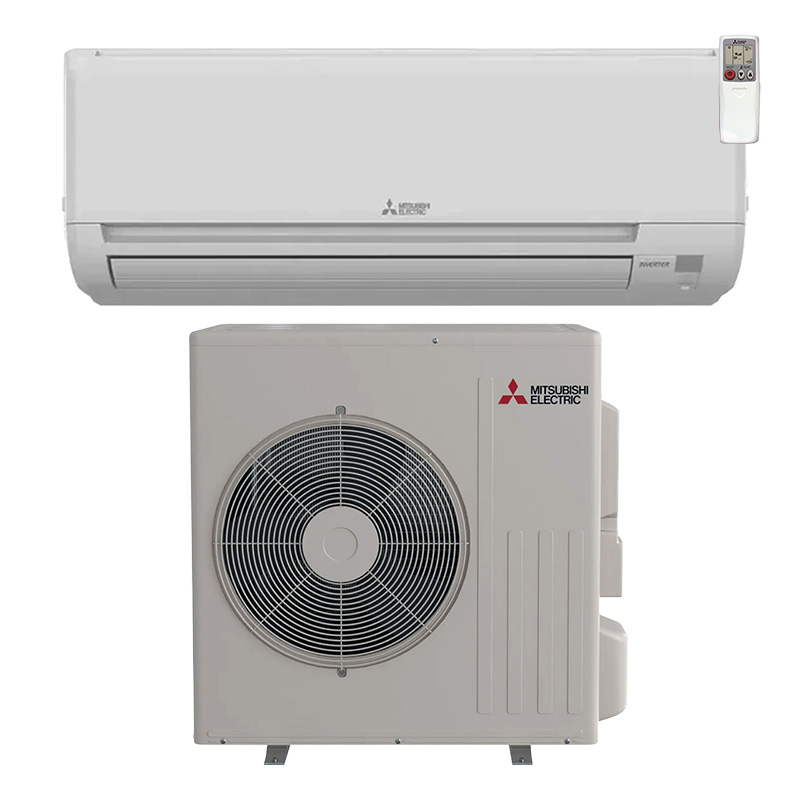
The Mitsubishi GX Series 36,000 BTU single-zone mini split is a wall-mount heat pump system designed to condition large rooms, open-concept living areas, or studio and loft spaces up to roughly 1,500 square feet depending on insulation and climate. Running on R-454B refrigerant, a lower-GWP successor to R-410A, it meets current environmental guidelines and is positioned for the next phase of refrigerant regulations. At 18.5 SEER2, this unit sits in the upper-mid tier of efficiency for a 3-ton-class ductless system, delivering real energy savings over conventional central air without reaching the premium SEER2 numbers of Mitsubishi’s own Hyper-Heating or top-line P-Series models.
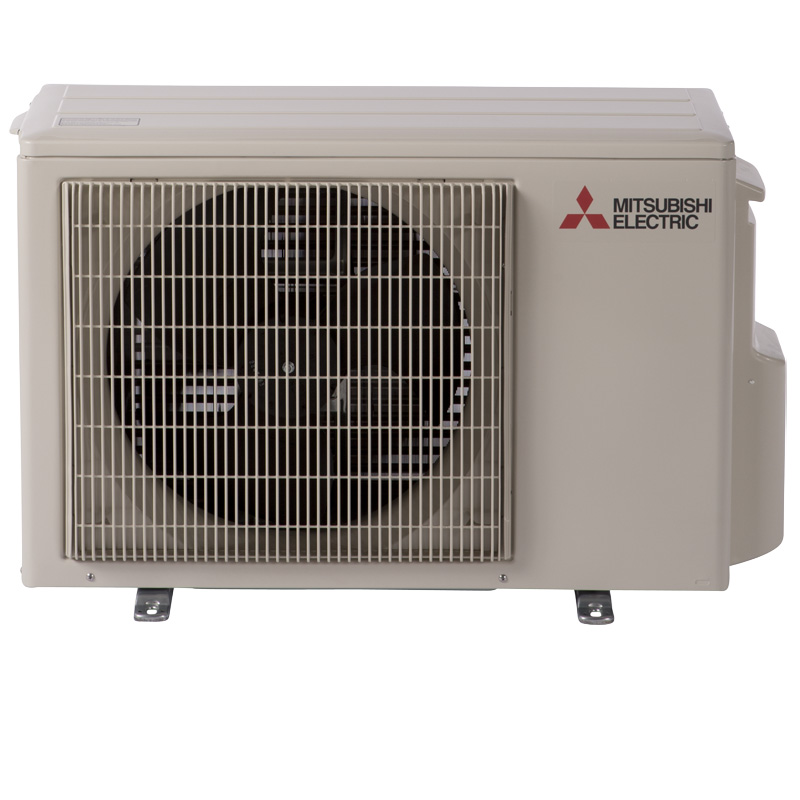
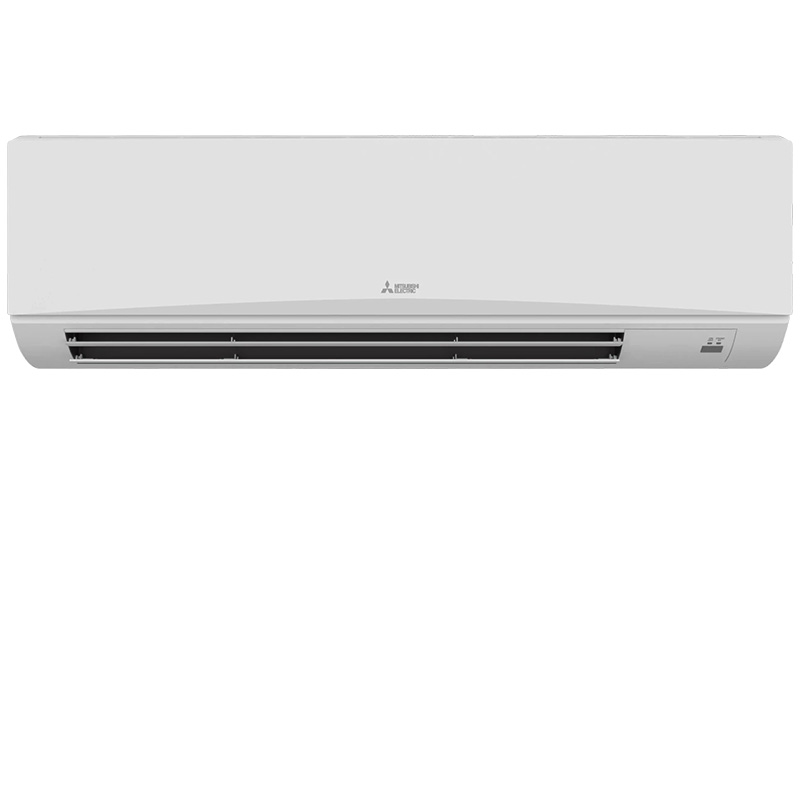
Single-zone configuration means one outdoor condensing unit pairs with this one indoor wall-mount head, which simplifies installation, avoids the zone-coordination issues found in multi-zone setups, and generally keeps operating costs predictable. The GX Series is Mitsubishi’s entry point into the ductless category under the Mitsubishi brand umbrella, offering the company’s well-regarded inverter compressor technology and quiet indoor operation at a lower price than the more feature-rich MZ or MSZ-FS lines. It suits homeowners adding comfort to a room the central system misses, landlords conditioning a large ADU or garage apartment, or anyone replacing window units with something quieter, more efficient, and more discreet.
The Mitsubishi GX Series 36,000 BTU delivers the quiet, reliable performance the brand is known for at an efficiency level that justifies the premium over budget brands, though it does not hit the top-tier SEER2 numbers of Mitsubishi's own higher lines. It is a strong choice for a permanent, single-zone installation where low noise and long service life matter more than the lowest possible purchase price. The 12-year warranty is compelling but comes with the real condition that a certified Diamond contractor must do the work, which adds to upfront cost.
Overall score is the average of the five ratings above.
What we like
- Mitsubishi inverter compressor technology is well-documented at 15 to 20 year lifespans with proper maintenance
- 18.5 SEER2 provides meaningful energy savings over standard efficiency and older window units
- Single-zone setup avoids the documented multi-zone limitation where all heads must be set to the same mode
- Quiet indoor operation consistently cited as a top strength in owner and EnergySage reviews
- R-454B refrigerant is forward-compatible with tightening environmental regulations
Trade-offs
- Premium brand pricing means a higher upfront cost than comparable-BTU units from LG or budget ductless brands
- Full 12-year warranty requires a Mitsubishi Diamond contractor install, adding labor cost and limiting installer choice
- A minority of owners have reported early compressor failures, and labor is not covered under warranty, leaving a potentially large out-of-pocket repair bill
- Indoor blower and evaporator coil require cleaning at least once a year or efficiency and airflow drop noticeably
What homeowners and pros say about Mitsubishi
Owners and HVAC professionals consistently point to Mitsubishi as one of the most reliable ductless brands available in the North American market. EnergySage reviewers and aggregated owner feedback highlight quiet indoor operation, consistent temperatures, and longevity as the reasons people pay the brand premium. The Better Business Bureau picture is more complicated: product satisfaction is high, but a notable share of complaints center on slow warranty response times and difficulty getting Mitsubishi’s support team engaged when problems arise, a pattern worth knowing before you need service. For a 36,000 BTU unit running hard in a large space, these service delays can mean real downtime.
On the technical side, the documented failure modes for Mitsubishi ductless systems are worth understanding. A minority of owners have experienced early compressor failures, and because labor is excluded from the warranty, that situation becomes costly even when the part itself is covered. The indoor blower wheel and evaporator coil on wall-mount units like this one are known to accumulate dust and biological growth if annual cleaning is skipped, leading to reduced airflow and efficiency. These are not reasons to avoid the brand but are reasons to budget for annual professional maintenance and to clarify labor coverage with your installer before the job starts.
Sources: EnergySage Mitsubishi heat pump review, AHRI Directory of Certified Product Performance, U.S. DOE appliance and equipment efficiency standards, Mitsubishi Electric product specifications.
How it compares
| Brand | Comparable model | SEER2 | Stage | Price position |
|---|---|---|---|---|
| Mitsubishi | GX Series 36,000 BTU (MSY/MUY-GX36NA) | 18.5 | Variable | Value pick |
| Daikin | Aurora 36,000 BTU (RXL36QMVJU / FTXL36QMVJU) | 18.0 | Variable | Slightly lower than this Mitsubishi |
| Fujitsu | Halcyon XLTH 36,000 BTU (AOU36RLXFZH / ASU36RLXFZ) | 18.0 | Variable | Comparable to or slightly above this Mitsubishi |
| LG | Art Cool Premier 36,000 BTU (LSU360HV4 / LA360HV4) | 18.0 | Variable | Typically lower than this Mitsubishi |
Competitor rows are comparable single-stage units at similar efficiency; price is relative position, not a quote.
Questions about this system
Does this 36,000 BTU unit require a Diamond contractor installation to get the 12-year warranty?
Yes. Mitsubishi's 12-year parts and compressor warranty on GX Series equipment is only activated when a certified Mitsubishi Diamond contractor registers the installation. If a non-certified installer does the work, you typically fall back to a shorter standard warranty period, so it is worth confirming your installer's Diamond status before signing a contract.
Can this single-zone system heat and cool, and how well does it perform in cold weather?
It operates as a heat pump in both heating and cooling modes. The GX Series is not Mitsubishi's Hyper-Heating (H2i) line, so heating capacity and efficiency will drop more noticeably at low outdoor temperatures, typically below 20 to 25 degrees Fahrenheit, compared to the MSZ-FH or MSZ-FS models. For climates with prolonged hard winters, the H2i-rated lines are worth considering instead.
What does it cost to run a 36,000 BTU mini split at 18.5 SEER2 compared to a window unit?
A comparably sized window unit typically rates between 10 and 12 SEER (older EER-based rating), so at 18.5 SEER2 this system can use roughly 30 to 40 percent less electricity for the same cooling output, depending on conditions. Exact savings depend on your local utility rate and how many hours per year the system runs.
How often does the indoor unit need to be cleaned, and what happens if I skip it?
Mitsubishi and independent HVAC technicians recommend cleaning the indoor blower wheel and evaporator coil at least once a year. Skipping this allows dust and mold buildup that reduces airflow, drops efficiency, can cause odors, and in worst cases leads to frozen coils or compressor strain. At 36,000 BTU the blower is moving a large volume of air, so the coil and wheel collect debris faster than smaller units.
If the compressor fails outside the warranty period or labor is not covered, how expensive is a repair?
Compressor replacement on a 36,000 BTU system is one of the most expensive HVAC repairs, with labor and refrigerant recovery commonly ranging from several hundred to over a thousand dollars on top of the part cost. Because Mitsubishi's warranty covers parts but not labor, an early compressor failure during the warranty window still leaves a significant labor bill. It is worth asking your installer about a labor warranty or extended service plan at the time of installation.
Specifications
| Efficiency | 18.5 SEER2 |
| Furnace output | 36000 BTU |
| Refrigerant | R-454B |