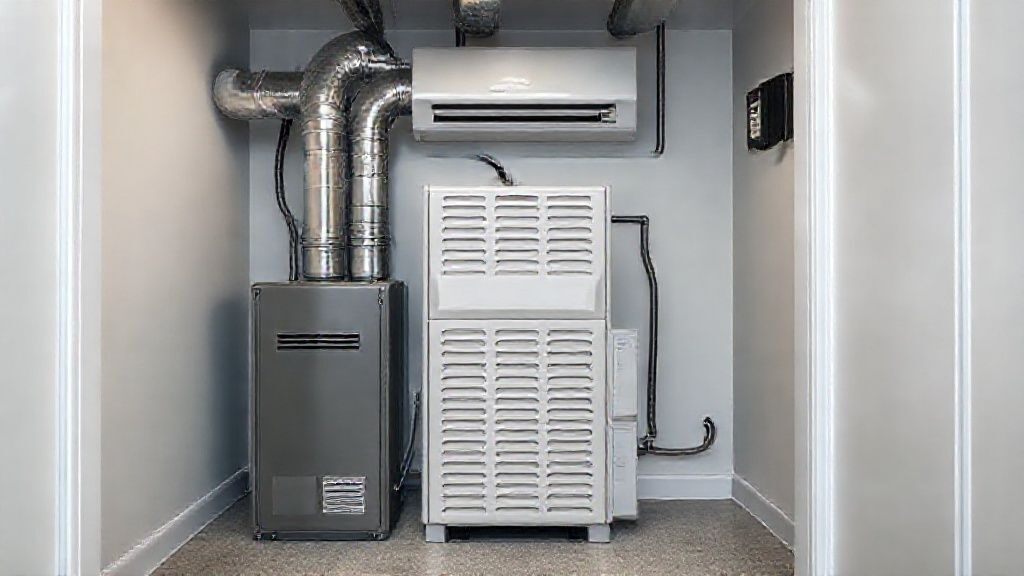
When your central air conditioner finally fails, or the furnace starts tripping the carbon monoxide alarm—or maybe it just sounds like a jet engine warming up in your basement—you face a fundamental decision. Do you replace just the broken piece, or do you bite the bullet and replace the entire furnace and AC system at once?
From my perspective, having been on countless roofs and in thousands of crawlspaces, this is not a choice you should make based purely on short-term savings. I’ve seen homeowners try to save a few thousand dollars by pairing a brand new 18 SEER AC unit with a 20-year-old furnace. Down in Tampa, Florida, I dealt with a case where the old furnace blower couldn’t move enough air across the new evaporator coil to handle the extreme humidity. The system froze up constantly, and the homeowner blamed the new AC unit. The reality was that the old equipment wasn’t designed to work with the modern, high-efficiency counterpart. When you install new equipment, you need a balanced system designed to communicate effectively. Replacing both components usually saves you money, time, and headaches over the long haul because everything is matched correctly.
Key Highlights
- Replacing both your furnace and AC simultaneously ensures component compatibility and maximizes achieved efficiency ratings (SEER/AFUE).
- Mismatched systems often fail to reach their advertised efficiency ratings, leading to higher operating costs.
- System sizing, based on a professional Manual J load calculation, is the single most critical factor for comfort and efficiency. Never allow a contractor to size your system purely based on the old unit’s tonnage.
- Modern variable-speed blower motors, typically located within the furnace cabinet, are essential for achieving optimal humidity control and quiet operation, especially in higher SEER AC systems.
- The type of refrigerant used (R-410A vs. R-32 or other substitutes) needs careful consideration, as regulatory changes continue to impact availability and cost.
What is a Combined Furnace and AC System?
When I talk about a combined furnace and AC system—often referred to simply as an HVAC system—I am talking about two primary functions housed within several connected components. The “system” handles both heating and cooling, using the same ductwork, the same thermostat, and often the same blower motor.
In a standard split system setup, which is what 90% of residential homes use, the components are:
- The Furnace (Indoors): This is the heating component (gas, oil, or electric). Crucially, this cabinet also houses the air handler, which includes the blower motor and the main circuit board that manages air distribution for both heating and cooling cycles.
- The Evaporator Coil (Indoors): This coil sits directly atop or adjacent to the furnace cabinet. When the AC runs, refrigerant cools this coil, and the furnace blower pushes home air across it to cool the house.
- The Condenser Unit (Outdoors): This large box contains the compressor, the condenser coil, and the fan. This is where the heat absorbed from inside your home is released outside.
- The Line Set: The copper piping that connects the indoor evaporator coil to the outdoor condenser unit, allowing refrigerant to circulate.
When we replace a full system, we are replacing the furnace and the outdoor AC unit, plus the accompanying evaporator coil that is necessary for cooling. These three main components must be designed to work together to achieve the maximum advertised efficiency. If you try to mix brands or use an old coil with a new AC unit, you typically void the warranty and guarantee an efficiency drop.
Key Benefits of Replacing Your Furnace and AC Together
The core argument for replacing the entire system—furnace, AC, and coil—simultaneously rests on performance and efficiency matching. People often focus only on the cost, but ignoring performance costs you more in the long run.
Achieving Matched Performance (AHRI Certification)
Manufacturers design furnaces and AC units in specific combinations. When a contractor installs a matched system, that pairing has been tested and certified by the Air-Conditioning, Heating, and Refrigeration Institute (AHRI). The AHRI rating is the true, measurable efficiency rating (like 16 SEER or 95 AFUE) that the system achieves. If you pair an old furnace with a new AC, or vice versa, that AHRI match does not exist. You might purchase a 17 SEER AC, but only get 14 SEER performance because the blower motor in the old furnace cannot move air efficiently enough across the new, denser evaporator coil.
Warranty Integrity
Most major HVAC manufacturers offer significantly extended warranties—up to 10 or 12 years on parts—only when a complete, matched system is installed by a certified dealer. If you mismatch components, the manufacturer often defaults to a minimum five-year warranty, or sometimes voids the coverage entirely on the outdoor unit.
Optimal Airflow and Comfort
Modern furnaces, particularly high-efficiency gas furnaces, often feature variable-speed or modulating blower motors. These motors are essential for humidity control during the cooling season. When the AC runs, the variable speed motor can ramp up or down slowly, allowing the evaporator coil maximum time to strip moisture out of the air. Older, single-speed motors just blast air, cooling the space but often leaving the air feeling clammy. The newer controls in the furnace are necessary to properly manage the cycles of a high-efficiency AC unit.
Future-Proofing and Refrigerant Compatibility
If your current AC unit is 15 years old, it likely uses R-22 refrigerant, which has been phased out due to environmental regulations. Replacing only the AC means you need to replace the copper line set and the indoor coil, as R-22 oil and R-410A oil (the current standard) are incompatible. If your furnace is approaching 20 years old, replacing it now means all major components utilize the same modern standards, reducing the complexity of future repairs and ensuring compliance with evolving refrigerant regulations.
Understanding Efficiency Ratings: SEER, AFUE, and EER
When you are shopping for a new system, you are going to be bombarded with acronyms. It’s important to know what they actually mean to your utility bill.
SEER (Seasonal Energy Efficiency Ratio)
SEER is the standard measurement for AC efficiency. It is calculated by dividing the total cooling output for a typical cooling season by the total electric energy input during the same period. Higher numbers are better. The federal minimum standard currently sits around 14 SEER, but systems commonly range from 16 SEER up to 26 SEER.
- Single-Stage Units: These are entry-level units; they are either 100% on or 100% off. They are the least expensive to purchase but offer the lowest efficiency.
- Two-Stage Units: These units run at 60–70% capacity most of the time, only bumping up to 100% on the hottest days. They provide much better efficiency and comfort than single-stage systems.
- Variable-Speed or Modulating Units: These are premium units, capable of running anywhere from 25% to 100% capacity in small increments. This precise control maximizes dehumidification and maintains a remarkably consistent temperature, resulting in the highest SEER ratings (18+). If you are looking primarily at new cooling options, understanding these tiers will help you evaluate options for hvac ac systems.
AFUE (Annual Fuel Utilization Efficiency)
AFUE is the measurement used specifically for furnaces. It represents the percentage of fuel (gas or oil) converted into usable heat over the course of a year. If a furnace has an 80% AFUE rating, it means 80% of the fuel is converted into heat for your home, and 20% is lost up the chimney as waste heat.
- Standard Efficiency (80% AFUE): These are usually non-condensing furnaces, meaning the exhaust gases are vented directly out through a metal flue.
- High Efficiency (90% to 98% AFUE): These are condensing furnaces. They extract additional heat from the exhaust gases, causing the water vapor in the exhaust to condense, which is why they require special PVC venting and a condensate drain line. They are significantly more efficient but cost more up front. I rarely recommend anything below 95% AFUE in regions with cold winters.
EER (Energy Efficiency Ratio)
EER is a measure of efficiency specifically at one external temperature (95°F). While SEER measures seasonal performance, EER tells you how well the system performs under peak load conditions. EER is particularly important for people in extremely hot climates where the unit frequently operates at maximum capacity. A high SEER is good for mild climates; a high EER is critical for places like Phoenix or South Texas.
Types of Furnace AC Systems: Split vs. Packaged Units
There are two major configurations for residential and light commercial applications.
1. Split Systems (The Standard)
This is the system described earlier, split into indoor and outdoor components. The furnace and evaporator coil are inside (usually in the basement, attic, or closet), and the condenser unit is outside. This configuration is the most common and generally the most efficient because the outdoor unit is quieter and easier to service, and the indoor components are protected from the elements.
Ideal For: Homes with basements, crawlspaces, or accessible indoor utility closets. Any structure that already has existing ductwork running through conditioned or semi-conditioned space.
2. Packaged Units
A packaged unit combines the furnace, the AC condenser, the evaporator coil, and the blower motor all into one single, large cabinet. This cabinet sits outside the house, typically on a concrete pad next to the building or on the roof. The conditioned air enters and exits the unit directly through penetrations in the wall or roof connecting to the ductwork.
Ideal For: Mobile homes, small commercial buildings, or residential properties where indoor space is unavailable for a furnace (e.g., slab construction without an attic or basement). Installation and maintenance are generally easier, but packaged units are sometimes less efficient because the furnace components are exposed to extreme outdoor temperatures.
Choosing the Right Size System for Optimal Home Comfort
I cannot stress this enough: The wrong size system will waste money and compromise comfort, regardless of how high its efficiency ratings are.
The Problem with Oversizing
Homeowners and even some less scrupulous contractors often believe that a bigger system is always better. This is flat-out wrong. An oversized AC unit cools the house too quickly. It satisfies the thermostat’s call for cooling before it has had enough time to run a full cycle. If the cycle is too short, the evaporator coil doesn’t stay cold long enough to effectively condense and remove humidity from the air.
The result is a phenomenon known as “short cycling.” The temperature sensor is happy, but the air feels heavy, damp, and uncomfortable—especially in humid climates. Furthermore, systems wear out faster when they are constantly starting and stopping, leading to premature failure of the compressor and higher electricity spikes.
The Solution: The Manual J Load Calculation
Proper sizing must be determined using an engineering standard called the Manual J residential load calculation. This process involves a detailed analysis of your home, including:
- Local climate data (historical high/low temperatures).
- Square footage and height of every room.
- Insulation levels in walls, floors, and attic.
- Window types, glazing, shade, and orientation (solar gain).
- Air infiltration rates (how leaky the house is).
- Occupant load and internal heat gains (appliances).
A quality contractor uses software to perform this calculation. If a contractor tries to size your system based only on the size of the old unit, or just by looking at square footage, find another contractor. Getting the sizing correct is the foundation of energy efficiency and comfort. If you are starting the process of figuring out installation costs, make sure the quote includes a load calculation. Getting an accurate idea of what you need is the first step in understanding the hvac installation estimate.
The Complete Furnace AC System Installation Process
Installing a new, complete furnace and AC system is a substantial undertaking that usually takes one to two full days, depending on the complexity of the site and whether new duct modifications are required. Here is a breakdown of what a professional installation should involve.
1. Pre-Installation Assessment and Permit Filing
The contractor should confirm the Manual J calculation and confirm the location and layout of the new equipment. In almost every jurisdiction, replacing a furnace requires a building permit. The contractor handles the necessary paperwork and schedules the required inspections.
2. Removal of Old Equipment
The old furnace, AC unit, and evaporator coil are carefully disconnected and removed. This includes the existing flue piping, electrical connections, and the old refrigerant lines. All old refrigerant must be recovered legally—it cannot be vented into the atmosphere.
- Old systems containing R-22 must have the copper line set either flushed thoroughly or replaced entirely, depending on the contractor’s assessment. Replacing the line set is generally the safest and most recommended practice to prevent cross-contamination.
3. Installing the New Furnace and Coil
The new furnace is placed in position. New gas lines (if applicable), electrical wiring, and the condensate drain line (for high-efficiency condensing furnaces) are connected. The new evaporator coil is positioned directly above the furnace, and the connection to the ductwork is sealed.
If you are looking for specific furnace types that might fit your home before committing to installation, you should see our furnace selection for various efficiency tiers and fuel types.
4. Setting the Outdoor Condenser Unit
The new condenser is placed on a level pad (either concrete, plastic, or sturdy composite). If the old pad is cracked or uneven, it needs to be repaired or replaced. A new electrical whip is run to the unit.
5. Refrigerant Line Setup and Vacuum
The new copper line set is run between the indoor coil and the outdoor unit. This must be a clean, airtight connection. Once the lines are brazed (welded) into place, the entire refrigerant circuit is put under a deep vacuum for a specific amount of time. This step is critical; it removes all non-condensable gases and moisture. Moisture in the system leads directly to early compressor failure.
6. Charging and Startup
The system is charged with the correct amount of refrigerant (R-410A or equivalent) based on the manufacturer’s specifications. The unit is then started. The technician performs startup checks, including measuring temperature differential (TD), static pressure, and blower motor speeds to ensure the system is delivering the expected performance.
For gas furnaces, this is also when the technician checks the gas pressure and safety controls. If you ever have a situation where the furnace pilot light goes out, knowing how your system works is useful, but the technician verifies all these components during installation. Learn more about lighting a pilot light on gas furnace procedures, though modern systems usually feature electronic ignition.
7. Final Inspection and Thermostat
The technician installs the new thermostat, often a Wi-Fi enabled smart thermostat, which is crucial for managing the complex stages and speeds of modern high-efficiency equipment. Finally, the local inspector checks the installation to ensure it meets all safety and building codes.
If you are ready to discuss your specific installation needs and get a firm estimate based on your home’s unique load calculation, feel free to contact us for a quote.
Maintenance Essentials for Extending Your System’s Lifespan
You’ve invested significant money into a high-quality system. Now, you need to protect that investment. Consistent, simple maintenance will ensure the system lasts its full 15-to-20-year lifespan and maintains peak efficiency.
1. Consistent Filter Changes
This is the cheapest and easiest maintenance task, and the one most often neglected. A dirty filter restricts airflow, forcing the blower motor to work harder (using more energy) and potentially causing the evaporator coil to freeze up during the summer. I recommend checking disposable filters monthly, and replacing them every 30 to 90 days, depending on the filter type (MERV rating) and whether you have pets.
2. Annual Professional Tune-Ups
You need two professional check-ups a year: one in the spring (for cooling) and one in the fall (for heating).
- Spring Check-Up (AC): The technician will clean the outdoor condenser coil, check refrigerant pressures, inspect the electrical connections, and clear the condensate drain line (which prevents water damage and mold).
- Fall Check-Up (Furnace): The technician checks gas pressure, verifies carbon monoxide levels in the flue gases, cleans the burners, checks the heat exchanger for cracks, and ensures all safety controls are operational.
3. Keep the Outdoor Unit Clear
The outdoor condenser unit needs to breathe. Keep the area around it clear of tall grass, weeds, shrubs, and debris. Maintain at least two feet of clearance on all sides. Do not cover the unit in the summer. In the winter, ensure heavy snow loads do not bury the unit (important for heat pumps, less critical for dedicated AC units).
4. Addressing Issues Promptly
Do not wait until the system fails completely to call for service. If you hear a strange grinding noise, notice water leaking, or see your utility bills spiking unexpectedly, call a professional immediately. Small issues, like a failing capacitor or a clogged drain, are cheap fixes. Ignoring them can lead to compressor burnout, which is almost always a major repair.
Frequently Asked Questions (FAQs) About HVAC Systems
How long should a new furnace and AC system last?
With proper, consistent maintenance, a quality modern furnace should last 15 to 20 years, and the AC condenser unit should last 12 to 18 years. Factors like harsh coastal climates, usage intensity, and lack of annual tune-ups can significantly reduce that lifespan.
Is it really cheaper to replace both at the same time?
Yes, for several reasons. First, you only pay for the installation labor once. Second, buying a matched system often qualifies you for deeper manufacturer rebates than buying components individually. Third, the long-term efficiency savings from a matched, optimally performing system almost always outweigh the cost of mixing new and old components.
Do I have to switch to a heat pump if I replace my AC?
No, you do not. A traditional furnace and AC combination (sometimes called a straight cool system) remains a very effective option, especially in climates with very cold winters where a gas furnace provides cheaper, faster heat than a typical air-source heat pump. However, if you are looking for maximum efficiency in milder climates, a hybrid or dual-fuel system (heat pump for mild days, furnace backup for extreme cold) can be very appealing.
What does ‘Tonnage’ mean?
Tonnage is the unit used to measure the cooling capacity of an air conditioner. One ton of cooling capacity is equivalent to 12,000 BTUs (British Thermal Units) per hour. A typical residential system is usually 2, 3, 4, or 5 tons. This is the figure that must be determined accurately by the Manual J calculation.
Final Thoughts
Replacing your furnace and AC system is one of the largest financial investments you will make in your home, second only to a new roof or a kitchen remodel. When you are looking at the overall cost, focus less on the lowest bid and more on the quality of the installation and the professionalism of the company doing the work. The difference between a great installation and a poor one can mean the difference between getting 18 years out of your equipment and needing major repairs in year seven.
Insist on a load calculation. Insist on AHRI-matched components. And most importantly, commit to the routine maintenance schedule. If you handle those three things, your new furnace AC system will provide quiet, reliable, and efficient comfort for two decades.