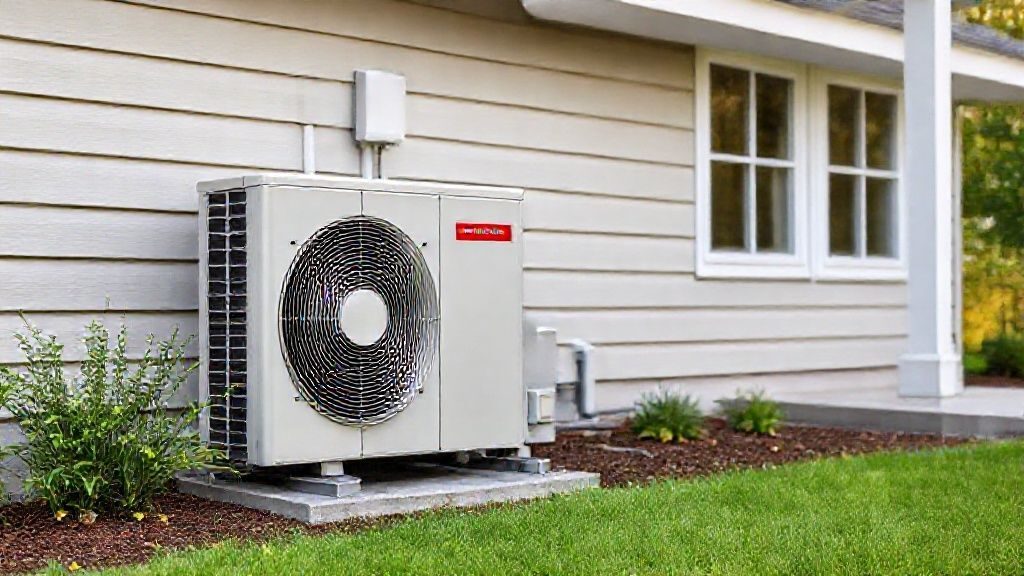
After decades in the HVAC business, I’ve seen a lot of systems come and go. When I started out working on residential units back in Denver, folks mostly had furnaces for heat and a separate air conditioner for cooling. Pretty straightforward. But over the years, the technology has evolved, and one system that truly stands out for its efficiency and versatility is the heat pump AC system. It’s a real workhorse, providing comfort year-round.
I’ve helped countless homeowners understand these systems, and the common thread I see is a desire for both comfort and lower energy bills. Heat pumps deliver on both fronts by moving heat rather than generating it. It’s a smart way to keep your home comfortable, no matter the season. If you’re looking to upgrade your HVAC system or simply trying to understand the options, a heat pump is definitely worth your attention.
Key Highlights
- Dual Functionality: Heat pumps provide both heating and cooling from a single unit.
- Energy Efficiency: They move heat rather than creating it, leading to significant energy savings.
- Reduced Carbon Footprint: Lower energy consumption means less environmental impact.
- Year-Round Comfort: Maintain consistent indoor temperatures in various climates.
- Rebates & Incentives: Often eligible for federal, state, and local energy efficiency programs.
- Quiet Operation: Generally quieter than traditional furnaces and central air conditioning units.
What is a Heat Pump AC System?
At its core, a heat pump AC system is an all-in-one electric heating and cooling unit. Think of it as a two-way air conditioner. In the summer, it pulls heat from inside your home and moves it outside, just like a standard central air conditioning condenser. But here’s where it gets clever: in the colder months, it reverses the process. It extracts heat from the outside air, even when it’s chilly, and transfers that heat inside to warm your home.
It’s not magic; it’s thermodynamics. The system doesn’t generate heat through combustion, like a furnace, or by converting electricity directly into heat with resistive coils, like an electric space heater. Instead, it uses a refrigerant cycle to transfer existing heat. This heat transfer is far more efficient than heat generation, which is why heat pumps are often lauded for their energy-saving capabilities. You get heating and cooling from a single piece of equipment, typically an outdoor unit connected to an indoor air handler, simplifying your home’s HVAC setup.
How Do Heat Pumps Work?
Understanding how a heat pump works can help you appreciate its efficiency. The principle is similar to your refrigerator, which constantly moves heat from its interior to the room around it. A heat pump scales this concept up for your entire home.
The Refrigerant Cycle
The heart of any heat pump is the refrigerant, a chemical compound that cycles through different states (liquid and gas) to absorb and release heat. It flows through a closed loop of coils, connecting an indoor unit (evaporator coil) to an outdoor unit (condenser coil).
- Refrigerant: A special fluid that can easily absorb and release heat.
- Compressor: This vital component increases the pressure and temperature of the refrigerant, moving it through the system.
- Expansion Valve: Reduces the pressure of the refrigerant, allowing it to cool down and absorb heat.
- Coils: Both indoor and outdoor units contain coils where heat transfer occurs.
Cooling Mode (Summer Operation)
When your thermostat calls for cooling, the heat pump operates much like a conventional air conditioner:
- Heat Absorption (Indoors): Warm indoor air blows over the indoor coil (evaporator). The cool, low-pressure refrigerant in the coil absorbs the heat from the air, causing the refrigerant to turn into a low-pressure gas.
- Compression: This low-pressure gas then travels to the outdoor unit’s compressor, which squeezes it, raising its temperature and pressure significantly.
- Heat Rejection (Outdoors): The hot, high-pressure gas flows through the outdoor coil (condenser). The outdoor fan blows cooler ambient air over these coils, causing the refrigerant to release its heat to the outside air and condense back into a high-pressure liquid.
- Expansion: The high-pressure liquid then passes through an expansion valve, where its pressure drops, causing it to cool down again before returning to the indoor coil to repeat the cycle.
The result is cooler air circulated throughout your home, with the heat effectively “pumped” outside.
Heating Mode (Winter Operation)
This is where the heat pump truly distinguishes itself. A special reversing valve changes the direction of the refrigerant flow, essentially swapping the roles of the indoor and outdoor coils:
- Heat Absorption (Outdoors): Even in cold temperatures, there’s heat energy in the outside air. The outdoor coil now acts as the evaporator. The cold, low-pressure refrigerant absorbs heat from the chilly outdoor air, turning into a low-pressure gas.
- Compression: This gas is then compressed, increasing its temperature and pressure.
- Heat Rejection (Indoors): The hot, high-pressure gas flows to the indoor coil, which now acts as the condenser. The indoor fan blows air over this coil, and the refrigerant releases its heat into your home, warming the air. As it releases heat, it condenses back into a high-pressure liquid.
- Expansion: The liquid then passes through the expansion valve, its pressure drops, and it cools down before returning to the outdoor coil to absorb more heat.
It’s important to understand that while a heat pump is incredibly efficient, its ability to extract heat from very cold air does diminish as temperatures drop significantly. Most modern heat pumps are designed to operate effectively down to low single-digit Fahrenheit temperatures, and many include auxiliary electric resistance heating coils that kick in if the outdoor temperature falls below a certain threshold to ensure your home stays warm. This supplementary heat is less efficient than the heat pump itself, but it ensures comfort during extreme cold snaps.
Key Benefits of Heat Pump AC Systems
Choosing a heat pump for your home comes with a list of compelling advantages:
- Superior Energy Efficiency: This is arguably the biggest selling point. Because heat pumps move heat rather than generate it, they can deliver up to three or four units of heating or cooling energy for every unit of electricity consumed. This translates into significantly lower utility bills compared to traditional furnaces or electric resistance heating, and even standard air conditioners in some scenarios.
- Dual Functionality: One system handles all your heating and cooling needs. This simplifies maintenance and system management, and you don’t need separate units cluttering your yard or mechanical room.
- Reduced Carbon Footprint: Lower energy consumption means fewer greenhouse gas emissions. For environmentally conscious homeowners, a heat pump is a clear winner, especially when paired with renewable energy sources.
- Improved Indoor Air Quality: Many heat pump systems come with advanced filtration capabilities. Since they don’t involve combustion, they avoid issues like carbon monoxide production, a concern with gas furnaces. The constant air circulation can also help maintain better air filtration.
- Consistent Comfort: Heat pumps provide a steady, even heat that avoids the “blast” of hot air sometimes associated with furnaces. This leads to more consistent temperatures throughout your home and fewer hot or cold spots.
- Long Lifespan: With proper maintenance, a heat pump can last 15-20 years or even longer. Regular tune-ups and filter changes are key, of course.
- Quiet Operation: Modern heat pumps are designed to run quietly. The outdoor unit typically makes a gentle hum, much like a refrigerator, and often less noise than an older central air conditioning unit.
- Eligibility for Incentives: Because of their energy efficiency, heat pump installations are frequently eligible for federal tax credits, state rebates, and local utility company incentives. These can significantly offset the initial purchase and installation cost, making them more affordable upfront.
Potential Drawbacks to Consider
While heat pumps are fantastic, it’s my job to give you the whole picture. There are a few considerations to keep in mind:
- Performance in Extreme Cold: As mentioned, a heat pump’s efficiency decreases as outdoor temperatures drop significantly. In very cold climates, they might rely more heavily on supplementary electric resistance heat, which is less efficient. This isn’t usually an issue for most of the country, but in areas with prolonged sub-zero temperatures, it’s something to factor in. Modern cold-climate heat pumps are improving rapidly, but it’s still a point to discuss with your installer.
- Higher Upfront Cost: The initial purchase and installation cost of a heat pump can be higher than a traditional furnace or a basic central air conditioning unit alone. However, the long-term energy savings and potential rebates often lead to a quicker return on investment.
- Sizing is Critical: Proper sizing is absolutely crucial for a heat pump. An undersized unit will struggle to heat or cool your home effectively, especially during peak demand. An oversized unit will cycle on and off too frequently, reducing efficiency and potentially shortening its lifespan. A professional load calculation is essential.
- Reliance on Electricity: Heat pumps are electric. If your area experiences frequent power outages, your heating and cooling will be impacted. This is a general consideration for electric systems, but worth noting.
Types of Heat Pump Systems
Not all heat pumps are created equal. They come in various configurations to suit different homes and needs:
Air-Source Heat Pumps
These are the most common type and what most people think of when they hear “heat pump.” They transfer heat between your home and the outside air. They are relatively easy to install and work well in most climates. Within air-source, you have:
- Split Systems: These have an outdoor unit (compressor and outdoor coil) and an indoor unit (air handler with an indoor coil). This is similar to a traditional split system AC and furnace setup.
- Packaged Systems: All components – compressor, outdoor coil, indoor coil, and blower – are housed in a single outdoor cabinet. Ducts run from this unit into your home. These are often used when indoor space is limited.
- Ductless Mini-Split Heat Pumps: These are ideal for homes without existing ductwork, additions, or for zoning specific areas. They consist of an outdoor unit connected to one or more indoor wall air conditioning and heating units. Each indoor unit can control its own temperature, offering excellent zone control.
Geothermal (Ground-Source) Heat Pumps
These are the champions of efficiency, but they have a higher upfront cost and more complex installation. Geothermal systems exchange heat with the earth, which maintains a more consistent temperature underground than the air above ground. This makes them incredibly stable and efficient year-round, regardless of extreme air temperatures.
- How They Work: They use a loop system of pipes buried in the ground (vertically or horizontally) or submerged in a pond. Water or an antifreeze solution circulates through these loops, absorbing heat from the earth in winter and dissipating heat into the earth in summer.
- Benefits: Extremely high efficiency, very low operating costs, quiet operation, very long lifespan for the underground loop system (50+ years).
- Drawbacks: High initial cost due to excavation and installation of the ground loops.
Water-Source Heat Pumps
Less common for residential use, these systems are typically found in commercial buildings or homes located near a large body of water (pond, lake, well) where the water can be used as the heat exchange medium. They operate on principles similar to geothermal, but use water directly for heat exchange.
Absorption Heat Pumps
These are unique because they are gas-fired rather than electric. They use a heat source (natural gas, propane, solar-heated water) to drive a chemical absorption process that provides heating and cooling. They are less common in residential applications but offer an alternative where electricity costs are very high or natural gas is readily available.
In addition to space heating and cooling, it’s worth noting that heat pump technology is also effectively used in other applications, such as for hot water heaters and even small pool heaters electric models, showcasing their versatility in energy transfer.
Heat Pump Installation: What to Expect
Installing a heat pump is a significant project, and it’s not something you want to cut corners on. Proper installation is as critical as the quality of the equipment itself for ensuring efficiency and longevity. Here’s a general overview of what you can expect:
- Initial Consultation and Home Assessment: A professional HVAC technician will visit your home to assess your specific needs. They’ll look at factors like square footage, insulation levels, window quality, local climate, and existing ductwork. This is where a proper load calculation (Manual J) is performed to determine the correct size of the heat pump for your home. This step is vital to avoid issues down the road.
- System Sizing and Selection: Based on the assessment, the technician will recommend the appropriate type and size of heat pump, considering SEER (Seasonal Energy Efficiency Ratio), HSPF (Heating Seasonal Performance Factor), and EER (Energy Efficiency Ratio) ratings. They’ll also discuss options for indoor air handlers or mini-split units.
- Permitting: Most HVAC installations require permits to ensure compliance with local building codes. Your installer should handle this process.
- Removal of Old Equipment (if applicable): If you’re replacing an old furnace and AC, the existing units will be safely removed and disposed of.
- Ductwork Inspection and Modification: For ducted systems, existing ductwork will be inspected for leaks, proper sizing, and insulation. Modifications or repairs might be needed to optimize airflow and efficiency for the new heat pump. If you’re installing a new system, new ductwork may be installed.
- Outdoor Unit Placement: The outdoor unit needs to be placed on a level pad, typically on the side or back of your house, with adequate clearance for airflow and maintenance. Considerations include noise levels and aesthetic impact.
- Indoor Unit Installation: The indoor air handler (for split systems) or individual mini-split units will be installed. This involves connecting to the ductwork, refrigerant lines, and electrical supply.
- Refrigerant Lines and Electrical Work: New refrigerant lines will be run between the indoor and outdoor units, properly sized and insulated. The system will also require a dedicated electrical circuit, which often involves upgrading your electrical panel. This must be done by a licensed electrician.
- Condensate Drain Line: A drain line will be installed to remove condensation produced by the indoor coil during cooling (and sometimes heating in humid conditions).
- Thermostat Installation: A new, compatible thermostat, often a smart or programmable model, will be installed and configured to control the heat pump.
- Testing and Commissioning: Once all components are installed, the system will be thoroughly tested. This includes checking refrigerant levels, airflow, electrical connections, and overall operation in both heating and cooling modes to ensure everything is running efficiently and safely.
- Homeowner Orientation: Your installer should walk you through the basic operation of your new heat pump, how to use the thermostat, and essential maintenance tips like filter changes.
This process can take anywhere from one to several days, depending on the complexity of the installation. Choosing a reputable and experienced installer is critical for a smooth process and optimal system performance. To find out more about what makes a good installation, you can visit our page on best hvac practices.
Maintaining Your Heat Pump for Longevity
Just like any sophisticated appliance in your home, a heat pump needs regular attention to keep running at its best. Skipping maintenance is a surefire way to reduce efficiency, increase repair costs, and shorten the lifespan of your system. Here’s what you need to do:
- Regular Filter Changes: This is the easiest and most important thing you can do. A dirty air filter restricts airflow, forcing your heat pump to work harder, which wastes energy and can lead to system breakdowns. Check your filter monthly and replace it every 1-3 months, or more frequently if you have pets, allergies, or a dusty environment.
- Keep Outdoor Unit Clear: Ensure the outdoor unit is free from obstructions. Trim back shrubs, clear away leaves, grass clippings, and any other debris that can block airflow around the coils. During winter, clear snow and ice from around and on top of the unit. Maintain at least two feet of clear space around the unit.
- Clean Coils: Over time, dirt and grime can build up on both the indoor and outdoor coils. Dirty coils reduce the system’s ability to transfer heat. While you can gently rinse the outdoor coil with a garden hose (make sure the unit is off first), cleaning the indoor coil typically requires professional service.
- Check Condensate Drain: The condensate drain line can become clogged with algae or mold, causing water to back up and potentially damage your system or lead to leaks. Periodically check that it’s draining freely. You can often clear minor clogs by pouring a cup of distilled vinegar down the drain line access point.
- Annual Professional Tune-Up: This is non-negotiable. Schedule a professional HVAC technician to inspect your heat pump annually, ideally in the spring before the cooling season or in the fall before the heating season. During a tune-up, a technician will:
- Check refrigerant levels and pressure.
- Inspect electrical connections and components.
- Lubricate moving parts.
- Clean coils thoroughly.
- Check the thermostat calibration.
- Inspect ductwork for leaks.
- Verify proper operation of the reversing valve.
- Test temperature rise and fall.
- Check the auxiliary heat strips.
These routine checks and professional services will help catch small issues before they become major problems, maintain peak efficiency, and extend the life of your heat pump, ensuring you get the most out of your investment.
Heat Pump AC System Costs: Installation & Operation
Understanding the costs involved with a heat pump system means looking at two main components: the initial installation cost and the ongoing operational costs.
Installation Costs
The upfront cost of a heat pump can vary widely based on several factors:
- Type of Heat Pump: Air-source heat pumps are generally less expensive to install than geothermal systems due to the extensive groundwork required for geothermal loops. Ductless mini-splits can range depending on the number of indoor units.
- System Size (Tonnage): Larger homes or those with greater heating/cooling loads will require a larger capacity (tonnage) heat pump, which costs more.
- Efficiency Ratings (SEER, HSPF): Higher efficiency models, while costing more upfront, will save you more on operating costs over the system’s lifespan.
- Ductwork Requirements: If your home needs new ductwork installed or significant modifications to existing ducts, this will add substantially to the cost. Ductless systems bypass this, but still have line-set installation.
- Geographic Location and Labor Rates: Installation costs vary by region due to different labor rates and local regulations.
- Brand and Features: Premium brands or systems with advanced features (e.g., variable-speed compressors, smart thermostats, multi-stage operation) will generally cost more.
- Electrical Upgrades: Older homes might need electrical panel upgrades to support the new heat pump, adding to the overall cost.
- Ancillary Costs: This can include permits, removal and disposal of old equipment, and any necessary repairs to your home’s structure.
On average, a new air-source heat pump installation for a typical residential home can range from $4,000 to $10,000 or more. Geothermal systems can range from $15,000 to $35,000+, though significant tax credits often apply.
Operational Costs
This is where heat pumps truly shine, especially in the long run:
- Electricity Rates: Since heat pumps are electric, your local electricity rates will be the primary determinant of your operating costs. The lower your electricity rates, the cheaper it will be to run.
- Climate: In milder climates, a heat pump will operate almost exclusively in its highly efficient heat transfer mode. In colder climates, where auxiliary electric resistance heat might be used more often, operating costs can be higher during the coldest parts of winter. However, even with auxiliary heat, they can often be more economical than propane or oil furnaces.
- System Efficiency: A higher SEER and HSPF rated unit will consume less electricity to provide the same amount of heating and cooling, leading to lower monthly bills.
- Insulation and Home Sealing: A well-insulated and air-sealed home will require less energy to heat and cool, regardless of the system. This directly impacts your heat pump’s operational costs.
- Maintenance: Regular maintenance, while having a small cost, prevents efficiency loss and costly breakdowns, ultimately saving you money on your energy bills and extending the system’s life.
Compared to traditional systems, heat pumps typically offer 30-50% savings on annual heating and cooling costs, with some homeowners reporting even higher savings. Over 5-10 years, these savings can largely offset the higher initial investment.
Rebates and Incentives
Don’t forget to factor in financial incentives! Due to their energy efficiency, heat pumps are frequently eligible for various programs:
- Federal Tax Credits: The federal government often offers tax credits for installing high-efficiency heat pumps. These can be substantial.
- State and Local Programs: Many states, counties, and municipalities offer their own rebates or incentives.
- Utility Company Programs: Your local electric utility company might have programs or rebates to encourage heat pump adoption.
Always check with your installer and local authorities about current incentives available in your area before making a purchase. These can significantly reduce the net cost of installation, making heat pumps a very competitive option.
Is a Heat Pump Right for Your Home?
Deciding if a heat pump is the right choice for your home involves weighing several factors. I’ve seen them excel in a wide variety of situations, but it’s not a one-size-fits-all solution.
- Your Climate: Modern heat pumps perform very well in most climates. If you live in an area with mild to moderately cold winters (where temperatures rarely dip below 20-30°F for extended periods), an air-source heat pump is likely an excellent choice. For homes in extremely cold climates, a specialized cold-climate heat pump or a hybrid system (heat pump paired with a furnace) might be a better fit to handle the coldest days efficiently.
- Existing HVAC System: If you’re currently using an older furnace (especially oil or propane) and a separate AC unit, a heat pump upgrade could offer substantial savings and improved comfort. If you have an all-electric home with resistance heating, a heat pump is almost certainly a more efficient and cost-effective option for heating.
- Energy Goals: Are you looking to reduce your carbon footprint? Heat pumps are one of the most environmentally friendly heating and cooling options available, especially when powered by renewable electricity.
- Ductwork Condition: If you have existing ductwork that’s in good shape, a central ducted heat pump is a straightforward installation. If your ducts are leaky or poorly sized, you might need to invest in upgrades, or consider a ductless mini-split system. For homes without any ductwork, mini-splits are often the most practical and efficient solution.
- Budget: While heat pumps have a higher upfront cost than some traditional systems, the long-term operational savings and available incentives can make them a very economical choice over time. Consider the total cost of ownership, not just the initial sticker price.
- Comfort Preferences: Heat pumps provide a consistent, even heat that many people prefer over the sudden blasts of hot air from a furnace. They also offer excellent dehumidification in cooling mode.
Ultimately, a professional HVAC contractor can perform a detailed home energy audit and load calculation to help you make an informed decision based on your specific circumstances. They can assess your home’s unique needs and recommend the best heat pump solution.
Why Choose Our Experts for Your Heat Pump Needs
When it comes to something as crucial as your home’s heating and cooling, experience and expertise matter. You’re not just buying a piece of equipment; you’re investing in comfort, efficiency, and peace of mind for years to come. That’s why choosing the right team for your heat pump installation and service is critical.
Our team has decades of collective experience in the HVAC industry, specifically with heat pump technology. We understand the nuances of sizing, installation, and maintenance that are essential for optimal performance. We don’t just sell units; we provide tailored solutions that meet the unique demands of your home and climate. We take the time to conduct thorough assessments, perform accurate load calculations, and explain your options clearly, without jargon.
We pride ourselves on transparent pricing, quality workmanship, and exceptional customer service. From the initial consultation to post-installation support, our goal is to ensure your complete satisfaction and that your heat pump operates at peak efficiency for its entire lifespan. We’re dedicated to helping homeowners like you make smart, energy-efficient choices that translate into real savings and enhanced comfort. For a comprehensive overview of our offerings, check out our best hvac services, or simply contact us for a quote. We’re here to help you navigate the options and find the perfect heat pump solution for your home.
FAQ
Q: Are heat pumps good for cold climates?
A: Modern heat pumps, especially cold-climate models, are significantly more effective in cold weather than older versions. Many can efficiently heat a home down to 0°F (-18°C) or even lower. Below that, they typically rely on supplementary electric resistance heating, or are paired with a furnace in a “hybrid” system. It’s important to choose a model specifically designed for your climate.
Q: How long does a heat pump system last?
A: With proper installation and regular maintenance, a heat pump system can last 15 to 20 years, and sometimes even longer. The lifespan is comparable to a traditional central air conditioner and furnace combination.
Q: Do heat pumps dehumidify?
A: Yes, in cooling mode, a heat pump functions exactly like a central air conditioner and effectively removes humidity from your indoor air as it cools. This contributes to greater comfort, especially in humid climates.
Q: Is a heat pump noisier than a traditional AC?
A: Generally, no. Modern heat pumps are designed to be very quiet. The outdoor unit produces a gentle hum, often quieter than older central air conditioning units. The indoor air handler noise is comparable to a furnace fan.
Q: What is the average cost to run a heat pump?
A: The average cost to run a heat pump varies widely based on local electricity rates, the size and efficiency of the unit, your climate, and your home’s insulation. However, heat pumps are typically much more energy-efficient than traditional heating and cooling systems, often resulting in 30-50% lower utility bills for heating, especially when compared to electric resistance, oil, or propane heat.
Final Thoughts
I’ve been in this business long enough to see trends come and go, but the heat pump isn’t a trend; it’s a proven, evolving technology that offers real benefits to homeowners. The ability to provide efficient heating and cooling from a single, quiet unit, while also reducing your environmental impact and potentially saving you a good chunk of change on your energy bills, is a powerful combination.
If you’re considering an upgrade or building a new home, a heat pump AC system deserves serious consideration. It’s a smart investment in your home’s comfort, efficiency, and future. Make sure you work with experienced professionals who can correctly size and install the system, and provide the ongoing maintenance to keep it running optimally. It’s about making a choice that works for your wallet and for your comfort, and in my experience, a heat pump often delivers on both.