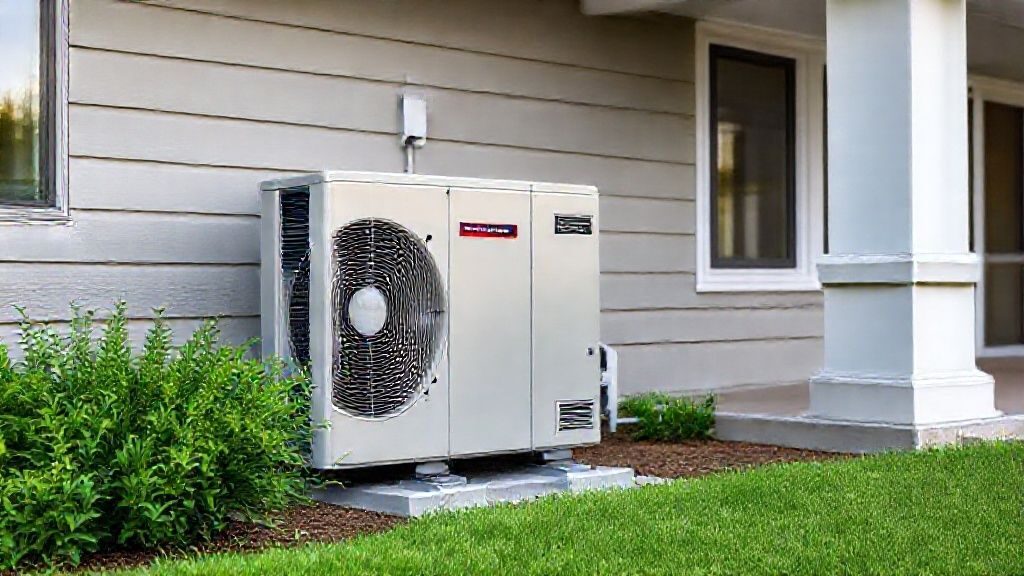
Folks often ask me about the best way to keep their homes comfortable all year without breaking the bank. For years, I’ve seen all kinds of setups, from old oil furnaces to modern, zoned systems. When it comes to efficiency and versatility, the conversation almost always turns to heat pumps. These systems have come a long way, and what they offer in terms of comfort and energy savings is substantial. They’re not just for cooling anymore; they handle heating too, often more efficiently than traditional furnaces.
I remember a particular job in Tampa, Florida, years back. A homeowner had an old, struggling AC unit and a separate electric furnace they rarely used because of the cost. Their utility bills were through the roof during both humid summers and those surprisingly chilly winter snaps. We walked them through the benefits of a modern heat pump, explaining how it could provide efficient cooling and take the bite out of the winter air without the high resistance heat costs. They made the switch, and six months later, I got a call telling me their energy bills had dropped by over 30%. That kind of real-world saving is what makes me a believer in these systems.
Key Highlights
- Heat pumps provide both heating and cooling from a single unit.
- They transfer heat rather than generate it, making them highly energy efficient.
- Significant energy savings are common compared to traditional systems.
- Improved comfort with consistent temperatures year-round.
- Reduced carbon footprint due to lower energy consumption.
- A range of types available, including air-source, geothermal, and ductless mini-splits.
What is a Heat Pump Air Conditioner?
At its core, a heat pump air conditioner is an all-in-one heating and cooling system. Most folks are familiar with air conditioners that cool their homes, or furnaces that heat them. A heat pump combines these functions into one unit. It doesn’t generate heat by burning fuel like a furnace, or cool by using a separate coil like an old AC. Instead, it moves heat. In the summer, it pulls heat from inside your home and pushes it outside. In the winter, it reverses the process, extracting heat from the outdoor air (even cold air contains heat) and moving it inside to warm your home. This process makes it incredibly efficient because moving heat is less energy-intensive than creating it.
Think of it like a refrigerator. A refrigerator doesn’t create cold; it removes heat from its interior and expels it into your kitchen. A heat pump works on the same principle, but it’s designed to either move heat into your home or out of it, depending on the season. This dual functionality is a major advantage, offering year-round comfort from a single, integrated system. It eliminates the need for separate heating and cooling units, simplifying your HVAC setup and often reducing overall energy consumption.
How Do Heat Pumps Work for Heating and Cooling?
The magic behind a heat pump lies in a refrigerant cycle, much like a standard air conditioner, but with the ability to reverse direction. Let me walk you through it.
Cooling Mode
When your heat pump is set to cool, it operates just like a central air conditioner. The refrigerant absorbs heat from the indoor air as it passes over the indoor coil. This warmed refrigerant then travels outside to the outdoor coil, where a fan blows air across it. As the refrigerant releases its heat to the cooler outdoor air, it condenses back into a liquid. This cooler liquid then cycles back inside to absorb more heat, and the process continues. The result is cool, dehumidified air distributed throughout your home.
Heating Mode
Now, here’s where the “pump” part truly shines. When you switch to heating, a reversing valve within the system changes the flow of refrigerant. The outdoor coil becomes the evaporator, absorbing heat from the outside air. Yes, even when it’s cold outside, there’s still heat energy available. The refrigerant, now warmed, flows to the indoor coil, which acts as the condenser. Here, a fan blows indoor air over the coil, and the refrigerant releases its absorbed heat into your home. This warmed air is then circulated. The refrigerant then cycles back outside to absorb more heat, and the process repeats. This ability to extract heat from surprisingly cold air is why modern heat pumps are so effective and efficient, even in cooler climates.
It’s important to understand that a heat pump doesn’t burn fuel to create heat. It simply moves existing heat from one place to another. This is the fundamental difference that makes it so energy efficient compared to traditional heating systems.
Key Benefits of Choosing a Heat Pump System
Homeowners often weigh their options carefully, and a heat pump brings a lot to the table. From an efficiency standpoint to comfort, the advantages are clear.
-
Energy Efficiency and Cost Savings
This is usually the first thing people ask about. Because heat pumps transfer heat rather than generate it, they can deliver up to three times more heating and cooling energy than the electrical energy they consume. This means lower utility bills year-round. While electricity costs can fluctuate, the sheer efficiency of moving heat versus creating it often translates into significant savings, especially when replacing an older, less efficient furnace or AC.
-
Year-Round Comfort from a Single Unit
No need for separate furnace and AC units cluttering your yard or utility closet. A single heat pump system handles both heating and cooling duties seamlessly. This means less equipment to maintain and a more streamlined setup for your home’s comfort needs. You set your thermostat, and the system takes care of the rest, adjusting to keep your indoor environment just right, regardless of the season.
-
Environmental Friendliness
With a growing focus on sustainability, heat pumps are a great choice. Since they don’t burn fossil fuels on-site, they produce zero carbon emissions in your home. The electricity they consume might come from various sources, but the overall reduction in energy consumption means a smaller carbon footprint for your household. This is a big win for those looking to lessen their environmental impact.
-
Improved Indoor Air Quality
Most heat pump systems come equipped with good air filtration capabilities, which can help remove dust, pollen, and other airborne particles from your home. Since they aren’t burning fuel indoors, you also avoid combustion byproducts like carbon monoxide, which is a concern with some traditional furnaces. This contributes to cleaner, healthier indoor air for you and your family.
-
Enhanced Safety
Without combustion, there’s no risk of gas leaks or carbon monoxide poisoning associated with a heat pump’s operation. This provides an added layer of safety and peace of mind for homeowners, especially when compared to gas or oil furnaces.
-
Quiet Operation
Modern heat pumps are designed to operate quietly. While the outdoor unit will make some noise, it’s generally much quieter than older AC units or even some traditional furnaces. Advances in compressor technology and fan design have made these systems quite unobtrusive.
Heat Pump vs. Traditional AC and Furnace
This is a common comparison, and it’s worth laying out the differences clearly. Most homeowners are familiar with the traditional split system: an air conditioner for cooling and a furnace for heating. A heat pump changes that dynamic.
Traditional Split System (AC + Furnace)
In a traditional setup, you have two distinct units: an air conditioner outdoors and a furnace indoors. The AC cools by cycling refrigerant to absorb heat from inside and release it outside. The furnace heats by burning a fuel source—natural gas, propane, or oil—to generate heat, which is then blown into your home. Each system is optimized for its specific task. While effective, this means you have two separate systems, each with its own components and energy consumption patterns. If you’re wondering how do you know if the furnace is working, it usually involves checking airflow, burner operation, and thermostat settings.
Heat Pump System
A heat pump, as we’ve discussed, does both jobs. It cools in the summer by moving heat out, and heats in the winter by moving heat in. The key difference is the “moving” of heat rather than “generating” it. This fundamental distinction is what gives heat pumps their efficiency edge, particularly in heating mode. Because they don’t rely on burning fuel, they use less energy overall. In very cold climates, however, some heat pumps might need supplemental electric resistance heating (called “auxiliary heat” or “emergency heat”) to maintain comfort when the outdoor temperatures drop too low for efficient heat extraction. This supplemental heat can be less efficient than the primary heat pump operation, so it’s important to size the system correctly and consider your climate.
Key Differences Summarized:
- Operation: Traditional systems separate heating (combustion) and cooling (refrigerant cycle). Heat pumps use a reversible refrigerant cycle for both.
- Efficiency: Heat pumps are generally more efficient for heating than traditional furnaces, especially electric resistance furnaces, because they transfer heat rather than create it. They are comparable to efficient ACs for cooling.
- Fuel Source: Furnaces use natural gas, propane, oil, or electricity (resistance heat). Heat pumps primarily use electricity to run the compressor and fans.
- Components: One outdoor unit (condenser/evaporator) and one indoor unit (air handler/coil) for a heat pump. Two distinct systems for traditional (AC outdoor, furnace indoor).
- Environmental Impact: Heat pumps have a lower carbon footprint due to not burning fossil fuels on-site.
Types of Heat Pump Systems Available
When you’re looking into a heat pump, you’ll find there are a few main types. Each has its strengths, and the best choice often depends on your home, climate, and budget.
-
Air-Source Heat Pumps
These are the most common type and what most people think of when they hear “heat pump.” An air-source heat pump transfers heat between the air inside your home and the air outside. They’re suitable for a wide range of climates, especially modern models that perform well even when outdoor temperatures dip below freezing. They use ductwork to distribute conditioned air throughout the house, just like a traditional central AC and furnace system. Their installation is generally less complex and more affordable than geothermal systems.
-
Geothermal (Ground-Source) Heat Pumps
Geothermal heat pumps are incredibly efficient, but they come with a higher upfront cost due to the installation of an underground loop system. Instead of exchanging heat with the outdoor air, they exchange it with the stable temperature of the earth or a nearby body of water. The ground temperature below the frost line remains relatively constant year-round, making geothermal systems extremely efficient in both heating and cooling modes, regardless of the outdoor air temperature. While the installation involves significant excavation, the long-term energy savings can be substantial, and these systems often have a longer lifespan than air-source models.
-
Ductless Mini-Split Heat Pumps
Also known as mini-split systems, these are an excellent option for homes without existing ductwork, additions, or for creating zoned comfort in specific areas. A ductless mini-split consists of an outdoor compressor/condenser unit and one or more indoor air-handling units, which are typically mounted on a wall or ceiling. Each indoor unit controls the temperature of a specific zone, allowing for individualized comfort and energy savings by only conditioning the spaces being used. They operate on the same heat transfer principle as central air-source heat pumps but without the need for extensive ductwork. For those looking to upgrade their best hvac setup without a major overhaul, mini-splits are often a prime consideration.
-
Absorption Heat Pumps
While less common in residential settings, absorption heat pumps use a heat source (like natural gas, propane, solar-heated water, or waste heat) to drive a chemical process that provides heating and cooling, rather than relying solely on electricity to power a compressor. They are often found in larger commercial applications or specific niche residential uses where a non-electric energy source is readily available and cost-effective.
Factors to Consider When Installing a Heat Pump
Making the switch to a heat pump, or upgrading an existing one, is a significant decision. There are several key factors I always discuss with homeowners to ensure they get the right system for their needs.
-
Climate Zone
Modern heat pumps perform very well even in colder climates, but the efficiency can vary. In very cold regions, you might need a heat pump specifically designed for low ambient temperatures, or a system that’s paired with a supplemental heating source (like a small furnace or electric resistance strips) for those extreme cold snaps. In milder climates, a standard air-source heat pump often handles all heating and cooling needs with exceptional efficiency. Your local climate will heavily influence the type and sizing of the heat pump you need.
-
System Sizing
This is critical. An undersized heat pump won’t keep your home comfortable on the hottest or coldest days, leading to excessive run times and higher bills. An oversized unit will cycle on and off too frequently (short cycling), which is inefficient, causes temperature swings, and can shorten the lifespan of the equipment. A professional HVAC technician needs to perform a detailed load calculation (Manual J) based on your home’s square footage, insulation, window types, local climate, and other factors to determine the correct size.
-
Existing Ductwork Condition
If you have existing ductwork, it needs to be in good condition. Leaky or poorly designed ducts can negate much of a heat pump’s efficiency. We often inspect and seal ducts when installing new systems. If you don’t have ductwork, or if it’s severely outdated, a ductless mini-split system might be a more cost-effective and efficient solution than installing all new ducts.
-
Budget and Installation Costs
The upfront cost of a heat pump system can be higher than a traditional AC and furnace, especially for geothermal systems. However, the long-term energy savings often offset this initial investment over time. Factor in not just the equipment cost, but also installation labor, any necessary ductwork modifications, electrical upgrades, and potential permits. Don’t forget to look into federal, state, and local rebates or tax credits, which can significantly reduce the net cost.
-
Electrical Service Capacity
Heat pumps run on electricity. Before installation, it’s important to ensure your home’s electrical panel has the capacity to handle the new unit without issues. Older homes might require an electrical service upgrade, which adds to the overall project cost and complexity.
-
Choosing a Qualified Contractor
This is arguably one of the most important considerations. A proper installation is key to the system’s efficiency, longevity, and your comfort. Look for a reputable HVAC contractor with experience installing heat pumps. They should provide a detailed estimate, perform load calculations, and offer warranties on both equipment and labor. Don’t just go with the lowest bid; quality installation pays dividends in the long run.
Energy Efficiency Ratings: SEER2, HSPF2, EER2
Understanding efficiency ratings can feel a bit like reading a foreign language, but they’re important for comparing systems and predicting energy costs. The Department of Energy regularly updates these standards to push for greater efficiency, which is why you see “2” appended to the end of newer ratings.
-
SEER2 (Seasonal Energy Efficiency Ratio 2)
SEER2 measures the cooling efficiency of an air conditioner or heat pump over an entire cooling season. It’s calculated by dividing the total cooling output for the season by the total electric energy input during the same period. A higher SEER2 rating indicates greater efficiency. For example, a system with a SEER2 of 18 is more efficient than one with a SEER2 of 14. Minimum SEER2 ratings vary by region; as of 2023, the minimum for most of the U.S. is 13.4-14.3 SEER2 for residential central air conditioning and heat pump systems, depending on the region and system type. This rating helps you understand how much energy your unit will use to cool your home efficiently.
-
HSPF2 (Heating Seasonal Performance Factor 2)
HSPF2 is specifically for heat pumps and measures their heating efficiency over an entire heating season. It’s calculated by dividing the total heat output during the heating season by the total electric energy consumed during the same period. Like SEER2, a higher HSPF2 rating indicates greater heating efficiency. For example, an HSPF2 of 8.0 is more efficient than one of 7.0. The minimum HSPF2 rating for new heat pumps is currently 6.1-7.5 HSPF2, depending on the region. This rating is crucial for understanding how economically your heat pump will keep your home warm.
-
EER2 (Energy Efficiency Ratio 2)
EER2 measures cooling efficiency under a specific set of operating conditions (typically an outdoor temperature of 95°F and an indoor temperature of 80°F with 50% humidity). It’s calculated by dividing the cooling output by the electrical power input at those exact conditions. While SEER2 gives you a seasonal average, EER2 tells you how well a unit performs at peak load, which is useful for comparing performance during the hottest parts of the summer. A higher EER2 means better efficiency under those specific, often demanding, conditions. When you’re looking at complete systems like ac elect units, you’ll often see these ratings listed to help you make an informed decision on efficiency.
Understanding these ratings is key to choosing a heat pump that will provide the best balance of initial cost and long-term operating expenses for your climate and comfort needs. Always aim for the highest efficiency you can reasonably afford, as it will pay off over the life of the system.
Maintenance Tips for Your Heat Pump System
Just like any other major appliance in your home, a heat pump needs regular care to operate efficiently and reliably. Neglecting maintenance is one of the quickest ways to shorten its lifespan and see your energy bills climb. Here’s what I recommend:
-
Change Air Filters Regularly
This is the simplest yet most overlooked task. A dirty air filter restricts airflow, making your heat pump work harder and use more energy. It also compromises indoor air quality. Check your filter monthly and change it every 1-3 months, depending on your system’s usage, the number of occupants, and whether you have pets. Use the correct MERV rating for your system.
-
Keep the Outdoor Unit Clear
The outdoor unit (the condenser/evaporator coil) needs unobstructed airflow to exchange heat effectively. Make sure it’s free from leaves, grass clippings, dirt, and other debris. Trim back any shrubs or plants at least two feet away from the unit to ensure proper clearance. In winter, clear away snow and ice if they build up around the unit. Do not block the top of the unit.
-
Clean Coils Annually
Over time, both the indoor (evaporator) and outdoor (condenser) coils can accumulate dirt and grime. Dirty coils reduce the system’s ability to transfer heat, leading to decreased efficiency and increased energy consumption. While you can gently rinse the outdoor coil with a garden hose (with the power off!), the indoor coil often requires professional cleaning. This is typically part of an annual maintenance check.
-
Check and Clean Your Drain Pan and Condensate Line
The indoor unit produces condensation during cooling mode. This water collects in a drain pan and flows out through a condensate line. If this line gets clogged with algae or debris, water can back up, leading to leaks, water damage, and even mold growth. Many systems have a safety switch that will shut off the unit if the pan overflows. You can often flush the line yourself with a mix of distilled vinegar and water to prevent clogs.
-
Schedule Professional Tune-Ups
I can’t stress this enough. Have a qualified HVAC technician inspect your heat pump system at least once a year, ideally in the spring before the cooling season or in the fall before the heating season. During a tune-up, they will:
- Check refrigerant levels and pressure.
- Inspect electrical connections and components.
- Lubricate moving parts.
- Clean coils and components.
- Check the thermostat calibration.
- Inspect ductwork for leaks.
- Ensure proper operation of the reversing valve and defrost cycle.
- Address any minor issues before they become major problems.
Regular professional maintenance ensures your heat pump runs at peak efficiency, extends its lifespan, and helps prevent unexpected breakdowns. This proactive approach saves you money in the long run.
Common Heat Pump Air Conditioner Questions
Is a heat pump a good choice for very cold climates?
Modern heat pumps, especially those rated for low ambient temperatures, can be very effective in cold climates. However, their efficiency can decrease significantly as temperatures drop below 0°F to 5°F. In such conditions, many heat pump systems are designed to switch to a supplemental heating source, often electric resistance coils, to maintain comfort. This “auxiliary heat” is less efficient than the heat pump’s primary operation. For extremely cold regions, a hybrid system (heat pump paired with a gas furnace) or a geothermal heat pump might be a more efficient solution.
How much does a heat pump system cost to install?
The cost varies widely based on the type of heat pump (air-source, geothermal, mini-split), its size, efficiency ratings, brand, complexity of installation, and your geographic location. Air-source heat pumps typically range from $4,000 to $10,000 or more for installation. Geothermal systems can be significantly more, often $20,000 to $30,000+, due to the ground loop installation. Ductless mini-splits usually fall in the $2,000-$6,000 range per zone. Always get multiple quotes from reputable contractors and ask about potential rebates or tax credits.
What is the typical lifespan of a heat pump?
With proper installation and regular maintenance, an air-source heat pump can last anywhere from 10 to 15 years, sometimes even longer. Geothermal heat pumps, due to their underground components, can have lifespans exceeding 20-25 years for the indoor unit and 50+ years for the ground loop itself. Consistent maintenance is the biggest factor in maximizing your system’s longevity.
Do heat pumps produce enough heat in the winter?
Yes, for most climates, a properly sized heat pump provides ample heat. The heat it produces might feel different from a furnace’s heat—it’s often a more consistent, milder warmth rather than a blast of hot air. This is because it delivers heat at a lower temperature but more continuously. In extreme cold, it will rely on its auxiliary heat source, but for the majority of the heating season, it’s designed to keep your home comfortable efficiently.
What is the ideal temperature for setting a heat pump thermostat?
For cooling, setting your thermostat between 75-78°F during the summer is often recommended for a balance of comfort and energy savings. For heating, 68-70°F during the day and lower at night or when away can save energy. However, personal comfort preferences vary. The key is to avoid drastic temperature swings. A heat pump works best when maintaining a relatively consistent temperature. You can read more about setting your recommended ac temp for optimal efficiency and comfort.
Are heat pumps noisy?
Modern heat pumps are generally quite quiet, especially compared to older AC units or some furnaces. The outdoor unit will have some fan and compressor noise, but manufacturers have made significant strides in reducing sound levels. Many newer models feature variable-speed compressors and fans, which can operate at lower speeds (and quieter levels) for longer periods, rather than constantly cycling on and off at full power.
What are the signs that my heat pump needs repair?
Common signs include:
- Reduced heating or cooling performance.
- Unusual noises (grinding, banging, squealing).
- Frequent cycling on and off (short cycling).
- Higher than usual energy bills.
- Strange odors coming from vents.
- Water leaks around the indoor unit.
- The outdoor unit icing over excessively in heating mode (some ice is normal during defrost cycles).
If you notice any of these issues, it’s best to call a professional HVAC technician to diagnose and repair the problem promptly.
Final Thoughts
Choosing a heat pump air conditioner is a smart move for many homeowners looking for efficiency, comfort, and environmental benefits. These systems truly offer the best of both worlds, providing reliable heating and cooling from a single, integrated unit. While the upfront investment might be a consideration, the long-term energy savings and consistent indoor comfort often make it a worthwhile choice.
Like any major home system, the key to a successful heat pump installation and operation lies in proper sizing, professional installation, and consistent maintenance. Don’t underestimate the impact of a qualified technician. They’ll ensure your system is perfectly matched to your home’s needs and installed correctly, laying the groundwork for years of efficient performance. If you’re considering a new system or looking to upgrade, I always recommend talking to an expert. Don’t hesitate to contact us for a quote to discuss your specific situation and see if a heat pump is the right solution for your home. It’s a decision that can bring comfort and savings for decades to come.