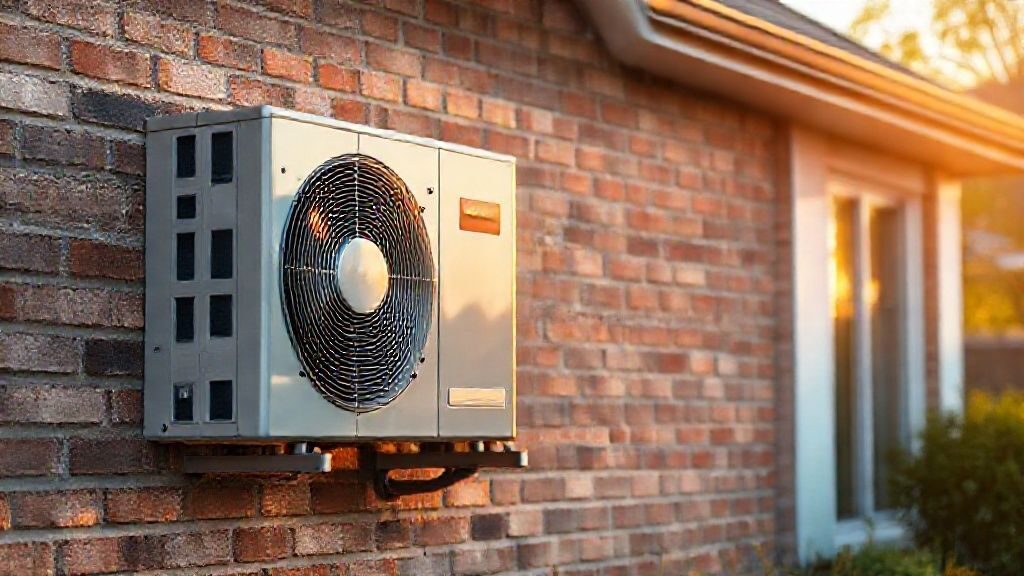
When most homeowners talk about their heating and cooling system, they usually think of two different machines: the furnace that burns fuel and the outdoor air conditioner unit that cools things down. When we talk about the heat pump, we are discussing one machine that handles both jobs by doing something fundamentally different: it moves heat energy rather than generating it.
I have spent decades examining how different technologies handle climate control, from the arid deserts of Arizona to the extreme humidity along the Gulf Coast. I remember one specific summer job in Tampa, Florida, where the humidity load was brutal. The client had an aging, standard AC unit that was constantly running but never keeping up. Swapping that system out for a modern, properly sized heat pump solved the problem immediately, not because the new system was “colder,” but because it was engineered to move much more thermal energy, even when ambient temperatures hovered in the high 90s. This core concept—moving heat, not making it—is what makes the heat pump one of the most efficient technologies available today.
Key Highlights
- Dual Functionality: A heat pump provides both heating and cooling from a single unit.
- Reversing Valve: The critical component that allows the system to switch between heating mode and cooling mode.
- High Efficiency: Heat pumps are significantly more efficient than traditional furnaces because they use electricity primarily to move heat, not create it.
- Refrigerant Cycle: The entire process relies on the compression and expansion of refrigerant to transfer thermal energy between the indoor and outdoor coils.
- Applications: They work well in temperate climates but modern cold-climate models are highly effective even below freezing.
What Exactly is a Heat Pump System?
A heat pump is essentially an air conditioner that can run backward. That is the easiest way to explain it to someone who is new to the technology. While an air conditioner can only extract heat from inside your home and dump it outside (cooling mode), a heat pump has a component called a reversing valve that changes the direction of the refrigerant flow. This allows the system to extract heat energy from the outside air, even when it is cold, and deposit that heat inside your home (heating mode).
When I inspect a system, whether it is an old furnace or a new heat pump, the principles of physics are always the same. Heat energy naturally moves from warmer objects to cooler objects. When you are cooling your home, the refrigerant absorbs heat from the indoor air (the warmer object) and transfers it to the cooler outdoor air. In heating mode, the system reverses this. It extracts heat from the relatively cool outdoor air (even 30-degree air contains substantial heat energy) and concentrates it to warm the indoor space.
The term “heat and pump” perfectly describes what it does. It is not converting fuel or resistance energy into warmth; it is physically pumping existing thermal energy from one location to another. This distinction is the core reason for the heat pump’s exceptional energy efficiency, which is typically measured by its Coefficient of Performance (COP).
How the Heat Pump Cycle Provides Both Heating and Cooling
Understanding the heat pump cycle requires knowing the four primary components involved: the compressor, the condenser coil, the expansion valve, and the evaporator coil. The fifth critical component unique to the heat pump is the reversing valve.
In Cooling Mode, the cycle works exactly like a standard air conditioner:
- The indoor coil acts as the evaporator, absorbing heat from the indoor air.
- The hot, pressurized refrigerant is pumped outside to the outdoor coil, which acts as the condenser.
- The refrigerant releases its heat into the cooler outdoor air.
- The system then repeats the cycle, continually moving heat out of your home.
In Heating Mode, the reversing valve engages. This is where the magic happens and the system earns the name “heat pump.”
- The refrigerant flow is switched. Now, the outdoor coil acts as the evaporator. Even if the temperature outside is near freezing, the refrigerant, which is much colder than the ambient air, absorbs heat energy from the surrounding environment.
- The now warmed refrigerant moves inside.
- The indoor coil acts as the condenser. A fan blows indoor air across this hot coil, and the refrigerant releases the captured heat energy directly into the home.
- The system repeats the cycle.
The complexity is managed entirely by the reversing valve, which is a simple solenoid mechanism. When the thermostat calls for heat, the valve shifts, the cycle reverses, and the unit starts pulling heat in. When the thermostat calls for cool, the valve shifts back, and the unit starts pushing heat out. Because the unit is simply transporting existing heat, the electrical input required is only to run the fans, the compressor, and the controls. This means that for every unit of electricity consumed, a modern heat pump can deliver three or four units of heating or cooling energy—a highly efficient exchange.
The Key Benefits of Choosing a Heat Pump for Your Home
The decision to switch to a heat pump is often driven by three major factors: efficiency, comfort, and environmental impact. From a purely practical standpoint, moving to a heat pump simplifies your infrastructure, and for many homeowners, the long-term operational savings are substantial.
Unparalleled Energy Efficiency
As I mentioned, the efficiency of a heat pump, measured by the Coefficient of Performance (COP), is excellent. Traditional furnaces operate with an efficiency that measures how much fuel energy is converted to heat (AFUE, often 80% to 98%). A heat pump’s COP is usually 3.0 to 4.0, meaning it delivers 300% to 400% of the energy it consumes as thermal output. This translates directly to lower utility bills, especially during moderate heating and cooling months.
Year-Round Versatility and Simplified Maintenance
Having one system that manages both climate tasks simplifies maintenance routines. Instead of servicing two major appliances, you focus on the single unit and its indoor components. This integrated approach also provides superior dehumidification during the cooling season compared to many older, oversized air conditioning units. If you are looking to find the best hvac solutions for your home comfort needs, a high-efficiency heat pump is usually at the top of my recommendation list.
Environmental and Safety Advantages
Heat pumps use electricity and do not burn fossil fuels on site. This eliminates the carbon monoxide risk associated with combustion appliances like gas furnaces. Furthermore, depending on how your local utility generates power, a heat pump allows you to significantly reduce your home’s carbon footprint. As power grids increasingly rely on renewable energy sources, the heat pump becomes an even greener technology choice.
Types of Heat Pumps: Which System is Right for You? (Air Source, Geothermal, Ductless)
When homeowners decide to investigate a heat pump, they usually encounter three primary system types. Your budget, local climate, and existing ductwork will determine the best fit.
Air Source Heat Pumps (ASHPs)
These are the most common systems. An ASHP uses the outdoor air as its primary heat source or heat sink. They are reliable, relatively inexpensive to install (especially if you already have ductwork), and are constantly improving. Modern cold-climate heat pumps have sophisticated compressors and refrigerants that allow them to maintain efficiency and comfort even when outdoor temperatures dip well below freezing, sometimes down to -15°F or -20°F. If your current setup involves an AC and a furnace, you can often swap the AC for a heat pump, keeping the furnace as backup auxiliary heat for the very coldest days. This creates a highly efficient hybrid system, sometimes known as an ac with heater alternative.
Geothermal (Ground Source) Heat Pumps (GSHPs)
Geothermal systems represent the pinnacle of heat pump technology and efficiency. They do not rely on volatile outdoor air temperatures. Instead, they circulate fluid through buried loops (either vertical or horizontal) to exchange heat with the constant temperature of the earth (usually 45°F to 75°F, depending on location and depth). Because the heat source/sink is stable year-round, these units achieve the highest seasonal efficiency ratings. The upfront cost for drilling and installation is high, but the long-term operational costs are usually the lowest possible.
Ductless Mini-Split Heat Pumps
Ductless systems are ideal for homes without existing ductwork, additions, garages, or for zoning specific areas. They consist of an outdoor condenser unit connected to one or more indoor heads mounted on the wall. These are essentially air source heat pumps that deliver climate control directly to the room. They offer incredible flexibility and efficiency, allowing for individual temperature control in different zones of the house. I install a lot of these in specific situations, particularly for older homes undergoing remodeling. If you are looking at specific solutions like ductless mini splits sussex wi or anywhere else, you are looking at one of the best ways to retrofit high-efficiency HVAC without the cost of installing full ductwork.
Heat Pump vs. Traditional Furnace and AC: A Comparison
The choice between a split-system heat pump and a traditional furnace/AC combo often comes down to upfront cost versus long-term operational savings and climate constraints.
Fuel Source and Cost
Traditional furnaces rely on natural gas, propane, or oil. These fuel costs fluctuate significantly based on global markets. Standard AC units require electricity. Heat pumps rely entirely on electricity for their operation, which makes budgeting simpler and insulates you from swings in fossil fuel prices.
Efficiency Metrics
When comparing performance, you need to look at different metrics:
- Cooling Efficiency: Both traditional ACs and heat pumps use SEER (Seasonal Energy Efficiency Ratio). Modern heat pumps often have very high SEER ratings (18 SEER and up).
- Heating Efficiency: Furnaces use AFUE (Annual Fuel Utilization Efficiency). Heat pumps use HSPF (Heating Seasonal Performance Factor). A high HSPF rating (typically 9.0 or higher) indicates superior efficiency compared to most furnaces.
The Role of Supplemental Heat
This is where the operational costs of a heat pump can sometimes spike. When the outdoor temperature drops significantly—usually below the balance point (the temperature at which the heat pump can no longer efficiently meet the heating load)—the system requires supplemental or auxiliary heat. In a standard heat pump, this is provided by electric resistance coils, often called strip heat. Electric resistance heating is 100% efficient (1 unit of electricity generates 1 unit of heat), but because it is not *pumping* heat, it is much more expensive to run than the primary heat pump cycle. If you live in a region with extremely cold winters, you must factor in the potential high cost of running auxiliary electric heat, or opt for a dual-fuel system (a heat pump paired with a gas furnace for backup).
Installation, Maintenance, and Longevity of Heat Pumps
A heat pump is a sophisticated machine, and its performance over its lifespan is heavily dependent on two things: professional installation and consistent maintenance. Do not cut corners on either of these points.
Professional Installation and Sizing
Sizing is paramount. An oversized heat pump will short-cycle, leading to poor dehumidification and stress on the compressor. An undersized unit will run constantly and rely too heavily on the expensive auxiliary heat. Because a heat pump manages both the heaviest heating and cooling loads, calculating the specific thermal demands of your home is crucial. This is not a DIY job. You need a contractor to perform a Manual J load calculation. If you are ready to upgrade or replace your current unit, contact us for a quote so we can ensure the proper sizing and installation procedures are followed.
Routine Maintenance
The routine for a heat pump is similar to an AC unit, but because the heat pump runs year-round—heating in winter and cooling in summer—it racks up operating hours faster. I recommend bi-annual maintenance checks. In the spring, your technician prepares the unit for cooling season (checking refrigerant charge, cleaning coils, testing the reversing valve). In the fall, they prepare it for heating season, checking defrost controls and making sure the outdoor unit pad is clear of debris. As a homeowner, your primary job is simple: keep the outdoor coil clean and ensure airflow is unrestricted. Dirty coils severely hamper the system’s ability to transfer heat, tanking your efficiency.
Lifespan and Financial Considerations
You can typically expect a modern, well-maintained heat pump to last 15 to 20 years, similar to a high-quality AC condenser unit. The compressor is the most expensive component, and proper maintenance extends its life significantly.
I know the upfront cost of a new heat pump system, especially geothermal, can be a barrier for many homeowners. However, various state and federal incentives are often available, specifically because these systems are highly efficient. Many distributors and contractors also offer flexible payment options. It is worth exploring options for financing, as getting a better unit sooner can start saving you money immediately. Options like ac unit monthly payments make the upgrade accessible without requiring a massive initial outlay.
FAQ
Do heat pumps work in cold climates?
Yes, absolutely. While older models struggled below 32°F, modern cold-climate heat pumps are designed specifically to operate efficiently down to -15°F or even lower. They employ advanced inverter compressors and improved refrigerants that allow them to extract meaningful heat energy from very cold air. In extremely cold temperatures, the system relies on backup auxiliary heat, but the need for that is decreasing rapidly with newer technology.
Are heat pumps noisy?
Modern heat pumps are generally very quiet, especially compared to older centralized AC units. Many high-efficiency models use variable-speed or inverter technology, allowing the compressor to ramp up and down based on demand, rather than kicking on at full blast. This leads to quieter operation overall.
Is installation more complex than a furnace/AC system?
Installation complexity depends on the type. Replacing an existing central AC unit with a heat pump is straightforward, as the infrastructure (ductwork and line sets) is already in place. Geothermal systems require significant groundwork (drilling or trenching). The main difference is the necessary expertise: installers must be highly proficient in refrigerant handling and balancing the unit for dual-mode operation.
How much space does a heat pump take up?
A central air source heat pump takes up the same footprint as a standard outdoor AC unit. Ductless systems require a small outdoor unit and compact indoor heads mounted on the wall. Geothermal systems have the smallest indoor footprint, usually residing in a mechanical closet, but require substantial land for the underground loop system.
Final Thoughts
Switching to a heat pump is often one of the smartest investments a homeowner can make in terms of comfort and efficiency. You are moving from a system that consumes energy to create heat to one that moves existing energy, which is inherently cheaper and greener. The heat pump has evolved past the point of being a niche product for moderate climates; it is now a powerful, reliable year-round solution for homes across the country.
My advice remains the same whether you are installing a heat pump or maintaining an existing system: focus on the quality of the installation and adhere to a strict bi-annual maintenance schedule. A heat pump operating at peak performance will serve you well for two decades, keeping your bills low and your home comfortable in any season.