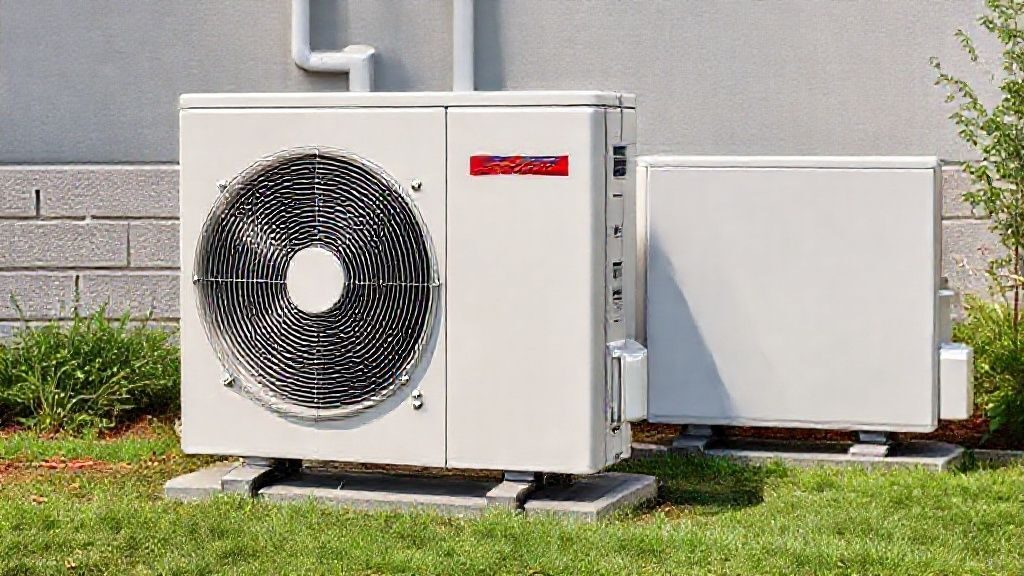
For decades, I’ve been out in the field, sizing up HVAC systems for homes and small businesses. I’ve seen just about every setup you can imagine, from inefficient furnaces barely chugging along to modern, sophisticated heat pump systems humming quietly. The trend is clear: more and more homeowners are looking for smart, energy-efficient ways to heat and cool their spaces, and that’s where heat pumps really shine.
I remember one time down in Tampa, Florida, a client had a massive old AC unit and a separate gas furnace for the few chilly weeks they got. Their utility bills were always a headache. After a thorough assessment, we replaced both with a single, high-efficiency heat pump system. They called me back a few months later, absolutely thrilled with how much lower their bills were and how consistent the comfort felt year-round. It’s a common story, seeing folks make the switch and never look back. When you’re looking at heat pumps for sale, you’re not just buying a piece of equipment; you’re investing in year-round comfort and significant energy savings.
Key Highlights
- Heat pumps provide both heating and cooling from a single, energy-efficient unit.
- They operate by moving heat, rather than generating it, leading to significant energy savings.
- Various types are available, including air-source, geothermal, and ductless mini-splits.
- Proper sizing and professional installation are critical for optimal performance and efficiency.
- Many heat pumps qualify for federal, state, and local rebates, reducing upfront costs.
- Regular maintenance ensures longevity and consistent energy efficiency.
Why Choose an Energy-Efficient Heat Pump?
If you’re reading this, you’re likely weighing your options for your home’s heating and cooling. I’ve heard countless homeowners tell me they’re tired of high energy bills or dealing with a system that just can’t keep up. That’s precisely where an energy-efficient heat pump comes into its own. Unlike traditional furnaces that burn fuel to create heat, or standard air conditioners that only cool, a heat pump simply moves heat. In the summer, it pulls heat from inside your home and moves it outside, just like an air conditioner. In the colder months, it reverses the process, extracting heat from the outdoor air or ground and transferring it inside to warm your home. Even on a cold day, there’s always some heat in the air, and a modern heat pump is designed to capture it.
This fundamental difference—moving heat instead of generating it—is what makes heat pumps so remarkably efficient. They don’t consume a lot of energy to create heat; they consume a modest amount of electricity to transfer existing heat. This means less wasted energy and more money in your pocket over time. Beyond the savings, you get a single system that handles both your heating and cooling needs, reducing clutter and simplifying maintenance. Many modern heat pumps also offer superior humidity control and quieter operation compared to older systems. For environmental reasons, they also produce fewer greenhouse gas emissions, especially when powered by renewable electricity. It’s a smart choice that offers year-round comfort, lower utility bills, and a smaller carbon footprint.
Types of Heat Pumps Available
When you start looking at heat pumps for sale, you’ll quickly discover there isn’t just one type. Each design has its own strengths and is suited for different applications. Understanding these differences is key to choosing the right system for your home.
Air-Source Heat Pumps
These are the most common type you’ll encounter. Air-source heat pumps work by exchanging heat with the outdoor air. They’re versatile and cost-effective to install for most homes. Modern cold-climate air-source heat pumps are designed to operate efficiently even when temperatures drop significantly below freezing. They use advanced compressors and refrigerants to extract heat from very cold air, providing reliable heating throughout most of the country. They can be split systems, with an outdoor unit and an indoor coil and air handler, or packaged units, where everything is in one outdoor cabinet.
Geothermal (Ground-Source) Heat Pumps
Geothermal heat pumps are arguably the most efficient type, as they tap into the stable temperatures of the earth. Below the frost line, the ground temperature remains relatively constant year-round. A geothermal system uses a loop of buried pipes filled with a circulating fluid to exchange heat with the earth. In winter, heat is absorbed from the ground and transferred into your home. In summer, heat from your home is released into the cooler ground. While the upfront installation cost is higher due to the excavation needed for the ground loops, the operating costs are significantly lower, and they have an impressive lifespan.
Ductless Mini-Split Heat Pumps
Ductless mini-splits are a fantastic solution for homes without existing ductwork, additions, or for creating zoned heating and cooling. They consist of an outdoor compressor unit connected to one or more indoor air-handling units via a small conduit. Each indoor unit can be controlled independently, allowing you to heat or cool specific rooms or zones to different temperatures, saving energy by not conditioning unoccupied areas. They are also a great option for supplementing an existing system in a hard-to-heat or cool room.
Hybrid (Dual-Fuel) Heat Pumps
In colder climates, some homeowners opt for a hybrid or dual-fuel heat pump system. This setup pairs an electric air-source heat pump with a traditional gas furnace. The system automatically switches between the heat pump and the furnace based on outdoor temperatures. When it’s moderately cold, the heat pump operates efficiently. If temperatures drop below a certain threshold (the “balance point,” usually around 30-35°F), the system switches to the more powerful gas furnace for optimal heating. This provides the best of both worlds: high efficiency for most of the year and robust heating capacity during extreme cold snaps.
How to Select the Right Heat Pump for Your Home
Choosing the right heat pump isn’t just about finding one that fits your budget; it’s about finding the perfect match for your home’s unique needs. Get this wrong, and you’ll end up with an inefficient system, uncomfortable temperatures, and higher energy bills. I’ve seen it happen more times than I care to count.
Sizing is Critical
The single most important factor is proper sizing. A heat pump that’s too small won won’t be able to keep your home comfortable on the hottest or coldest days. One that’s too large will cycle on and off too frequently (short cycling), which wastes energy, causes excessive wear and tear, and doesn’t adequately dehumidify your home in cooling mode. Sizing isn’t a guessing game; it requires a detailed load calculation based on your home’s square footage, insulation levels, window types and orientation, ceiling height, local climate, and even the number of occupants. We often talk about tonnage (1 ton equals 12,000 BTUs per hour) or BTUs (British Thermal Units) when discussing capacity. For instance, a small 1,500 sq ft home in a mild climate might need a 2-ton unit, while a larger, less insulated home in a more extreme climate could require a 4 or 5-ton system. For a comprehensive comparison, you might consider how a powerful unit, such as one designed to deliver up to 150000 btu air conditioner capacity in a combined system, relates to the specific heating/cooling needs of your home in terms of raw BTUs, even if that specific link is for an AC/gas heat combo.
Efficiency Ratings: SEER, EER, and HSPF
- SEER (Seasonal Energy Efficiency Ratio): This measures cooling efficiency over an entire cooling season. Higher SEER numbers mean greater efficiency. The current minimum for new systems is typically 14 or 15 SEER, depending on the region.
- EER (Energy Efficiency Ratio): This is a measure of cooling efficiency at a specific outdoor temperature (typically 95°F). It’s more of a snapshot of efficiency at peak demand.
- HSPF (Heating Seasonal Performance Factor): This measures heating efficiency over an entire heating season. A higher HSPF rating indicates a more efficient heat pump in heating mode.
When you see systems like a 3.5 ton 16 seer ac unit, that 16 SEER tells you about its cooling efficiency. A heat pump will have both a SEER and an HSPF rating, giving you a full picture of its year-round performance.
Climate Considerations
Your local climate plays a huge role. In milder climates, almost any air-source heat pump will perform exceptionally well. In colder regions, you’ll want to prioritize cold-climate heat pumps with high HSPF ratings or consider a dual-fuel system for reliable backup heat. Geothermal systems are excellent in any climate due to their consistent ground temperatures.
Ductwork and Zoning
If you have existing ductwork, a ducted air-source heat pump might be the most straightforward option. However, if your ducts are old, leaky, or improperly sized, you might need upgrades, which adds to the cost. For homes without ducts, or if you want precise temperature control in different areas, ductless mini-splits are a great choice for zoned comfort. We can help you find the best hvac solution for your specific setup.
Budget and Long-Term Value
Don’t just look at the initial purchase price. Factor in installation costs, potential rebates, and the projected energy savings over the system’s lifespan. A higher-efficiency unit might have a higher upfront cost but often pays for itself through lower utility bills in just a few years.
Top Heat Pump Brands and Models
Over the years, I’ve worked with just about every heat pump brand out there. While specific models change and improve continually, certain manufacturers have consistently proven their reliability, innovation, and customer support. When you’re evaluating heat pumps for sale, focusing on reputable brands is a solid starting point.
Some of the industry leaders known for quality heat pumps include:
- Carrier: Known for their high-efficiency Infinity series, offering advanced comfort features and quiet operation.
- Trane: Their ‘TruComfort’ variable-speed systems are celebrated for precise temperature control and impressive efficiency.
- Lennox: Offers a range of innovative heat pumps, including their high-end XC25, which boasts some of the highest SEER ratings in the market.
- Rheem/Ruud: Provide reliable and affordable options, often favored for their solid performance and value.
- Goodman/Amana: These brands offer robust, no-nonsense systems that are popular for their competitive pricing and decent warranties.
- Mitsubishi Electric: A leader in ductless and multi-zone mini-split systems, known for their Hyper-Heat technology, which performs exceptionally well in cold climates.
- Daikin: A global giant in HVAC, daikin ac americas inc is a significant player, offering a wide array of residential and commercial heat pump solutions, from traditional split systems to advanced VRV/VRF (Variable Refrigerant Volume/Flow) technologies. They are consistently pushing boundaries in efficiency and smart home integration.
When comparing models, look beyond just the brand name. Pay attention to specific features that enhance comfort and efficiency:
- Variable-Speed Compressors: These can run at different speeds, allowing the unit to precisely match the heating or cooling load, leading to superior efficiency, quieter operation, and more consistent temperatures than single-stage or two-stage units.
- Two-Stage Compressors: Offer a good balance between efficiency and cost, running at a lower speed for most of the time and kicking into high gear only when needed.
- Quiet Operation: Look for low decibel ratings, especially for outdoor units, if noise is a concern for you or your neighbors.
- Integrated Smart Controls: Many heat pumps integrate seamlessly with smart thermostats and home automation systems, allowing for remote access, energy monitoring, and advanced scheduling.
- Cold Climate Performance: If you live in a region with harsh winters, ensure the heat pump you choose is specifically designed and rated for low-temperature operation.
- Warranty: A strong warranty on the compressor and parts provides peace of mind.
Ultimately, the “best” brand or model is the one that best fits your specific home, climate, budget, and efficiency goals. Don’t hesitate to ask your HVAC professional for their recommendations based on your unique situation.
Heat Pump Installation & Professional Services
I can’t stress this enough: the best heat pump in the world won’t perform optimally if it’s not installed correctly. This isn’t a DIY job, and it’s not something you want to trust to just anyone. Professional installation is paramount for several reasons.
The Importance of Expertise
A qualified HVAC technician will perform a thorough load calculation, as I mentioned earlier, to ensure your heat pump is properly sized. They’ll also inspect your existing ductwork for leaks or sizing issues, which can drastically reduce efficiency. They know the local building codes and permits required, ensuring your installation is safe and compliant. Proper refrigerant charging, electrical connections, and system calibration are all critical steps that require specialized tools and expertise. An improperly installed system can lead to breakdowns, higher energy bills, and a significantly shortened lifespan.
What to Expect During Installation
When you hire a professional for a heat pump installation, here’s a general idea of what should happen:
- Site Assessment and Planning: The technician will confirm the best location for both indoor and outdoor units, considering clearances, drainage, and electrical access.
- Permit Acquisition: They’ll handle getting any necessary local permits.
- Removal of Old Equipment: Your old furnace and AC unit will be safely removed and disposed of.
- Ductwork Inspection/Modification: Any necessary repairs or modifications to your existing ductwork will be made to ensure proper airflow.
- Installation of New Units: The indoor air handler/furnace and outdoor condenser unit will be carefully placed and secured.
- Refrigerant Lines and Electrical Connections: New copper refrigerant lines will be run and properly insulated. Electrical wiring will be connected safely to your home’s power supply.
- Vacuum and Charging: The refrigerant lines will be evacuated to remove moisture and air, then charged with the precise amount of refrigerant. This is a critical step that often gets overlooked by less experienced installers.
- System Testing and Calibration: The system will be tested in both heating and cooling modes, airflow will be balanced, and controls will be set up.
- Post-Installation Review: The technician should walk you through the new system, explaining its operation, basic maintenance, and warranty information.
Choosing a reputable HVAC company ensures that these crucial steps are followed, giving you peace of mind that your new heat pump will perform efficiently and reliably for years to come. Don’t hesitate to ask for references, check their licensing, and confirm they are insured.
Heat Pump Cost, Rebates, and Financing Options
When you’re looking at heat pumps for sale, the upfront cost is always a big consideration. It’s a significant investment, but it’s important to look at the whole picture, including potential savings and financial incentives.
Factors Affecting Heat Pump Cost
The total cost of a heat pump system can vary widely based on several factors:
- Type of Heat Pump: Air-source heat pumps are generally the least expensive to install, followed by ductless mini-splits (depending on the number of zones). Geothermal systems have the highest upfront cost due to the extensive excavation and drilling required for the ground loops.
- Size and Capacity: Larger, higher-tonnage units needed for bigger homes will naturally cost more.
- Efficiency Ratings (SEER/HSPF): Higher efficiency models (e.g., SEER 18+ and HSPF 9+) tend to have a higher initial price tag but offer greater long-term energy savings.
- Brand and Features: Premium brands with advanced features (variable-speed compressors, smart controls, extreme cold climate performance) will be more expensive than basic models.
- Installation Complexity: Factors like new ductwork installation, electrical panel upgrades, or challenging outdoor unit placement can increase labor costs.
- Location: Labor rates and local regulations can also influence prices.
Rebates and Incentives
This is where a good portion of your upfront cost can be offset. Governments and utility companies are increasingly incentivizing the adoption of energy-efficient heat pumps due to their environmental benefits. It pays to do your homework here, or better yet, work with a professional who knows the local landscape:
- Federal Tax Credits: The U.S. federal government often offers tax credits for qualifying high-efficiency heat pumps, which can significantly reduce your tax liability. These can change, so it’s always good to check current IRS guidelines or talk to your tax professional.
- State and Local Programs: Many states, counties, and even cities offer their own rebate programs or low-interest loans for energy-efficient upgrades, including heat pumps.
- Utility Company Rebates: Your local electric or gas utility company might provide rebates or incentives for installing a high-efficiency heat pump, as it helps them manage energy demand.
Make sure to confirm eligibility requirements and application deadlines for any rebates before making a purchase. Often, your HVAC installer can help you navigate these programs.
Financing Options
If the upfront cost is a barrier, many HVAC companies and financial institutions offer financing options. These can include:
- Manufacturer Financing: Some heat pump manufacturers offer special financing deals, sometimes with low or no interest for a promotional period.
- HVAC Dealer Financing: Your local dealer might partner with lenders to provide various financing plans.
- Home Equity Loans/Lines of Credit: If you have equity in your home, this can be a low-interest way to finance a major home improvement.
- Energy Efficiency Loans: Some banks and credit unions offer specific loans for energy-efficient home upgrades, often with favorable terms.
Always compare interest rates and terms to find the best option for your financial situation. While the initial investment might seem steep, the long-term energy savings from a heat pump often result in a favorable return on investment, effectively paying for itself over its lifespan.
Heat Pump Repair and Maintenance
Just like any other mechanical system in your home, a heat pump needs regular attention to keep running at its best. Proper repair and maintenance aren’t just about preventing breakdowns; they’re crucial for maintaining efficiency, extending the life of your unit, and ensuring your comfort.
Routine Homeowner Maintenance
There are a few simple tasks you, as a homeowner, can do to help your heat pump perform well:
- Change Air Filters Regularly: This is the easiest and most impactful thing you can do. A clogged filter restricts airflow, forcing your system to work harder, which wastes energy and can damage components. Check your filter monthly and replace it every 1-3 months, or more often if you have pets or allergies.
- Keep the Outdoor Unit Clear: Ensure the outdoor condenser unit is free from leaves, grass clippings, dirt, and other debris. Trim back any bushes or plants at least 2 feet from the unit to allow for proper airflow.
- Clean Coils (Surface Level): Gently spray down the outdoor coil with a garden hose periodically to remove surface dirt. Avoid high-pressure washers, which can damage the delicate fins.
- Check for Obstructions: Make sure vents and registers inside your home aren’t blocked by furniture, drapes, or rugs.
Professional Annual Maintenance
While DIY maintenance is important, a professional tune-up once a year (or twice if you have a separate furnace and AC) is essential. During a professional heat pump tune-up, a technician will:
- Inspect and Clean Coils: Thoroughly clean both indoor and outdoor coils to ensure efficient heat transfer.
- Check Refrigerant Levels: Verify the refrigerant charge is correct. An improper charge significantly reduces efficiency and can damage the compressor.
- Lubricate Moving Parts: Ensure motors and other moving components are properly lubricated to prevent friction and wear.
- Inspect Electrical Components: Check all electrical connections, capacitors, and controls for proper operation and safety.
- Test Thermostat: Verify the thermostat is accurately sensing temperatures and communicating correctly with the heat pump.
- Check Blower Motor and Fan Blades: Ensure they are clean and operating efficiently.
- Inspect Ductwork: Look for leaks or damage that could be wasting energy.
- Test Defrost Cycle: For air-source heat pumps, ensure the defrost cycle is working correctly to prevent ice buildup on the outdoor coil in winter.
Common Heat Pump Issues and Signs of Trouble
Be aware of these signs that your heat pump might need repair:
- Unusual Noises: Grinding, squealing, buzzing, or clanking sounds often indicate a mechanical problem.
- Reduced Airflow: Weak airflow from vents can be a sign of a clogged filter, blocked ductwork, or a blower motor issue.
- Lack of Heating or Cooling: If your system isn’t providing the expected comfort, it could be a refrigerant leak, compressor issue, or electrical problem.
- Frequent Cycling: If your heat pump is turning on and off too often (short cycling), it could be oversized, have low refrigerant, or have electrical problems.
- Ice on Outdoor Unit (in non-defrost mode): A thin layer of frost during normal cold operation is typical, but thick ice buildup when it’s not in defrost mode indicates a problem.
- High Energy Bills: A sudden spike in energy consumption could mean your heat pump is losing efficiency due to a problem.
Don’t ignore these warning signs. Addressing small issues early can prevent them from becoming expensive breakdowns. Regular professional maintenance is truly the best way to protect your investment and ensure your heat pump runs smoothly year after year.
Frequently Asked Questions About Heat Pumps
What exactly is a heat pump?
A heat pump is an HVAC system that provides both heating and cooling for your home. Instead of generating heat by burning fuel, it transfers heat from one place to another. In summer, it moves heat from inside your home to outside. In winter, it extracts heat from the outside air or ground and moves it inside. It uses electricity to run a compressor and refrigerant, making it very energy efficient.
How do heat pumps work in cold climates?
Modern cold-climate heat pumps are designed to work effectively even when outdoor temperatures drop well below freezing, sometimes down to 0°F or even -15°F. They use advanced compressors and refrigerants to extract ambient heat from cold air. In extremely cold conditions, some heat pumps have auxiliary electric resistance coils as a backup, or they can be paired with a traditional furnace in a dual-fuel system for supplemental heating.
Are heat pumps more energy-efficient than traditional furnaces or air conditioners?
Generally, yes. Because heat pumps move heat rather than generate it, they can deliver more energy in heating or cooling than the electrical energy they consume. For example, a heat pump might be 300% efficient, meaning for every unit of electricity it uses, it delivers three units of heat. Traditional furnaces are typically 80-97% efficient, while standard air conditioners are rated by SEER. A high-efficiency heat pump typically outperforms separate furnace and AC units in terms of overall energy consumption.
What is the typical lifespan of a heat pump?
With proper installation and regular professional maintenance, an average air-source heat pump can last 10 to 15 years. Geothermal heat pumps, due to their buried components, often have an even longer lifespan, with indoor units lasting 20-25 years and ground loops potentially lasting 50 years or more.
Are heat pumps noisy?
Modern heat pumps are significantly quieter than older models. The outdoor units typically produce a low hum, similar to a refrigerator. Variable-speed compressors contribute to quieter operation as they don’t always run at full capacity. Indoor units are usually very quiet, especially ductless mini-splits, which are designed for quiet operation within living spaces. Most homeowners find the noise levels to be unobtrusive.
Do heat pumps need special thermostats?
Yes, heat pumps require a specific type of thermostat designed to control both heating and cooling cycles, as well as features like auxiliary heat and defrost cycles. Many modern heat pumps integrate with smart thermostats, which can further enhance efficiency and comfort through advanced scheduling, remote control, and learning capabilities.
Ready to Buy a Heat Pump?
Deciding to invest in a heat pump is a smart move for your home’s comfort and your energy bills. With all the information I’ve shared, you should have a much clearer picture of what to look for when you’re checking out heat pumps for sale. Remember, the key to a successful installation and long-term satisfaction lies in proper sizing, choosing a reliable unit, and expert installation.
My advice is always to get multiple quotes from reputable, licensed HVAC contractors. They can perform an accurate load calculation for your home, recommend specific models that fit your climate and budget, and discuss any available rebates or financing options. Don’t be afraid to ask questions about warranties, installation procedures, and their maintenance plans. Finding the right system for your home is about making an informed decision, and a good contractor will help guide you through that process.
If you’re ready to take the next step and explore specific options for your home, don’t hesitate. Reach out to local professionals to get tailored advice and estimates. You can easily contact us for a quote to start your journey toward a more comfortable and energy-efficient home.
Final Thoughts
Heat pumps have evolved significantly over the years. What was once considered a niche product or only suitable for mild climates is now a mainstream, high-performance solution for heating and cooling homes across the country. I’ve seen firsthand the comfort and savings they bring to homeowners.
As energy costs continue to fluctuate and environmental awareness grows, the demand for efficient, dual-purpose systems like heat pumps will only increase. Making the switch is not just about upgrading your HVAC system; it’s about investing in a more sustainable, comfortable, and cost-effective future for your home. Do your research, choose wisely, and trust the installation to professionals. You’ll be glad you did.