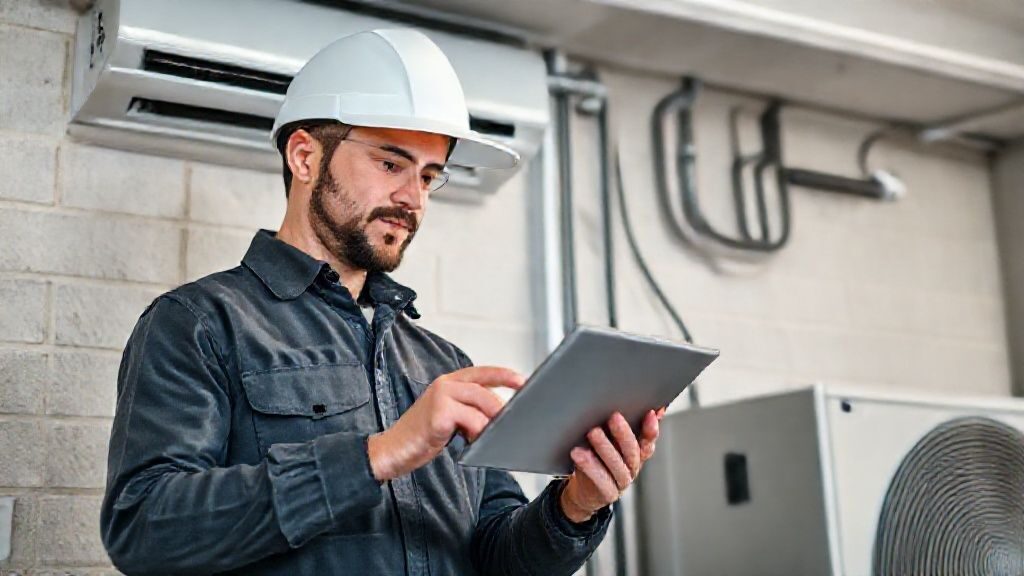
Folks often ask me, “Dave, what’s all this talk about HVAC online? Can I really buy a new air conditioner from my couch?” The short answer is yes, you can, and a whole lot more. The internet has changed how we approach nearly everything, and HVAC is no exception. From researching the latest heat pump models to finding a qualified technician for a repair, or even buying specific parts, a significant portion of your HVAC journey can now start, and often finish, online.
I remember a call I got from a homeowner in Tampa, Florida, back in ’08. Their AC went out mid-July, and they were scrambling. Before the internet was what it is today, they were flipping through phone books, making calls, waiting for return calls. It was a real hassle, especially in that kind of heat. Nowadays, that same homeowner could hop on their phone, read reviews for five local companies, get multiple quotes, and even schedule a service call within an hour. The difference is night and day. It’s about empowering you, the homeowner, with information and options right at your fingertips.
Key Highlights
- **Convenience & Speed:** Research, compare, and connect with HVAC professionals or purchase parts without leaving your home.
- **Access to Information:** Uncover a wealth of data on systems, energy efficiency, troubleshooting, and contractor reputations.
- **Price Comparison:** Easily shop around for systems, parts, and services to find the best value.
- **Detailed Reviews:** Benefit from other homeowners’ experiences to make informed decisions about contractors and products.
- **DIY Resources:** Find guides and support for minor maintenance or understanding complex issues before calling a pro.
What Does “HVAC Online” Truly Mean?
When I talk about “HVAC online,” I’m not just talking about buying a whole new system with a few clicks, though that is certainly possible. It’s a much broader concept. It means using the internet for every aspect of managing your home’s heating, ventilation, and air conditioning needs.
Think about it. It starts with research. You might be wondering about the energy efficiency of a new furnace, or comparing different types of air filters. Online, you can dive into product specifications, read expert reviews, and even compare aprilaire vs honeywell whole house humidifier options. This deep dive into information helps you understand your options better than ever before.
Then there’s the service side. Need a repair? You can search for local contractors, read customer testimonials, check their licensing, and request quotes—all without picking up the phone more than once or twice. Many companies now offer online scheduling, virtual consultations, and even remote diagnostics for smart systems. It streamlines the whole process, saving you time and giving you peace of mind.
For the DIY enthusiast, “HVAC online” is a treasure trove. You can find detailed troubleshooting guides, step-by-step repair videos, and forums where you can ask questions and get advice from other homeowners or even experienced technicians. And when you need a specific part, the internet opens up a huge marketplace, often at better prices than local suppliers. But remember, some jobs are best left to the professionals, especially when dealing with refrigerants or electrical components. Safety always comes first.
The Benefits of Managing Your HVAC Needs Online
There are some clear advantages to handling your HVAC needs through digital channels. I’ve seen them firsthand, both from the perspective of a service provider and as a homeowner myself.
First off, it’s about **convenience and speed**. In the old days, if your AC broke down on a Saturday, you might be waiting until Monday morning to even start finding a technician. Now, you can search for emergency services, check their availability, and sometimes even book an appointment in minutes. No more flipping through phone books or waiting on hold. You can do it from your smartphone while you’re at the grocery store or watching TV.
Then there’s the **power of information**. The internet gives you access to an incredible amount of data. You can research different HVAC brands, compare the Seasonal Energy Efficiency Ratio (SEER) of various units, understand the pros and cons of heat pumps versus traditional furnaces, and read up on the latest smart thermostat technology. This makes you a much more informed consumer, which is a powerful thing when you’re making a big investment.
**Comparison shopping** is another huge benefit. Whether you’re looking for a new system or just a replacement filter, you can easily compare prices from multiple vendors and contractors. This transparency can lead to significant savings. Instead of just accepting the first quote, you can gather several and make an educated decision. You can also compare warranties, installation packages, and maintenance plans side-by-side.
**Customer reviews and ratings** are invaluable. Before the internet, you might rely on a neighbor’s recommendation, which is fine, but it’s just one opinion. Online, you can read dozens, sometimes hundreds, of reviews from real customers who’ve used a particular contractor or purchased a specific product. This gives you a much broader understanding of a company’s reliability, professionalism, and the quality of their work. Just remember to look for patterns in reviews, both good and bad, and take overly emotional ones with a grain of salt.
Finally, there are **DIY resources**. For homeowners who like to tackle small projects, the internet is an amazing educational tool. You can find out how to change your filter, clean your outdoor condenser unit, or even troubleshoot common issues before you have to call a professional. This can save you money on service calls and help you maintain your system better, extending its lifespan. But again, know your limits and don’t take risks with electrical or refrigerant components.
How to Find Reputable HVAC Contractors Online
Finding a good HVAC contractor online is a lot like finding any other trusted professional. It requires a bit of detective work, but the tools are all there for you. Don’t just pick the first ad you see.
Start with **online review platforms**. Google Reviews, Yelp, and the Better Business Bureau (BBB) are your friends here. Look for companies with a high average rating and a significant number of reviews. Read through a good sample of both positive and negative comments. Are the complaints similar? Does the company respond professionally to criticism? That tells you a lot about their customer service.
Next, visit the **contractor’s website**. A professional, easy-to-navigate website is a good sign. It should clearly list their services, contact information, and hopefully, their service area. Look for information about their team, their experience, and any special certifications they hold. A company that invests in its online presence usually cares about its image and customer experience.
**Licensing and insurance are non-negotiable.** A reputable contractor will be licensed to operate in your state or municipality and carry proper insurance. You should be able to verify this information online, often through state licensing boards. Don’t hesitate to ask for proof. This protects you in case of accidents or subpar work.
Look for **local presence and experience**. While you can find companies that operate across broad regions, local contractors often have a better understanding of your area’s specific climate challenges and building codes. Many have been serving the community for years, which builds trust. You want someone who knows the lay of the land, not just the general theory.
Finally, get **multiple quotes**. Once you’ve narrowed down a few potential candidates, don’t be shy about reaching out to contact us for a quote from each. A good contractor will offer a detailed, written estimate that breaks down the costs of parts, labor, and any potential extras. Be wary of estimates that seem too good to be true or are vague on details. This also gives you a chance to interact with their customer service and gauge their professionalism.
Some contractors also offer **virtual consultations** these days. This can be a great way to get an initial assessment or quote without an in-person visit. You might show them your existing unit or problem area via video call, and they can provide preliminary advice or an estimate.
Buying HVAC Systems & Parts Online: A Step-by-Step Guide
Buying HVAC systems or parts online can be a smart move, potentially saving you money and offering a wider selection than local stores. However, it’s not like buying a book. There are some crucial steps you need to follow to ensure you get the right equipment and that it’s properly installed.
**Step 1: Do Your Research Thoroughly.** Before you even think about clicking “add to cart,” you need to understand what you’re buying. This means researching brands, types of systems (split systems, packaged units, ductless mini-splits, heat pumps), and specific models. Look into energy efficiency ratings like SEER (Seasonal Energy Efficiency Ratio) for ACs and AFUE (Annual Fuel Utilization Efficiency) for furnaces. Don’t forget to see our furnace selection for a wide range of options and specifications. Consider factors like noise levels, warranty periods, and smart home compatibility.
**Step 2: Correct Sizing is Paramount.** This is where many homeowners can go wrong. An HVAC system that’s too small won’t cool or heat effectively, running constantly and costing you more. One that’s too large will cycle on and off too frequently (short cycling), leading to uneven temperatures, higher humidity, and premature wear. Sizing isn’t just about square footage; it involves ceiling height, window types and insulation, climate, and the orientation of your home. Use online BTU calculators as a starting point, but ideally, have a professional perform a load calculation (Manual J calculation) to get it right. This is a critical step for efficiency and comfort.
**Step 3: Compare Prices from Reputable Online Retailers.** Once you know exactly what you need, start comparing prices. Many online HVAC wholesalers and retailers offer competitive pricing. Look for sites with clear product descriptions, good customer service, and transparent shipping policies. Read reviews specifically for the online store, not just the product. Be wary of prices that seem unusually low; they might indicate gray market products, old stock, or poor customer support. For example, if you’re looking for a gas central air system, you’ll find a lot of options and price points online.
**Step 4: Understand Shipping, Returns, and Warranties.** These details are critical for online purchases. Large HVAC units can be heavy and require special freight shipping, which can add significant cost. Confirm shipping times and what happens if the unit arrives damaged. Understand the return policy *before* you buy; some items may be non-returnable once opened or installed. Most importantly, clarify the warranty. Many manufacturers require professional installation by a licensed HVAC technician for the warranty to be valid. Skipping this step could leave you without coverage if something goes wrong.
**Step 5: Plan for Professional Installation.** Unless you are a licensed HVAC technician yourself, I strongly recommend hiring a professional for installation. As I just mentioned, it’s often a warranty requirement. Beyond that, proper installation is crucial for the system’s efficiency, performance, and longevity. An improperly installed system can lead to higher utility bills, frequent breakdowns, and even safety hazards. Coordinate with your chosen installer to ensure they are comfortable working with equipment you’ve purchased online and understand any specific requirements for that model.
**Step 6: Don’t Forget Accessories and Components.** Beyond the main unit, you might need new ductwork, a thermostat, or other components. If you’re doing a full system replacement, ensure everything is compatible. For those considering updating existing ductwork, understanding concepts related to small hvac ductwork and optimizing airflow can make a big difference in system performance.
By following these steps, you can confidently navigate the world of online HVAC purchases and ensure you end up with a system that meets your needs and provides reliable comfort for years to come.
Leveraging Online Tools & Resources for HVAC Homeowners
The internet isn’t just for buying; it’s also packed with free and low-cost tools and resources that can help you manage your HVAC system more effectively. I always encourage homeowners to educate themselves, and online is the best place to do it.
**Online Calculators:** You’ll find a range of calculators for everything from determining the correct BTU size for your space to estimating potential energy savings from an upgrade. While these are good starting points, remember they are often simplified. For precise sizing, as I mentioned, a professional Manual J calculation is best, but these calculators can give you a ballpark figure and help you understand the factors involved.
**Troubleshooting Guides:** Having an issue with your system? Before you call a technician, check out online troubleshooting guides. Many manufacturer websites offer detailed manuals and FAQs specific to their models. You can also find general HVAC troubleshooting articles and videos that cover common problems like why your AC isn’t cooling, why your furnace isn’t heating, or what that strange noise means. Often, simple fixes like a tripped breaker or a clogged filter can be resolved without a service call.
**Manufacturer Websites:** These are invaluable resources. They provide detailed product specifications, installation manuals, warranty information, and lists of authorized dealers and service providers. If you’re looking for information on a specific model, start there.
**HVAC Forums and Communities:** Websites like Reddit, dedicated HVAC forums, and even Facebook groups can be great places to ask questions, read about other homeowners’ experiences, and get advice. Just be sure to approach advice from non-professionals with a healthy dose of skepticism. While many people offer genuinely helpful tips, some might provide incorrect or even dangerous advice. Always verify critical information with a trusted professional.
**Energy Efficiency Resources:** Government websites (like Energy Star) and utility company sites offer a wealth of information on energy efficiency, rebates, and tax credits for HVAC upgrades. These resources can help you understand the long-term cost savings of investing in a more efficient system and how to maximize those savings.
**Comparing Accessories and Components:** Beyond the main unit, there are many accessories that enhance comfort and efficiency. Online resources allow you to compare options like smart thermostats, zoning systems, and whole-house humidifiers or dehumidifiers. For instance, if you’re weighing your options for improving indoor air quality, you can easily research the differences and benefits between aprilaire vs honeywell whole house humidifier models to see which best fits your home and budget.
By actively using these online tools, you empower yourself to make better decisions, potentially save money, and maintain a more comfortable home environment.
Tips for a Smooth & Secure Online HVAC Experience
While the online world offers immense convenience, it also comes with its share of risks. To ensure your online HVAC journey is smooth, safe, and secure, here are some key tips I’ve picked up over the years.
**1. Prioritize Secure Websites (HTTPS):** Always make sure the website you’re on uses HTTPS in its URL (you’ll see a padlock icon in your browser’s address bar). This means the connection between your browser and the website is encrypted, protecting your personal and financial information during transactions. Never enter payment details on a site that only uses HTTP.
**2. Read the Fine Print – Terms and Conditions:** I know, it’s tedious, but it’s crucial. Before making a purchase or booking a service, read the terms and conditions, privacy policy, and especially the return, refund, and cancellation policies. This helps you understand your rights and responsibilities and what to expect if issues arise.
**3. Payment Security:** Use secure payment methods. Credit cards often offer better fraud protection than debit cards. If available, consider using services like PayPal or Apple Pay, which add another layer of security by not directly sharing your card details with the merchant. Never pay via wire transfer or gift cards for online HVAC services or products, as these are often favored by scammers.
**4. Beware of Too-Good-To-Be-True Deals:** If an offer seems incredibly cheap, it probably is. Scammers often lure customers with impossibly low prices. Be skeptical of deals that are significantly lower than competitors. It could indicate counterfeit products, hidden fees, or a company that won’t deliver on its promises.
**5. Verify Contractor Credentials Independently:** If you’re hiring a contractor you found online, don’t just take their word for it. Independently verify their licensing, insurance, and any certifications (like NATE certification for technicians) with the relevant state or industry bodies. Legitimate companies will be transparent and happy to provide this information. If they push back, that’s a red flag.
**6. Get Everything in Writing:** For any significant service or product purchase, ensure you have a detailed written estimate or invoice before proceeding. This document should outline the scope of work, parts included, labor costs, warranty information, and payment schedule. This protects both you and the contractor and prevents misunderstandings down the line.
**7. Review Company Reputation Beyond Just Their Site:** While a company’s own website might showcase glowing testimonials, dig deeper. Check multiple independent review sites like Google, Yelp, and the Better Business Bureau. Look for consistent positive feedback and how the company handles any complaints. A few negative reviews aren’t necessarily a dealbreaker, but a pattern of poor service or unresolved issues is.
By keeping these tips in mind, you can navigate the online HVAC landscape with confidence, ensuring your transactions are safe and your needs are met by reliable providers.
FAQ
Can I really buy an entire HVAC system online?
Yes, you absolutely can. Many online retailers specialize in selling complete HVAC systems, including air conditioners, furnaces, heat pumps, and packaged units. They often offer competitive pricing due to lower overheads than traditional brick-and-mortar stores. However, remember that professional installation is almost always required to validate the manufacturer’s warranty and ensure the system operates safely and efficiently. Also, accurate sizing is crucial, so consider getting a professional load calculation first.
How do I know if an online HVAC contractor is legitimate?
Legitimacy starts with verification. Look for clear licensing information on their website and verify it with your state’s licensing board. Check for proof of insurance. Read customer reviews on independent platforms like Google, Yelp, and the Better Business Bureau. A reputable contractor will have a professional online presence, a history of positive customer feedback, and will be transparent about their credentials. Don’t be afraid to ask for references.
What about warranties for online HVAC purchases?
Warranties are a critical consideration. Most major HVAC manufacturers offer warranties on their equipment, but these often have specific conditions. A common condition is that the system must be installed by a licensed HVAC professional to be valid. If you plan to DIY the installation, you might void the warranty. Always read the manufacturer’s warranty terms and conditions carefully before purchasing, and clarify this with both the online seller and your chosen installer.
Is it cheaper to buy HVAC equipment online than from a local contractor?
Often, yes, the initial purchase price of the equipment itself can be lower online due to the competitive nature of e-commerce and lower overhead for online retailers. However, this doesn’t always mean the total installed cost will be cheaper. When you buy from a local contractor, the equipment cost is usually bundled with the installation, labor, and often a more comprehensive warranty package or service agreement. Factor in shipping costs, potential installation fees (if you hire a separate installer), and the convenience of a single point of contact when comparing total costs.
Can I get online help for troubleshooting my HVAC system?
Definitely. The internet is a fantastic resource for troubleshooting. You can find countless guides, videos, and forums that address common HVAC problems. Many manufacturers provide detailed troubleshooting sections on their websites. While these resources can help you identify and potentially fix minor issues (like a tripped breaker or a clogged filter), always prioritize safety. For complex repairs involving refrigerants, electrical components, or gas lines, it’s always best to call a licensed professional.
The Future of HVAC: Embracing the Digital Frontier
Looking ahead, the role of “HVAC online” is only going to grow. We’re seeing rapid advancements that are making our homes smarter, more efficient, and easier to manage, often directly through online platforms.
**Smart HVAC and IoT Integration:** The rise of smart thermostats is just the beginning. Future HVAC systems will be even more deeply integrated with the Internet of Things (IoT). Imagine systems that learn your preferences, anticipate your needs, and adjust settings based on external weather forecasts, occupancy sensors, and even utility peak pricing signals – all managed and monitored via a smartphone app or a web portal. This means more precise control, greater energy savings, and enhanced comfort, all facilitated by online connectivity.
**AI-Powered Diagnostics and Predictive Maintenance:** Artificial intelligence is set to revolutionize maintenance. Instead of waiting for a system to break down, AI can analyze performance data from your HVAC unit, identify subtle changes that indicate potential problems, and even predict when a component might fail. This allows for proactive maintenance, scheduling repairs before they become emergencies, which can significantly extend the life of your system and reduce costly breakdowns. You might even receive an alert on your phone saying, “Your compressor shows early signs of wear; schedule a technician within the next month.”
**Virtual Reality (VR) and Augmented Reality (AR) for Training and Design:** While less direct for homeowners, VR and AR will play a significant role in the industry’s digital future. Technicians can use VR for immersive training, learning to diagnose and repair complex systems in a simulated environment. For homeowners, AR apps could allow them to visualize how a new HVAC unit would look in their home or even help with simple troubleshooting by overlaying repair instructions onto real-world components viewed through a phone camera.
**Increased Reliance on Online Resources and Self-Service:** As systems become more sophisticated, so too will the online resources available to homeowners. Expect more interactive troubleshooting guides, personalized maintenance reminders, and even direct chat support with AI-powered assistants or live technicians through online platforms. The goal is to empower homeowners with more control and information, while still providing professional support when needed.
The digital frontier for HVAC means not just convenience, but also smarter, more efficient, and more reliable comfort for your home. It’s an exciting time to be in the industry, and for homeowners, it means having unprecedented access to information, services, and cutting-edge technology.
Final Thoughts
The world of “HVAC online” has truly opened up new avenues for homeowners. It’s no longer about just picking the first name in the phone book. You now have the power to research, compare, find reputable services, and even purchase equipment with a level of detail and convenience that was unimaginable a couple of decades ago.
My advice remains consistent: use these online tools, educate yourself, and be thorough in your due diligence. Information is power, but it needs to be accurate information from reliable sources. Always prioritize safety, especially when dealing with complex systems. Don’t be afraid to ask questions, verify credentials, and get everything in writing. A well-informed homeowner is often a satisfied homeowner.
Embrace the digital tools available, but always remember that the core principles of good HVAC — proper sizing, quality installation, and regular maintenance — remain timeless. The internet just makes it easier to achieve them.