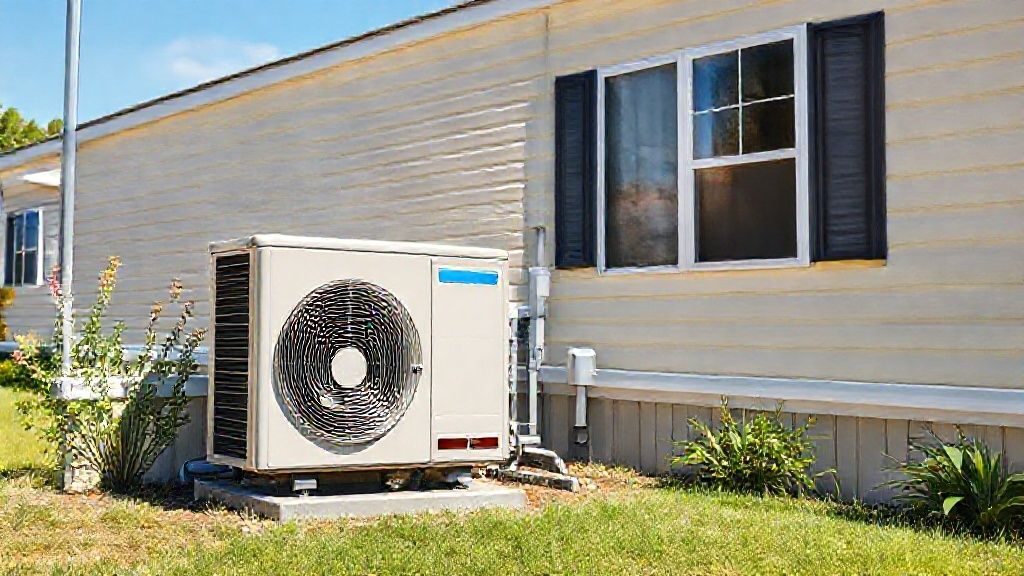
Navigating the world of air conditioning for a manufactured home can seem a bit different than for a site-built house, but it doesn’t have to be complicated. I’ve spent decades in this business, from the scorching summers of Phoenix, Arizona, to the humid heat of Orlando, Florida. I’ve seen just about every kind of setup you can imagine for cooling down a home. The principles of good HVAC design apply everywhere, but manufactured homes do have some unique characteristics that we need to consider when it comes to keeping them cool and comfortable.
I remember one summer in Dallas, Texas. We had a client with an older single-wide manufactured home. They’d been struggling for years with an oversized, inefficient window unit in the living room and a smaller one in the bedroom. They were paying a fortune in electricity and still sweating through July. We went in there, assessed the home’s specific needs – insulation, windows, the whole nine yards – and helped them transition to a properly sized, energy-efficient package unit. The difference was night and day. Their power bills dropped, and for the first time in years, their whole home stayed consistently cool. It’s a clear example of how getting the right system makes all the difference.
Key Highlights
- Manufactured homes often require specific AC unit types, like package units or side-discharge central split systems, due to their unique construction and ductwork.
- Proper sizing is critical; using Manual J calculations ensures an AC unit is neither oversized nor undersized, leading to optimal comfort and efficiency.
- Energy-efficient units (high SEER) and smart thermostats can significantly reduce operating costs over the life of the system.
- Regular maintenance, including filter changes and coil cleaning, is essential for prolonging the lifespan and maintaining the efficiency of your AC unit.
- Professional installation is highly recommended to ensure compliance with codes, proper airflow, and maximum system performance.
Understanding AC Units for Manufactured Homes
When we talk about air conditioning for manufactured homes, it’s important to recognize that these aren’t always the same as the systems you’d find in a traditional stick-built house. Manufactured homes have specific structural designs, often with unique ductwork configurations and space constraints. This means that while some standard AC systems can be adapted, others are specifically designed to meet these needs.
The main differences typically revolve around the location of the outdoor unit and how it connects to the indoor coil and ductwork. Many manufactured homes have a central duct system running through the floor, often requiring specialized connections. Additionally, the construction materials and insulation levels can vary significantly, which directly impacts the cooling load required. Understanding these nuances is the first step in choosing the right manufactured home AC unit.
What Makes Them Different?
Firstly, the ductwork. Most manufactured homes use a very specific type of ductwork, often rectangular and located within the belly of the home, underneath the floor. This design sometimes necessitates specific types of furnaces and coils that are designed for manufactured housing. A standard residential furnace or coil might not fit or connect properly to this existing ductwork. You’ll often see what are called “downflow” furnaces in manufactured homes, where the air supply comes out of the bottom of the unit, feeding directly into the floor ducts.
Secondly, space. Manufactured homes often have less exterior space for large, traditional condenser units, or perhaps a preference for a cleaner look without a large unit next to the home. This leads many homeowners and installers to consider package units, which consolidate all components into one exterior cabinet.
Thirdly, construction standards. While modern manufactured homes are built to rigorous HUD codes, older models might have varying levels of insulation or window efficiency. This directly impacts the cooling load and how effectively an AC unit can cool the space. A system that works great in a brand-new, well-insulated home might struggle in an older one.
Types of AC Systems Suitable for Manufactured Homes
You’ve got a few solid options when it comes to cooling a manufactured home. The best choice depends on your specific home, your budget, and what kind of setup you’re looking for.
Central Split Systems
A central split system is probably the most common type of AC you’ll find in homes today, manufactured or otherwise. It consists of an outdoor condensing unit and an indoor evaporator coil, which is usually paired with a furnace or an air handler. The outdoor unit rejects heat, and the indoor unit distributes cool air through your home’s ductwork.
- Pros: Excellent whole-home cooling, generally quiet operation indoors, good energy efficiency, and widely available.
- Cons: Requires ductwork, and installation can be more involved if you’re retrofitting a home without existing ducts. Sometimes the outdoor unit can be large. For manufactured homes, you’ll often see side-discharge condensers that are designed to fit closer to the home’s skirting, taking up less yard space than traditional top-discharge units.
Package Units (Self-Contained Units)
Package units are a fantastic solution for many manufactured homes. All the components – the compressor, condenser, evaporator coil, and even the blower – are housed in a single outdoor cabinet. This unit typically sits on a slab next to the home, or sometimes on the roof, and connects directly to the home’s ductwork. They often come in “side-discharge” configurations for manufactured homes, meaning the air flows horizontally rather than vertically, making installation easier with existing ducting.
- Pros: Simplified installation since all components are in one place, less indoor space required, and often specifically designed for manufactured home ductwork connections. They are generally robust and accessible for maintenance.
- Cons: Can be louder than split systems since all components are together, and if you have a breakdown, the entire unit needs service.
Ductless Mini-Splits
Ductless mini-splits are an increasingly popular option, especially for additions, sunrooms, or for homes where installing traditional ductwork is impractical or too costly. These systems consist of an outdoor condenser unit connected by a small conduit to one or more indoor air handlers. Each indoor unit provides cooling (and often heating) to a specific zone or room.
- Pros: Highly energy-efficient for zoned cooling, no ductwork required, flexible installation, and can provide both heating and cooling. If you’re wondering, “do mini splits have heat?”, the answer is often yes, as most modern mini-split systems are heat pumps.
- Cons: Higher upfront cost per zone compared to a single central system, and some people dislike the appearance of the indoor air handlers. To understand the investment, it’s worth looking into ductless heating and cooling prices.
Window Units & Portable ACs
While not ideal for whole-home cooling, window units and portable ACs can serve as supplemental cooling or for very small manufactured homes without central air. They are easy to install and relatively inexpensive upfront. However, they are generally less efficient, louder, and only cool the immediate area. For whole-home comfort, I always recommend a dedicated central or package system.
Key Considerations When Choosing an AC Unit
Picking the right AC unit isn’t just about grabbing the first one you see. There are several factors you need to weigh to ensure you get a system that performs well, saves you money, and lasts for years.
Home Type & Age
Is it a single-wide or a double-wide? How old is it? Newer manufactured homes are built to higher energy efficiency standards, meaning they might require less cooling capacity than an older, less insulated model of the same size. Older homes might also have original ductwork that needs to be inspected or sealed, or even replaced, which affects your system choice.
Ductwork: Existing vs. New
If your manufactured home already has a complete and well-maintained ductwork system, a central split system or a package unit is usually the most straightforward option. If you have no existing ducts, or they are in very poor condition, installing new ductwork can be a significant expense. In such cases, ductless mini-splits become a much more attractive alternative.
Energy Efficiency (SEER/EER)
This is where you save money in the long run. SEER (Seasonal Energy Efficiency Ratio) and EER (Energy Efficiency Ratio) are ratings that tell you how efficiently an AC unit converts electricity into cooling power. Higher numbers mean greater efficiency. While a higher SEER unit might cost more upfront, the energy savings over its lifespan can often outweigh the initial investment. Don’t cheap out on efficiency if you plan to stay in your home for a while.
Noise Levels
Nobody wants a noisy AC unit. Modern units are generally much quieter than older models, but there can still be significant differences between brands and types. Pay attention to the decibel ratings if noise is a concern for you, especially with package units where all components are together. Split systems tend to be quieter indoors because the noisy compressor is outside.
Brand & Warranty
Stick with reputable brands. They offer better reliability, easier access to parts, and more comprehensive warranties. A good warranty covers parts and, ideally, labor for a certain period. Always read the fine print to understand what’s covered and for how long. It’s an investment, so you want to be sure you’re covered if something goes wrong. Choosing a reliable brand often aligns with finding the best HVAC solutions for your home.
Budget: Initial Cost vs. Operating Costs
Your budget isn’t just about the purchase price. It’s about the total cost of ownership. A cheaper, less efficient unit will cost you more every month on your electric bill. A more expensive, high-efficiency unit will save you money on operating costs over the years. Balance the upfront investment with the long-term savings. Don’t forget to factor in installation costs, which can vary significantly.
Sizing Your AC Unit for Optimal Performance
This is, without a doubt, one of the most critical steps in selecting a manufactured home AC unit. Get this wrong, and you’ll either have a system that can’t keep up or one that cycles too frequently, costing you money and comfort.
Why Sizing Matters
An **undersized** unit will run constantly, never reaching your desired temperature, especially on the hottest days. It will struggle, wear out faster, and your home will still feel sticky and uncomfortable. An **oversized** unit is just as bad, if not worse. It will cool the house too quickly, then shut off (short-cycling). This leads to poor dehumidification (that clammy feeling), higher energy bills because it’s constantly starting and stopping, and premature wear and tear on the components.
BTUs & Tons: The Basics
AC capacity is measured in British Thermal Units (BTUs) per hour, or “tons” of refrigeration. One ton of cooling capacity equals 12,000 BTUs per hour. For example, a 3-ton unit provides 36,000 BTUs of cooling. You’ll typically see residential units ranging from 1.5 tons to 5 tons.
Factors Affecting Sizing
It’s not just about square footage. Many factors influence how much cooling your home needs:
- Square Footage: This is a starting point, but never the only factor.
- Climate Zone: A home in Arizona needs more cooling capacity than one in Oregon, even if they’re the same size.
- Insulation Levels: Wall, ceiling, and floor insulation play a huge role in heat gain.
- Window Type & Quantity: Large, single-pane windows facing south will let in a lot of heat. Energy-efficient, low-E windows reduce heat gain significantly.
- Ceiling Height: Taller ceilings mean more air volume to cool.
- Number of Occupants: People generate heat.
- Appliances: Stoves, refrigerators, and electronics all add heat to a home.
- Shading: Trees or awnings that shade your home can reduce heat gain.
- Orientation: Which direction your home faces relative to the sun.
Professional Load Calculation (Manual J)
This is where a professional comes in. A qualified HVAC technician will perform a Manual J load calculation, which is an industry standard for determining the precise cooling (and heating) requirements for your home. They’ll input all the factors I just mentioned into specialized software to give you an accurate BTU requirement. Don’t let anyone just guess or base it solely on square footage. It’s a recipe for disaster.
Installation & Maintenance Tips for Longevity
Even the best AC unit won’t perform well or last long without proper installation and regular care. This is an area where cutting corners will always cost you more in the long run.
Professional Installation is Non-Negotiable
I cannot stress this enough. An AC unit for a manufactured home is a complex system. It needs to be sized correctly, the refrigerant lines properly connected and charged, electrical wiring done safely, and the ductwork sealed. A poor installation can lead to:
- Leaks: Refrigerant leaks are bad for the environment and your wallet.
- Inefficiency: Improperly charged systems or leaky ducts waste energy.
- Breakdowns: Incorrect wiring or component stress leads to early failure.
- Safety Hazards: Electrical issues can be dangerous.
- Voided Warranty: Manufacturers often require professional installation to honor warranties.
Always hire a licensed and insured HVAC contractor with experience working on manufactured homes. You can reach out to us directly to contact us for a quote on installation.
Regular Filter Changes
This is the simplest, cheapest, and most effective maintenance you can do. A dirty filter restricts airflow, making your unit work harder, reducing efficiency, and potentially leading to frozen coils. Check your filter monthly, and change it every 1-3 months, or more frequently if you have pets, allergies, or live in a dusty area. Look for the MERV rating; a higher MERV rating means better filtration but might require more frequent changes and a system designed to handle the increased airflow resistance.
Coil Cleaning: Indoor and Outdoor
The outdoor condenser coil gets dirty from leaves, dust, pollen, and other debris. A dirty coil can’t shed heat effectively, reducing efficiency. Turn off the power and gently spray it down with a hose. For really stubborn grime, specialized coil cleaners are available. The indoor evaporator coil also collects dirt over time. This job is usually best left to a professional, as it requires access to the indoor unit and specialized cleaning solutions.
Ductwork Inspection & Sealing
Especially in older manufactured homes, ductwork can develop leaks at seams or connections. These leaks can waste a significant amount of cooled air into unconditioned spaces, driving up your energy bills. Have your ducts inspected periodically. If leaks are found, they should be sealed with mastic or specialized tape. A professional can also check for collapsed or damaged ducts that restrict airflow.
Annual Professional Tune-ups
Just like your car, your AC system benefits from an annual check-up. A technician will inspect all components, clean coils, check refrigerant levels, test electrical connections, lubricate moving parts, and make sure everything is running optimally. This preventative maintenance helps catch small issues before they become expensive breakdowns, maintains efficiency, and extends the life of your unit. It’s a smart investment.
Energy Efficiency & Cost Savings
In today’s world, efficiency isn’t just a buzzword; it’s a necessity for comfortable living and a healthy budget. Manufactured home AC units have come a long way in terms of energy efficiency, and leveraging these advancements can lead to significant savings.
High SEER Units: Investment vs. Savings
I mentioned SEER ratings earlier. While a unit with a higher SEER (like 16 SEER, 18 SEER, or even higher) might have a higher purchase price, it will consume less electricity to produce the same amount of cooling. Over 10-15 years, those monthly savings on your utility bill really add up, often recouping the initial extra cost and then some. Consider your climate; if you live in a hot region where your AC runs most of the summer, investing in a high-SEER unit makes even more sense.
Smart Thermostats
Installing a smart thermostat is one of the quickest ways to reduce your energy consumption. These devices allow you to program cooling schedules, control your AC remotely from your phone, and often learn your preferences. Some even integrate with home automation systems. By setting back the temperature when you’re away or asleep, you can significantly reduce the amount of time your AC is running unnecessarily, leading to substantial savings.
Insulation & Sealing: Complementary Measures
Your AC unit is only as good as the envelope of your home. No matter how efficient your AC system is, if cool air is escaping through leaky windows, doors, or poorly insulated walls and ceilings, you’re essentially cooling the outdoors. Inspect your home’s insulation, weatherstripping, and caulking. Sealing air leaks and improving insulation will drastically reduce the workload on your AC, allowing it to run less often and more efficiently. This often provides a better return on investment than just upgrading the AC alone.
Preventative Maintenance
As I touched on before, regular maintenance directly impacts efficiency. A dirty coil, low refrigerant, or a clogged filter all force your unit to work harder and consume more power to achieve the same cooling effect. Keeping your system clean and well-tuned ensures it operates at its peak efficiency, avoiding unnecessary energy waste and extending its lifespan.
Common Problems & Troubleshooting
Even the best systems can have issues. Knowing some basic troubleshooting can save you a service call, or at least help you describe the problem more accurately to a technician.
Lack of Cooling or Weak Airflow
- Thermostat Setting: Is it set to “cool” and at a temperature lower than the current room temperature? Is the fan set to “auto” or “on”?
- Dirty Air Filter: A clogged filter is the most common culprit. Check and replace it if dirty.
- Dirty Coils: Outdoor condenser coils packed with debris or indoor evaporator coils covered in grime will reduce cooling capacity.
- Refrigerant Leak: If the unit is running but blowing warm or only slightly cool air, you might have a refrigerant leak. This requires a professional.
- Frozen Evaporator Coil: If the indoor unit is completely iced over, it’s usually due to a lack of airflow (dirty filter, blocked return vent) or low refrigerant. Turn the unit off and let it thaw, then address the cause.
Strange Noises
- Squealing: Often indicates a worn fan belt or a bearing issue in the blower motor.
- Banging or Clanking: Could be a loose part, a failing motor, or an unbalanced fan.
- Humming: A gentle hum is normal, but a loud, persistent hum with no other action could indicate a failing capacitor or motor that isn’t starting.
- Hissing: Could be a refrigerant leak.
Leaking Water
- Clogged Condensate Drain Line: The most common reason for water leaking from the indoor unit. Algae or dirt can block the pipe, causing water to back up and overflow. You can often clear a minor clog with a wet/dry vac or a specialized tablet.
- Frozen Evaporator Coil: As the ice melts, it can overwhelm the drain pan or overflow if the pan itself is cracked.
Unit Not Turning On At All
- Thermostat Batteries: Simple, but often overlooked.
- Circuit Breaker: Check your electrical panel. A tripped breaker means the unit isn’t getting power. Reset it once. If it trips again immediately, there’s an electrical issue that needs professional attention.
- Emergency Shut-Off Switch: There’s usually a red switch near the outdoor unit or the indoor furnace/air handler. Make sure it’s on.
- Failing Capacitor: A common electrical component that helps start the motors. If it’s bad, the unit won’t start. This is a job for a pro.
When in doubt, or if you’re uncomfortable performing these checks, always call a qualified HVAC technician. Attempting repairs beyond your skill level can be dangerous and costly.
Where to Buy Manufactured Home AC Units
Once you’ve done your research and you know what kind of unit and size you need, the next step is procurement. You have a few avenues for purchasing an AC unit for your manufactured home.
HVAC Distributors & Online Retailers
Many HVAC distributors and online retailers specialize in manufactured home HVAC equipment. Sites like wholesale hvac can be excellent resources. They often carry package units, furnaces, and coils specifically designed to meet the requirements of manufactured housing. Buying online can sometimes offer competitive pricing, especially for the unit itself. However, remember that you’ll still need a qualified professional for installation.
Local HVAC Contractors
Working with a local HVAC contractor is often the most comprehensive approach. They can handle the entire process: assessing your home, performing the Manual J calculation, recommending specific units, selling you the equipment, and performing the installation. They’ll also be your go-to for warranty issues and future maintenance. While their prices might be slightly higher than online-only retailers for the equipment alone, the convenience, expertise, and integrated service are often worth it.
Manufactured Home Dealers
If you’re purchasing a new manufactured home, the dealer will typically include or offer AC options designed for their homes. This ensures compatibility and proper installation right from the start. If you’re looking to replace an existing unit in an older manufactured home, they might also have connections or parts specific to older models.
Importance of Matching Components
If you’re buying a split system, make sure the indoor coil and outdoor condenser unit are “matched.” This means they are designed to work together efficiently. Mixing and matching components from different manufacturers or different tonnage ratings can lead to reduced efficiency, poor performance, and even premature failure. Always verify that the AHRI (Air-Conditioning, Heating, and Refrigeration Institute) certificate confirms the match. This is similar to the considerations when buying a furnace – component compatibility is key for optimal performance.
FAQ
Here are some common questions I get about manufactured home AC units:
Can I use a regular AC unit in a manufactured home?
It depends. While some split systems designed for site-built homes can be adapted, manufactured homes often require specific types of units, like side-discharge package units or furnaces/coils designed for downflow applications with manufactured home ductwork. Trying to force a “regular” unit where it doesn’t fit or isn’t compatible can lead to inefficiency and installation problems. It’s always best to consult with an HVAC professional familiar with manufactured homes.
What’s a package unit, and why is it good for manufactured homes?
A package unit, also known as a self-contained unit, houses all the main components – compressor, condenser, evaporator, and blower – in a single outdoor cabinet. They’re good for manufactured homes because they are often designed for easy connection to the home’s existing ductwork, often through a horizontal (side) discharge, and they free up indoor space that a separate indoor air handler or furnace might occupy.
How long do manufactured home AC units typically last?
With proper installation and regular maintenance, you can expect a manufactured home AC unit to last between 10 to 15 years. Some might go longer, some shorter, depending on usage, climate, and how well it’s been cared for. Neglecting maintenance or improper sizing will definitely shorten its lifespan.
Is DIY AC installation an option?
Absolutely not for the main unit. Installing an AC unit involves working with high voltage electricity, specialized refrigerant handling (which requires EPA certification), ductwork connections, and precise charging. Improper installation can be dangerous, damage the unit, void the warranty, and lead to very expensive repairs. This is always a job for a licensed, experienced HVAC professional.
How often should I have my manufactured home AC serviced?
I recommend an annual professional tune-up. This allows a technician to clean, inspect, and fine-tune your system, catching small problems before they become major breakdowns, ensuring peak efficiency, and extending the life of your unit. Think of it like an annual check-up for your car.
What does “HUD approved” mean for an AC unit?
“HUD approved” refers to manufactured homes being built to the Manufactured Home Construction and Safety Standards (HUD Code). While AC units themselves aren’t individually “HUD approved,” an HVAC system installed in a manufactured home must comply with the home’s design specifications and local building codes, which are often influenced by the HUD Code. It means the unit and its installation methods are suitable and safe for manufactured housing.
Final Thoughts
Choosing and maintaining an AC unit for your manufactured home is a significant decision, but it doesn’t have to be complicated. The key takeaways are clear: proper sizing, the right type of unit for your home’s specific structure, professional installation, and consistent maintenance. Investing in these areas will ensure your manufactured home stays cool, comfortable, and efficient for years to come. Don’t hesitate to seek advice from a qualified HVAC professional who understands the unique aspects of manufactured home systems. They are your best resource for making an informed choice.