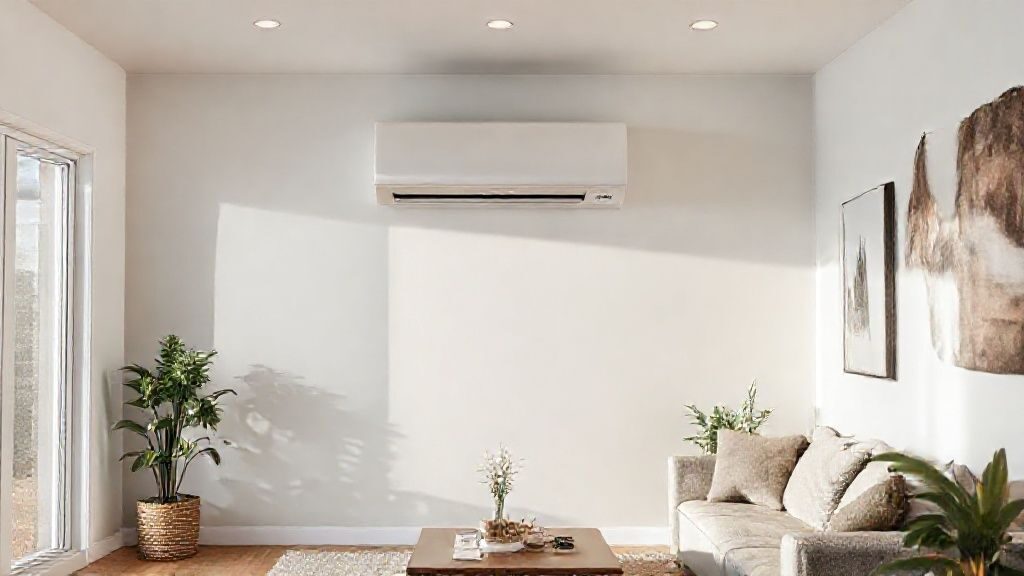
As an HVAC expert, I’ve seen a lot of changes in home comfort technology over the decades. One of the most significant and popular advancements has been the rise of mini split HVAC systems. These aren’t just a niche product anymore; they’ve become a go-to solution for homeowners looking for efficient, flexible heating and cooling. I’ve installed, serviced, and recommended hundreds of these units, from small add-ons to whole-home solutions. They offer a unique approach to managing your indoor climate, especially for spaces where traditional ducted systems just don’t make sense.
I remember a particular job in an older, historic home in Tampa, Florida. The owner wanted to add air conditioning without tearing into the plaster walls to install new ducts. The existing window units were noisy, inefficient, and frankly, an eyesore. A multi-zone mini split system was the perfect fit. We were able to install individual indoor units in key rooms, connected by small refrigerant lines to a single outdoor compressor, all with minimal disruption. The homeowner was thrilled with the quiet operation and the ability to control the temperature in each room independently. It was a clean, effective solution that preserved the home’s character while providing modern comfort.
Key Highlights
- Ductless Operation: Mini splits don’t require extensive ductwork, making them ideal for older homes, additions, or spaces where ducts are impractical.
- Zoned Comfort: Each indoor unit can be controlled independently, allowing you to heat or cool only the rooms you’re using.
- High Energy Efficiency: Many mini splits use inverter technology, which adjusts compressor speed to match demand, saving significant energy.
- Flexible Installation: Indoor units come in various styles (wall-mounted, floor-standing, ceiling cassette) to blend with your home’s aesthetics.
- Quiet Performance: With the loudest components located outside, mini splits operate very quietly indoors.
- Heating & Cooling: Most mini splits are heat pumps, providing both efficient cooling and heating from a single system.
What is a Mini Split HVAC System?
At its core, a mini split HVAC system is a ductless heating and air conditioning unit. Unlike a traditional central HVAC system that relies on a network of ducts to distribute conditioned air throughout a building, a mini split system delivers heating and cooling directly into the space it serves. This fundamentally changes how you think about climate control in your home.
The system typically consists of two main components: an outdoor compressor/condenser unit and one or more indoor air-handling units. These two parts are connected by a conduit, often called a “line set,” which houses the refrigerant lines, power cable, and condensate drain line. This line set requires only a small hole, usually around three inches in diameter, to pass through the wall, making installation much less intrusive than ductwork.
The outdoor unit is where the compressor and condenser coil are located. During cooling mode, it pulls heat from inside your home and releases it outdoors. In heating mode, functioning as a heat pump, it extracts heat from the outside air (even in cold temperatures) and transfers it indoors. This heat transfer process is what makes mini splits so energy efficient, as they are simply moving heat rather than generating it from scratch (as is the case with a traditional electric resistance heater). If you’re looking at alternatives to traditional electric furnaces, understanding how a heat pump works is key. For a deep dive into options including an electric hvac heater, it’s worth checking out various system types.
The indoor units, often sleek and compact, are responsible for circulating the conditioned air within the room. They contain an evaporator coil (for cooling) or condenser coil (for heating) and a fan. You can mount these units on a wall, suspend them from the ceiling, or even have them floor-standing, depending on the model and your aesthetic preferences. Each indoor unit typically has its own remote control, allowing precise temperature adjustments for that specific zone.
The beauty of the mini split lies in its simplicity and efficiency. It avoids the energy losses associated with leaky ductwork – losses that can account for 20-30% of energy consumption in traditional systems. By delivering conditioned air directly, mini splits ensure that the energy you pay for is primarily used to condition your living space, not to heat or cool your attic or crawl space.
Key Benefits of Ductless Mini Split HVAC
When I talk to homeowners about mini splits, their eyes often light up when they hear about the benefits. These systems offer advantages that traditional central air just can’t match in many scenarios.
- Zoned Comfort and Energy Savings: This is arguably the biggest draw. With a multi-zone mini split, each indoor unit acts as an independent thermostat. You can set the living room to 72°F, the bedroom to 68°F, and turn off the unit in a guest room that’s not in use. This level of control means you’re not paying to heat or cool unoccupied spaces. Over time, this targeted approach leads to substantial energy savings compared to conditioning your entire home uniformly with a central system.
- High Energy Efficiency: Beyond zoning, mini splits themselves are inherently efficient. Most modern units incorporate inverter technology, which allows the compressor to vary its speed rather than simply cycling on and off at full power. This continuous, modulated operation is far more efficient, akin to cruise control in a car. They also boast high SEER (Seasonal Energy Efficiency Ratio) and HSPF (Heating Seasonal Performance Factor) ratings, indicating superior performance in both cooling and heating modes.
- No Ductwork Required: This is a game-changer for many homes. Installing new ducts can be a major undertaking, often requiring extensive demolition, renovation, and a significant chunk of your budget. For additions, converted garages, finished basements, sunrooms, or older homes with plaster walls, the ductless nature of mini splits makes them the ideal, often only, practical solution for adding climate control without major construction.
- Simple, Flexible Installation: Because there are no ducts, installation is generally quicker and less disruptive. The outdoor unit sits on a pad or mount outside, and the indoor units attach directly to a wall or ceiling. The line set is usually run through a small, drilled hole and can often be concealed. This flexibility allows for cooling or heating in virtually any space.
- Improved Indoor Air Quality: Central duct systems can accumulate dust, allergens, and mold over time, which then get circulated throughout your home. While mini splits have filters that need regular cleaning, they don’t have extensive ductwork where these contaminants can build up unseen. This often results in cleaner air being delivered directly into your living space, a big plus for allergy sufferers.
- Quiet Operation: The noisiest components of an HVAC system (compressor and condenser) are located in the outdoor unit. The indoor units operate very quietly, typically generating sound levels comparable to a quiet hum or whisper. This makes them ideal for bedrooms, home offices, and living areas where peace and quiet are valued.
- Versatility: Most mini splits are reversible heat pumps, meaning they provide both heating and cooling from a single system. This eliminates the need for separate furnaces or window AC units, simplifying your home’s mechanical systems and saving space.
Single Zone vs. Multi Zone Mini Split Systems
Understanding the difference between single zone and multi-zone mini split systems is crucial when you’re deciding what’s right for your home. It really boils down to how many areas you need to condition and how much independent control you want.
Single Zone Mini Split Systems
A single zone mini split system consists of one outdoor unit connected to one indoor unit. It’s designed to heat and cool a single room or a specific, isolated area. This is the simplest configuration and is often used for:
- Room Additions: If you’ve added a sunroom, a new bedroom, or expanded a living space, a single zone mini split can efficiently condition that specific area without needing to extend your existing ductwork or overload your central system.
- Converted Spaces: Garages converted into workshops or living spaces, or finished basements, are perfect candidates. These areas often lack existing HVAC infrastructure.
- Server Rooms or Dedicated Spaces: For rooms with unique cooling demands, like a server closet or a home gym, a single zone unit provides dedicated control.
- Replacing Window Units: If you’re tired of the noise, inefficiency, and security concerns of a window AC unit, a single zone mini split offers a much more elegant and permanent solution.
The advantage here is focused power and efficiency for one space. It’s often the most cost-effective option for a single area.
Multi Zone Mini Split Systems
A multi-zone mini split system uses a single, more powerful outdoor unit to connect to multiple indoor units. Each indoor unit can be in a different room or zone, and each operates independently with its own thermostat. You can typically connect anywhere from two to eight (or even more, depending on the brand and model) indoor units to one outdoor unit. This configuration is ideal for:
- Whole-Home Comfort: If you want to replace or augment your central HVAC system and gain granular control over multiple rooms, a multi-zone system can provide whole-house heating and cooling without ducts.
- Homes Without Existing Ductwork: Older homes that were built without central heating or cooling systems can benefit immensely from a multi-zone mini split, preserving their architectural integrity while adding modern comfort.
- Targeted Comfort in Specific Areas: Perhaps you have a sprawling ranch house where some rooms are always warmer or colder. A multi-zone system allows you to balance temperatures and address those hot or cold spots directly.
- Renovations or Expansions: When renovating multiple areas or adding several new rooms, a multi-zone system can be more efficient and cost-effective than installing multiple single-zone units or trying to retrofit ductwork.
The key benefit of a multi-zone system is the ability to customize comfort for different occupants and different parts of your home, all while managing it from a single outdoor unit. This offers significant energy savings by only conditioning the spaces that need it, when they need it.
Mini Split Installation: What to Expect
Even though mini split installation is less invasive than traditional ducted systems, it’s still a job best left to experienced professionals. There are specific steps and technical requirements that need to be followed to ensure efficiency, safety, and longevity of the system. Here’s a general overview of what you can expect during the installation process:
- Site Assessment and Unit Placement: Before any work begins, a technician will assess your home. We look at factors like room size, insulation levels, window placement, and sun exposure to determine the appropriate capacity (BTUs) for each indoor unit. We’ll also discuss optimal placement for both the indoor and outdoor units, considering aesthetics, airflow, and accessibility for maintenance. The outdoor unit needs a stable, level surface and clear space around it for proper airflow. Indoor units should be placed to ensure good air distribution and accessibility for filter cleaning.
- Mounting the Indoor Unit(s): Once the placement is finalized, the indoor units are securely mounted to the wall or ceiling. A mounting plate is typically screwed into wall studs, and then the indoor unit hooks onto this plate. Precision is key here to ensure it’s level and secure.
- Drilling the Conduit Hole: A small hole, usually about 2-3 inches in diameter, is drilled through the wall directly behind or very near the indoor unit. This hole allows the line set (refrigerant lines, condensate drain, and electrical wiring) to pass from the inside to the outside of the home.
- Installing the Outdoor Unit: The outdoor unit is typically placed on a concrete pad or a sturdy mounting bracket off the ground. It needs to be level and situated in a spot where it won’t be obstructed by foliage or debris, ensuring proper airflow for its condenser coil.
- Connecting the Line Set: This is a critical step. The refrigerant lines, insulated electrical cables, and condensate drain hose are run from the indoor unit through the wall to the outdoor unit. The refrigerant lines must be carefully flared and connected to avoid leaks. This connection process requires specialized tools and expertise to ensure a hermetic seal.
- Electrical Wiring: The outdoor unit requires a dedicated power circuit from your home’s electrical panel. The indoor unit(s) connect to the outdoor unit for power and communication. All wiring must conform to local electrical codes. This is another reason why a qualified electrician or HVAC technician is essential.
- Vacuuming the Refrigerant Lines: Before refrigerant is released into the system, the lines must be thoroughly evacuated using a vacuum pump. This removes all air and moisture from the lines, which can otherwise cause system inefficiencies, corrosion, and ultimately, system failure. This step takes time and cannot be rushed.
- Charging with Refrigerant: Once the lines are completely evacuated, the correct amount of refrigerant is charged into the system, according to the manufacturer’s specifications.
- Testing and Commissioning: After all connections are made and the system is charged, the technician will power up the unit and test its operation in both heating and cooling modes. They’ll check for proper airflow, temperature differential, noise levels, and ensure the condensate is draining correctly. They’ll also walk you through how to use your new system, including the remote control and any smart features.
Throughout this process, a good installer will minimize disruption to your home and ensure that all work areas are cleaned up thoroughly afterwards. Don’t hesitate to ask your installer questions during the process; a reputable company will be happy to explain each step.
Energy Efficiency & Cost Savings with Mini Splits
When I talk to homeowners, energy efficiency and potential cost savings are always at the top of their minds. And for good reason: heating and cooling can be a significant portion of your utility bill. Mini splits genuinely excel in this area, offering several avenues for reducing your energy consumption and saving money.
Inverter Technology
Most modern mini split systems incorporate what’s called “inverter technology.” Unlike older, single-stage compressors that only operate at full power, an inverter compressor can vary its speed to precisely match the heating or cooling demand of your home. Think of it like a car’s cruise control: instead of constantly accelerating and braking, the inverter system maintains a steady, optimal performance. This continuous, modulated operation avoids the energy spikes associated with frequent on/off cycling, leading to much more stable temperatures and significantly lower energy use.
High SEER and HSPF Ratings
Mini splits consistently boast some of the highest SEER (Seasonal Energy Efficiency Ratio) and HSPF (Heating Seasonal Performance Factor) ratings available on the market today. A higher SEER indicates greater cooling efficiency, while a higher HSPF indicates greater heating efficiency. Many mini splits achieve SEER ratings well into the 20s and even 30s, and HSPF ratings above 10. For comparison, older central AC units might have a SEER of 10-13, and basic heat pumps often fall in the 8-9 HSPF range. These high ratings translate directly into lower operating costs for you.
For example, if you’re looking at 2.5 ton heat pump prices, you’ll find that mini splits in this size category often outperform traditional heat pumps in terms of efficiency, even if the initial purchase price might be slightly higher for the mini split. The long-term savings often make up the difference.
Zoning Capabilities
As discussed, the ability to zone your heating and cooling is a massive energy saver. Why pay to heat or cool your entire house when you’re only occupying a few rooms? With a multi-zone mini split, you can turn off units in unoccupied rooms, or set them to a less aggressive temperature. This targeted approach means you’re not wasting energy conditioning spaces that don’t need it. This can lead to 20-30% or even greater savings on your heating and cooling bills compared to a single central system.
Elimination of Ductwork Losses
Traditional ducted systems are notorious for energy losses through leaky or poorly insulated ducts. These losses can account for 20% to 30% of a system’s energy consumption. Since mini splits are ductless, they completely bypass this problem. All the conditioned air is delivered directly into the living space, ensuring that the energy you pay for is put to immediate and effective use.
Rebates and Incentives
Because of their high energy efficiency, many mini split systems qualify for federal, state, and local utility rebates and tax credits. These incentives can significantly offset the initial purchase and installation costs, making them an even more attractive investment. It’s always worth checking with your local utility provider and government websites to see what programs are available in your area before making a purchase.
Long-Term Savings
While the upfront cost of a mini split system can sometimes be higher than a basic central air conditioner or furnace, the long-term energy savings often make it a more economical choice over the lifespan of the equipment. Lower monthly utility bills, combined with potential rebates, contribute to a quicker return on investment and ongoing savings for years to come.
Even when considering larger systems like an ac unit 4 ton central air conditioners, the localized control and high efficiency of a multi-zone mini split can sometimes offer a more nuanced and ultimately more energy-efficient approach for homes with varied comfort needs or layouts that don’t suit extensive ductwork.
Common Mini Split HVAC Questions Answered
Over the years, I’ve heard a lot of questions about mini splits. Here are some of the most common ones I get from homeowners, along with my straightforward answers:
How cold or hot can they get?
Modern mini split heat pumps are remarkably capable. Many models can provide effective heating down to outdoor temperatures of -15°F or even -20°F, some even lower with diminished efficiency. For cooling, they perform exceptionally well in all but the most extreme desert heat, maintaining comfortable indoor temperatures. Their performance does vary by model and manufacturer, so it’s always good to check the specific operating range for the unit you’re considering.
Are mini splits noisy?
No, quite the opposite. This is one of their biggest selling points. The outdoor unit contains the compressor and condenser fan, which are the main sources of operational noise, but even these are designed to be quieter than traditional central AC units. The indoor units are remarkably quiet, typically operating at sound levels as low as 19-25 decibels, which is equivalent to a whisper or soft rustling leaves. You’ll likely notice the gentle hum of the fan more than anything else.
Can they really heat a whole house?
Absolutely. A properly sized multi-zone mini split system can effectively heat and cool an entire home. It involves strategically placing multiple indoor units throughout the house, connected to one or more outdoor units. The key is proper sizing and design. A thorough load calculation by an HVAC professional is essential to determine the correct BTU capacity for each room and for the overall system to ensure adequate comfort in all seasons.
How long do mini splits last?
With proper installation and regular maintenance, a mini split system can last 15 to 20 years, sometimes even longer. This lifespan is comparable to or often exceeds that of traditional central HVAC systems. Factors like consistent maintenance, the quality of the initial installation, and the operating conditions (e.g., extreme temperatures, constant use) can influence their longevity.
Do I need an HVAC professional to install it?
Yes, absolutely. While some handy homeowners might be tempted by DIY kits, installing a mini split involves working with refrigerant lines, electrical connections, and precise vacuuming and charging procedures. Incorrect installation can lead to refrigerant leaks, inefficient operation, system damage, and even safety hazards. Furthermore, improper installation will likely void your warranty. Always use a licensed and experienced HVAC professional for installation to ensure safety, efficiency, and to protect your investment. Trying to cut corners here usually costs more in the long run.
Do they require a lot of maintenance?
Mini splits require regular, but relatively simple, maintenance. The most frequent task is cleaning or replacing the indoor unit’s air filters, which homeowners can usually do themselves every 2-4 weeks, depending on usage and air quality. Beyond that, annual professional maintenance is recommended to clean coils, check refrigerant levels, inspect electrical connections, and ensure overall system health. This keeps them running efficiently and extends their lifespan.
Maintaining Your Mini Split for Optimal Performance
Like any sophisticated piece of machinery, your mini split HVAC system will perform its best and last the longest with regular maintenance. This isn’t just about avoiding breakdowns; it’s about ensuring it runs as efficiently as possible, keeping your energy bills down and your comfort levels high. Here’s what you need to do, and what you should leave to a professional:
Homeowner Maintenance Tasks:
- Clean or Replace Air Filters Regularly: This is the most crucial maintenance task you can perform. The indoor units of mini splits have reusable filters that trap dust, pet dander, and other airborne particles. When these filters get dirty, airflow is restricted, forcing the unit to work harder, which reduces efficiency and can lead to freezing coils or poor performance. I recommend checking them every 2-4 weeks and cleaning them as needed. Most filters can be simply rinsed with warm water and air-dried before putting them back.
- Keep Indoor Units Clean: Periodically wipe down the exterior of your indoor units with a soft, damp cloth. Dust accumulation on the vents can impede airflow. Make sure to turn off the unit before cleaning.
- Clear Around the Outdoor Unit: Ensure that the outdoor compressor/condenser unit has at least two feet of clear space around it on all sides. Leaves, grass clippings, weeds, shrubs, and other debris can block airflow to the coil, reducing efficiency and putting strain on the compressor. Trim any nearby vegetation and regularly clear away any accumulation of debris.
- Check the Condensate Drain: Occasionally, check the small drain tube (usually a flexible plastic hose) coming from the indoor unit to ensure it’s not clogged. A clogged drain can cause water to back up and leak from the indoor unit. If you notice an issue, you might be able to clear a minor blockage with a wet/dry vac, but be careful not to damage the line.
Professional Maintenance (Annually):
While you can handle the basic tasks, an annual professional tune-up is invaluable. A qualified HVAC technician will perform a comprehensive check-up that goes beyond what a homeowner can do:
- Coil Cleaning: Over time, dirt and grime can build up on both the indoor (evaporator) and outdoor (condenser) coils. This reduces heat transfer efficiency. Professionals use specialized cleaners and tools to thoroughly clean these coils without damaging them.
- Refrigerant Level Check: The technician will check the refrigerant pressure and levels. Low refrigerant can indicate a leak and will severely impact the system’s ability to heat or cool effectively. Adding refrigerant without fixing a leak is a temporary, costly solution.
- Electrical Connections Inspection: Loose or corroded electrical connections can be a fire hazard and lead to system malfunctions. The technician will inspect and tighten all wiring.
- Fan and Blower Motor Inspection: They’ll check the outdoor fan and indoor blower motor for proper operation, lubrication, and excessive noise.
- Condensate Drain Flush: Professionals will flush the condensate drain line to ensure it’s free of algae and mold buildup, which can cause clogs and water damage.
- Overall System Performance Check: The technician will test the system’s heating and cooling cycles, measure temperature differentials, and ensure all components are operating within manufacturer specifications.
Investing in annual professional maintenance is not an expense; it’s an investment that pays off in lower energy bills, fewer breakdowns, and a longer lifespan for your mini split system. It’s truly a critical step in getting the best hvac performance from your unit.
Is a Mini Split HVAC System Right For Your Home?
Deciding whether a mini split is the right fit for your home involves weighing several factors. As an HVAC professional, I always encourage homeowners to think through their specific needs, existing infrastructure, and long-term goals. Here are the key questions to consider:
Do you have existing ductwork?
- No Ductwork (or bad ductwork): If your home lacks central ducts (common in older homes or additions), or if your existing ductwork is leaky, poorly designed, or just plain old, a mini split is an excellent solution. It bypasses the need for costly and disruptive duct installation or replacement.
- Good Ductwork: If you have a relatively new, well-maintained, and efficient central ducted system that already provides good whole-home comfort, a mini split might still be beneficial for specific zones, but perhaps not for a full replacement.
Are you looking for zoned control?
- Yes: If you want the ability to set different temperatures in different rooms, or only heat/cool the rooms you’re using, mini splits are hard to beat. This is their core strength and a major energy-saving feature.
- No: If you’re content with a single temperature throughout your entire home and already have an efficient central system, the zoning aspect might not be as critical for you.
What are your energy efficiency goals?
- High Efficiency is a Priority: Mini splits, especially inverter-driven heat pump models, offer some of the highest SEER and HSPF ratings available, translating to significant energy savings over time. If lowering your utility bills and reducing your carbon footprint are important, mini splits are a strong contender.
- Budget-Constrained Initial Investment: While mini splits offer long-term savings, their initial installation cost can sometimes be higher per BTU than a basic central system, especially for multi-zone setups. However, factoring in rebates and the absence of ductwork costs can often make them very competitive.
Do you have specific problem areas in your home?
- Hot/Cold Spots: Do certain rooms never seem to get comfortable? A single-zone mini split can provide targeted heating or cooling to address these persistent problem areas without over-conditioning the rest of your house.
- Room Additions/Renovations: Mini splits are perfect for sunrooms, finished basements, converted garages, or home offices where extending existing ductwork is impractical or impossible.
What’s your budget for initial installation?
- Flexible Budget: If you’re prepared for an investment that will pay off in long-term energy savings and superior comfort, a mini split is a great choice. The cost can vary widely based on the number of zones, unit capacity, and installation complexity.
- Strict Budget for Upfront Costs: If your absolute priority is the lowest possible upfront cost, a very basic central AC system might initially seem cheaper, but it’s important to consider the long-term operational costs and comfort differences.
Are aesthetics a concern?
- Minimalist or Modern Look: Indoor units are sleek and come in various styles (wall-mounted, floor-standing, ceiling cassettes) designed to blend into modern interiors. The line sets can often be concealed.
- Invisible System is Preferred: If you truly want your HVAC system to be entirely out of sight, a central ducted system with discreet vents might be more appealing, assuming you have the space for ductwork.
Ultimately, a mini split system offers incredible flexibility, efficiency, and comfort control. For many homeowners, especially those with specific zoning needs, additions, or homes without existing ductwork, they represent one of the best HVAC solutions available today. I always recommend getting a professional consultation. An experienced technician can perform a load calculation, evaluate your home’s unique layout, and provide a detailed quote and recommendation tailored to your specific situation.
FAQ
Q: Can I install a mini split myself?
A: While it might seem tempting, I strongly advise against DIY mini split installation. It involves working with high-voltage electricity, highly pressurized refrigerants, and specialized tools (like vacuum pumps and flaring kits). Incorrect installation can lead to refrigerant leaks, electrical hazards, system damage, and will almost certainly void your warranty. Always hire a licensed HVAC professional.
Q: How often should I clean the filters?
A: For optimal performance, you should inspect and clean the reusable filters in your indoor unit(s) every 2-4 weeks, depending on usage and indoor air quality (e.g., if you have pets, you might clean them more often). They can typically be rinsed with warm water and air-dried.
Q: Do mini splits work well in very cold climates?
A: Yes, modern mini split heat pumps are highly effective in cold climates. Many models are designed to provide efficient heating down to outdoor temperatures of -15°F or even lower. Look for models with “cold climate” or “hyper heat” technology for the best performance in extreme cold.
Q: Can mini splits provide heating and cooling simultaneously in different rooms?
A: Generally, no, not with a standard multi-zone system connected to a single outdoor unit. The outdoor unit is either in heating mode or cooling mode. All indoor units connected to that single outdoor unit will then operate in the same mode (either heating or cooling). There are advanced, more complex VRF (Variable Refrigerant Flow) systems that can do this, but they are typically for commercial applications and much larger residential estates.
Q: How much do mini splits cost to install?
A: The cost varies significantly based on the number of zones, the system’s capacity, brand, installation complexity (e.g., length of line sets, electrical upgrades), and your geographic location. A single-zone system might range from $2,000-$5,000 installed, while a multi-zone system for an entire home could range from $8,000-$20,000+. It’s best to get multiple quotes from qualified local professionals.
Q: Are mini splits energy efficient?
A: Yes, they are very energy efficient. Most mini splits use inverter technology, which allows the compressor to adjust its speed, consuming only the energy needed to maintain the desired temperature. They also offer zoned control, allowing you to only heat or cool occupied rooms, further reducing energy waste compared to central ducted systems.
Final Thoughts
In my decades in the HVAC field, I’ve seen firsthand how mini split systems have evolved into a genuinely versatile and efficient solution for home comfort. They’re no longer just for supplemental heating or cooling; they’re a viable, often superior, option for whole-home climate control, especially in homes without existing ductwork or those looking for advanced zoning capabilities. The benefits in terms of energy savings, quiet operation, and installation flexibility are substantial.
Choosing an HVAC system is a big decision, and it’s one that deserves careful consideration. While I’ve laid out the facts about mini splits here, your specific situation is unique. That’s why I always recommend reaching out to a qualified professional. They can assess your home, perform a detailed load calculation, and help you determine if a mini split system is the right fit for your comfort needs and budget. If you’re considering a mini split or have more questions, don’t hesitate to contact us for a quote. Getting expert advice upfront ensures you make the best long-term decision for your home’s comfort and your wallet.