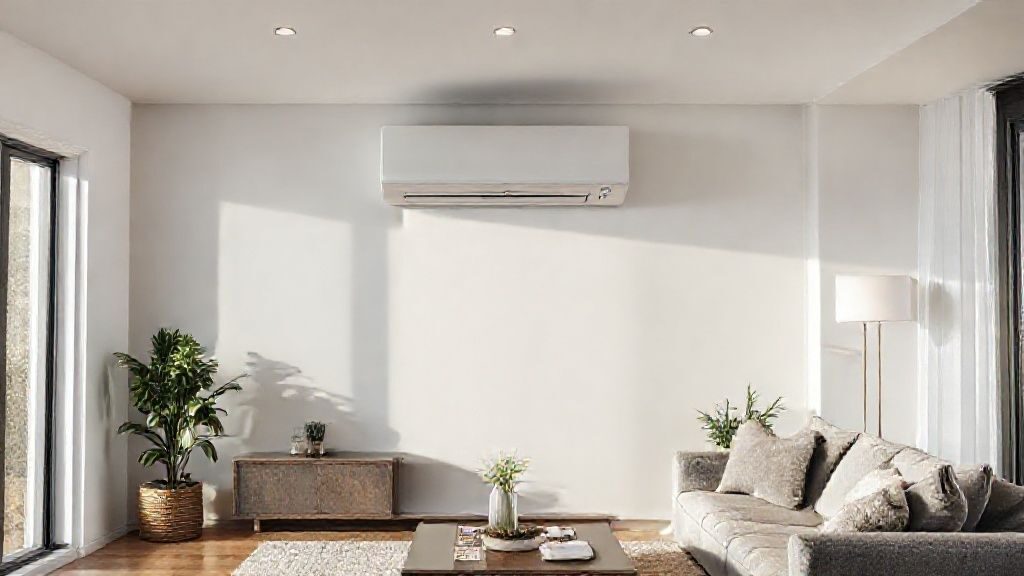
As an HVAC technician with decades under my belt, I’ve seen just about every heating and cooling system out there. From the old, noisy window units to massive commercial chillers, the technology has changed a lot. But one thing that’s consistently impressed me over the last few years is the rise of mini split systems, especially those from Mitsubishi. I remember working on an older home in Tampa, Florida, a few years back. The owner wanted to add AC to an upstairs addition, but running ductwork through the existing structure would have been a nightmare and ripped apart the historical plaster walls. A Mitsubishi mini split was the perfect fit. It gave them precise control, quiet operation, and didn’t touch the home’s original character. It’s that kind of flexibility and efficiency that makes them stand out.
Mitsubishi Electric has really become a household name in the ductless world, and for good reason. They’ve earned a solid reputation for putting out reliable, energy-efficient units that can adapt to just about any living space or commercial application. If you’re considering an upgrade or a new installation, understanding what these systems offer is a smart move. Let’s dig into the details of Mitsubishi mini splits, what they can do for your home, and why they might be the smart choice for your comfort needs.
Key Highlights
- Mitsubishi mini splits offer unparalleled zone control, allowing you to heat or cool individual rooms or areas independently.
- They are highly energy-efficient, often leading to significant savings on utility bills compared to traditional ducted systems.
- Installation is typically less intrusive and faster than installing ductwork, making them ideal for additions or older homes.
- Operation is remarkably quiet, both for the indoor and outdoor units, enhancing overall home comfort.
- Mitsubishi provides a wide range of styles and capacities, ensuring there’s a mini split solution for almost any application.
- Their advanced inverter technology precisely matches heating and cooling output to demand, improving comfort and efficiency.
- They can provide both heating and cooling, often performing well in cold climates with Hyper-Heating INVERTER™ technology.
What is a Mitsubishi Mini Split System?
At its core, a Mitsubishi mini split system, often called a ductless mini split, is a heating and cooling system that doesn’t rely on traditional ductwork. Unlike central air conditioners or furnaces that push conditioned air through a network of ducts to every room, a mini split system works by connecting an outdoor compressor/condenser unit directly to one or more indoor air-handling units. Refrigerant lines, along with power cables and a condensate drain, run through a small conduit in your wall, usually about three inches in diameter, connecting the outdoor unit to the indoor unit(s). This setup allows for targeted heating and cooling, which is a big part of their appeal.
The “mini” in mini split refers to its size compared to a large central HVAC system, and “split” refers to the separation of the outdoor and indoor components. Mitsubishi has refined this technology over many years, making their units some of the most advanced and reliable on the market. They use inverter technology, which allows the compressor to vary its speed and output, rather than just cycling on and off. This capability is key to their energy efficiency and consistent comfort. Instead of blasting cold or hot air until a set temperature is reached and then shutting off, an inverter-driven compressor can continuously run at a lower, more precise level, maintaining the desired temperature without the wide swings you sometimes get with traditional systems. This also means less wear and tear on components, potentially extending the life of the unit.
You’ll typically see these systems used in situations where ductwork is impractical or impossible, like in older homes, room additions, converted attics or basements, or even small commercial spaces. They’re also a fantastic solution for homeowners looking for precise temperature control in different areas of their house. Imagine being able to set your bedroom to one temperature, while the living room is at another, all without affecting the other zones. That’s the power of a mini split.
Key Benefits of Mitsubishi Mini Splits
When I talk to homeowners about Mitsubishi mini splits, the benefits are clear, and they often address common frustrations people have with their existing HVAC. Here’s what usually comes up:
-
Energy Efficiency: This is a big one. Mitsubishi mini splits are known for their exceptional energy efficiency. Their inverter technology, as I mentioned, allows the compressor to adjust its speed to meet the exact heating or cooling demand. This means the system isn’t constantly cycling on and off at full power, which is where a lot of energy waste happens with traditional units. Many Mitsubishi models boast high SEER (Seasonal Energy Efficiency Ratio) and HSPF (Heating Seasonal Performance Factor) ratings, translating directly into lower utility bills. You’re not paying to heat or cool rooms you aren’t using.
-
Zone Control: This is perhaps the most celebrated feature. With a multi-zone mini split system, each indoor unit operates independently, allowing you to set different temperatures in different rooms or zones. Imagine the downstairs living area staying cool for entertaining, while the upstairs bedrooms are kept warmer in the evening. This not only increases comfort for everyone in the house but also significantly reduces energy waste by not conditioning unoccupied spaces. This kind of flexibility is hard to achieve with a single central system.
-
Quiet Operation: Noise is a common complaint with older window units or even some central systems. Mitsubishi mini splits are remarkably quiet. Both the indoor and outdoor units are designed to operate at very low decibel levels. You often won’t even notice they’re running, which is a huge improvement for sleep quality and general household peace.
-
Flexible Installation: Without the need for extensive ductwork, installation is much simpler and less invasive. This makes mini splits perfect for homes without existing ducts, new additions, or situations where running new ducts would be too disruptive or costly. The indoor units come in various styles – wall-mounted, floor-mounted, ceiling cassettes – offering design flexibility to blend with your interior aesthetics. The small conduit only requires a minimal hole in the wall, preserving the integrity of your home.
-
Improved Air Quality: Many Mitsubishi indoor units come equipped with advanced filtration systems that can capture allergens, dust, and other microscopic particles, contributing to cleaner indoor air. Some models even have deodorizing filters. This is a valuable benefit, especially for those with allergies or respiratory sensitivities.
-
Heating and Cooling in One: Most Mitsubishi mini split systems are heat pumps, meaning they provide both heating and cooling from a single unit. This versatility eliminates the need for separate heating and cooling systems, saving space and simplifying maintenance. Their Hyper-Heating INVERTER™ technology allows them to provide efficient heating even in extremely cold temperatures, down to -13°F (-25°C), making them viable primary heating sources in many colder climates where traditional heat pumps might struggle.
Types of Mitsubishi Mini Split Systems
Mitsubishi offers a diverse range of mini split systems, ensuring there’s a solution for nearly any application. Understanding the different types helps you pick the right one for your specific needs:
-
Single-Zone Systems: These are the most straightforward. A single-zone system consists of one outdoor unit connected to one indoor unit. They’re perfect for heating or cooling a single room, a new addition, a converted attic, or a small office. If you only need to control the temperature in one specific area, a single-zone unit is efficient and cost-effective.
-
Multi-Zone Systems: For larger homes or spaces where you want individual temperature control in multiple rooms, multi-zone systems are the way to go. A single outdoor unit can connect to several indoor units (typically up to eight, depending on the model and capacity). Each indoor unit operates independently, allowing for personalized comfort settings in different zones. This provides the ultimate in flexibility and energy savings, as you only condition the spaces you’re actively using. This is where the true power of zone control shines, giving you ultimate control over your home’s climate.
-
Wall-Mounted Units: These are the most common and recognizable type of indoor unit. They’re mounted high on a wall, typically above a window or doorway, and distribute conditioned air quietly and effectively. They’re discreet, efficient, and come in various designs to blend with different interior styles. Mitsubishi’s sleek designs often feature remote controls and smart capabilities.
-
Floor-Mounted Units: If wall space is limited, or if you prefer heat to rise from closer to the floor (mimicking a radiator), floor-mounted units are an excellent option. They sit low on the wall, similar to a traditional baseboard heater, and are particularly effective for heating applications, as hot air naturally rises.
-
Ceiling Cassette Units: For an even more discreet look, ceiling cassettes are installed flush with your ceiling, with only a decorative grille visible. They distribute air in multiple directions, providing even heating or cooling. These are often chosen when aesthetics are a primary concern, or in commercial settings where wall space is at a premium. They’re a great choice for open-concept spaces or where you want to keep the walls clear.
-
Ducted Mini Splits (Concealed Ducted Units): While mini splits are known for being ductless, Mitsubishi also offers concealed ducted units. These indoor units are hidden within a ceiling, wall, or floor cavity and connect to a very short, compact duct run to deliver air to one or two registers. They offer the efficiency and quiet operation of a mini split but with the aesthetics of a traditional ducted system, as only the grilles are visible. This option is fantastic for those who want the benefits of a mini-split but prefer the look of traditional vents.
Mitsubishi Mini Split Installation Process
Installing a Mitsubishi mini split system is generally less complex than installing a full central ducted system, but it still requires professional expertise. It’s not a DIY job, as handling refrigerant, electrical connections, and ensuring proper sizing are critical for performance and safety. Here’s a general overview of what the process involves:
-
Sizing and Placement: The first step, and arguably the most important, is determining the correct size (BTUs) of the mini split system for your space. This involves assessing the room’s square footage, ceiling height, insulation levels, window types, and heat gain/loss. An undersized unit won’t cool or heat effectively, while an oversized unit will short-cycle, leading to inefficiency and poor dehumidification. The technician will also help you decide on the best placement for the indoor and outdoor units to maximize efficiency and minimize noise. For instance, you might want to consider the location of your outdoor unit relative to your patio or bedroom windows.
-
Mounting the Indoor Unit: The indoor unit is securely mounted on an interior wall, ceiling, or floor, depending on the chosen type. A small hole, typically 2.5 to 3 inches in diameter, is drilled through the wall directly behind the unit to accommodate the conduit that houses the refrigerant lines, condensate drain, and electrical wiring.
-
Mounting the Outdoor Unit: The outdoor compressor/condenser unit is placed on a sturdy, level pad or mounted on brackets to an exterior wall. It needs to be in a location with good airflow, away from obstructions, and with enough clearance for maintenance. The distance between the indoor and outdoor units needs to be within the manufacturer’s specified limits for optimal performance. While we’re talking about outdoor units and refrigerant, it’s worth noting that understanding the amount of refrigerant needed for various systems is crucial for proper operation, similar to how an installer considers how much refrigerant in a 5 ton unit for a larger system. Proper charging ensures efficiency.
-
Connecting the Lines: The refrigerant lines (copper tubing), electrical conduit, and condensate drain line are run through the small hole in the wall, connecting the indoor unit to the outdoor unit. These lines are carefully insulated and sealed to prevent energy loss and moisture intrusion.
-
Electrical Hookup: The system requires a dedicated electrical circuit. A qualified electrician will connect the outdoor unit to your home’s electrical panel and connect the indoor unit(s) to the outdoor unit’s power supply. This ensures the system receives the correct voltage and amperage without overloading other circuits.
-
Vacuum and Charging: Before the system is started, the refrigerant lines are evacuated with a vacuum pump to remove any air and moisture. This is a critical step because air and moisture in the refrigerant lines can severely impair efficiency and damage the compressor. Once evacuated, the system is charged with the precise amount of refrigerant as specified by the manufacturer.
-
Testing and Commissioning: Finally, the installer will power up the system, test all functions (heating, cooling, fan speeds, modes), check for leaks, and ensure it’s operating correctly and efficiently. They’ll also explain how to use your new system and its remote control or smart features. A professional installation ensures your Mitsubishi mini split runs at peak performance and lasts for years to come. For the best hvac results, always choose certified installers.
Understanding Mitsubishi Mini Split Costs
When you’re looking at installing a Mitsubishi mini split system, it’s natural to wonder about the cost. It’s not a simple one-size-fits-all answer, as several factors influence the final price. Knowing these factors will help you budget effectively and understand the quotes you receive.
-
System Type (Single-Zone vs. Multi-Zone): A single-zone system, covering just one room, will naturally be less expensive than a multi-zone system that connects several indoor units to one outdoor unit. More indoor units mean more equipment, more refrigerant lines, and more installation time. For example, a small single-zone unit might start at a few thousand dollars, while a multi-zone system for an entire home could easily be $10,000 or more, depending on the number of zones and capacity.
-
BTU Capacity: The British Thermal Unit (BTU) rating indicates the system’s heating and cooling power. Larger spaces, or spaces with high heat loads (lots of windows, poor insulation), will require higher BTU units, which cost more. For perspective, when thinking about energy consumption, many people wonder how many watts does a 2 ton ac unit use, and while mini-splits are more efficient, larger capacity units still naturally consume more power to deliver their increased output.
-
Indoor Unit Style: Wall-mounted units are generally the most affordable indoor options. Floor-mounted units, ceiling cassettes, and especially concealed ducted units, tend to be more expensive due to their design complexity and installation requirements.
-
Installation Complexity: This is a major cost driver. Factors like the distance between indoor and outdoor units, the difficulty of running refrigerant lines (e.g., through multiple floors or concrete walls), the need for new electrical circuits, and any required structural modifications can all increase labor costs. Easy, straightforward installations will be less expensive than complex ones.
-
Features and Technology: Mitsubishi offers a range of features, from basic models to advanced units with Wi-Fi control, specialized air filtration, and Hyper-Heating INVERTER™ technology for extreme cold. More features and higher efficiency ratings (SEER/HSPF) generally come with a higher price tag. However, the increased efficiency often leads to greater long-term savings on utility bills.
-
Labor Costs: Labor rates vary significantly by region and by the experience of the HVAC contractor. Always get quotes from reputable, licensed professionals to ensure the job is done right. A quality installation is paramount for the system’s longevity and performance.
-
Permits and Inspections: Most HVAC installations require permits and inspections, which add to the overall cost. These are necessary to ensure the installation meets local building codes and safety standards.
While the initial investment for a Mitsubishi mini split system can sometimes be higher than a window unit or even a basic central system, the long-term energy savings, superior comfort, and precise zone control often make them a very worthwhile investment. Don’t hesitate to contact us for a quote to get a clear understanding of the costs for your specific situation.
Maintenance Tips for Your Mitsubishi Mini Split
Just like any other HVAC system, your Mitsubishi mini split needs regular maintenance to keep it running efficiently and extend its lifespan. Neglecting maintenance can lead to reduced performance, higher energy bills, and costly breakdowns. Here are some key maintenance tips:
-
Clean or Replace Air Filters Regularly: This is the most crucial maintenance task you can do. The indoor unit’s air filters capture dust, dirt, and allergens. Over time, these filters get clogged, restricting airflow and making the system work harder, which wastes energy and reduces efficiency. Check your filters monthly and clean them (if washable) or replace them (if disposable) every 1-3 months, or more frequently if you have pets or allergies. This simple step can significantly impact your system’s performance and indoor air quality.
-
Keep the Outdoor Unit Clear: Ensure the outdoor unit is free from obstructions. Trim back any bushes, clear away leaves, grass clippings, dirt, and other debris that can accumulate around the unit. Good airflow around the outdoor coil is essential for efficient operation. Also, make sure snow isn’t piling up around or on top of the unit during winter months if you’re using it for heating.
-
Clean the Indoor Coil and Blower Fan: Periodically, the indoor coil and blower fan will accumulate dust and grime. While this often requires a professional cleaning, you can gently wipe down accessible surfaces. A professional technician will use specialized cleaners and tools to thoroughly clean these components, ensuring optimal heat transfer and airflow. Sometimes, a clogged condensate drain line can also lead to issues, and a professional can flush this out.
-
Check the Condensate Drain Line: The condensate drain line removes moisture from the indoor unit. If it becomes clogged with algae or debris, water can back up and potentially leak, causing damage. You can sometimes pour a cup of distilled vinegar down the drain line (if accessible and safe to do so) to prevent clogs, but a professional technician can ensure it’s clear and functioning properly.
-
Schedule Professional Tune-Ups: I always recommend an annual professional inspection and tune-up. A qualified HVAC technician can perform a comprehensive check of your system, including:
- Checking refrigerant levels and pressure.
- Inspecting electrical connections and components. For instance, sometimes issues can be as simple as a faulty goodman ac relay switch, but diagnosing these requires expertise.
- Cleaning coils and checking for proper airflow.
- Lubricating moving parts (if applicable).
- Verifying thermostat calibration.
- Identifying and addressing minor issues before they become major problems.
This preventative maintenance helps maintain efficiency, ensures reliable operation, and can prevent costly emergency repairs down the line.
-
Don’t Ignore Warning Signs: If you notice unusual noises, reduced heating or cooling performance, strange odors, or water leaks, don’t ignore them. Contact a professional immediately. Addressing problems early can save you money and prevent further damage to your system.
By following these maintenance tips, you can ensure your Mitsubishi mini split system provides efficient, reliable comfort for many years.
Why Choose Mitsubishi for Your Ductless System?
With several brands offering mini split systems today, why do I often point people towards Mitsubishi Electric? It comes down to a few key areas where they consistently perform exceptionally well:
-
Innovation and Technology Leadership: Mitsubishi Electric has been at the forefront of mini split technology for decades. They pioneered many of the advancements we see today, like advanced inverter technology and Hyper-Heating INVERTER™ systems. They continue to invest heavily in research and development, constantly pushing the boundaries of efficiency, quiet operation, and smart controls. When you choose Mitsubishi, you’re getting proven technology that often leads the industry.
-
Superior Efficiency: This ties directly into their innovation. Mitsubishi systems consistently achieve some of the highest SEER and HSPF ratings in the industry. Their precise inverter control means less energy waste and more consistent comfort, translating into significant savings on your utility bills. They are often Energy Star certified, and many models qualify for local utility rebates, further sweetening the deal.
-
Unmatched Reliability and Durability: In my experience, Mitsubishi units are built to last. They use high-quality components and undergo rigorous testing. This commitment to quality results in systems that are highly reliable and require fewer repairs over their lifespan. When a system is installed correctly and maintained, a Mitsubishi mini split can provide dependable service for 15-20 years or even longer.
-
Quiet Operation: I mentioned this as a general benefit of mini splits, but Mitsubishi takes it to another level. Their engineers focus heavily on noise reduction, designing both indoor and outdoor units to operate with minimal sound. This is a huge advantage, especially in bedrooms or quiet living spaces.
-
Advanced Comfort Features: Mitsubishi systems offer features designed to enhance comfort beyond just temperature control. This includes advanced air filtration, i-see Sensor™ technology that scans a room to detect hot and cold spots and directs airflow accordingly, and sophisticated zone control options. Their intelligent controls allow for seamless integration with smart home systems, giving you ultimate command over your climate.
-
Comprehensive Product Line: From small single-zone units for a garage workshop to multi-zone systems capable of heating and cooling an entire home, Mitsubishi has a broad product portfolio. This means there’s likely a perfectly matched solution for virtually any application, whether it’s residential, light commercial, or even specialized environments.
-
Strong Warranty and Support: Mitsubishi backs its products with strong warranties, often 10-year parts and compressor warranties when installed by a Mitsubishi Electric Diamond Contractor. This provides peace of mind, knowing your investment is protected. Their network of authorized dealers and technicians also ensures that you have access to expert installation and service.
Choosing Mitsubishi isn’t just buying an HVAC system; it’s investing in a proven solution for superior comfort, efficiency, and reliability that stands the test of time. Their consistent commitment to quality and innovation makes them a top contender in the ductless market.
Common Questions About Mitsubishi Mini Splits (FAQ)
How often should I clean the filters on my Mitsubishi mini split?
You should check your filters monthly and clean them (if washable) or replace them (if disposable) every 1 to 3 months. If you have pets, allergies, or run the unit frequently, you might need to clean them more often. Regular cleaning ensures optimal airflow and efficiency.
Can a Mitsubishi mini split heat my home in very cold climates?
Yes, many Mitsubishi mini split systems, particularly those with Hyper-Heating INVERTER™ (H2i®) technology, are specifically designed to provide effective and efficient heating even in extremely cold temperatures, down to -13°F (-25°C) and sometimes even lower, while still maintaining 100% heating capacity at 5°F (-15°C). This makes them a viable primary heating source in many northern climates.
Is a mini split cheaper to run than central air conditioning?
Often, yes. Mitsubishi mini splits are generally more energy-efficient than traditional central air conditioning systems, especially older ones, due to their inverter technology and zone control capabilities. By allowing you to heat or cool only the areas you are using, and by constantly adjusting output rather than cycling on and off, they can significantly reduce energy consumption and lower your utility bills.
Do I need a professional to install my Mitsubishi mini split?
Absolutely. While some aspects might seem straightforward, installing a mini split involves handling refrigerants, making precise electrical connections, and ensuring proper vacuuming and charging of the lines. Incorrect installation can lead to leaks, poor performance, reduced efficiency, and even damage to the unit, voiding your warranty. Always use a certified, experienced HVAC technician.
What is the typical lifespan of a Mitsubishi mini split system?
With proper installation and regular maintenance, a Mitsubishi mini split system can last 15 to 20 years, and sometimes even longer. Their robust construction and advanced components are designed for durability, and their inverter technology puts less stress on the compressor, contributing to a longer operational life.
Can a single outdoor unit support multiple indoor units?
Yes, multi-zone Mitsubishi mini split systems are designed for this. A single outdoor unit can be connected to multiple indoor units (typically 2 to 8, depending on the model and total capacity needed for your home), allowing you to create different temperature zones throughout your home, all controlled independently.
Final Thoughts
After all these years in the business, I can confidently say that Mitsubishi mini splits represent some of the best heating and cooling technology available today. They address so many of the common issues homeowners face – high energy bills, uneven temperatures, noisy operation, and the challenge of adding comfort to homes without ductwork. Their efficiency, quiet performance, and incredible flexibility with zone control make them a top-tier choice for comfort solutions.
Whether you’re looking to heat and cool a single room, a new addition, or your entire home, Mitsubishi has a reliable, energy-saving option that can be tailored to your specific needs. It’s an investment that pays off in consistent comfort and lower energy costs over the long run. If you’re serious about upgrading your home’s comfort and efficiency, a Mitsubishi mini split is definitely worth a close look.