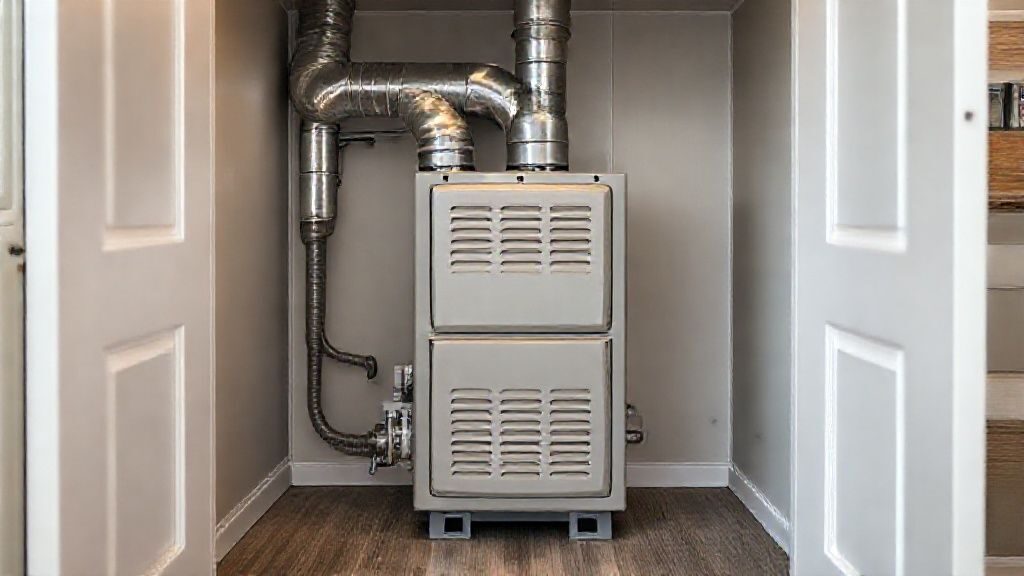
Welcome. If you own a mobile home, you know they come with their own set of considerations, especially when it comes to keeping them warm and comfortable. Heating a mobile home isn’t quite the same as heating a traditional stick-built house. Over my decades in the HVAC field, I’ve seen just about every heating scenario you can imagine in these homes, from the poorly ventilated to the perfectly cozy.
I remember one blustery winter out in the greater Denver area. A young couple had just bought a used double-wide and were trying to make it through their first cold season. They complained that no matter how high they cranked the thermostat, the place always felt chilly. When I got there, I found they were using an old, undersized, and frankly, unsafe furnace that belonged in a much smaller unit. The previous owner had tried to make do. It wasn’t just about comfort; it was a real safety hazard. It took a proper assessment and a correctly sized unit to get them comfortable and safe, but it’s a common story. Getting the right furnace for your mobile home isn’t just about staying warm; it’s about efficiency, safety, and long-term peace of mind.
Key Highlights
- Mobile home furnaces are specifically designed to meet HUD codes, often featuring downflow air distribution and compact sizes.
- Common fuel types include natural gas, propane, and electric, with electric being a popular, often cheaper to install, option.
- Proper sizing is critical; an undersized unit won’t heat effectively, and an oversized unit will short-cycle, both wasting energy and shortening lifespan.
- Installation involves specific clearances, ductwork connections, and ventilation requirements unique to mobile homes.
- High AFUE ratings indicate better energy efficiency, leading to lower operating costs over the furnace’s lifespan.
- Regular maintenance, especially filter changes and annual professional tune-ups, ensures longevity and safe operation.
- The cost varies based on fuel type, efficiency, brand, and installation complexity, but investing in quality pays off.
- Professional installation and servicing are non-negotiable for safety, efficiency, and warranty compliance.
Understanding Mobile Home Furnaces: What Makes Them Different?
You might think a furnace is just a furnace, but that’s not quite the case when it comes to mobile homes. These homes, also known as manufactured homes, are built to different standards than site-built houses. Specifically, they have to adhere to the Housing and Urban Development (HUD) code. This code dictates everything from structural integrity to the heating, ventilation, and air conditioning systems.
One of the most noticeable differences you’ll find in a mobile home furnace is its design for downflow air distribution. Most traditional residential furnaces are upflow, meaning they push heated air upwards into the ductwork located in the attic or ceilings. Mobile homes, however, commonly have their ductwork located under the floor, so the furnace is designed to push air downwards. This is a crucial distinction because installing an upflow furnace in a downflow system can lead to serious inefficiencies and air distribution problems.
Another factor is the physical footprint. Mobile homes are designed for efficiency in space, so their furnaces are often more compact. They’re built to fit into smaller utility closets or dedicated compartments. Clearance requirements are also specific and must be strictly followed to prevent fire hazards. You’ll often see specific combustion air requirements due to the tighter construction of many mobile homes, which can make natural ventilation more challenging.
The venting for exhaust gases is another area where mobile home furnaces differ. They typically use a sealed combustion system, drawing combustion air from outside and venting exhaust directly outside through a dedicated flue, often through the roof or sidewall. This is a safer design that prevents indoor air contamination and helps maintain indoor air quality.
Because of these unique characteristics, it’s not just a matter of picking any furnace off the shelf. You need a furnace specifically rated and approved for manufactured housing. Ignoring these differences can lead to anything from poor heating performance and higher utility bills to serious safety risks, including carbon monoxide poisoning or fire. Always check that any unit you consider is HUD-approved for mobile home installation.
Types of Furnaces for Mobile Homes: Gas, Electric, and Oil Options
Just like with traditional homes, mobile homes can be heated using various fuel sources. Your choice usually depends on availability in your area, your budget for both the unit and its operating costs, and personal preference. Let’s break down the most common types.
Natural Gas Furnaces
If your mobile home is located in an area with access to a natural gas line, this can be a very cost-effective heating option. Natural gas is generally one of the cheaper fuel sources, and modern gas furnaces are quite efficient. They provide a quick, powerful heat that many homeowners appreciate.
- Pros: Typically lower operating costs, strong heating capacity, clean-burning compared to oil.
- Cons: Requires a natural gas line connection, which isn’t available everywhere. Installation costs can be higher if a new line needs to be run.
Propane Furnaces
For mobile homes in rural areas without natural gas access, propane is a popular alternative. Propane furnaces operate very similarly to natural gas furnaces, delivering robust heat. The main difference is that propane is stored in a tank on your property and delivered by a supplier. Propane prices can fluctuate more than natural gas.
- Pros: Available almost anywhere (with a tank), powerful heating, similar performance to natural gas.
- Cons: Propane costs can be higher and more volatile than natural gas. Requires a storage tank and regular deliveries.
Electric Furnaces
Electric furnaces are very common in mobile homes, particularly in regions with milder winters or where gas lines are unavailable. They are typically less expensive to purchase and install than gas or oil furnaces because they don’t require a flue or gas lines. They work by passing air over heated electric coils.
- Pros: Lower upfront cost, simpler installation, no combustion byproducts, quiet operation.
- Cons: Generally higher operating costs, especially in colder climates, as electricity can be an expensive way to generate heat.
Oil Furnaces
Oil furnaces are less common in mobile homes today but are still found in some older units or specific regions. Similar to propane, oil requires a storage tank and regular deliveries. They provide strong heat but can be less efficient and require more maintenance than gas or electric units, particularly related to soot buildup.
- Pros: Can provide intense heat, good for very cold climates if other fuels aren’t an option.
- Cons: Higher fuel costs and environmental concerns compared to gas or electric. Requires a storage tank and more frequent maintenance.
Some mobile homes also utilize electric heat pumps, which can provide both heating and cooling. During colder months, a heat pump extracts heat from the outside air (even cold air has some heat energy) and transfers it indoors. In extremely cold conditions, an auxiliary electric heat strip might kick in to supplement. Heat pumps can be very efficient, especially in moderate climates. This dual-functionality can be an attractive option, but they typically have a higher upfront cost than a standalone furnace.
How to Properly Size a Furnace for Your Mobile Home
This is where many people go wrong, and it’s one of the most critical steps in ensuring your mobile home is comfortable and your heating system runs efficiently. Sizing isn’t just about the square footage; it’s a science. An undersized furnace will run constantly, never quite reaching the set temperature, costing you more in utilities and leading to premature wear. An oversized furnace will “short-cycle” – it heats up quickly, satisfies the thermostat, then shuts off, only to turn on again shortly after. This cycling also wastes energy, creates uneven heating, and puts unnecessary strain on components.
Furnace size is measured in British Thermal Units (BTUs), specifically BTUs per hour (BTUh). To accurately determine the right BTU output for your mobile home, a professional HVAC technician will perform a heat load calculation. This isn’t just a simple rule of thumb; it’s a detailed assessment that considers multiple factors:
- Square Footage: This is the starting point, but far from the only factor.
- Climate Zone: How cold do your winters get? Homes in Minnesota need more heating capacity than homes in Florida.
- Insulation Levels: The R-value of your walls, ceiling, and floor insulation plays a huge role in how much heat your home retains. Mobile homes, especially older ones, can vary wildly in this regard.
- Window and Door Quality: Single-pane windows and poorly sealed doors are major sources of heat loss. The number and size of windows also matter.
- Air Leakage: Drafts from cracks, gaps, and penetrations in the home’s envelope allow heat to escape.
- Ceiling Height: Taller ceilings mean more air volume to heat.
- Orientation of the Home: Which direction does the house face? How much sun exposure does it get?
Professionals use software and industry standards like Manual J calculations from the Air Conditioning Contractors of America (ACCA) to get this right. They factor in everything from the type of building materials to the efficiency of the windows and the local design temperature. Don’t let someone tell you they can size a furnace with just the square footage of your mobile home; it’s a recipe for problems.
Getting the sizing right ensures your furnace runs optimally, providing consistent heat without wasting energy or overworking itself. If you’re looking to upgrade or install a new furnace, make sure you work with a contractor who prioritizes this step. You can always see our furnace selection for various sizes and types, but always consult a professional for the final sizing decision.
Key Considerations for Mobile Home Furnace Installation
Installing a furnace in a mobile home is a job for experienced professionals. Due to the specific HUD codes and the unique construction of manufactured homes, it’s not something to tackle yourself or trust to an inexperienced handyman. Here’s what a professional will focus on during installation:
- HUD Code Compliance: As mentioned, mobile homes fall under specific federal codes. Any new furnace and its installation must comply with these regulations for safety and legality. This includes specific types of furnaces approved for manufactured homes.
- Ductwork Connection: Mobile home ductwork is often located beneath the floor and is typically smaller in diameter than in site-built homes. The furnace must be properly connected to this existing ductwork, ensuring airtight seals to prevent heat loss and maintain adequate airflow. Improper connections lead to huge efficiency losses.
- Clearances to Combustibles: Furnaces generate heat, and there are strict minimum clearances required between the unit and combustible materials (walls, flooring, cabinets). In mobile homes, which are often built with space efficiency in mind, these clearances are especially critical and must not be compromised.
- Combustion Air and Venting: Gas and oil furnaces require a consistent supply of fresh air for combustion and a safe way to vent exhaust gases. Mobile home furnaces typically use a sealed combustion system, drawing air from outside and venting directly outside through a dedicated flue pipe. This system must be installed correctly and checked for leaks to prevent carbon monoxide buildup inside the home.
- Fuel Line Connections: For gas or propane furnaces, the fuel lines must be installed by a licensed professional, using appropriate materials and techniques, and tested for leaks. This is a significant safety consideration.
- Electrical Wiring: All electrical connections must conform to local codes and the manufacturer’s specifications. This includes proper circuit sizing and grounding to prevent electrical hazards.
- Thermostat Installation: The new furnace will need to be wired to a compatible thermostat. Modern programmable or smart thermostats can significantly improve comfort and energy efficiency, but they need to be installed and configured correctly.
- Drainage (for high-efficiency condensing furnaces): If you opt for a high-efficiency gas furnace (90% AFUE or higher), it will produce condensate water during operation. This acidic water needs to be safely drained away, usually to a floor drain or a condensate pump, which then directs it outside.
Each of these points is critical for the safe and efficient operation of your furnace. Cutting corners during installation is never a good idea and can lead to costly repairs, safety hazards, and voided warranties down the line.
Maximizing Efficiency: AFUE Ratings and Energy Savings
When you’re looking at new furnaces, you’ll hear the term AFUE thrown around. AFUE stands for Annual Fuel Utilization Efficiency. It’s a key metric you need to understand because it directly impacts your energy bills. Simply put, the AFUE rating tells you what percentage of the fuel your furnace consumes is converted into usable heat for your home, versus what percentage is lost through the chimney or exhaust.
For example, an old furnace might have an AFUE rating of 60-70%. This means that for every dollar’s worth of fuel you put into it, 30 to 40 cents literally goes up in smoke. You’re heating the outside air! Modern, new furnaces for mobile homes generally start at a minimum AFUE of 78% for non-condensing models. High-efficiency condensing gas furnaces can achieve AFUE ratings of 90% or even up to 98%. An electric furnace can technically be considered 100% efficient at converting electricity to heat, but the cost of electricity per BTU often makes them more expensive to operate than high-efficiency gas in many regions.
Upgrading from an old, inefficient furnace to a new, high-efficiency model can lead to significant savings on your heating bills. The difference between a 70% AFUE unit and a 95% AFUE unit is substantial over the course of a heating season. While the initial cost of a higher AFUE furnace might be a bit more, the long-term energy savings often make it a wise investment.
Beyond the furnace’s AFUE rating, there are other ways to maximize your energy savings:
- Proper Sizing: We’ve already covered this, but it’s worth reiterating. A correctly sized furnace runs optimally, avoiding wasteful short-cycling or constant operation.
- Programmable Thermostats: Setbacks can save a lot. Lowering the temperature a few degrees when you’re away or asleep can add up to significant savings. It’s similar to how you’d manage your cooling; understanding what temperature to keep air conditioner on for efficiency in summer applies to finding the sweet spot for heating in winter too.
- Insulation and Air Sealing: No matter how efficient your furnace is, if your mobile home is leaky or poorly insulated, you’re losing heat. Sealing air leaks around windows, doors, and utility penetrations, and adding insulation to the ceiling, walls, and floor, will make a huge difference.
- Ductwork Integrity: Leaky ducts under your mobile home can lose a lot of heated air before it even reaches your living spaces. Ensure your ductwork is sealed and insulated.
- Regular Maintenance: A well-maintained furnace runs more efficiently. Dirty filters, unlubricated motors, or out-of-spec components all force the furnace to work harder, using more energy.
By combining a high-efficiency furnace with good home envelope practices and smart thermostat use, you can keep your mobile home warm and your energy bills manageable.
Mobile Home Furnace Maintenance Tips for Longevity
Just like any other major appliance, your mobile home furnace needs regular attention to run reliably, safely, and efficiently for years to come. Neglecting maintenance is the quickest way to shorten its lifespan and invite unexpected breakdowns. Here are my top maintenance tips:
- Change Your Air Filter Regularly: This is the absolute easiest and most important thing you can do. A dirty filter restricts airflow, forcing your furnace to work harder, which wastes energy and can lead to overheating and component failure. Check your filter monthly and replace it every 1 to 3 months, or more frequently if you have pets, allergies, or a dusty environment.
- Schedule Annual Professional Tune-Ups: Once a year, preferably before the heating season begins, have a qualified HVAC technician inspect and tune up your furnace. They’ll clean components, check electrical connections, test safety controls, lubricate moving parts, and ensure everything is operating within manufacturer specifications. This proactive approach catches small problems before they become big, expensive ones.
- Keep Vents and Returns Clear: Make sure no furniture, curtains, or rugs are blocking your supply registers or return air grilles. Blocked vents restrict airflow, leading to uneven heating and potentially making your furnace work harder.
- Inspect the Combustion Area (Professional): For gas or oil furnaces, the combustion chamber and burner assembly should be clean and free of rust or debris. This is best left to a professional during your annual tune-up, as they can also check the heat exchanger for cracks, which could allow carbon monoxide to escape.
- Check the Flue Pipe: Ensure the flue pipe (which vents exhaust gases) is securely connected, free of cracks, and clear of obstructions. Again, this is part of a professional inspection, but it’s good to be aware of.
- Ensure Adequate Clearance Around the Unit: Don’t store anything flammable or bulky directly next to your furnace. Maintain the manufacturer-recommended clearances for safety and proper airflow.
- Install and Maintain Carbon Monoxide Detectors: This isn’t strictly furnace maintenance, but it’s a critical safety measure, especially with gas or oil furnaces. Test your CO detectors regularly and replace their batteries annually.
- Listen and Look for Changes: Pay attention to your furnace. Any unusual noises (grinding, banging, squealing), strange smells (burning, rotten eggs), or a sudden drop in heating performance warrants investigation, preferably by a professional.
By following these tips, you’ll not only extend the life of your mobile home furnace but also ensure it operates safely and efficiently, keeping your energy bills in check.
Cost of Mobile Home Furnaces: Unit Price & Installation
The total cost of getting a new furnace for your mobile home is a combination of the unit price itself and the installation labor, along with any necessary modifications. It’s not a one-size-fits-all number, as several factors influence the final price tag.
Unit Price Factors:
- Fuel Type: Electric furnaces typically have the lowest upfront cost, ranging from $600 to $1,500. Gas (natural or propane) furnaces are generally more expensive, often falling between $1,500 and $3,500. Oil furnaces, being less common, can vary widely but might be in a similar range to gas.
- Efficiency (AFUE Rating): Higher AFUE ratings mean more advanced technology, which translates to a higher unit cost. A standard 78% AFUE gas furnace will be less expensive than a 95%+ AFUE condensing model.
- Brand: Just like with other major appliances, different brands have different price points. Well-established brands with good reputations often command a slightly higher price, but they also tend to offer better warranties and reliability. While you might be comparing Luxaire AC prices, remember to research furnace brands with similar diligence.
- Size (BTU Output): Larger furnaces with higher BTU outputs generally cost more than smaller units, simply because they have more capacity and components.
- Features: Multi-stage heating, variable-speed blowers, and smart thermostat compatibility can add to the unit cost but often provide greater comfort and efficiency.
Installation Cost Factors:
Installation labor is a significant part of the total cost and can range from $1,000 to $3,000 or more, depending on the complexity of the job. Here’s what influences it:
- Removal of Old Unit: If you’re replacing an existing furnace, the old unit needs to be safely disconnected and disposed of. This adds to labor time.
- Ductwork Modifications: If your existing ductwork is old, damaged, or not compatible with the new furnace, modifications or repairs will be needed, increasing labor and material costs.
- Fuel Line Work: If you’re switching fuel types (e.g., electric to gas), or if the existing gas/propane lines are inadequate, new lines or significant modifications will be required, which can be costly.
- Electrical Upgrades: Sometimes, especially with older mobile homes, the existing electrical panel or wiring might not be sufficient for a new, more powerful furnace, necessitating electrical upgrades.
- Venting System: For gas or oil furnaces, the venting system needs to be installed or adapted. High-efficiency furnaces often require new PVC venting, which is different from the metal flues of older, less efficient units.
- Permits: Most municipalities require permits for furnace installation to ensure the work meets local building codes. The cost of permits is usually passed on to the homeowner.
- Geographic Location: Labor rates vary significantly by region.
- Emergency vs. Scheduled Installation: Emergency installations (e.g., your furnace dies in the middle of winter) might incur higher costs than scheduled replacements.
When you get quotes, ensure they are comprehensive and include the unit, all necessary parts, labor, permits, and disposal of the old unit. A good contractor will provide a detailed breakdown so you know exactly what you’re paying for. Always get multiple quotes to compare.
When to Repair vs. Replace Your Mobile Home Furnace
This is a common dilemma for mobile home owners, and it’s a question of economics, safety, and comfort. Deciding whether to repair your existing furnace or invest in a new one involves weighing several factors.
Consider Repair If:
- The Furnace is Relatively Young: If your furnace is less than 10-12 years old and the repair cost is less than 30-50% of the cost of a new unit, a repair often makes sense. Modern furnaces are generally built to last 15-20 years, so there’s still plenty of life left.
- Minor, Infrequent Issues: If it’s a single, isolated issue like a faulty ignitor or a worn-out fan belt, and these problems haven’t been a recurring theme, a repair is usually the way to go.
- Under Warranty: If the component needing repair is still under warranty, obviously, repair is the most cost-effective option.
Consider Replacement If:
- Age of the Unit: This is often the biggest factor. If your mobile home furnace is over 15 years old, it’s likely nearing the end of its functional life. Even if it can be repaired, more expensive components (like the heat exchanger or blower motor) might be next to fail.
- Frequent or Costly Repairs: If you’re constantly calling for repairs, or if the repair bill is approaching or exceeding 50% of the cost of a new furnace, it’s a strong indicator that replacement is the smarter long-term investment. These recurring issues suggest the unit is simply wearing out.
- Declining Efficiency: Older furnaces, especially those with lower AFUE ratings (e.g., 70% or less), are energy hogs. If your heating bills have been steadily climbing, even with regular maintenance, a new high-efficiency unit could pay for itself in energy savings over just a few years.
- Safety Concerns: Any suspicion of a cracked heat exchanger in a gas or oil furnace is a definite trigger for replacement. A cracked heat exchanger can leak carbon monoxide, a colorless, odorless, and deadly gas, into your home. Technicians are trained to identify this and will typically red-tag (condemn) a unit with such an issue.
- Uneven Heating or Poor Performance: If your home isn’t heating evenly, or if the furnace struggles to maintain the set temperature even when it’s not excessively cold outside, it might be a sign of a failing or severely undersized unit.
- Planning Long-Term: If you plan to stay in your mobile home for several more years, investing in a new, efficient furnace will provide comfort, lower utility bills, and peace of mind for the foreseeable future.
Ultimately, a trusted HVAC professional can help you make an informed decision by assessing your current furnace’s condition, calculating the repair cost, and providing an estimate for a new installation. They can give you an objective perspective based on their experience.
Common Questions About Mobile Home Furnaces (FAQ)
Are mobile home furnaces different from regular residential furnaces?
Yes, they are. Mobile home furnaces are specifically designed to meet federal HUD codes, which differ from state and local building codes for site-built homes. They are often more compact, designed for downflow airflow into under-floor ductwork, and have specific venting and clearance requirements tailored to manufactured housing construction.
Can I install a regular residential furnace in my mobile home?
Generally, no. Due to the specific design and regulatory requirements (HUD codes) for mobile homes, you need a furnace that is explicitly listed and approved for manufactured housing. Installing a standard residential furnace can lead to safety hazards, void warranties, and may not comply with building codes.
How long do mobile home furnaces typically last?
With proper installation and regular maintenance, a mobile home furnace can last between 15 to 20 years. Factors like usage, climate, and how well it’s maintained can influence its lifespan. Electric furnaces sometimes last a bit longer due to fewer moving parts and no combustion process.
What BTU size furnace do I need for my mobile home?
Furnace sizing depends on several factors beyond just square footage, including climate zone, insulation levels, window quality, and air leakage. A general rule of thumb isn’t sufficient. A professional HVAC technician should perform a heat load calculation (like a Manual J calculation) to determine the precise BTU requirements for your specific mobile home. While an air conditioner sized by 5000 BTU per square footage might give a rough idea for a small room, whole-home furnace sizing is far more complex.
What does it mean if my mobile home furnace smells?
A burning dust smell is common at the beginning of the heating season as dust burns off the heat exchanger, and it usually dissipates. However, other smells are concerning. A persistent burning smell could indicate an electrical problem. A metallic smell might point to an overheating motor. A smell of rotten eggs is a serious sign of a natural gas or propane leak and requires immediate evacuation and calling your utility company. Any unusual or strong persistent odors warrant an immediate professional inspection.
Can I install a dual-fuel system in my mobile home?
Yes, dual-fuel systems (which combine an electric heat pump with a gas or propane furnace as a backup) can be installed in mobile homes. They are very efficient in moderate climates, using the heat pump for most heating and the furnace for auxiliary heat when temperatures drop significantly. This usually requires a specialized thermostat and careful sizing of both components.
How often should I change my mobile home furnace filter?
You should check your furnace filter monthly and replace it at least every 1 to 3 months. If you have pets, allergies, or a lot of dust in your home, you may need to change it more frequently.
Why Choose a Professional for Your Mobile Home Furnace Needs
I can’t stress this enough: always choose a qualified, licensed HVAC professional for any work on your mobile home furnace, from installation to major repairs. This isn’t just about convenience; it’s about safety, efficiency, and compliance.
- Expertise and Experience: Professionals understand the unique aspects of mobile home HVAC systems, including HUD codes, downflow designs, and specific venting requirements. They have the training and tools to diagnose issues accurately and install units correctly.
- Safety: Furnaces involve fuel combustion (gas, propane, oil) and high voltage electricity. Incorrect installation or repair can lead to gas leaks, carbon monoxide poisoning, electrical fires, or other dangerous situations. Professionals are trained to work safely and ensure your system is safe for your family.
- Proper Sizing: As discussed, correct sizing is critical for both comfort and efficiency. A professional will perform a detailed heat load calculation to ensure your new furnace is perfectly matched to your mobile home’s needs.
- Code Compliance: Licensed contractors are familiar with all relevant local and federal codes (including HUD codes) and will ensure your installation meets all requirements. This is important for inspections, insurance, and resale value.
- Warranty Protection: Most furnace manufacturers require professional installation for their warranties to be valid. Attempting DIY installation or using an unqualified technician could void your warranty, leaving you responsible for future repair costs.
- Efficiency and Longevity: A properly installed and maintained furnace will run more efficiently, saving you money on utility bills, and will last longer, maximizing your investment.
- Peace of Mind: Knowing that your heating system has been handled by experts means you can rest easy, confident in its performance and safety.
Don’t gamble with your family’s comfort and safety. When it’s time for a new furnace or a significant repair, reach out to someone who knows what they’re doing. You can always contact us for a quote on your mobile home furnace needs, and we’d be happy to discuss your options.
Final Thoughts
Getting the right furnace for your mobile home is a crucial decision that impacts your comfort, safety, and finances. It’s not just about staying warm; it’s about making an informed choice that accounts for the specific design and regulatory requirements of manufactured housing. Whether you opt for natural gas, propane, or electric, ensure that the unit is specifically approved for mobile homes and that its BTU output is correctly sized for your living space and climate.
Remember, proper installation by a certified professional is non-negotiable for safety and efficiency, and regular maintenance is the key to extending your furnace’s lifespan and keeping those energy bills in check. Don’t be afraid to ask questions, understand your options, and always prioritize expert advice. A well-chosen and well-maintained furnace will provide reliable, comfortable heat for many years to come, turning your mobile home into a cozy haven, no matter how cold it gets outside.