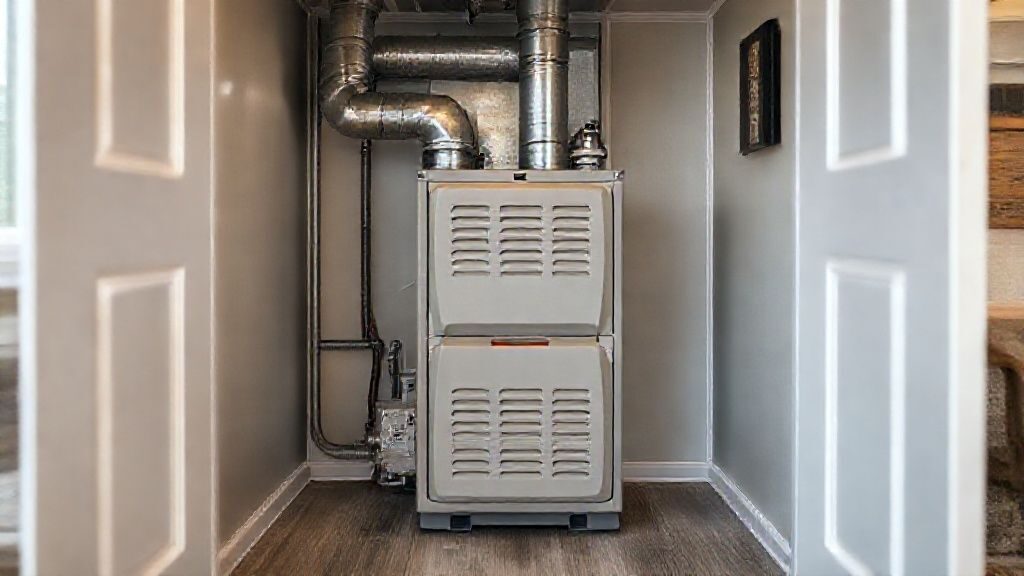
Navigating the world of home heating can seem complicated, and for mobile homeowners, there are some unique aspects to consider. You can’t just pick any furnace off the shelf and expect it to work safely or efficiently in a manufactured home. Over my decades in this business, I’ve seen just about everything when it comes to heating systems. From chilly mornings in Denver where an old, inefficient furnace just couldn’t keep up with the mountain air, to humid Florida nights where a system was clearly oversized, the principles of proper sizing and selection remain critical. For mobile homes, these principles are even more specific.
I’ve learned that understanding the nuances of these systems isn’t just about comfort; it’s about safety and long-term cost savings. Mobile homes, by their nature, have different structural and ventilation requirements than site-built houses. This means their heating systems need to be designed and installed with those differences in mind. Ignoring these details can lead to headaches, higher utility bills, and in some cases, serious safety risks.
Key Highlights
- Specific Design: Mobile home furnaces are distinct from traditional residential models, designed to fit tighter spaces and meet specific safety and ventilation codes for manufactured homes.
- Fuel Options: You’ll typically find electric, natural gas, propane, and sometimes oil furnace options, depending on your home’s setup and local availability.
- Accurate Sizing is Crucial: Proper BTU calculation based on your home’s square footage, insulation, and climate zone prevents inefficiency and discomfort.
- Safety First: Installation must adhere strictly to local codes and manufacturer guidelines, especially concerning clearances, venting, and fuel connections. Professional installation is non-negotiable.
- Regular Maintenance: Timely filter changes and annual professional inspections extend your furnace’s lifespan and maintain its efficiency and safety.
Understanding Mobile Home Furnaces: What Makes Them Unique?
When you talk about furnaces for mobile homes, you’re not just talking about a smaller version of what you’d find in a traditional stick-built house. There are fundamental differences in design, venting, and safety requirements that make them a distinct category. This isn’t just manufacturer preference; it’s about meeting specific HUD (Housing and Urban Development) codes that govern manufactured homes.
First off, physical size is a major factor. Mobile homes often have more compact utility closets or dedicated furnace spaces. A standard residential furnace might simply not fit. Mobile home furnaces are typically designed with a smaller footprint, often taller and narrower, to accommodate these tighter confines.
Next, let’s talk about combustion air and venting. Many mobile home furnaces are “downflow” units. This means they draw in return air from the top or sides, heat it, and then distribute the warmed air downwards into the floor ducts. Venting is also critical. These units often use specialized flue systems that ensure exhaust gases are safely routed outside, preventing dangerous carbon monoxide buildup inside the living space. The venting needs to be sealed and configured specifically for the mobile home’s construction, which often means running through the roof or a side wall in a particular way that’s different from site-built homes.
Safety features are also paramount. Due to the construction methods and materials used in mobile homes, strict adherence to fire safety and electrical codes is essential. Mobile home furnaces are designed with specific clearances from combustible materials and often have integrated safety switches that prevent operation if certain conditions aren’t met. The electrical connections and fuel lines also follow specific guidelines to ensure safe operation within the home’s structure.
Finally, there’s the ductwork connection. Mobile homes typically have their ductwork integrated into the floor structure, distributing air through registers in the floor. Mobile home furnaces are designed to connect directly to this type of system, ensuring efficient airflow and proper heat distribution throughout the entire living area. Trying to adapt a standard upflow or horizontal flow furnace to a downflow mobile home duct system is often problematic and can compromise efficiency and safety.
So, when you’re looking at replacement or a new installation, always ensure you’re specifying a furnace that is explicitly designed and certified for manufactured or mobile homes. It’s not just a recommendation; it’s a requirement for safety and compliance.
Types of Furnaces for Mobile Homes (Gas, Electric, Oil)
Just like with site-built homes, mobile homes can utilize different fuel sources for heating. The best choice for you often depends on what’s available in your area, your budget, and your personal preferences for efficiency and environmental impact. Each type has its own set of advantages and considerations.
Electric Furnaces
Electric furnaces are very common in mobile homes, particularly in areas where natural gas isn’t readily available or affordable. They operate by using electric heating elements to warm the air, which is then circulated through your home’s ductwork. They are generally simpler to install because they don’t require venting for combustion byproducts. This reduces some of the complexities associated with gas or oil units.
- Pros: Lower upfront installation cost, no fuel tank or gas line needed (just electrical service), no combustion byproducts, quieter operation, generally reliable.
- Cons: Can be more expensive to operate in areas with high electricity rates, slower heating compared to gas, not suitable for areas prone to power outages unless paired with a generator.
Gas Furnaces (Natural Gas and Propane)
Gas furnaces are often preferred for their powerful, quick heating and generally lower operating costs compared to electric, especially in regions with affordable natural gas. These systems burn natural gas or propane to generate heat. They require a dedicated gas line and a venting system to safely expel combustion gases. When considering house heaters gas, it’s critical to ensure your mobile home is equipped for gas service and that the furnace chosen is specifically rated for mobile home use.
- Natural Gas Furnaces:
- Pros: Typically the most cost-effective to operate where natural gas lines are available, heats quickly and powerfully, reliable.
- Cons: Requires a connection to a municipal gas line, higher upfront installation costs, requires proper venting.
- Propane Furnaces:
- Pros: Available anywhere (requires a storage tank), heats quickly and powerfully.
- Cons: Propane costs can fluctuate more than natural gas, requires space for an outdoor storage tank, requires regular propane delivery, still needs proper venting.
Oil Furnaces
Oil furnaces are less common in mobile homes today but can still be found, especially in older units or in rural areas where oil might be the predominant heating fuel. These systems burn heating oil stored in a tank, similar to propane. They are known for providing very intense heat. However, they also require a dedicated fuel tank and robust venting.
- Pros: Provides very strong heat, readily available in some regions.
- Cons: Fuel oil is often more expensive and less clean-burning than gas, requires a large outdoor storage tank, needs regular fuel delivery, more maintenance required, and produces soot that needs regular cleaning.
When choosing, think about your current utility setup, local fuel prices, and the installation requirements for each type. Converting from one fuel type to another can be a significant undertaking, so it’s best to make an informed decision from the start.
Key Factors When Choosing a Mobile Home Furnace
Selecting the right furnace isn’t just about picking a fuel type. There are several other critical factors that will impact your comfort, your utility bills, and the lifespan of your system. Pay attention to these details, and you’ll be on your way to a smart investment.
1. Efficiency Rating (AFUE)
The Annual Fuel Utilization Efficiency (AFUE) rating tells you how efficient a furnace is at converting fuel into usable heat. For example, a furnace with an 80% AFUE rating means 80% of the fuel’s energy is converted into heat for your home, while the remaining 20% is lost through the chimney or flue. Higher AFUE ratings mean less energy waste and lower operating costs.
- For Gas and Oil Furnaces: Most modern mobile home gas furnaces have AFUE ratings between 80% and 90%. High-efficiency condensing furnaces, which are becoming more common, can achieve 90% AFUE or higher, but they have specific venting requirements.
- For Electric Furnaces: Electric furnaces are generally considered 100% efficient at the point of conversion, as all the electricity is turned into heat. However, the cost of electricity itself can make them more expensive to operate than high-efficiency gas in some areas.
Consider your local fuel prices. A higher efficiency unit usually costs more upfront, but the savings on your monthly bills can make up for it over time.
2. Sizing (BTU Output)
This is arguably the most critical factor, and I’ll delve deeper into it in the next section. For now, understand that a furnace must be properly sized for your mobile home. Too small, and it won’t keep your home warm enough on the coldest days. Too large, and it will “short cycle” – turning on and off too frequently. Short cycling wastes energy, causes uneven heating, and puts unnecessary wear and tear on the system components, leading to premature failure.
3. Venting Requirements
As mentioned before, mobile home furnaces have specific venting. Gas and oil furnaces require a flue system to expel combustion gases. Downflow mobile home furnaces often require specialized vent kits. Electric furnaces do not require a combustion vent, simplifying installation but requiring adequate electrical service. Always verify the venting requirements for any unit you consider and ensure your home can accommodate it safely and efficiently.
4. Brand Reputation and Warranty
Stick with reputable brands that have a track record of producing reliable mobile home furnaces. Look into the manufacturer’s warranty for both parts and the heat exchanger. A strong warranty indicates confidence in their product. While a longer warranty doesn’t guarantee a problem-free experience, it offers peace of mind.
5. Budget and Installation Costs
Your budget isn’t just about the furnace price. It also includes installation costs, which can vary significantly based on fuel type, venting complexity, and local labor rates. Don’t forget potential costs for upgrades to your electrical panel or gas line if you’re changing fuel types or increasing capacity. A cheaper furnace with high operating costs or frequent repairs will cost you more in the long run.
6. Thermostat Compatibility
Consider upgrading to a programmable or smart thermostat for air conditioner and furnace control. These devices offer better control over your heating schedule, can learn your preferences, and often provide remote access via a smartphone. This can lead to significant energy savings by only heating your home when necessary.
By carefully evaluating these factors, you can make an informed decision that ensures your mobile home stays warm, safe, and efficient for years to come.
Sizing Your Mobile Home Furnace: BTU Requirements
Getting the right furnace size for your mobile home is not a guessing game; it’s a calculation. “BTU” stands for British Thermal Unit, and it’s a measure of heat. A furnace’s BTU output indicates how much heat it can generate. Too many BTUs, and your furnace is oversized. Too few, and it’s undersized. Both scenarios lead to problems.
Why Proper Sizing Matters
- Oversized Furnace: An oversized furnace will heat your home too quickly, satisfy the thermostat, and then shut off. This is called “short cycling.” It means the furnace doesn’t run long enough to properly dehumidify the air (if it’s a dual-purpose unit or connected to an AC), leads to uneven temperatures, wastes energy from frequent starts and stops, and causes accelerated wear and tear on components.
- Undersized Furnace: An undersized furnace will run constantly on cold days, struggling to reach the desired temperature. This also wastes energy, shortens the unit’s lifespan from continuous operation, and leaves you feeling cold.
How BTUs Are Estimated
For a rough estimate, a general rule of thumb for mobile homes is often between 30-50 BTUs per square foot. However, this is a very broad range and should only be used as a starting point. Several critical factors influence the precise BTU requirement:
- Climate Zone: A mobile home in Minnesota needs significantly more heating capacity than one in Florida, even if they’re the same size. Local temperatures are a huge factor.
- Insulation Levels: The quality and amount of insulation in your walls, floor, and ceiling make a big difference. Older mobile homes often have less insulation than newer ones or site-built homes.
- Window Quality and Quantity: Single-pane windows lose a lot of heat. Double-pane, low-E windows are much more efficient. The number and size of windows also play a role.
- Air Leakage: Drafts around windows, doors, and other penetrations can account for a significant amount of heat loss.
- Ceiling Height: Taller ceilings mean more air volume to heat.
- Orientation to the Sun: Homes that get more direct sunlight on their south-facing windows during winter can require slightly less heating.
Getting an Accurate Calculation
The most reliable way to size a furnace for your mobile home is to have a qualified HVAC professional perform a load calculation. They use industry-standard methods, like the Manual J calculation, to factor in all the specific characteristics of your home and your local climate. This isn’t something to skip, especially for a mobile home where space and construction methods are unique.
The process will involve:
- Measuring your home’s square footage and ceiling height.
- Assessing the insulation values (R-values) of your walls, floor, and ceiling.
- Counting and measuring your windows and doors, noting their type and efficiency.
- Identifying any unusual heat loss or gain factors.
- Using local climate data (average low temperatures).
Once you have this precise BTU requirement, you can confidently select a furnace that is appropriately sized, ensuring optimal comfort, efficiency, and system longevity for your mobile home.
Installation and Safety Considerations for Manufactured Homes
Installing a furnace in a mobile home is not a DIY project, and it’s certainly not the same as installing one in a conventional house. Given the specific construction and regulations for manufactured homes, professional installation is not just recommended; it’s a mandatory safety and compliance issue. I’ve seen too many shortcuts taken, and the consequences are simply not worth the risk.
Professional Installation is Key
A qualified HVAC technician experienced with manufactured homes will ensure the furnace is installed according to:
- Manufacturer’s Specifications: Every furnace has specific installation instructions regarding clearances, venting, and electrical connections. These are not suggestions; they are critical for safe and efficient operation.
- Local Codes and HUD Standards: Mobile homes are governed by specific federal HUD codes, and local building codes may also apply. These codes cover everything from the type of venting to the gas and electrical connections. An experienced installer will be familiar with these requirements.
- Proper Sizing Verification: Even if you’ve done your homework, a professional will double-check the load calculation to ensure the furnace is perfectly matched to your home’s heating needs.
Critical Safety Considerations
Here are some of the most important safety aspects that a professional installer will manage:
- Combustion Air and Venting:
- Gas and oil furnaces produce combustion gases (like carbon monoxide) that must be safely vented outside. Mobile home furnaces often use specialized sealed combustion systems or specific venting configurations to prevent exhaust gases from entering the living space.
- Proper clearance from combustible materials around the flue pipe and the furnace itself is crucial to prevent fire hazards.
- The vent termination must be correctly positioned, clear of obstructions, and adhere to minimum distance requirements from windows, doors, and other openings.
- Fuel Connections (Gas and Oil):
- Gas lines (natural gas or propane) must be properly sized, installed, and leak-tested by a licensed professional. Any leaks can be extremely dangerous.
- Oil lines need to be secure and free from leaks to prevent fire hazards and environmental contamination.
- Electrical Wiring:
- The furnace requires a dedicated electrical circuit of the correct voltage and amperage.
- All wiring must comply with electrical codes to prevent shorts, overloads, and fire.
- Clearances to Combustibles:
- Furnaces generate heat. There are strict requirements for how much clear space must be maintained between the furnace and any nearby walls, flooring, or other combustible materials. Failing to observe these can lead to fires.
- Ductwork Connection:
- The furnace must be securely connected to the mobile home’s ductwork system. Proper sealing prevents air leaks, which can significantly reduce efficiency and comfort.
- Carbon Monoxide Detectors:
- Especially with gas or oil furnaces, installing and regularly checking carbon monoxide detectors is absolutely essential. This colorless, odorless gas can be deadly.
- Permits and Inspections:
- Depending on your locality, a permit may be required for furnace installation. This ensures that the work is inspected by a local authority to confirm it meets safety and building codes. Never skip this step.
A poorly installed furnace is not just inefficient; it’s a major safety hazard. Always hire a certified and insured HVAC contractor with specific experience in mobile home furnace installations. It’s an investment in your safety and peace of mind.
Maintenance Tips for Longevity and Efficiency
Once you’ve got your mobile home furnace installed correctly, the next step is to make sure it runs smoothly for years to come. Regular maintenance isn’t just about preventing breakdowns; it’s about keeping your heating bills down and ensuring your home stays comfortable and safe. Think of it like taking care of your car – neglect it, and you’ll pay for it later.
1. Change Your Air Filter Regularly
This is the simplest and most important task you can do. A dirty air filter restricts airflow, forcing your furnace to work harder. This increases energy consumption, reduces heating capacity, and can even lead to premature system failure. For most mobile homes, especially if you have pets or allergies, I recommend checking your filter monthly and replacing it every 1 to 3 months. Mark it on your calendar, set a reminder – just do it.
2. Schedule Annual Professional Tune-ups
Just like your car needs a yearly check-up, your furnace does too. Before the heating season starts, have a qualified HVAC technician inspect your system. During a tune-up, they will:
- Inspect and clean the burner and heat exchanger.
- Check the ignition system or pilot light.
- Lubricate moving parts to reduce wear and tear.
- Test safety controls to ensure they are functioning correctly.
- Check electrical connections and measure voltage and current.
- Inspect the flue system for blockages or leaks.
- Calibrate the thermostat for accurate temperature control.
- Check the integrity of your ductwork for leaks.
This preventative maintenance identifies small issues before they become expensive problems and keeps your furnace running at peak efficiency, extending its lifespan.
3. Keep the Area Around Your Furnace Clear
Furnaces need proper airflow around them to operate safely and efficiently. Ensure the area around your furnace, especially in a utility closet, is free of clutter, storage, and flammable materials. Maintaining the manufacturer’s specified clearances is not just an installation requirement; it’s an ongoing safety measure.
4. Check Your Vents and Registers
Make sure all your heating vents (registers) inside your mobile home are open and not blocked by furniture, rugs, or curtains. Blocked vents restrict airflow and can lead to uneven heating and increased energy usage. Periodically vacuum the registers to remove dust and debris.
5. Inspect Your Exhaust Vent (for Gas and Oil Furnaces)
For gas and oil furnaces, periodically check the exhaust vent pipe outside your mobile home. Ensure it’s clear of obstructions like bird nests, leaves, or snow. A blocked vent can cause dangerous carbon monoxide to back up into your home.
6. Consider Indoor Air Quality Accessories
While not strictly furnace maintenance, improving indoor air quality can enhance your comfort and health. If your home feels dry in winter, especially with constant heating, you might consider adding a central furnace humidifier. These units work with your furnace to add moisture to the air, making your home feel warmer at lower temperatures and alleviating dry skin or respiratory issues. Just ensure any add-on is compatible with your mobile home’s system and professionally installed.
7. Test Your Carbon Monoxide Detectors
If you have a gas or oil furnace, carbon monoxide detectors are life-saving devices. Test them monthly according to the manufacturer’s instructions and replace batteries annually. Replace the units entirely every 5-7 years, as their sensors have a limited lifespan.
Following these maintenance tips will help you enjoy consistent, efficient, and safe heating in your mobile home for many years.
Top Brands and Where to Buy Mobile Home Furnaces
When it comes to purchasing a furnace for your mobile home, you’ll find a few brands that specialize in or have a strong presence in the manufactured home market. These companies understand the specific requirements and regulations, ensuring their products are compliant and designed for the unique challenges of mobile home heating.
Reputable Brands for Mobile Home Furnaces
While many HVAC manufacturers produce a wide range of heating equipment, some have specific lines or models tailored for mobile homes. Here are a few brands you’re likely to encounter:
- Nordyne (often branded as Miller or Intertherm): Nordyne is one of the most prominent names in mobile home HVAC. Their Miller and Intertherm brands are specifically designed for manufactured housing and are widely recognized for their reliability and availability. They offer a comprehensive range of electric, natural gas, and propane furnaces.
- Coleman: While known for various outdoor products, Coleman also produces a line of furnaces suitable for manufactured homes. Their units are designed with efficiency and durability in mind for the specific application.
- Goodman: Goodman is a widely recognized brand in the HVAC industry, known for producing robust and affordable equipment. They offer specific furnace models that are suitable for mobile home applications, focusing on reliability and performance.
- Revolv (formerly owned by Nortek, now part of Johnson Controls/York): Revolv furnaces are specifically engineered for manufactured and modular homes. They are designed to be efficient and durable, meeting the specific installation requirements for these types of residences.
When looking at any brand, always verify that the specific model you’re considering is indeed rated and certified for manufactured or mobile homes. This information will be clearly stated in the product specifications.
Where to Buy Your Mobile Home Furnace
Purchasing a mobile home furnace isn’t like buying a toaster; it’s a significant investment that requires professional advice and installation. Here are the common channels:
- Authorized HVAC Dealers and Contractors: This is my strongest recommendation. Local HVAC companies that specialize in mobile homes can provide expert advice on sizing, fuel type, and brand selection. They handle the sale, delivery, and professional installation, ensuring compliance with all safety codes. They also provide ongoing service and warranty support. Many homeowners find it helpful to start here, as they can also help with a load calculation.
- Online HVAC Retailers: There are online retailers that sell furnaces directly to consumers. If you’re comfortable with this route, ensure you are absolutely certain about the furnace’s specifications and your home’s requirements. Remember, you’ll still need a qualified local contractor to perform the installation and handle any warranty claims. It’s often difficult to find a contractor willing to install equipment they didn’t supply themselves. However, for those looking for competitive pricing, you can often see our furnace selection and find models suitable for mobile homes. Some retailers also offer wholesale hvac pricing.
- Manufactured Home Supply Stores: Some larger manufactured home communities or specialized parts suppliers might carry a selection of furnaces. These outlets often have staff knowledgeable about mobile home systems, but always verify their installation and service capabilities.
Regardless of where you purchase, always prioritize professional installation. The warranty on many furnaces can be voided if not installed by a certified technician. Your safety and the efficiency of your heating system depend on it.
FAQ
Q: Can I use a regular residential furnace in my mobile home?
A: No, you should not. Mobile home furnaces are specifically designed to meet different structural, venting, and safety requirements (HUD codes) that traditional residential furnaces do not. Using an unapproved furnace can be unsafe, inefficient, and potentially void your home insurance or warranty.
Q: How often should I replace my mobile home furnace filter?
A: Generally, every 1 to 3 months, depending on filter type, household occupancy (pets, allergies), and usage. It’s best to check it monthly and replace it when it appears dirty.
Q: What is the typical lifespan of a mobile home furnace?
A: With proper installation and regular maintenance, a mobile home furnace can last between 15 to 20 years. Neglect or improper sizing can significantly shorten this lifespan.
Q: Is it more efficient to run an electric or gas furnace in a mobile home?
A: This depends heavily on local utility costs. Natural gas is often cheaper per BTU than electricity in many regions, making gas furnaces more cost-effective to operate. However, electric furnaces have 100% efficiency at the point of conversion. Calculate your costs based on your local rates to determine which is more economical for your specific situation.
Q: Do mobile home furnaces come with air conditioning?
A: Furnaces provide heat. For air conditioning, a separate coil (often installed above the furnace in a downflow system) and an outdoor condensing unit are required. Many mobile home furnaces are “AC ready,” meaning they are designed to accommodate an air conditioning coil to create a complete HVAC system.
Q: How much does it cost to replace a mobile home furnace?
A: The cost varies widely based on fuel type, BTU capacity, brand, efficiency rating, and installation complexity. Electric furnaces are generally less expensive to install upfront than gas or oil. Expect costs to range from a few thousand dollars up to $6,000 or more, including the unit and professional installation. Always get multiple quotes.
Q: What’s the difference between an upflow and a downflow furnace?
A: These terms refer to how air flows through the furnace. An upflow furnace draws air from the bottom and discharges it out the top (common in basements or closets). A downflow furnace draws air from the top and discharges it out the bottom (common in mobile homes where ductwork is in the floor). Mobile home furnaces are predominantly downflow units.
Final Thoughts
Choosing and maintaining a furnace for your mobile home doesn’t have to be a daunting task. By understanding the unique aspects of these systems, prioritizing proper sizing, and never compromising on professional installation and regular maintenance, you’ll ensure your home stays warm, comfortable, and safe for many years to come.
Remember, this isn’t just about replacing a piece of equipment; it’s about investing in your home’s core comfort system. Don’t hesitate to ask questions, seek multiple opinions, and always work with certified professionals who have experience with manufactured homes. They can guide you through the process, from selecting the right unit to ensuring every safety protocol is met. If you’re ready to explore your options or need help with your current system, don’t hesitate to contact us for a quote. Staying proactive with your home’s heating system pays off in comfort, safety, and long-term savings.