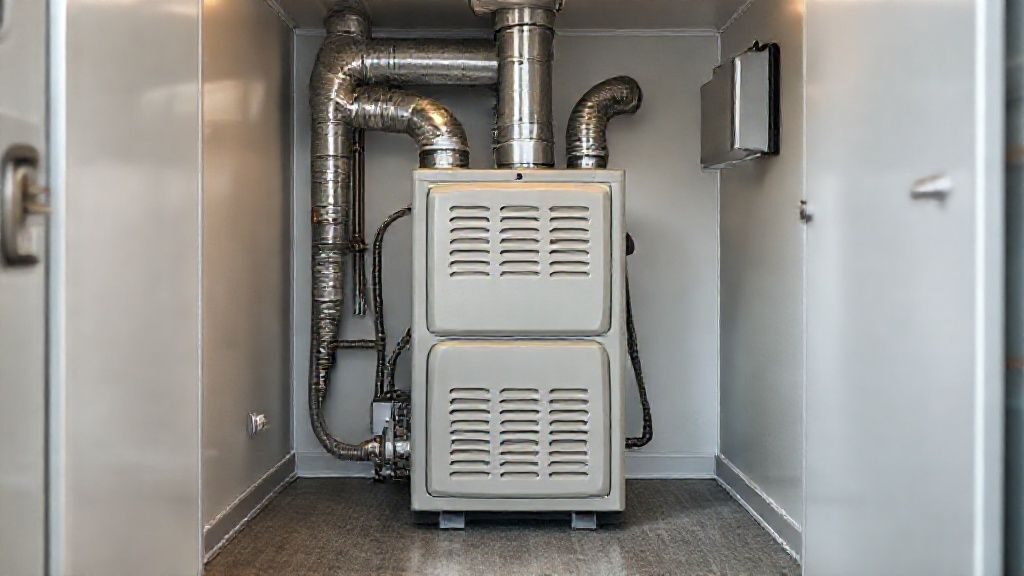
After decades in the HVAC business, I’ve seen just about every kind of heating system you can imagine. From sprawling suburban homes to compact city apartments, and yes, plenty of manufactured homes. The fundamentals of heating remain pretty consistent, but mobile home furnaces do come with their own set of specific considerations. If you own a mobile home, understanding your furnace is key to staying warm and keeping your energy bills in check.
I remember one winter in Tampa, Florida, when a cold snap hit unexpectedly hard. A family called me because their mobile home furnace wasn’t keeping up. The unit was undersized for the insulation improvements they had made over the years, and the ductwork was original and leaky. We ended up replacing their old, inefficient electric furnace with a modern, properly sized gas model, sealing up their ducts, and insulating them better. They called back a few weeks later, thrilled with how comfortable and affordable their heat had become. It just goes to show that even in warmer climates, a good furnace setup is critical.
Key Highlights
- Mobile home furnaces are designed specifically for the unique construction and space constraints of manufactured homes.
- They often feature “zero clearance” installation, allowing them to be placed closer to combustible materials than standard furnaces.
- Common fuel types include natural gas, propane, and electricity, with oil furnaces being less common but still available.
- Proper sizing is crucial; factors like climate, home size, and insulation determine the necessary BTU output.
- Regular maintenance, especially filter changes and annual professional tune-ups, extends the life and efficiency of your unit.
- Installation typically requires certified professionals due to safety regulations and specialized venting needs.
- When considering replacement, weigh the age of the unit, frequency of repairs, and potential energy savings of a new, more efficient model.
Understanding Mobile Home Furnaces: What Makes Them Different?
When we talk about mobile home furnaces, it’s important to understand that they aren’t just smaller versions of standard residential furnaces. They are engineered with specific requirements in mind, dictated by the unique construction of manufactured homes. These differences impact everything from installation to the type of unit you can legally and safely install.
One of the most significant distinctions is the concept of “zero clearance.” This means the furnace is designed and certified to be installed very close to combustible materials – walls, floors, ceilings – without posing a fire hazard. Standard furnaces require specific clearances, often several inches, to prevent heat transfer. Mobile home furnaces are built with enhanced insulation and internal baffling to manage heat safely in tighter spaces. This is a critical factor for safety and compliance in manufactured homes, where space is often at a premium.
Another common difference is the airflow configuration. Many mobile homes utilize downflow furnaces, where heated air is pushed downwards into a crawl space or through ducts built into the floor. Standard residential furnaces are more commonly upflow, where air is pushed upwards into ductwork in an attic or walls. While upflow mobile home furnaces exist, the downflow design is prevalent due to how ductwork is typically integrated into the structure of manufactured homes.
Mobile home furnaces also often feature sealed combustion systems. This design draws combustion air directly from outside the home and vents exhaust gases directly outside, rather than drawing air from the living space. This is a safety feature that helps prevent indoor air quality issues and carbon monoxide buildup, especially important in the relatively airtight environment of a mobile home. It also improves efficiency by not using conditioned indoor air for combustion.
Ductwork connections can also vary. Mobile homes often have smaller, more compact duct systems, and the furnace itself is designed to interface with these specific layouts. This isn’t just about the size of the collars on the furnace; it’s about the static pressure and airflow requirements of the entire system. Using a standard furnace in a mobile home’s duct system can lead to airflow issues, noise, and inefficient operation.
Finally, specific safety and construction codes apply to manufactured homes. These codes often dictate the types of appliances that can be installed, their certification, and their installation methods. Mobile home furnaces are manufactured and certified to meet these unique standards, ensuring they are safe and legal for their intended application. Trying to install a furnace not explicitly designed or certified for a mobile home can lead to serious safety risks, warranty invalidation, and code violations.
Types of Mobile Home Furnaces: Gas, Electric, and Oil Options
Just like stick-built homes, mobile homes can be heated using various fuel sources. The best choice for you often depends on what’s available in your area, your budget, and your personal preferences for efficiency and comfort.
Natural Gas/Propane Furnaces
Gas furnaces are a very common choice for mobile homes, primarily due to the cost-effectiveness of natural gas in many regions. If your mobile home community has natural gas lines, it’s often the most economical option for heating. Propane (LP gas) furnaces work similarly but use propane stored in an on-site tank. Propane can be more expensive than natural gas, but it offers an option for homes not connected to a natural gas grid.
- How they work: Gas furnaces burn natural gas or propane to heat a heat exchanger. A blower then pushes air over the hot heat exchanger and circulates it through your home’s ductwork.
- Pros: Generally lower operating costs than electric in many areas, fast heating, provide consistent heat.
- Cons: Requires a fuel source (gas line or propane tank), involves combustion byproducts that need safe venting, initial installation can be more complex if a gas line needs to be run.
- Efficiency: Modern gas furnaces have AFUE (Annual Fuel Utilization Efficiency) ratings that can reach 90% or higher, meaning very little fuel is wasted.
Electric Furnaces
Electric furnaces are very popular in mobile homes, especially where natural gas isn’t available or is prohibitively expensive to install. They are often simpler to install than gas furnaces because they don’t require gas lines or venting for combustion byproducts.
- How they work: Electric furnaces use electric resistance coils to generate heat. A blower then circulates air over these hot coils and into your home’s ductwork.
- Pros: No combustion, so no need for venting exhaust gases; generally lower upfront cost; simpler installation.
- Cons: Can have higher operating costs than gas furnaces in many areas, as electricity can be more expensive per BTU than natural gas or propane.
- Efficiency: Electric resistance heating is considered 100% efficient at converting electricity to heat, but the cost of electricity often makes it less “cost-efficient” than gas in terms of operating expenses.
Oil Furnaces
Oil furnaces are less common in modern mobile homes, but you might still encounter them, particularly in older units or regions where heating oil is readily available and competitively priced. Like propane, oil requires an on-site storage tank.
- How they work: Oil furnaces ignite heating oil in a combustion chamber, heating a heat exchanger. A blower then distributes the warmed air.
- Pros: Provides intense, consistent heat. Good option where natural gas isn’t available and propane is too expensive.
- Cons: Requires a large oil storage tank; fuel can be more volatile in price; requires more maintenance (e.g., filter changes, nozzle cleaning) compared to gas or electric.
- Efficiency: Modern oil furnaces can achieve decent AFUE ratings, though generally not as high as the most efficient gas models.
It’s also worth noting that many mobile homes, especially newer ones, are equipped with heat pumps. A heat pump can provide both heating and cooling, essentially acting as an air conditioner in reverse during the winter to extract heat from the outside air and transfer it indoors. They are highly efficient, especially in milder climates. For extremely cold temperatures, heat pumps often have auxiliary electric resistance heating coils to supplement heat. If you’re looking for a complete system, you might consider a heat pump paired with an outside cooling unit for year-round comfort. When considering efficiency, many homeowners ask are mini splits cost effective, and while they can be for certain applications, a central furnace or heat pump is generally preferred for whole-home heating in mobile homes.
Sizing Your Mobile Home Furnace: BTU Requirements Explained
One of the biggest mistakes I see homeowners make, whether in a mobile home or a traditional house, is choosing a furnace that’s not properly sized. An undersized furnace will struggle to heat your home, running constantly and never quite reaching the thermostat setting. An oversized furnace will cycle on and off too frequently (short cycling), which wastes energy, puts extra wear and tear on components, and often leads to uneven heating and poor humidity control.
Sizing a furnace correctly for a mobile home is absolutely critical due to their construction and often unique insulation properties. The key measurement we use for heating capacity is the British Thermal Unit (BTU). Specifically, BTUs per hour (BTUH) represents the amount of heat a furnace can produce in an hour.
Several factors go into determining the correct BTU output for your mobile home:
- Climate Zone: Where you live makes a huge difference. A mobile home in Minnesota will need significantly more heating capacity than one in Arizona. The average winter temperatures, number of heating degree days, and how extreme cold snaps can get are all considered.
- Square Footage: This is the most basic starting point. Larger homes naturally require more heating.
- Insulation Levels: The quality of your walls, ceiling, and floor insulation is paramount. Older mobile homes, or those that haven’t been upgraded, often have less effective insulation. Modern, energy-efficient mobile homes will need less BTU output for the same square footage.
- Window and Door Quality: Single-pane windows and poorly sealed doors are major sources of heat loss. Double-pane, low-E windows and well-sealed, insulated doors significantly reduce heating loads.
- Air Infiltration/Draftiness: Gaps around windows, doors, electrical outlets, and plumbing penetrations allow cold air in and warm air out. Sealing these leaks can dramatically reduce your heating needs.
- Ceiling Height: While most mobile homes have standard ceiling heights, any variation can affect the volume of air to be heated.
- Home Orientation: The direction your mobile home faces can influence solar gain, but this is usually a minor factor for heating compared to other elements.
While you might find online calculators that give you a rough estimate (e.g., 30-50 BTUs per square foot), these are very general and often inaccurate for mobile homes. For example, a common rule of thumb for mobile homes is often cited as 40 BTUs per square foot. So, a 1,000 sq ft mobile home might need a 40,000 BTU furnace. However, this doesn’t account for the variables above. An older, poorly insulated 1,000 sq ft unit in a cold climate could easily need 50,000 BTUs, while a new, well-insulated one in a milder climate might only need 30,000 BTUs.
The most accurate way to size any HVAC system, including a mobile home furnace, is through a professional load calculation, often referred to as a Manual J calculation. This detailed assessment takes into account every single factor unique to your home. An HVAC professional will measure your home, assess insulation, window types, local climate data, and more to determine the precise heating load. This ensures you get a furnace that’s perfectly matched to your home’s needs. Getting the size right not only guarantees comfort but also optimizes energy efficiency and extends the life of your equipment. It’s a lot like knowing how to size ac unit, the principles of calculating the heat load (or heat loss in this case) are similar.
Key Considerations When Choosing a Mobile Home Furnace
Selecting the right mobile home furnace goes beyond just picking a fuel type or a size. There are several other important factors you need to weigh to ensure you make an investment that provides comfort, efficiency, and lasts for years.
Fuel Type Availability and Cost
This is often the first and most practical consideration. Do you have access to natural gas lines in your mobile home park? Is propane delivery readily available and affordable in your area? Is electricity the only viable option, or is it competitively priced? Research local fuel costs to get a realistic idea of your potential operating expenses for different fuel types. Remember, a cheaper upfront electric furnace might cost more to run over its lifetime if electricity rates are high.
Efficiency Ratings (AFUE)
For gas and oil furnaces, the Annual Fuel Utilization Efficiency (AFUE) rating tells you how efficiently the furnace converts fuel into usable heat. An 80% AFUE furnace means 80% of the fuel is converted to heat, while 20% is lost up the chimney. Modern furnaces can reach 90% AFUE or higher. A higher AFUE rating usually means higher upfront cost, but significantly lower operating costs over the life of the unit. For electric furnaces, while they are often considered 100% efficient at converting electricity to heat, compare their operating cost against gas or oil on a per-BTU basis.
Space Constraints
Mobile homes are known for their compact living spaces. Your furnace needs to fit in the designated utility closet or alcove. Pay close attention to the physical dimensions of the unit, especially height, width, and depth. Remember the “zero clearance” feature specific to mobile home furnaces, which allows for installation in tighter spots than a standard furnace.
Ventilation Requirements
If you’re opting for a gas or oil furnace, proper venting of combustion byproducts is critical for safety. Mobile home furnaces are designed with specific venting systems. Make sure the unit you choose is compatible with your home’s existing venting, or that modifications can be safely and legally made. Sealed combustion units are excellent for mobile homes as they draw air from outside and vent gases directly out, preventing indoor air quality issues.
Brand Reputation and Warranty
Just like any major appliance, the manufacturer matters. Look for reputable brands known for quality and reliability in mobile home HVAC. Check reviews and talk to local HVAC professionals about brands they trust. A strong warranty on parts and a heat exchanger warranty are good indicators of a manufacturer’s confidence in their product. A longer warranty period can save you money on potential repairs down the line.
Noise Level
In smaller mobile home spaces, furnace noise can be more noticeable. Modern furnaces are generally quieter, but some models offer features like variable-speed blowers or insulated cabinets that can significantly reduce operational noise. If your furnace is located close to living areas or bedrooms, this might be an important factor for your comfort.
Compatibility with Existing Systems
If you have an existing air conditioning system, make sure your new furnace is compatible with it. This includes the blower capacity to move air effectively through the cooling coil, and thermostat compatibility. Often, replacing both the furnace and AC at the same time can lead to a more efficient and harmonious system, and sometimes even cost savings on installation.
Installation Professionalism
This isn’t a feature of the furnace itself, but it’s a critical consideration. The best furnace in the world will perform poorly and unsafely if installed incorrectly. Always choose licensed and experienced HVAC technicians who are familiar with mobile home furnace installations and relevant codes. They’ll ensure proper sizing, safe venting, correct fuel line connections, and optimal airflow.
Installation & Safety Guidelines for Mobile Home Furnaces
Installing a mobile home furnace isn’t a DIY job. This isn’t just a recommendation; it’s a safety imperative and, in most places, a legal requirement. Improper installation can lead to serious hazards, including carbon monoxide poisoning, fires, and inefficient operation. Always hire a qualified, licensed HVAC professional with specific experience in manufactured home furnace installations.
Here’s what a proper installation entails and key safety guidelines:
Professional Installation is Non-Negotiable
A licensed technician understands the specific codes and regulations that govern mobile home HVAC systems. They have the tools and expertise to perform a load calculation, safely handle refrigerants (if it’s a heat pump system), connect gas lines, wire electrical components, and ensure proper venting. They will also perform critical start-up checks to verify safe and efficient operation.
Zero Clearance Compliance
As I mentioned earlier, mobile home furnaces are “zero clearance” units. However, this rating applies to the furnace itself. The installer must still ensure that the area where the furnace is placed meets the specific clearance requirements of that particular model and local codes. While they can be installed closer to combustibles, “zero clearance” doesn’t mean “no clearance” for everything. It just means the furnace is designed to minimize required clearances significantly. The installer will follow the manufacturer’s precise instructions.
Ductwork Connection
The furnace must be properly connected to your home’s ductwork. This often involves specific sealing techniques to prevent air leaks, which are a common source of energy waste in mobile homes. The technician will ensure the ductwork is sealed tightly to the furnace plenum and that the overall duct system can handle the furnace’s airflow. Improperly connected or leaky ducts can lead to poor heating performance, dust issues, and higher energy bills.
Venting for Gas/Oil Furnaces
For gas and oil furnaces, proper venting is paramount. Combustion gases, including carbon monoxide, must be safely expelled outside. This requires a correctly sized and installed vent pipe that extends through the roof or sidewall according to manufacturer specifications and local codes. The vent must be free of obstructions and properly sealed to prevent leaks. Many mobile home gas furnaces use direct vent or sealed combustion systems, which draw combustion air from outside and vent gases directly out, enhancing safety and efficiency. This requires specific double-wall vent piping.
Fuel Line Connection (Gas/Propane/Oil)
Connecting fuel lines is a task for professionals only. Gas and propane lines must be properly sized, installed according to code, and thoroughly leak-tested. Oil lines also need secure connections to the storage tank. Any gas leak is extremely dangerous and can lead to explosions or fires. Professionals have the necessary training and equipment to ensure these connections are secure and leak-free.
Electrical Wiring
The furnace needs a dedicated electrical circuit with the correct voltage and amperage. An installer will ensure the wiring meets electrical codes and is safely connected to the furnace’s control board and thermostat. Incorrect wiring can damage the furnace, create fire hazards, or cause electrical shocks.
Thermostat Installation and Calibration
The thermostat is your interface with the furnace. It needs to be correctly wired, programmed, and calibrated to ensure accurate temperature readings and efficient operation. A professional will test the thermostat to make sure it’s communicating properly with the furnace.
Carbon Monoxide Detectors
Even with a properly installed gas or oil furnace, a carbon monoxide (CO) detector is an absolute must. CO is an odorless, colorless, deadly gas. Install CO detectors on every level of your mobile home, especially near sleeping areas. This is a life-saving device and should be considered mandatory for any home with combustion appliances.
Permits and Inspections
In many jurisdictions, replacing a furnace requires a permit. Your HVAC contractor should handle this process and arrange for the necessary inspections to ensure the installation meets all local building and safety codes. This protects you and ensures your system is installed to the highest standards.
Maintaining Your Mobile Home Furnace for Longevity and Efficiency
Just like your car needs regular oil changes, your mobile home furnace needs routine maintenance to run efficiently, reliably, and safely. Neglecting maintenance is one of the quickest ways to shorten your furnace’s lifespan, increase energy bills, and invite breakdowns.
Regular Filter Changes
This is the most critical and easiest maintenance task you can perform. The air filter traps dust, dirt, pet dander, and other particles before they can enter your furnace’s blower and heat exchanger. A clogged filter restricts airflow, forcing your furnace to work harder, which wastes energy and can lead to overheating. Depending on your filter type, household occupancy, and presence of pets, you should check your filter monthly and replace it every 1-3 months. Mark it on your calendar, or set a reminder on your phone. It’s a small effort with a huge payoff.
Annual Professional Tune-Ups
Think of this as an annual physical for your furnace. Before the heating season starts (typically in the fall), schedule a professional HVAC technician to perform a comprehensive tune-up. During this service, they will:
- Inspect and clean the burner assembly: Ensures efficient combustion and prevents carbon buildup.
- Check the heat exchanger: Look for cracks or damage that could lead to dangerous carbon monoxide leaks.
- Test ignition system: Ensure reliable start-up.
- Measure gas pressure (gas furnaces): Confirm it’s within manufacturer specifications for optimal burning.
- Lubricate moving parts: Reduces friction and wear on components like the blower motor.
- Inspect the blower motor and wheel: Clean off dirt and debris for efficient airflow.
- Check electrical connections: Tighten any loose connections and measure voltage/amperage.
- Test safety controls: Verify that limit switches and other safety devices are functioning correctly.
- Inspect and clean the condensate drain (high-efficiency furnaces): Prevent clogs and water damage.
- Check thermostat calibration: Ensure accurate temperature readings.
- Inspect flue pipe/venting: Look for blockages or damage that could impede safe exhaust.
These annual checks catch small issues before they become expensive repairs and ensure your furnace is operating at peak efficiency and safety.
Keep the Area Around the Furnace Clear
Maintain proper clearance around your furnace. While mobile home furnaces are zero-clearance rated, it’s still good practice to keep the area immediately surrounding the unit free of stored items, especially anything combustible. This ensures proper airflow to the unit and prevents fire hazards. Also, make sure return air vents are not blocked by furniture or other items.
Listen and Watch for Changes
Pay attention to your furnace’s normal operation. If you start to hear unusual noises (grinding, squealing, banging), smell strange odors (burning plastic, sulfur/rotten eggs), or notice a change in heating performance, don’t ignore it. These are often early warning signs of a problem that can be addressed quickly before it escalates into a major breakdown. Especially concerning are any fuel-related odors, which demand immediate attention from a professional.
Clear Venting (Gas/Oil Furnaces)
Regularly check the outdoor termination of your furnace’s vent pipe. Make sure it’s clear of snow, ice, leaves, bird nests, or any other obstructions. A blocked vent can prevent dangerous combustion gases from escaping, potentially backing them into your home.
Consistent maintenance isn’t just about avoiding breakdowns; it’s about maximizing your investment. A well-maintained furnace will last longer, consume less energy, and keep your mobile home safely and comfortably warm.
Common Mobile Home Furnace Problems and Troubleshooting
Even with good maintenance, furnaces can experience issues. Knowing some common problems and basic troubleshooting steps can help you decide whether you can fix it yourself or if it’s time to call in the pros. Remember, for anything involving gas lines, electrical components you’re uncomfortable with, or unusual smells, always call a professional.
1. No Heat / Furnace Won’t Turn On
- Check the thermostat: Is it set to “Heat” and above the current room temperature? Are the batteries dead? Try turning it off and on.
- Check the circuit breaker: A tripped breaker will cut power to the furnace. Reset it. If it trips again immediately, there’s an electrical problem that needs professional attention.
- Check the gas supply (gas furnaces): Is the gas valve to the furnace open? Is your propane tank empty?
- Check the emergency shut-off switch: This is often located near the furnace, usually a red switch. Make sure it’s in the “On” position.
- Clogged filter: A severely clogged filter can cause a furnace to overheat and shut off as a safety measure. Check and replace if dirty.
2. Pilot Light Out (Older Gas Furnaces)
Many older gas furnaces have a standing pilot light. If it goes out, the furnace won’t ignite.
- Relight it: Follow the instructions on the furnace door or in the owner’s manual. Be careful. If it won’t stay lit, the thermocouple (a safety device that senses the pilot flame) might be faulty, requiring professional repair.
3. Blower Runs Continuously
- Thermostat setting: Check if your thermostat fan setting is on “On” instead of “Auto.” If it is, switch it to “Auto.”
- Limit switch: If the fan is still running even with the thermostat set to “Auto” and the heating cycle has ended, it could be a faulty limit switch, which is an internal furnace component. This requires a technician.
4. Strange Noises
- Squealing/Grinding: Often indicates a worn belt or motor bearings in the blower motor. Lubrication or replacement might be needed by a professional.
- Banging/Popping: Can be normal as metal ducts expand and contract with heat. If it’s very loud or new, it could also be due to dirty burners or delayed ignition in a gas furnace, which is a serious issue.
- Rattling: Could be loose panels, ducts, or components. Check and tighten accessible panels.
5. Furnace Short Cycles (Turns On and Off Frequently)
- Clogged air filter: A dirty filter restricts airflow, causing the furnace to overheat and shut down prematurely.
- Oversized furnace: If the furnace was oversized for your home, it will heat the space too quickly, satisfy the thermostat, and shut off, only to turn back on shortly.
- Thermostat issues: A malfunctioning thermostat or one placed in a drafty location can cause short cycling.
- Restricted airflow: Blocked vents or ducts can also cause this.
6. Furnace Blows Cold Air
- Pilot light/ignition issue: If the pilot light is out or the electronic igniter isn’t working, the burners won’t light, and you’ll just get cold air from the blower.
- Gas supply problem: No gas, no heat.
- Overheating: A safety switch might be shutting off the burners due to overheating (e.g., from a clogged filter or blocked return). The blower might continue to run to dissipate residual heat.
Always prioritize safety. If you smell gas, immediately turn off the gas supply, open windows, evacuate the mobile home, and call your gas company and/or HVAC technician from a safe distance. Do not operate any electrical switches or create any sparks. For electrical issues beyond resetting a breaker, or any internal furnace component problems, it’s best to call a qualified professional. They have the training and diagnostic tools to accurately identify and safely resolve the problem.
When to Repair vs. Replace Your Mobile Home Furnace
This is a common dilemma for homeowners. No one wants to spend money unnecessarily, but sometimes investing in a new unit makes more sense than patching up an old one. Here’s how I usually advise clients to think about it:
Age of the Unit
Most mobile home furnaces have a lifespan of 15 to 20 years, though some can go a bit longer with excellent maintenance. If your furnace is approaching or past the 15-year mark, even minor repairs start to raise the question of replacement. Components wear out over time, and a furnace at the end of its typical life is more prone to breakdowns.
Cost of Repair vs. New Furnace
A good rule of thumb I use is the “50% rule.” If the cost of a significant repair is 50% or more of the cost of a brand new furnace, it’s usually better to replace it. For smaller, less expensive repairs on an older unit, you might get a few more years out of it. However, if you’re facing a major component failure, like a cracked heat exchanger (which is a serious safety hazard and often means condemning the furnace) or a failing blower motor assembly, replacement is often the more sensible financial decision.
Frequent Breakdowns
If your furnace seems to need repairs every year, or even multiple times a season, it’s a clear sign it’s time for a replacement. All those service calls add up, and the inconvenience of being without heat isn’t worth it. A reliable furnace provides peace of mind.
Efficiency Improvements
Older furnaces, especially those from the 1990s or earlier, are significantly less efficient than modern units. An old gas furnace might have an AFUE rating of 60-70%, while a new one can be 90% or higher. Replacing an old unit with a new, high-efficiency model can lead to substantial savings on your energy bills, potentially offsetting a good portion of the replacement cost over its lifespan. Even if your old unit is still technically working, the ongoing operational costs might be higher than investing in a new, efficient one.
Safety Concerns
Any safety concern, such as a suspected carbon monoxide leak from a cracked heat exchanger, is an immediate reason to replace. Your family’s safety is non-negotiable. If a technician diagnoses a safety issue that cannot be reliably and affordably repaired, replacement is the only option.
Comfort and Even Heating
If your current furnace struggles to keep your mobile home warm, or you experience significant temperature swings and cold spots, it might be due to an aging, undersized, or poorly performing unit. A new, properly sized furnace can provide much more consistent and comfortable heating throughout your home.
Upcoming Home Renovations
If you’re planning major renovations or energy efficiency upgrades to your mobile home (like new windows, insulation, or sealing), it might be a good time to consider a new furnace. These upgrades will reduce your heating load, potentially allowing you to install a smaller, more efficient furnace. Planning them together can lead to a more integrated and cost-effective overall solution. You can see our furnace selection for various models suited for mobile homes.
Ultimately, the decision to repair or replace often comes down to balancing current repair costs against the long-term benefits of a new, more efficient, and reliable system. Get a professional opinion from a trusted HVAC contractor. They can assess your current system, explain repair options, and provide quotes for replacement, helping you make an informed decision.
Cost Factors: New Furnaces, Installation, and Operation
Understanding the costs associated with mobile home furnaces involves more than just the price tag of the unit itself. You’ve got to factor in installation, ongoing energy bills, and potential maintenance over the years. It’s an investment, so let’s break down where your money goes.
New Furnace Unit Cost
The price of the furnace unit itself varies significantly based on several factors:
- Fuel Type: Electric furnaces typically have the lowest upfront cost, followed by gas/propane units, and then oil furnaces tend to be the most expensive.
- BTU Output: Larger capacity (higher BTU) furnaces naturally cost more.
- Efficiency (AFUE Rating): High-efficiency gas furnaces (90% AFUE and above) will have a higher purchase price than standard efficiency models (80% AFUE). The same goes for electric units with advanced features.
- Brand: Premium brands often carry a higher price tag but might offer better warranties or advanced features.
- Features: Multi-stage heating, variable-speed blowers, and smart thermostat compatibility can add to the unit cost but improve comfort and efficiency.
Generally, you can expect mobile home furnace units to range from around $1,500 to $4,000, not including installation.
Installation Labor and Materials
This is often a significant portion of the total cost and can vary based on:
- Complexity of Installation: Replacing an existing furnace with a similar type is usually simpler and less expensive than converting from one fuel type to another (e.g., electric to gas), which might require new gas lines, venting, or electrical work.
- Ductwork Modifications: If your existing ductwork needs repairs, modifications, or sealing to accommodate the new furnace or improve airflow, this will add to the cost.
- Venting Requirements: High-efficiency gas furnaces may require specific PVC venting that needs to be installed or adapted.
- Electrical Upgrades: Older mobile homes might need electrical panel upgrades to safely handle a new, more powerful furnace.
- Permits and Inspections: Local regulations often require permits for furnace replacement, and the cost of these permits and associated inspections will be included in the installer’s quote.
- Labor Rates: Hourly rates for HVAC technicians vary by region and company.
All-in installation costs, including the unit, can range from $3,000 to $7,000 or more, depending on the complexity and type of furnace. It’s crucial to get multiple quotes from licensed professionals to compare not just the price, but also what’s included in the service.
Operational Costs (Fuel Prices and Efficiency)
After installation, your biggest ongoing cost will be fuel. This is where the efficiency of your unit really matters.
- Fuel Prices: These fluctuate based on market conditions, but you should research current natural gas, propane, and electricity rates in your area. Use these rates to estimate your monthly heating bill based on your furnace’s BTU output and AFUE rating.
- Furnace Efficiency: A higher AFUE rating directly translates to lower fuel consumption. While a high-efficiency furnace might cost more upfront, the savings on monthly utility bills can be substantial over its lifetime, especially in colder climates.
- Home Insulation and Air Sealing: Don’t forget that the furnace works in conjunction with your home’s envelope. A well-insulated, airtight mobile home will require less energy to heat, regardless of the furnace’s efficiency. Consider weather-stripping, caulking, and adding insulation to reduce your heating load.
Maintenance Costs
Budget for routine maintenance, primarily filter replacements and an annual professional tune-up. Filters are relatively inexpensive, but an annual tune-up can cost $100-$200. This investment pays off by preventing costly breakdowns, extending the furnace’s lifespan, and maintaining its efficiency.
Potential Rebates and Incentives
Check with your local utility company, state, and federal programs for any available rebates or tax credits for installing new, high-efficiency heating equipment. These incentives can help offset the initial cost of a new furnace. Your HVAC contractor might also be aware of applicable programs.
When considering alternatives, some homeowners look into different heating solutions. For example, while not a furnace, a heat pump can be a very efficient option for both heating and cooling. Some people also wonder about the cost-effectiveness of ductless mini-split systems, but those are generally for specific zones rather than whole-home heating in a typical mobile home setup. However, for a truly comprehensive system that handles both heating and cooling, consider packaged units that include an outside cooling unit along with the furnace, often designed for mobile home applications.
FAQs About Mobile Home Furnaces
Q: What is “zero clearance” for a mobile home furnace?
A: Zero clearance means the furnace is designed and certified to be installed very close to combustible materials like walls, floors, and ceilings without posing a fire hazard. This is crucial for mobile homes due to their often compact utility spaces. Standard furnaces typically require several inches of clearance from combustibles.
Q: Can I put a regular furnace in a mobile home?
A: No, you generally cannot. Mobile home furnaces are specifically designed and certified for manufactured homes, adhering to unique safety codes and construction standards, including the “zero clearance” requirement and specific airflow designs (often downflow). Installing a conventional furnace in a mobile home can be a fire hazard, violate local codes, and void your home’s insurance and the furnace’s warranty. Always use a furnace explicitly rated for manufactured homes.
Q: How long do mobile home furnaces last?
A: With proper installation and consistent annual maintenance, a mobile home furnace typically lasts between 15 and 20 years. Factors like how often it’s used, the local climate, and the quality of the unit can influence its lifespan. Neglecting maintenance often shortens this lifespan considerably.
Q: Are mobile home furnaces less efficient than regular furnaces?
A: Not necessarily. Modern mobile home furnaces are available with high-efficiency ratings (AFUE for gas/oil units) comparable to those found in traditional residential furnaces. The efficiency largely depends on the specific model, its age, and how well it’s maintained. However, older mobile homes often have less insulation or leaky ductwork, which can make any furnace appear less efficient due to heat loss from the home itself.
Q: What’s the difference between an upflow and a downflow furnace?
A: The terms refer to the direction heated air flows out of the furnace. An upflow furnace pulls air from the bottom and discharges it out the top, typically into ductwork in an attic or walls. A downflow furnace pulls air from the top and discharges it out the bottom, usually into ductwork located in a crawl space or below the floor. Many mobile homes are designed for downflow furnaces due to how their duct systems are integrated. It’s important to replace an old furnace with one of the same airflow configuration unless the entire duct system is being redesigned. If you’re looking for the best hvac services, an experienced technician can help you determine the right configuration for your mobile home.
Q: Do I need a carbon monoxide detector with my mobile home furnace?
A: Absolutely, yes. If you have a gas or oil furnace (or any combustion appliance), a carbon monoxide (CO) detector is a critical safety device. CO is an odorless, colorless, and deadly gas. Even with a perfectly functioning furnace, a CO detector provides an essential layer of safety. Install them on every level of your mobile home, especially near sleeping areas.
Q: Can I convert my electric mobile home furnace to a gas furnace?
A: Yes, it’s possible, but it can be a significant undertaking. It would involve installing a gas line to your mobile home (if natural gas is available), installing a new gas furnace, and ensuring proper venting. This is a complex job that absolutely requires professional HVAC and possibly plumbing/gas line contractors, along with obtaining the necessary permits and inspections. The cost can be substantial, so weigh it against potential fuel savings.
Final Thoughts
Getting your mobile home furnace right is about more than just staying warm; it’s about comfort, safety, and managing your home’s energy costs. Manufactured homes have their own set of rules, and furnaces designed for them are built to those specific standards. From understanding “zero clearance” to choosing the right fuel type and ensuring proper sizing, each step is critical.
Remember, regular maintenance isn’t just an option; it’s a necessity for extending the life of your unit and keeping it running efficiently. And when it comes to installation or major repairs, always bring in a licensed, experienced professional. They’ve got the expertise to ensure everything is done safely and correctly, giving you peace of mind throughout the heating season. Taking care of your furnace means taking care of your home and your family’s comfort.