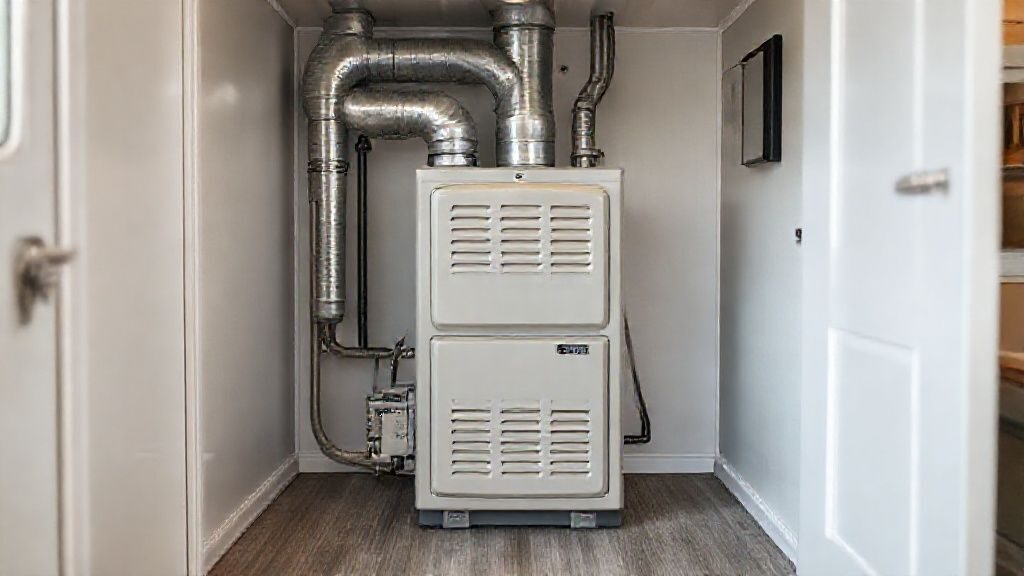
Folks often ask me about heating their mobile homes, and specifically about gas furnaces. It’s a common misconception that these systems are just miniature versions of what you’d find in a site-built house. While they perform the same basic function – keeping you warm – there are some significant differences in design, installation, and even the available options. After decades in this business, from the chilly winters of Denver where every BTU counts, to the humid summers of Tampa where even a little heat is too much, I’ve seen just about every kind of mobile home furnace setup. The truth is, mobile homes have unique structural considerations that impact their heating systems, making specialized knowledge crucial.
I’ve learned that understanding these differences is key to getting the right system, ensuring it runs efficiently, and keeping your family safe. It’s not just about picking a furnace off a shelf; it’s about understanding the specific needs of your home. We’re talking about everything from the physical size and airflow requirements to the venting and safety standards that are unique to manufactured housing. Getting it right upfront saves you headaches and money down the line, and that’s always my goal when I talk to a homeowner.
Key Highlights
- Specialized Design: Mobile home furnaces are specifically designed to fit compact spaces and meet unique venting and clearance requirements, often featuring a “downflow” configuration.
- Fuel Options: Most run on natural gas or propane, with conversion kits sometimes available.
- Accurate Sizing is Crucial: Proper BTU sizing prevents inefficient operation and ensures comfortable heating without overworking the system.
- Safety First: Features like sealed combustion and carbon monoxide detectors are vital for mobile home safety.
- Professional Installation: Due to specific codes and safety concerns, always use a qualified HVAC technician experienced with manufactured homes.
- Regular Maintenance Pays Off: Routine checks extend furnace life, maintain efficiency, and catch potential problems early.
Understanding Mobile Home Gas Furnaces: What Makes Them Different?
When we talk about a mobile home gas furnace, we’re not just slapping a “mobile home” label on a standard residential unit. These furnaces are engineered with specific characteristics to suit the unique construction of manufactured homes. The main differences stem from space constraints, structural elements, and specific safety regulations.
First off, space is at a premium. Mobile homes are built differently, often with utility closets or compartments designed to be as compact as possible. This means mobile home furnaces are typically much narrower and taller than their traditional counterparts. They’re designed for minimal footprint. You’ll often find them configured as “downflow” units. This means the heated air is pushed downwards, into ductwork located beneath the floor, which is standard practice in mobile home construction. In a traditional home, you might see upflow or horizontal units, but downflow is king in manufactured housing.
Another critical distinction is the “zero-clearance” rating. Most mobile home furnaces are designed to be installed flush against combustible materials without requiring an air gap for heat dissipation. This is a huge space-saver and is essential for installation in tight enclosures. Without this rating, a standard furnace would be a fire hazard in such a confined space.
Venting is another area where things differ. Mobile home furnaces typically use a direct vent or sealed combustion system. This means the combustion air is drawn directly from outside, and exhaust gases are vented directly outside through a dedicated pipe. This is a crucial safety feature in a smaller, often tighter living space, as it prevents drawing combustion air from the living area and minimizes the risk of combustion byproducts, like carbon monoxide, entering your home. It’s a closed system, which is safer and often more efficient.
The construction itself is often lighter, designed to handle the stresses of being moved, even if only once from the factory to its permanent site. This doesn’t mean they’re flimsy; it means they’re optimized for their specific application. Understanding these fundamental differences is the first step in making an informed decision about your heating system.
Types of Gas Furnaces for Mobile Homes: Natural Gas vs. Propane
When you’re looking at a mobile home gas furnace, one of the first decisions you’ll make is about the fuel source: natural gas or propane (LP gas). Both are effective, but your choice will largely depend on what’s available at your location and your personal preferences regarding cost and convenience.
Natural Gas Furnaces:
Natural gas is generally the most economical choice if it’s available in your area. It’s delivered directly to your home through an underground pipeline, meaning you don’t have to worry about running out or scheduling deliveries. The cost per BTU is typically lower than propane. However, natural gas isn’t available everywhere, especially in more rural mobile home parks or isolated properties. If you’re on a natural gas line, a natural gas furnace is usually the way to go. These units are specifically designed for natural gas pressure and combustion characteristics.
Propane (LP Gas) Furnaces:
Propane is a popular option for mobile homes not connected to a natural gas pipeline. It’s stored in a large tank on your property and delivered by a propane supplier. While the cost per BTU is generally higher than natural gas, propane offers flexibility – you can live virtually anywhere and still have gas heat. The main considerations with propane are monitoring your tank levels and scheduling refills. Propane furnaces are designed to handle the higher pressure of LP gas, and their burners and orifices are different from natural gas units. It’s critical that a furnace designed for propane is used with propane, and vice-versa.
Convertible Furnaces:
Some mobile home furnaces are “field convertible,” meaning they can be adapted to use either natural gas or propane with a conversion kit. This can be a useful feature if you anticipate moving your mobile home or if you’re uncertain about future fuel availability. However, these conversions must be performed by a qualified HVAC technician. It involves changing specific components, like the orifices and regulator, and ensuring proper combustion. Attempting a conversion yourself or using the wrong kit can be incredibly dangerous, leading to inefficient operation, carbon monoxide production, or even fire. Always leave fuel conversions to the pros.
When selecting your furnace, confirm the fuel type you need and ensure the unit you purchase is designed for that specific fuel. If you’re unsure which fuel type is best for your situation, talk to a local HVAC professional. They can assess your site and advise on the most practical and cost-effective option for your mobile home.
Sizing Your Mobile Home Furnace: BTUs, Efficiency & Sizing Charts
Getting the right size furnace for your mobile home is one of the most critical steps, and it’s where many folks go wrong. People often think bigger is better, but an oversized furnace can be just as problematic as an undersized one. Both lead to inefficiency, discomfort, and premature wear on the system. We’re talking about BTUs here – British Thermal Units – which is the standard measure of heating capacity.
Why Sizing Matters:
- Oversized Furnace: An oversized furnace will heat your home too quickly, reaching the thermostat’s set point and shutting off before it’s had a chance to properly circulate air and remove humidity (even in winter, indoor air can feel damp). This leads to “short cycling,” where the furnace turns on and off frequently. Short cycling wastes energy, causes inconsistent temperatures (some rooms too hot, others cold), and puts extra stress on the components, shortening the furnace’s lifespan.
- Undersized Furnace: An undersized furnace will struggle to heat your home adequately on the coldest days. It will run constantly, trying to reach the set temperature but failing. This also wastes energy, leads to discomfort, and again, puts undue strain on the system.
Understanding BTUs:
Furnaces are rated in BTUs per hour (BTUh). This number tells you how much heat the unit can produce. Mobile homes, being generally smaller and often having different insulation characteristics than site-built homes, require careful calculation. A typical mobile home might need anywhere from 30,000 to 80,000 BTUh, but this is a broad range. Factors like your home’s square footage, insulation levels (walls, ceiling, floor), window types, local climate, and even the number of occupants all play a role.
The “Manual J” Calculation (Simplified):
The industry standard for accurate sizing is called a “Manual J” load calculation. This is a detailed analysis performed by a professional, taking into account all the specific characteristics of your home and local climate. For mobile homes, while a full Manual J might be overkill for some, a technician experienced with manufactured housing will perform a simplified version, considering:
- Square Footage: The primary starting point.
- Climate Zone: How cold do your winters get?
- Insulation R-Values: The effectiveness of your insulation in the roof, walls, and floor.
- Window Quality: Single pane, double pane, Low-E coatings.
- Air Infiltration: How leaky is your home?
- Ceiling Height: Taller ceilings mean more air to heat.
Efficiency Ratings (AFUE):
Along with BTUs, you’ll see an AFUE rating (Annual Fuel Utilization Efficiency). This percentage tells you how efficiently the furnace converts fuel into usable heat over a typical heating season. An 80% AFUE furnace, for example, converts 80% of the fuel into heat, with the remaining 20% lost through the exhaust. Federal regulations set minimum AFUE standards, and higher numbers mean more energy-efficient operation and lower heating bills. While AFUE is specific to furnaces, it’s part of a broader push for efficiency in all HVAC equipment, much like the seer2 vs seer comparison chart you might see for air conditioners.
Sizing Charts & Rules of Thumb (Use with Caution):
You might find quick sizing charts online that offer BTUs per square foot. These are usually very rough estimates and should only be used for a preliminary idea. For instance, a common rule of thumb for mobile homes might be 30-45 BTUs per square foot in moderate climates, increasing to 50-60+ BTUs per square foot in colder regions. However, these don’t account for unique insulation, window quality, or home orientation. Always consult with a professional who can conduct a proper assessment.
My advice? Don’t guess on sizing. Have a qualified HVAC technician, particularly one with experience in mobile homes, perform a proper heat load calculation. It’s the only way to guarantee you’re getting a furnace that will efficiently and comfortably heat your specific mobile home for years to come.
Key Features to Consider When Buying a Mobile Home Gas Furnace
Once you’ve got a handle on sizing and fuel type, it’s time to look at the features that can make a big difference in comfort, efficiency, and longevity for your mobile home gas furnace. Not all furnaces are created equal, and understanding these options will help you make a smart investment.
-
Ignition Systems: Electronic vs. Pilot Light:
Older furnaces often used a standing pilot light – a small, constant flame that ignites the main burner. While reliable, it consumes a small amount of gas continuously. Most modern mobile home furnaces use electronic ignition (either an intermittent pilot or a hot surface igniter). These systems only ignite when heat is called for, saving fuel and improving safety. I always recommend electronic ignition for efficiency and peace of mind.
-
Single-Stage, Two-Stage, or Variable-Speed Operation:
- Single-Stage: This is the most basic and common type. The burner is either on at 100% capacity or off. It’s less expensive upfront but can lead to temperature swings and less consistent heating.
- Two-Stage: A two-stage furnace has two heat outputs – usually a lower setting (around 60-70% capacity) for mild days and a high setting for colder weather. It runs longer at the lower setting, providing more consistent temperatures, better humidity control, and quieter operation, while being more energy-efficient than a single-stage unit.
- Variable-Speed: This is the premium option. A variable-speed blower motor precisely controls airflow, matching the heat output to your home’s exact needs. This provides the most consistent temperatures, superior comfort, excellent humidity control, and the highest energy efficiency. It also tends to be the quietest. If your budget allows, a variable-speed furnace is a significant upgrade in comfort and efficiency for a mobile home.
-
AFUE Rating:
As discussed, the Annual Fuel Utilization Efficiency (AFUE) rating indicates how efficient the furnace is at converting fuel into heat. Look for higher AFUE ratings (e.g., 80% minimum, up to 90%+) for lower operating costs. While a higher AFUE unit costs more initially, the energy savings over its lifespan often make it a worthwhile investment, especially if you live in a cold climate.
-
Quiet Operation:
In a mobile home, where living spaces can be more compact, furnace noise can be a bigger issue than in a larger site-built house. Look for features like insulated cabinets, quiet burner technology, and variable-speed blower motors, which all contribute to quieter operation. A good contractor can often advise on models known for their quiet performance. If you’re looking to see our furnace selection, pay attention to sound ratings if they are provided.
-
Safety Features:
Modern furnaces come with a range of safety features that are especially important in mobile homes:
- Flame Rollout Sensors: Detect if flames are leaving the combustion chamber and shut down the system.
- Overheat Limit Switches: Prevent the furnace from overheating.
- Pressure Switches: Ensure proper venting and airflow before ignition.
- Carbon Monoxide Sensors: While an internal sensor is rare, ensuring your home has working CO detectors near the furnace and sleeping areas is non-negotiable.
- Sealed Combustion: As mentioned, this is a major safety and efficiency feature for mobile homes, drawing combustion air from outside.
-
Compatibility with Smart Thermostats:
Many modern furnaces are compatible with smart thermostats, allowing you to control your heating system remotely, schedule temperatures, and monitor energy usage. This can enhance convenience and further optimize energy savings.
Considering these features will help you select a mobile home gas furnace that not only fits your budget but also provides reliable, efficient, and comfortable heating for your home.
Professional Installation: What to Expect & Why It’s Crucial
I cannot stress this enough: professional installation of a mobile home gas furnace is not an option; it’s a necessity. This isn’t a DIY project, and cutting corners here can lead to serious safety hazards, inefficient operation, and costly repairs down the road. Mobile homes have unique requirements, and an installer needs to be well-versed in them.
Why Professional Installation is Crucial:
- Safety: Gas furnaces involve natural gas or propane lines, electrical connections, and combustion byproducts like carbon monoxide. Improper installation can lead to gas leaks, electrical fires, or CO poisoning. A qualified technician ensures all connections are secure, gas pressure is correct, and venting is safely and effectively routed.
- Code Compliance: Mobile homes are subject to specific federal regulations (HUD standards) and often local codes that differ from site-built homes. An experienced installer knows these codes inside and out, ensuring your installation passes inspection and is legal and safe. This includes clearances, flue pipe sizing, combustion air requirements, and gas line specifications.
- Efficiency and Performance: Proper installation ensures your furnace operates at its peak efficiency. This means correct sizing for the ductwork, proper airflow adjustments, and accurate calibration of the thermostat and controls. An improperly installed furnace, even a brand-new high-efficiency model, will likely underperform and cost you more in energy bills.
- Warranty Validation: Most furnace manufacturers require professional installation for the warranty to be valid. If something goes wrong due to faulty installation by an unqualified individual, your warranty will likely be void, leaving you responsible for all repair costs.
- System Longevity: A correctly installed furnace experiences less stress on its components, leading to a longer operational lifespan. This means fewer breakdowns and replacements over the years.
What to Expect During Installation:
When a professional HVAC technician installs your mobile home gas furnace, here’s a general overview of what should happen:
-
Site Assessment and Preparation:
The technician will confirm the furnace’s location, ensuring proper clearances and access for maintenance. They’ll prepare the area, often removing the old unit and inspecting the existing ductwork, gas line, and electrical connections. If the ductwork is old or damaged, they’ll advise on necessary repairs or modifications. They’ll also ensure adequate combustion air is available if it’s not a fully sealed combustion unit.
-
Furnace Placement and Securing:
The new furnace will be carefully placed into its cabinet or enclosure. Given the nature of mobile homes, it’s often anchored securely to prevent movement. This also typically involves ensuring the unit is level for proper drainage and operation.
-
Ductwork Connection:
The supply and return air plenums will be connected to the furnace, ensuring tight, leak-free seals. This is crucial for efficient air distribution throughout the mobile home. The technician will verify that the ductwork is appropriately sized and configured for your specific unit. Sometimes, in older homes, modifications to the existing ducting are necessary to optimize airflow.
-
Gas Line Connection:
The gas line will be safely connected to the furnace. This involves using appropriate fittings, ensuring there are no leaks (which will be rigorously tested), and verifying the gas pressure is correct for the specific furnace model and fuel type (natural gas or propane). This step is where expertise is paramount for safety.
-
Electrical Wiring:
The furnace requires electrical power for its blower motor, controls, and ignition system. The technician will make all necessary electrical connections, ensuring proper voltage and amperage, and grounding. They’ll also connect the thermostat wiring.
-
Venting System Installation:
For mobile home furnaces, this usually involves installing a direct vent or sealed combustion exhaust system. The vent pipe will be properly routed through the roof or sidewall, ensuring it meets all clearance requirements and is sealed to prevent leaks and backdrafting. Correct pitch for condensate drainage is also important.
-
Thermostat Installation/Connection:
The new or existing thermostat will be wired and configured to communicate correctly with the furnace.
-
Testing and Calibration:
Once everything is connected, the technician will thoroughly test the system. This includes checking for gas leaks again, verifying proper ignition, measuring temperature rise across the heat exchanger, checking airflow, and ensuring all safety controls are functioning correctly. They’ll make any necessary adjustments to optimize performance and efficiency.
-
Cleanup and Homeowner Education:
A good professional will clean up their workspace and then explain the new system’s operation, maintenance requirements (like filter changes), and answer any questions you have.
Choosing a reputable HVAC contractor with specific experience in mobile home installations is paramount. Don’t hesitate to ask for their credentials and references. Investing in professional installation is investing in your home’s safety, comfort, and efficiency.
Essential Maintenance Tips for Mobile Home Gas Furnaces
Just like any piece of machinery, your mobile home gas furnace needs regular attention to run efficiently, safely, and reliably. Skipping maintenance is like driving your car without oil changes – it’ll run for a while, but you’re asking for trouble. Regular maintenance isn’t just about preventing breakdowns; it’s about extending the life of your unit, ensuring peak efficiency, and most importantly, maintaining safety.
What You Can Do (Monthly/Quarterly):
- Check and Change Air Filters: This is the absolute easiest and most important thing you can do. A clogged air filter restricts airflow, forcing your furnace to work harder, which wastes energy, reduces heating capacity, and can even lead to overheating. For mobile homes, I recommend checking your filter monthly and replacing it every 1-3 months, depending on usage, pets, and indoor air quality. If it looks dirty, change it. Filters are cheap; furnace repairs are not.
- Keep the Area Around the Furnace Clear: Ensure there’s adequate clearance around the furnace cabinet. Don’t store anything flammable nearby, and make sure return air vents aren’t blocked by furniture or debris. Remember, these are often “zero-clearance” units, but that means against walls, not stuffed into a closet with linens and paint cans.
- Inspect and Clean Return/Supply Vents: Periodically check that all your return and supply registers are open and free from obstructions. Dust them regularly.
- Test Carbon Monoxide (CO) Detectors: Mobile homes are tight spaces, making CO detection even more critical. Test your CO detectors monthly by pressing the “test” button and replace their batteries annually. Replace the units themselves every 5-7 years, as their sensors degrade over time.
What a Professional Should Do (Annually):
Once a year, typically before the heating season begins, have a qualified HVAC technician perform a thorough inspection and tune-up. This isn’t just a suggestion; it’s an investment that pays for itself. Here’s what a professional tune-up usually includes:
- Check for Gas Leaks: Using specialized equipment, the technician will check all gas line connections for leaks.
- Inspect the Heat Exchanger: This is a critical safety check. The heat exchanger separates combustion gases from the breathable air in your home. Cracks can allow dangerous carbon monoxide to leak into your living space. This inspection is non-negotiable.
- Clean and Adjust Burners: Dirty burners can lead to inefficient combustion and increased CO production. The technician will clean them and ensure they’re firing correctly.
- Check Ignition System: Whether it’s a pilot light or electronic ignition, they’ll ensure it’s functioning reliably.
- Test Safety Controls: All limit switches, flame sensors, and other safety devices will be tested to ensure they trip as designed.
- Measure Gas Pressure: Correct gas pressure is vital for proper combustion and efficiency. Adjustments will be made if necessary.
- Lubricate Moving Parts: Blower motors and other components often have lubrication ports. Proper lubrication reduces friction and wear.
- Inspect Flue Pipe and Venting: Ensure the exhaust vent is clear of obstructions, properly sealed, and free of corrosion or damage. This is especially important for direct vent systems common in mobile homes.
- Check Electrical Connections: Tighten any loose wiring and check for signs of corrosion or wear.
- Measure Temperature Rise: This confirms the furnace is operating within the manufacturer’s specified temperature range, indicating proper airflow and heat output.
- Inspect Blower Motor and Wheel: Clean the blower wheel if necessary to ensure optimal airflow. A dirty blower wheel can significantly reduce efficiency.
Think of annual maintenance as your furnace’s yearly physical. It identifies small problems before they become big, expensive ones, keeps your unit running efficiently, and most importantly, ensures your home stays warm and safe. Don’t skip it.
Troubleshooting Common Mobile Home Furnace Issues
Even with the best maintenance, sometimes a mobile home gas furnace can act up. Before you call a technician, there are a few basic troubleshooting steps you can take. These steps won’t fix every problem, but they can identify simple issues or at least provide valuable information for the professional when they arrive.
No Heat or Insufficient Heat:
- Check the Thermostat: Is it set to “Heat” and to a temperature higher than the current room temperature? Are the batteries dead if it’s a digital thermostat? Sometimes, it’s that simple.
- Check the Air Filter: A severely clogged filter can restrict airflow so much that the furnace overheats and shuts off as a safety measure. If it’s dirty, replace it.
- Check the Circuit Breaker: Locate your electrical panel. Has the breaker for the furnace (often labeled “Furnace” or “HVAC”) tripped? If so, reset it. If it trips again immediately, there’s an electrical problem that requires a technician.
- Check the Emergency Shut-Off Switch: This looks like a light switch, often located near the furnace or at the top of the basement/utility room stairs. Make sure it hasn’t been accidentally flipped off.
- Is the Gas Supply On?: For propane users, is your tank full? Is the main gas valve to your furnace open? Sometimes these get accidentally closed.
- Pilot Light (Older Furnaces): If your furnace has a standing pilot light, check if it’s out. Consult your owner’s manual for instructions on how to safely relight it. If it won’t stay lit, there might be a problem with the thermocouple or gas supply.
- Vent Blockage: For direct vent systems, check the exterior vent for obstructions (bird nests, leaves, snow). A blocked vent can prevent the furnace from operating safely.
Furnace is Running, But No Heat:
- Blower Motor Running Constantly: If the blower runs but no heat comes out, it could indicate an issue with the heat exchanger (though less common in newer sealed units), the gas valve, or the igniter. This needs professional attention.
- Dirty Flame Sensor: Modern furnaces with electronic ignition have a flame sensor that detects if a flame is present. If it gets dirty, it won’t sense the flame, and the furnace will shut down for safety. This often results in the furnace attempting to light multiple times, then shutting off. A technician can clean this.
Strange Noises:
- Squealing or Chirping: Often indicates a worn-out blower belt (if applicable) or a motor bearing that needs lubrication or replacement.
- Rattling: Could be loose panels, ductwork, or debris inside the blower housing.
- Banging or Popping (Ductwork): This is usually due to expanding and contracting ductwork as air heats up and cools down. It’s often normal, but if it’s excessive, it might indicate airflow issues or undersized ducts.
- Loud Bang at Start-Up: This can be serious. It often points to a delayed ignition of gas buildup in the combustion chamber. Turn off the furnace immediately and call for service.
Smells:
- Burning Dust Smell: Common at the beginning of the heating season as dust burns off the heat exchanger. It should dissipate quickly. If it persists, call a technician.
- Electrical/Burning Plastic Smell: Shut down the furnace immediately and call for service. This could indicate an electrical problem.
- Sulphur/Rotten Egg Smell: This is the distinct smell of natural gas or propane (an odorant is added for safety). If you smell this, immediately turn off your gas supply, evacuate the home, and call your gas company and the fire department from a safe location. Do not operate any electrical switches or phones inside the house.
When in doubt, especially with gas appliances, err on the side of caution. If you’ve tried these basic steps and the problem persists, or if you suspect a serious issue, don’t hesitate to call a professional. For something like a motorized fire damper in a large commercial system, you’d always call a specialist. Your mobile home furnace, though smaller, still requires that same level of respect for safety and expertise.
Costs Associated with Mobile Home Gas Furnaces (Unit & Installation)
Understanding the costs involved in purchasing and installing a mobile home gas furnace is key to budgeting and making an informed decision. It’s not just the price tag of the unit itself; installation labor, materials, and potential upgrades all factor into the total investment. Prices can vary significantly based on location, furnace features, and the complexity of the installation.
Cost of the Furnace Unit Itself:
The price of a mobile home gas furnace unit can range from around $1,500 to $4,000 or more. Here’s what influences that price:
- BTU Capacity: Higher BTU furnaces (for larger homes or colder climates) typically cost more.
- Efficiency Rating (AFUE): Units with higher AFUE ratings (e.g., 90%+) are generally more expensive than standard efficiency (80% AFUE) models. However, they offer lower operating costs over time, potentially offsetting the upfront expense.
- Features: Furnaces with advanced features like two-stage heating, variable-speed blowers, and smart thermostat compatibility will be on the higher end of the price spectrum. These features provide greater comfort and energy savings but come at a premium.
- Brand: Different manufacturers have varying price points, though quality and warranty often correlate with price.
- Fuel Type: While both natural gas and propane units generally fall within the same range, specific features or brand availability might cause slight differences. Convertible units may have a slightly higher base price.
Installation Costs:
Installation is a significant portion of the total cost, typically ranging from $1,000 to $2,500 or more. This covers labor, miscellaneous materials, and ensuring everything is up to code. Factors affecting installation cost include:
- Labor Rates: These vary by region and the specific HVAC contractor.
- Removal of Old Unit: Disposing of your old furnace adds to the labor time.
- Ductwork Modifications: If your existing ductwork is old, damaged, or not compatible with the new furnace, modifications or even partial replacement will add to the cost. This is quite common in older mobile homes.
- Gas Line Work: If you’re switching fuel types (e.g., from electric to gas), or if your existing gas line needs to be extended, upgraded, or repaired, this will incur additional costs. Pressure tests and potential permits are also part of this.
- Ventilation System: Installation of the new flue pipe and ensuring proper sealing and clearances. If upgrading from an older, less efficient system, the venting may need significant changes.
- Electrical Upgrades: Sometimes, an older mobile home’s electrical panel may need an upgrade to support a modern furnace, particularly if it has a powerful blower or more advanced controls.
- Permits and Inspections: Most areas require permits for furnace replacement, and inspections ensure the work is done safely and to code. These fees are usually passed on to the homeowner.
- Emergency vs. Scheduled Installation: If you need an emergency replacement in the dead of winter, you might pay a premium for expedited service.
Total Estimated Cost:
Combining the unit and installation, you can expect the total cost for a new mobile home gas furnace to be anywhere from $2,500 to $6,500+. This range covers standard efficiency units with basic installation up to high-efficiency models with more complex installation requirements.
Potential Additional Costs & Considerations:
- Thermostat Upgrade: If you opt for a smart or programmable thermostat, that’s an extra cost, typically $50-$300.
- Carbon Monoxide Detectors: If you don’t have up-to-date detectors, budget for these vital safety devices (around $30-$70 each).
- Warranty: Understand what the manufacturer’s warranty covers (parts only, labor, duration) and if the installer offers a labor warranty.
- Maintenance Plan: Some HVAC companies offer annual maintenance plans that can save you money on tune-ups and potentially offer discounts on repairs.
- Financing Options: Many HVAC companies offer financing plans, which can make the investment more manageable.
Always get at least three quotes from reputable HVAC contractors who have experience with mobile homes. A good quote will be detailed, breaking down the cost of the unit, labor, and any additional materials or services. Don’t just look for the lowest price; look for the best value, considering the contractor’s reputation, warranty, and experience. When you’re ready, feel free to contact us for a quote. We’ll make sure you understand all the costs involved.
Choosing a Qualified HVAC Contractor for Your Mobile Home
Selecting the right HVAC contractor for your mobile home gas furnace is just as important as choosing the furnace itself. An inexperienced or unqualified installer can turn a good furnace into a bad investment, compromise your safety, and lead to ongoing problems. Given the specific requirements of mobile homes, you need a contractor who understands these nuances, not just someone who installs traditional residential units.
Here’s what I recommend looking for when you’re choosing an HVAC professional:
1. Experience with Mobile Homes:
This is my number one piece of advice. Ask directly: “Do you have specific experience installing and servicing furnaces in mobile or manufactured homes?” A contractor primarily focused on site-built homes might not be familiar with the unique downflow configurations, zero-clearance requirements, specialized venting, and HUD codes that apply to mobile homes. Look for someone who can confidently speak about these differences.
2. Proper Licensing and Insurance:
- Licensing: Ensure the contractor is licensed to perform HVAC work in your state or locality. A valid license shows they’ve met professional standards.
- Insurance: Verify they carry liability insurance and worker’s compensation insurance. This protects you from financial responsibility if there’s an accident or damage during the installation. Ask for proof of insurance.
3. NATE Certification (or Equivalent):
NATE (North American Technician Excellence) certification is a strong indicator of a technician’s knowledge and skill. NATE-certified technicians have passed rigorous exams demonstrating their competence in various HVAC specializations. While not mandatory, it shows a commitment to professional development and quality work. Look for this on their website or ask if their technicians are certified.
4. Reputation and References:
- Online Reviews: Check online review sites (Google, Yelp, Better Business Bureau) to see what other customers say about their service, professionalism, and follow-up.
- References: Ask the contractor for references from recent mobile home furnace installations. A reputable company won’t hesitate to provide them. Follow up on these references.
5. Detailed Quotes and Transparent Pricing:
Get a written quote that clearly itemizes all costs: the furnace unit, labor, materials, permits, and removal of the old unit. Be wary of contractors who provide vague estimates or push for a quick decision without a thorough assessment. A good contractor will explain everything involved and answer all your questions.
6. Warranty and Guarantees:
Inquire about the warranties offered. This includes the manufacturer’s warranty on the equipment (parts) and the contractor’s warranty on their labor. A confident contractor will stand behind their work with a solid labor warranty.
7. Timeliness and Communication:
Pay attention to how responsive they are when you initially contact them. Do they show up on time for appointments? Do they communicate clearly and promptly? These are good indicators of their professionalism throughout the project.
8. Comfort Level:
Ultimately, trust your gut. You’re inviting this person into your home and relying on their expertise for a critical system. You should feel comfortable asking questions and confident in their ability to do the job right. If something feels off, get another opinion.
Don’t simply pick the cheapest bid. While cost is a factor, prioritizing a qualified, experienced, and reputable contractor will save you money and headaches in the long run. An improperly installed gas furnace is not just inefficient; it can be a serious safety risk.
Frequently Asked Questions (FAQs) About Mobile Home Furnaces
Q1: Can I install a regular residential furnace in my mobile home?
A: No, generally you cannot. Mobile home furnaces are specifically designed with features like “zero-clearance” for installation next to combustible materials, downflow air distribution, and often sealed combustion systems to meet HUD regulations and fit in compact spaces. A standard residential furnace is not designed for these specific requirements and can pose significant safety hazards and may not comply with local codes or manufacturer warranties.
Q2: How often should I have my mobile home furnace serviced?
A: You should have your mobile home gas furnace professionally serviced at least once a year, ideally before the start of the heating season. This annual tune-up ensures it runs safely and efficiently, extends its lifespan, and helps catch small issues before they become major problems. Additionally, check your air filter monthly and replace it every 1-3 months, or when visibly dirty.
Q3: What’s the typical lifespan of a mobile home gas furnace?
A: With proper installation and regular annual maintenance, a mobile home gas furnace can typically last between 15 to 20 years. Factors like usage, climate, and the quality of the original unit can influence this lifespan. Neglecting maintenance will significantly shorten its life.
Q4: How do I know what size furnace my mobile home needs?
A: The size of your furnace is measured in BTUs (British Thermal Units). It’s crucial to have a qualified HVAC technician perform a heat load calculation for your specific mobile home. This calculation takes into account factors like square footage, insulation levels, window types, and local climate to ensure your furnace is neither too big nor too small for your needs. Avoid relying on simple square footage estimates.
Q5: Is natural gas or propane better for a mobile home furnace?
A: The “better” fuel depends on availability and cost in your area. Natural gas is generally more economical if a pipeline is accessible. Propane offers flexibility as it can be delivered to virtually any location, but typically has a higher cost per BTU and requires tank monitoring. Most mobile home furnaces are designed for one fuel type or are “field convertible” with a specific kit, which must be installed by a professional.
Q6: What are the signs that my mobile home furnace needs repair?
A: Common signs include: no heat or insufficient heat, strange noises (squealing, grinding, banging), unusual odors (burning plastic, sulfur/rotten eggs), pilot light issues (if applicable), frequent cycling (turning on and off rapidly), or an unexpected spike in your energy bills. Any of these warrant investigation, and if you smell gas, evacuate immediately and call emergency services.
Q7: Can I convert my mobile home furnace from natural gas to propane or vice versa?
A: Some mobile home furnaces are designed to be “field convertible” using a manufacturer-approved conversion kit. This involves changing specific components like orifices and regulators. This conversion must be performed by a qualified and certified HVAC technician to ensure safety, proper operation, and warranty validity. Never attempt to convert a furnace yourself.
Final Thoughts
Getting your mobile home’s heating system right is a big deal, not just for comfort, but for safety and your wallet. We’ve covered a lot here, from understanding what makes these furnaces unique to how to maintain them and what to look for in a good contractor. My main message is always this: don’t cut corners on your heating. Mobile homes have specific needs, and treating them with the respect they deserve will ensure you stay warm and safe for years to come.
Remember, the right size furnace, professionally installed, and regularly maintained, is the bedrock of efficient and reliable heating. Don’t be afraid to ask questions, seek out experienced professionals, and invest a little time in understanding your system. It’s your home, and your comfort is worth it.