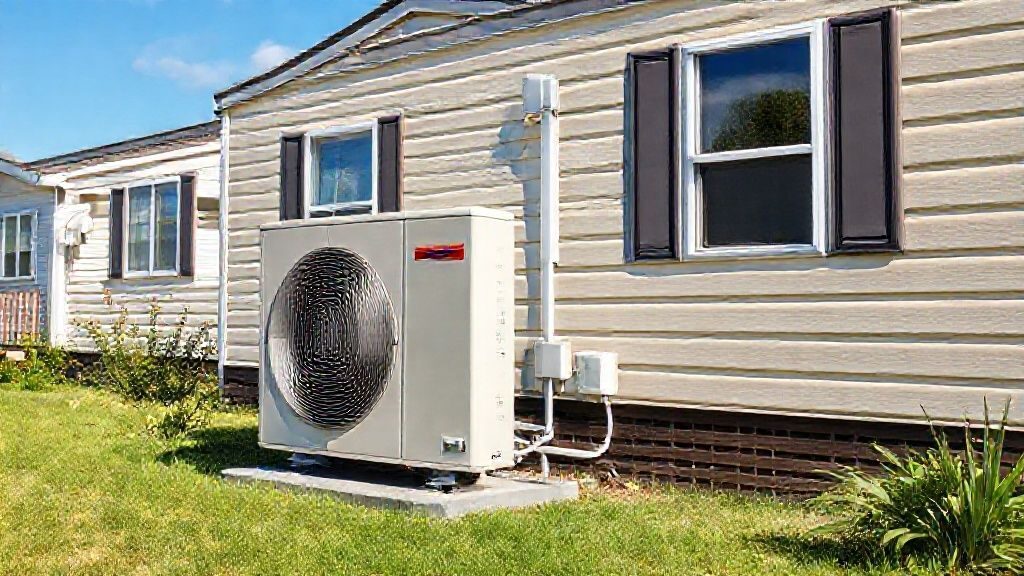
After decades in this business, I’ve seen just about every kind of heating and cooling challenge you can imagine. From the scorching summers of Phoenix to the biting winters up in the Colorado Rockies, homes need reliable systems. One area that often gets overlooked, but is incredibly important, is heating and cooling for manufactured homes. These homes have unique needs, and understanding those is key to comfort and efficiency.
I remember a particular job in a manufactured home community outside Denver a few years back. The homeowner had an old, inefficient furnace and a separate, equally ancient air conditioner. Their utility bills were through the roof, and they were constantly adjusting the thermostat, never quite comfortable. They thought their options were limited because it was a mobile home. We talked through it, and a modern heat pump system ended up being the perfect fit. It made a significant difference in their comfort and their budget. It’s not just about installing equipment; it’s about finding the right solution for the specific environment, and manufactured homes are no exception.
Key Highlights
- Mobile home heat pumps provide both heating and cooling from a single system, operating efficiently in diverse climates.
- They are specifically designed to meet the unique structural and ductwork requirements of manufactured homes.
- Significant energy savings are a primary benefit, often leading to lower utility bills compared to traditional furnaces and AC units.
- Understanding metrics like SEER, HSPF, and tonnage is crucial for proper sizing and optimal performance.
- Regular maintenance is key to extending the lifespan and maintaining the efficiency of your heat pump system.
What is a Mobile Home Heat Pump?
A mobile home heat pump, at its core, is a two-way air conditioner. Unlike a traditional furnace that generates heat or an AC that only removes it, a heat pump moves heat. In the warmer months, it pulls heat from inside your home and expels it outdoors, just like an air conditioner. When temperatures drop, it reverses the process, extracting heat from the outdoor air – even very cold air – and moving it inside to warm your home. It’s an incredibly versatile system designed to handle both heating and cooling duties efficiently.
What sets a “mobile home” heat pump apart isn’t necessarily a fundamental difference in how it operates, but rather in its design and certification. Manufactured homes often have specific requirements for installation, including different ductwork configurations, reduced clearances, and sometimes unique electrical or gas line connections. Mobile home rated units are designed to meet these specific demands, ensuring safe and effective operation within the home’s structure. These units are built to be more compact, often come in packaged units (meaning all components are in one outdoor cabinet), or are designed for the specific airflow needs of a manufactured home’s typically smaller duct systems. They are also often certified for zero-clearance installation to combustible materials, a common requirement in manufactured housing.
Standard residential heat pumps might not always be suitable due to these structural and regulatory differences. Using a system specifically designed for manufactured homes ensures that it will fit correctly, operate safely, and provide optimal performance without modifications that could void warranties or create safety hazards. It’s about matching the right tool to the job, and in this case, the job is keeping a mobile home comfortable year-round with an all-in-one solution.
Why Choose a Heat Pump for Your Manufactured Home?
There are several compelling reasons why a heat pump is an excellent choice for a manufactured home, primarily revolving around efficiency, comfort, and safety. Let’s break down the main advantages.
Energy Efficiency and Cost Savings
This is usually the biggest draw. Heat pumps don’t generate heat by burning fuel; they simply move it. This makes them significantly more efficient than electric resistance furnaces or even many gas furnaces, especially in moderate climates. For every unit of electricity consumed, a heat pump can deliver multiple units of heating or cooling energy. This translates directly into lower utility bills, which is a major concern for any homeowner, including those in manufactured homes. Over the lifespan of the system, these savings can be substantial, making the initial investment well worth it.
Year-Round Comfort with a Single System
A heat pump provides both heating and cooling from one unit. This means you don’t need a separate furnace and an air conditioner, simplifying your HVAC setup. You get consistent temperatures throughout the year without the hassle of switching between different systems or maintaining multiple pieces of equipment. The transition from heating to cooling and vice-versa is seamless, often managed automatically by the thermostat.
Improved Indoor Air Quality
Because heat pumps utilize a central air filtration system, they can help improve the indoor air quality of your home. They continuously circulate air, passing it through filters that capture dust, allergens, and other particulates. This is a benefit shared with central air conditioning systems, but when combined with the efficiency of a heat pump, it’s a double win. Furthermore, since they don’t rely on combustion like gas furnaces, they don’t produce carbon monoxide or other combustion byproducts, contributing to a safer indoor environment.
Environmental Benefits
Reducing energy consumption is good for your wallet and the environment. By operating more efficiently, heat pumps lessen your carbon footprint. Many modern heat pumps use refrigerants with lower global warming potential, further enhancing their eco-friendly profile. This aligns with broader efforts towards sustainable living and energy conservation.
Durability and Longevity
Modern heat pumps are built to last. With proper installation and regular maintenance, you can expect a heat pump system to provide reliable service for 15 years or more. Their robust design, coupled with advancements in compressor technology, ensures they can withstand the rigors of continuous operation in varying weather conditions. This longevity adds to the return on investment over time.
Types of Heat Pumps for Mobile Homes
When it comes to outfitting a manufactured home with a heat pump, you generally have a few different types to consider. Each has its own benefits and specific use cases. Understanding these options is key to making the right choice for your particular situation.
Packaged Terminal Heat Pumps (PTHP)
These are often found in smaller manufactured homes or individual rooms. A PTHP is a self-contained unit, meaning all its components—compressor, condenser, evaporator, and fan—are housed in a single chassis. They’re typically installed through an exterior wall, much like a window air conditioner, but they offer both heating and cooling. Their main advantage is simplicity of installation and independent control, but they’re not usually ideal for heating an entire multi-room home.
Split-System Heat Pumps
This is one of the most common types. A split system consists of an outdoor unit (containing the compressor and condenser coil) and an indoor unit (with the evaporator coil and air handler). These two units are connected by refrigerant lines and electrical wiring. Split systems are highly efficient and are excellent for heating and cooling an entire manufactured home that has existing ductwork. They offer quiet operation indoors, as the noisy components are outside. For those looking for competitive split unit aircon prices, these systems often provide excellent value and performance.
Ductless Mini-Split Heat Pumps
Ductless mini-splits are a fantastic option for manufactured homes, especially if they lack existing ductwork or if you want to create zoned heating and cooling. Like split systems, they have an outdoor unit and one or more indoor units. However, these indoor units are typically mounted on a wall or ceiling in individual rooms and deliver conditioned air directly, without ducts. Each indoor unit can be controlled independently, allowing for precise temperature control in different zones. This can lead to even greater energy savings, as you only condition the spaces you’re using. If you’re wondering what kind of a “motorhome air conditioner for sale” might be available, mini-splits are also gaining popularity for larger RVs due to their efficiency and compact design.
Packaged Heat Pumps (Self-Contained Units)
Similar to split systems in terms of overall capacity, packaged heat pumps combine all components (compressor, condenser, evaporator, fan) into a single outdoor cabinet. This unit is usually installed on a concrete slab next to the home or on the roof. Conditioned air is then delivered to the home via a supply and return duct system that runs directly from the package unit. Packaged units are particularly popular for manufactured homes because they simplify installation, requiring less interior space and often connecting easily to the home’s existing ductwork, which is frequently designed for this type of system. They are often built with specific clearances and connection points in mind for manufactured housing, making them a very suitable choice.
Each type has its place. The best choice depends on your home’s layout, existing infrastructure, budget, and specific heating and cooling needs. Consulting with an HVAC professional who understands manufactured homes is always the best first step to ensure you get the right system for your situation.
Key Factors When Selecting a Mobile Home Heat Pump
Choosing the right heat pump for a manufactured home isn’t a “one size fits all” situation. There are several critical factors to consider to ensure you get a system that performs efficiently, keeps you comfortable, and lasts for years. Getting these details right from the start will save you headaches and money down the line.
Proper Sizing (Tonnage)
This is arguably the most important factor. An undersized unit won’t be able to keep your home comfortable on the hottest or coldest days, running constantly and never quite catching up. An oversized unit will short-cycle, meaning it turns on and off too frequently. This wastes energy, creates uneven temperatures, and puts unnecessary wear and tear on the compressor, shortening its lifespan. Sizing isn’t just about square footage; it involves a detailed calculation called a “Manual J load calculation” that accounts for your home’s insulation, windows, doors, ceiling height, climate zone, and even the number of occupants. While a 12k mini split square footage guideline might give you a rough idea, a professional assessment is crucial, especially for the unique construction of manufactured homes.
Energy Efficiency Ratings (SEER, HSPF)
You’ll see numbers like SEER (Seasonal Energy Efficiency Ratio) and HSPF (Heating Seasonal Performance Factor) on heat pump units. These ratings indicate how efficient the unit is. Higher numbers mean greater efficiency, which translates to lower operating costs. While a higher-efficiency unit might have a higher upfront cost, the long-term savings on your utility bills often justify the investment. It’s about finding the right balance between initial outlay and ongoing operational expenses.
Climate Zone
Where you live plays a significant role. In milder climates, a standard heat pump will perform excellently year-round. In colder regions, you might need a “cold climate” heat pump, which is designed to extract heat from outdoor air even when temperatures dip well below freezing. Alternatively, you might consider a dual-fuel system, which pairs a heat pump with a high-efficiency furnace (typically gas) to kick in when temperatures are too low for the heat pump to operate efficiently on its own. Your climate will dictate the minimum HSPF rating you should aim for.
Ductwork Condition and Configuration
Many manufactured homes have unique ductwork systems, often running through the floor. The condition and layout of this ductwork are vital. Leaky or poorly sized ducts can negate the efficiency of even the best heat pump. Before installing a new system, have your existing ductwork inspected for leaks, proper sizing, and insulation. If you’re adding ductwork, ensure it’s specifically designed for a manufactured home’s structure. For homes without existing ductwork, ductless mini-split systems become a very attractive option.
Noise Levels
Both indoor and outdoor units produce some level of noise. If quiet operation is important to you, pay attention to the decibel (dB) ratings. Modern heat pumps, especially higher-end models, are remarkably quiet. This is particularly relevant if the outdoor unit will be near a patio or bedroom window, or if the indoor air handler is in a central location within the home.
Manufacturer and Warranty
Not all heat pumps are created equal. Research reputable manufacturers known for quality and reliability. Also, carefully review the warranty. A good warranty provides peace of mind and protects your investment. Understand what parts are covered, for how long, and what conditions might void the warranty. This is where explore our comprehensive HVAC services can help, as reputable providers often work with top brands and offer solid warranty support.
Understanding SEER, HSPF, and Tonnage for Mobile Homes
When you’re looking at heat pumps, you’re going to come across some technical terms and numbers. Don’t let them intimidate you. They’re just ways to measure how much heating or cooling power a unit has and how efficiently it uses energy. For a manufactured home, understanding these is crucial for selecting the right system.
SEER: Seasonal Energy Efficiency Ratio
SEER is a rating for the cooling efficiency of a heat pump. It’s calculated by dividing the total cooling output for a typical cooling season by the total electric energy input during the same period. Think of it like miles per gallon for a car. A higher SEER rating means the unit uses less electricity to produce the same amount of cooling. For manufactured homes, the minimum SEER rating required by federal law is currently 14 SEER in northern regions and 15 SEER in southern regions. Going higher, to 16 SEER or even 18+ SEER, will usually mean greater energy savings over the life of the unit, particularly in areas with long, hot summers. The extra upfront cost often pays for itself in reduced utility bills.
HSPF: Heating Seasonal Performance Factor
HSPF is the equivalent rating for heating efficiency. It measures the total heating output of a heat pump during a typical heating season, divided by the total electric energy consumed during the same period. Just like with SEER, a higher HSPF number indicates greater heating efficiency. This is especially important for manufactured homes in colder climates, where the heat pump will be doing a lot of work to keep the home warm. Federal minimums for HSPF are typically around 8.8 HSPF. Again, consider models with higher HSPF ratings if heating is a significant portion of your energy consumption.
Tonnage: The Measure of Cooling/Heating Capacity
Tonnage refers to the cooling or heating capacity of the heat pump. One “ton” of cooling capacity is equivalent to 12,000 BTUs (British Thermal Units) per hour. This is a measure of how much heat the unit can remove from or add to your home in an hour. For example, a 3-ton heat pump can remove or add 36,000 BTUs per hour. Manufactured homes vary widely in size and construction, so getting the tonnage right is critical.
- Too Small (Undersized): An undersized heat pump will run continuously, struggling to reach the desired temperature. It won’t remove humidity effectively during cooling, leading to a clammy feeling. It will wear out faster due to constant operation.
- Too Large (Oversized): An oversized heat pump will quickly cool or heat your home, but then shut off (“short cycle”). This is inefficient because the most energy-intensive part of an HVAC cycle is starting up the compressor. Short cycling also prevents proper dehumidification during cooling, making your home feel damp even if the air temperature is low. It also leads to uneven temperatures and premature wear on components.
As mentioned earlier, a proper Manual J load calculation is essential for determining the correct tonnage for your specific manufactured home. This accounts for factors like insulation R-value, window types, local climate data, ceiling height, and orientation of the home. Never guess or rely solely on square footage charts. What works for a stick-built home of the same size might not be right for a manufactured home due to differences in construction materials and insulation practices. Getting the tonnage right ensures optimal comfort, efficiency, and longevity for your heat pump system.
Mobile Home Heat Pump Installation & Considerations
Installing a heat pump in a manufactured home isn’t quite the same as a conventional stick-built house. There are specific structural and regulatory considerations that need to be addressed to ensure a safe, efficient, and compliant installation. This isn’t a job for the inexperienced DIYer; it requires professional expertise.
Professional Installation is Key
I cannot stress this enough: always use a certified HVAC technician experienced with manufactured home installations. They understand the unique challenges, such as:
- Ductwork: Manufactured homes often have specific ductwork designs, typically located in the floor or ceiling, with unique material considerations. Technicians need to inspect, seal, and size this ductwork properly.
- Electrical Requirements: Heat pumps require specific electrical circuits. Ensuring the home’s electrical system can handle the load and that wiring is up to code for manufactured housing is critical.
- Structural Integrity: Attaching outdoor units, running refrigerant lines, and installing indoor components must be done without compromising the home’s structural integrity.
- Clearances: Manufactured homes can have tighter space constraints, requiring precise placement of units and adherence to strict clearance rules for safety and performance.
- Warranty: Many manufacturers require professional installation to validate the warranty. A botched DIY job or amateur installation can void your coverage.
Site Preparation and Unit Placement
The outdoor unit, whether it’s part of a split system or a packaged unit, needs a stable, level foundation. This often means a concrete pad or a reinforced, elevated platform. It should be placed away from living areas if possible, to minimize noise, and where it won’t be blocked by landscaping or debris, which could restrict airflow. Adequate clearance around the unit is essential for proper operation and maintenance. For packaged units, ensuring the connection to the home’s main duct crossover is sealed and secure is vital.
Ductwork Inspection and Modification
Before any new unit goes in, the existing ductwork in your manufactured home needs a thorough inspection. Common issues include:
- Leaks: Joints and seams in older ductwork often leak, wasting conditioned air. Sealing these leaks is one of the most cost-effective ways to improve efficiency.
- Sizing: The original ductwork might have been sized for a less powerful or different type of system. An improperly sized duct system can restrict airflow, making your new heat pump work harder and perform poorly.
- Insulation: Ducts running through unconditioned spaces (like a crawl space or attic) should be properly insulated to prevent heat loss or gain.
Sometimes, modifications or even partial replacement of duct sections are necessary to optimize the new heat pump’s performance. This is particularly true if you are upgrading to a much more powerful or different type of system than what was originally installed.
Refrigerant Lines and Electrical Connections
For split systems, properly installing and sealing the refrigerant lines between the indoor and outdoor units is critical. Any leaks will severely impact performance and can be costly to fix. Electrical connections must meet local codes and be properly sized for the heat pump’s power draw. This includes dedicated circuits and appropriate circuit breakers.
Thermostat Compatibility and Placement
Modern heat pumps require a compatible thermostat, often a “heat pump specific” model capable of controlling multi-stage heating and cooling, as well as auxiliary heat. Placing the thermostat on an interior wall, away from direct sunlight, drafts, or heat sources, ensures accurate temperature readings and optimal system operation. Smart thermostats can further enhance efficiency and control.
Permits and Regulations
Always check with your local municipality for required permits before starting installation. Manufactured homes often fall under specific building codes, and ensuring your installation complies with all local and state regulations is crucial for safety and resale value. A professional installer will typically handle all necessary permits and inspections.
Taking these considerations seriously ensures your mobile home heat pump installation is done right the first time, providing reliable, efficient comfort for years to come.
Maintenance Tips for Optimal Performance
A heat pump is a significant investment, and like any complex piece of machinery, it needs regular attention to keep running at its best. Consistent maintenance not only ensures optimal performance and efficiency but also extends the lifespan of your system and helps prevent costly breakdowns. Here’s what you need to do.
Regular Filter Replacement or Cleaning
This is the simplest and most crucial maintenance task you can perform. The air filter traps dust, dirt, pet dander, and other particles before they can enter your system. A dirty filter restricts airflow, forcing your heat pump to work harder, which wastes energy and can damage the unit. I recommend checking your filter monthly and replacing or cleaning it every 1-3 months, depending on usage, pet presence, and overall household dust levels. High-efficiency pleated filters are a good choice, but make sure they don’t restrict airflow too much for your particular system.
Keep Outdoor Unit Clear
The outdoor unit (condenser) needs good airflow to operate efficiently. Make sure to keep the area around it clear of debris, leaves, grass clippings, and overgrown shrubs. Aim for at least 2 feet of clearance on all sides. During winter, clear away any snow accumulation that might block the coils or obstruct the fan. Also, be mindful of dripping water from eaves or gutters that could form ice on or around the unit.
Clean Coils
Both the outdoor (condenser) and indoor (evaporator) coils can get dirty over time.
- Outdoor Coils: These coils are exposed to the elements and can accumulate dirt and grime, reducing their ability to release or absorb heat. You can gently spray the outdoor coils with a garden hose to clean off surface dirt. For tougher grime, consider a specialized coil cleaner. Always ensure the power to the unit is off before cleaning.
- Indoor Coils: These are harder to access, usually located within the air handler. They can collect dust, and if moisture is present, mold can grow. Cleaning indoor coils is generally best left to a professional, as it requires opening the unit and using specialized cleaning agents.
Check for Refrigerant Leaks
If your heat pump isn’t cooling or heating as effectively as it used to, a refrigerant leak could be the culprit. Refrigerant levels should only be checked and adjusted by a qualified technician. Low refrigerant not only reduces efficiency but can also damage the compressor. This is a job that requires specific tools and certifications.
Inspect and Clear Condensate Drain Line
When your heat pump is in cooling mode, it produces condensation. This water collects in a drain pan and flows out through a condensate drain line, usually a PVC pipe. This line can get clogged with algae or sludge, causing water to back up, potentially leading to leaks, water damage, and increased humidity. Periodically pour a cup of distilled vinegar mixed with water down the condensate drain to help prevent clogs. If it’s already clogged, a professional may need to clear it.
Schedule Annual Professional Tune-Ups
Even with diligent DIY maintenance, an annual professional tune-up is invaluable. A qualified HVAC technician will perform a comprehensive inspection, which includes:
- Checking refrigerant levels and pressure.
- Inspecting electrical connections and components.
- Lubricating moving parts.
- Checking thermostat calibration.
- Inspecting ductwork for leaks and proper airflow.
- Cleaning coils (if needed) and checking the condensate drain.
- Assessing overall system performance and efficiency.
These professional check-ups can identify minor issues before they become major, costly repairs. They ensure your system is running at peak efficiency, saving you money on energy bills and extending its operational life. For comprehensive services, you can always contact us for a personalized heat pump quote or maintenance plan.
Cost, Savings, and ROI of Mobile Home Heat Pumps
When considering a new heat pump for your manufactured home, the financial aspect is naturally a big part of the decision. It’s not just about the upfront cost, but also about the long-term savings and the return on your investment (ROI).
Initial Installation Cost
The cost of a mobile home heat pump can vary significantly based on several factors:
- Type of Heat Pump: Packaged units designed for mobile homes generally range from $3,000 to $6,000 for the unit itself. Split systems or ductless mini-splits can range from $3,500 to $8,000 or more, depending on the number of indoor units (for mini-splits) and complexity.
- Capacity (Tonnage): Larger, higher-capacity units cost more.
- Efficiency (SEER/HSPF): Higher efficiency models (e.g., 16+ SEER) will have a higher purchase price but offer greater energy savings.
- Installation Complexity: Factors like modifications to existing ductwork, electrical upgrades, or difficult access can increase labor costs. Average installation costs, including the unit, can range from $5,000 to $12,000 or even higher for a premium, complex installation.
- Geographic Location: Labor costs vary by region.
It’s crucial to get multiple quotes from reputable HVAC contractors to understand the full scope of the project and its associated costs. Make sure the quotes include both the equipment and all installation labor, materials, and any necessary permits.
Energy Savings and Lower Utility Bills
This is where the heat pump truly shines. Compared to electric resistance furnaces, which operate at 100% efficiency (meaning they produce one unit of heat for one unit of electricity), a heat pump can achieve efficiencies of 200-400% or more (e.g., an HSPF of 8.8 means it produces 8.8 BTUs of heat for every watt-hour of electricity). This dramatically reduces the amount of electricity needed for heating. In cooling mode, they are also highly efficient. Depending on your current system and local electricity rates, you could see savings of 30-50% or even more on your heating and cooling bills. Over a year, these savings can add up to hundreds or even over a thousand dollars.
Rebates, Tax Credits, and Incentives
To encourage energy efficiency, various incentives are often available.
- Federal Tax Credits: The U.S. government often offers tax credits for installing high-efficiency heat pumps. These can be substantial, sometimes covering a percentage of the equipment and installation costs. Eligibility usually depends on specific SEER/HSPF ratings.
- State and Local Programs: Many states, counties, and even cities have their own rebate programs.
- Utility Company Rebates: Your local electric utility provider is an excellent source for rebates, as they often incentivize energy-efficient upgrades to reduce strain on the power grid.
Always check what incentives are available in your area before making a purchase. A good HVAC contractor should be aware of these programs and can help you navigate the application process, further reducing your net cost.
Return on Investment (ROI)
Calculating the exact ROI involves comparing the initial cost against your annual energy savings. For example, if a new heat pump costs $8,000 after rebates, and you save $800 annually on your energy bills, your payback period would be 10 years. After this period, the system continues to save you money for the rest of its lifespan (typically 15-20 years). The ROI also includes non-monetary benefits like increased comfort, improved indoor air quality, and the environmental impact of reduced energy consumption. Furthermore, upgrading your HVAC system with an efficient heat pump can increase the resale value of your manufactured home, making it more attractive to potential buyers.
Expert Advice: Is a Mobile Home Heat Pump Right for You?
Having seen countless homes and systems over the years, I can tell you that a heat pump is often an excellent choice for a manufactured home, but it’s not universally the perfect solution for absolutely everyone. Let’s talk about when it makes the most sense and what factors you should weigh.
Ideal Scenarios for a Mobile Home Heat Pump
- High Energy Bills: If you’re currently using an electric resistance furnace or an older, inefficient AC unit, a heat pump will almost certainly lower your utility costs significantly.
- Moderate to Cold Climates: Modern heat pumps, especially cold-climate models, are highly effective in a wide range of temperatures. Even in very cold regions, they can be paired with a small auxiliary furnace (a dual-fuel system) for maximum efficiency and comfort.
- Desire for Year-Round Comfort: A single system handling both heating and cooling simplifies operation and ensures consistent comfort throughout the seasons.
- Environmental Consciousness: If reducing your carbon footprint is important, the efficiency of a heat pump makes it a greener choice than traditional combustion-based systems.
- Ductwork Considerations: If your manufactured home has existing ductwork, a split or packaged heat pump can integrate seamlessly. If you have no ducts or want zoned comfort, a ductless mini-split is a highly efficient solution.
When You Might Need to Consider Alternatives or Specific Configurations
- Extremely Harsh, Prolonged Winters: While cold-climate heat pumps are impressive, in areas with weeks of sub-zero temperatures, a dual-fuel system (heat pump + gas furnace) might offer the best balance of efficiency and guaranteed warmth, assuming natural gas is available and cost-effective. You might want to compare with our furnace selection if you’re in one of these extreme cold zones.
- No Access to Natural Gas (if comparing fuel sources): If you’re in a very cold climate and comparing a heat pump to a propane or oil furnace, the heat pump almost always wins on operational cost and efficiency. However, if natural gas is available and very cheap in your area, a high-efficiency natural gas furnace could be competitive in heating costs, though it still lacks the integrated cooling of a heat pump.
- Limited Budget for Upfront Costs: While heat pumps offer long-term savings, their initial installation cost can be higher than a basic furnace or AC unit. However, the available rebates and long-term savings often make them the more economical choice over time.
My Recommendation
Based on my experience, for most manufactured homeowners, a heat pump is a smart investment. The combination of year-round comfort, significant energy savings, and environmental benefits is hard to beat. The key is to ensure you select the right size and type of heat pump specifically designed for manufactured homes, and that it’s installed by a qualified professional.
Don’t just look at the upfront price tag. Consider the total cost of ownership over the next 15-20 years, factoring in energy savings and any available rebates or tax credits. A proper assessment of your home’s unique characteristics and your local climate will guide you to the best decision. Get a professional load calculation done, ask plenty of questions, and choose a reputable installer. When done right, a mobile home heat pump will deliver reliable comfort and lower bills for many years to come.
FAQ
Q: Can I install a regular residential heat pump in my mobile home?
A: While technically possible, it’s generally not recommended. Mobile homes have specific requirements for ductwork, clearances, and structural integrity. Using a heat pump specifically designed and certified for manufactured homes ensures proper fit, safe operation, and adherence to codes. It also helps maintain your warranty.
Q: How long do mobile home heat pumps typically last?
A: With proper installation and regular maintenance, a good quality mobile home heat pump can last anywhere from 15 to 20 years. Factors like climate, usage, and the quality of the initial installation can influence its lifespan.
Q: Are heat pumps effective in very cold climates for mobile homes?
A: Yes, modern “cold climate” heat pumps are designed to extract heat from outdoor air even when temperatures drop significantly, sometimes as low as -15°F to -25°F. In extremely cold climates, they are often paired with an auxiliary heat source (like an electric coil or a small furnace) in what’s called a dual-fuel system, providing robust heating even on the coldest days.
Q: Do I need new ductwork to install a heat pump in my manufactured home?
A: Not necessarily. If your existing ductwork is in good condition, properly sized, and sealed, it might be sufficient. However, an HVAC professional should inspect it. Leaky or undersized ductwork can significantly reduce efficiency and comfort, so modifications or replacement might be recommended. If your home has no ductwork, a ductless mini-split heat pump is an excellent alternative.
Q: What is the most important factor for mobile home heat pump efficiency?
A: Proper sizing (tonnage) is paramount. An undersized unit won’t keep up, and an oversized unit will short-cycle, both leading to inefficiency and premature wear. A professional Manual J load calculation is essential to determine the correct capacity for your specific home.
Q: How often should I maintain my mobile home heat pump?
A: You should replace or clean your air filter every 1-3 months. Keep the outdoor unit clear of debris monthly. Beyond that, an annual professional tune-up by a certified HVAC technician is highly recommended to ensure all components are functioning correctly and efficiently.
Final Thoughts
Choosing a heat pump for your manufactured home is a decision that can significantly impact your comfort, your energy bills, and your home’s overall value. From what I’ve seen in the field, these systems are more than capable of providing efficient, reliable heating and cooling, perfectly suited for the unique characteristics of mobile homes.
The key takeaway here is not to cut corners. Invest in a system that’s designed for manufactured homes, ensure it’s properly sized, and have it installed by a reputable, experienced professional. Don’t underestimate the importance of regular maintenance; it’s what keeps your system running smoothly and efficiently for years to come. With the right approach, a mobile home heat pump isn’t just an appliance; it’s a long-term investment in your comfort and your budget. Take the time to do your homework, get solid advice, and you’ll enjoy a perfectly conditioned home no matter what the weather outside is doing.