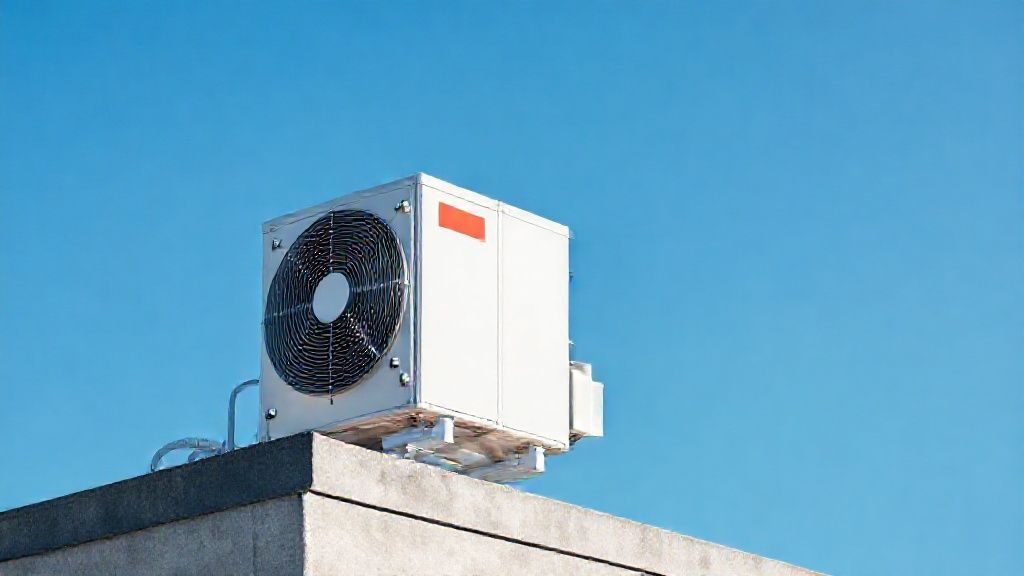
As an HVAC professional with decades in the field, I’ve seen just about every type of cooling and heating system imaginable. From crawl space units to towering chillers, each has its place. But for many commercial buildings and a growing number of residential applications, the rooftop AC unit stands out as a practical, efficient solution. These systems, often called Package Units or RTUs, are an integral part of maintaining comfortable indoor environments across various property types.
I remember a project in Phoenix, Arizona, years ago. The client had a strip mall with about ten individual businesses, all struggling with aging, inefficient split systems that were constantly breaking down under the desert heat. We proposed a complete overhaul, installing new rooftop units for each tenant space. The transformation was remarkable – not only did their energy bills drop, but the tenants stopped calling us weekly for repairs. They were thrilled, and it really solidified my understanding of just how effective and reliable these integrated systems can be when properly designed and installed. This experience highlighted the durability and centralized efficiency that a well-maintained rooftop unit offers.
Key Highlights
- Rooftop AC units, also known as Package Units or RTUs, combine all HVAC components into a single outdoor unit.
- They offer significant space savings, freeing up valuable indoor or ground-level real estate.
- Installation can be simpler and more cost-effective for new constructions or retrofits with flat roofs.
- Maintenance is often easier and safer for technicians because all components are accessible in one location.
- Rooftop units come in various types, including AC-only, heat pump, and gas/electric hybrid systems, catering to different climate needs.
- Proper sizing, installation, and regular maintenance are crucial for optimal performance and longevity.
- While initial costs can be higher, their efficiency and long lifespan often lead to a strong return on investment.
What is a Rooftop AC Unit?
Let’s get down to basics. What exactly is a rooftop AC unit? In simplest terms, it’s an HVAC system that houses all its primary components—the compressor, condenser, evaporator, and sometimes the furnace—in a single, self-contained unit located on the roof of a building. Unlike split systems, which divide these components between an indoor and outdoor unit, a rooftop unit is truly an all-in-one package. These units are specifically engineered to deliver conditioned air directly into the building’s ductwork system, and they handle the return air flow just as effectively. You’ll often hear them referred to as ‘package units’ or ‘RTUs’ in the industry. They’re built to withstand the elements, designed with robust casings and internal protections that ensure reliable operation year-round, regardless of what Mother Nature throws at them.
The design of a rooftop unit means that everything needed to heat or cool a space is housed in one place. This integration simplifies installation and maintenance. For many commercial buildings, particularly those with flat roofs, this setup is incredibly advantageous. You don’t need dedicated indoor mechanical rooms, and you don’t have condenser units cluttering up ground-level space or taking up valuable parking. The air distribution typically happens through supply and return ducts that penetrate the roof, connecting directly to the unit. The efficiency and power of these systems are why they’re the go-to choice for everything from small retail stores to large warehouses and office complexes. They’re designed for heavy use and can manage significant heating and cooling loads with relative ease, making them a cornerstone of modern commercial HVAC.
Benefits of Rooftop AC Systems
From my experience, the benefits of opting for a rooftop AC system are clear, especially for commercial applications. First off, there’s the significant space saving aspect. When you place your entire HVAC system on the roof, you free up interior space that would otherwise be taken up by furnaces, air handlers, or large utility closets. This is invaluable for businesses where every square foot translates to potential revenue or usable space. Ground-level areas remain clear, which can be important for aesthetics, landscaping, or simply allowing more room for customer parking.
Next, consider the simplified installation and maintenance. Since all components are in one cabinet, the installation process can often be more streamlined compared to installing a split system, particularly for new construction. For technicians, routine maintenance and repairs become much more straightforward. All parts are in one accessible location, eliminating the need to move between indoor and outdoor units, or navigate tight spaces within a building. This can translate to quicker service calls and potentially lower labor costs over the lifespan of the unit. Access is usually via a ladder or service lift, making it a controlled environment for technicians to work.
Another major advantage is enhanced security. By placing the unit on the roof, it’s less susceptible to vandalism, accidental damage, or theft compared to ground-level outdoor units. This provides peace of mind and protects a significant investment. Rooftop units are also built for durability, designed to withstand harsh weather conditions, from extreme heat to heavy snow and strong winds. Their robust construction ensures a longer operational life, providing reliable climate control for many years.
Finally, there’s the aspect of reduced noise pollution. While units do make noise, having them on the roof means that operational sounds are typically less noticeable to occupants inside the building and to pedestrians or customers at ground level. This contributes to a more comfortable and pleasant environment both inside and directly outside the property. It’s a subtle but important benefit that often gets overlooked until you experience a noisy ground-level condenser.
Types of Rooftop AC Units
When you’re looking at rooftop AC units, it’s not a one-size-fits-all situation. There are several types, each suited for different climates and building needs. Understanding these differences is key to making the right choice for your property.
AC-Only Rooftop Units
These are straightforward cooling systems. They provide air conditioning without a heating component. You’ll typically find these in regions where heating isn’t a primary concern, or where heating is handled by a separate system, perhaps an existing boiler or radiant floor heating. They are designed for efficient cooling and are often the most cost-effective option if heating capabilities are truly unnecessary.
Heat Pump Rooftop Units
Heat pump systems are versatile. They provide both cooling and heating by reversing the refrigerant flow. In cooling mode, they extract heat from indoors and release it outside. In heating mode, they extract heat from the outdoor air (even cold air contains heat) and transfer it indoors. These are excellent for climates with moderate winters, as they are generally more energy-efficient than electric resistance heating. For an efficient solution that handles both heating and cooling, a heat pump is often the best hvac choice. Some advanced units, like a 36000 2 BTU system, even offer multi-zone control for precise comfort.
Gas/Electric Hybrid Rooftop Units (Packaged Gas-Electric Units)
These are perhaps the most common and popular choice for commercial applications across many parts of the country. They combine an electric air conditioner for cooling with a natural gas furnace for heating. This hybrid approach offers the best of both worlds: efficient electric cooling during warmer months and the powerful, cost-effective heating provided by natural gas during colder periods. If you have access to natural gas, this option typically provides the lowest operating costs for heating compared to electric resistance or even heat pumps in very cold climates. They are robust, reliable, and provide excellent year-round comfort. When considering heating and air units prices, these packaged systems often offer great value due to their dual functionality.
Variable Refrigerant Flow (VRF) Rooftop Units
While often associated with split systems, VRF technology is also making its way into larger packaged rooftop units. VRF systems allow for zoning, providing precise temperature control to different areas of a building simultaneously. They are incredibly energy-efficient because they can modulate refrigerant flow based on the exact demand of each zone, rather than running at full capacity all the time. This makes them ideal for buildings with varied occupancy or differing heating and cooling needs across different sections. While more complex in initial setup, the energy savings can be substantial.
Choosing the right type depends on your local climate, energy costs (electricity vs. natural gas), and your specific building’s needs. Consulting with a seasoned HVAC professional is always a smart move to ensure you get the right system for your situation.
Rooftop AC Unit Installation Considerations
Installing a rooftop AC unit isn’t something you tackle on a whim; it requires careful planning and skilled execution. Having been on countless installation sites, I can tell you there are several critical factors that need to be addressed before any unit is hoisted into place.
Structural Integrity of the Roof
This is paramount. Rooftop units are heavy, sometimes thousands of pounds. Before anything else, a structural engineer needs to assess your roof’s capacity to support the weight of the new unit, plus the weight of any service personnel and snow load. An improperly supported unit can lead to serious structural damage to your building. It’s not just about setting it on the roof; it’s about making sure the roof can handle it for decades to come. Often, additional support beams or curbing need to be installed to distribute the weight correctly.
Ductwork Connections
The unit needs to connect properly to your building’s existing ductwork system, or a new system if it’s new construction. This involves creating openings in the roof deck for supply and return air. These penetrations must be carefully sealed and flashed to prevent leaks, which can become a nightmare if not done right. The ductwork itself needs to be properly sized and insulated to ensure efficient air delivery and minimize energy loss. Improperly sized ducts can lead to poor airflow, uneven temperatures, and increased energy consumption, regardless of how efficient your unit is.
Electrical and Gas Connections
Rooftop units require significant electrical power, and if it’s a gas/electric hybrid unit, a natural gas line connection. These connections must comply with all local codes and safety regulations. Proper wiring, circuit breakers, and gas line sizing are non-negotiable for safe and reliable operation. This is definitely not a DIY job; it requires licensed electricians and gas fitters who understand the demands of these powerful systems.
Curbing and Flashing
A properly installed curb is essential. This is a raised frame, typically made of sheet metal, that the rooftop unit sits on. It elevates the unit above the roof surface, protecting it from water, snow, and debris. The curb also provides a secure and watertight transition for the ductwork and electrical/gas lines entering the building. Proper flashing around the curb is crucial to prevent water infiltration into the building structure. I’ve seen too many issues arise from shortcuts taken with curbing and flashing, leading to costly leaks down the road.
Crane Access and Logistics
Getting a large, heavy unit onto a roof requires a crane. This means considering site access for the crane, scheduling the lift, and ensuring a safe zone during the hoisting operation. It’s a logistical challenge that needs careful planning, often involving temporary road closures or rerouting of traffic. Safety is paramount during this phase, and only experienced crane operators and rigging teams should be involved.
Drainage
Like any AC unit, rooftop systems produce condensation during cooling cycles. This condensate needs to be effectively drained away from the unit and off the roof. Proper sloping and clear drain lines are necessary to prevent water from pooling around the unit or causing damage to the roof membrane. Ignoring drainage can lead to premature wear on the unit and potential roof leaks.
All these factors underscore why professional installation by experienced technicians is not just recommended, but absolutely necessary for rooftop AC units. A well-installed unit will perform efficiently and reliably for years; a poorly installed one will cause headaches and costly repairs.
Maintenance Tips for Rooftop AC Units
Just like any complex machinery, your rooftop AC unit needs regular attention to perform its best hvac work and last for its intended lifespan. Skipping maintenance is a surefire way to shorten its life and increase your operating costs. Here’s what I recommend based on years of keeping these units running smoothly.
Regular Filter Replacement
This is probably the simplest, yet most critical maintenance task. Dirty air filters restrict airflow, making your unit work harder, consume more energy, and ultimately reduce its cooling and heating capacity. Depending on the environment and usage, filters should be checked monthly and replaced quarterly, or even more frequently in dusty conditions. Always use the manufacturer-recommended filter type and size. A clean filter ensures good indoor air quality and protects the internal components from dust buildup.
Coil Cleaning
Both the condenser coils (outdoor) and evaporator coils (indoor) need to be kept clean. The condenser coils, exposed to the elements, can accumulate dirt, leaves, and other debris. This reduces their ability to dissipate heat, leading to higher energy consumption and potential compressor failure. Evaporator coils can get dusty and, in humid conditions, can become a breeding ground for mold and mildew, affecting air quality and efficiency. Professional coil cleaning at least once a year, often during your seasonal tune-up, is crucial.
Check Refrigerant Levels
Refrigerant is the lifeblood of your cooling system. Low refrigerant levels, or a ‘leak,’ are a sign of a problem, not just something to top off. A qualified technician should check the refrigerant charge annually. If it’s low, they need to find and repair the leak, then recharge the system to the manufacturer’s specifications. Incorrect refrigerant levels severely hamper efficiency and can damage the compressor.
Inspect Electrical Connections
Vibrations and wear can loosen electrical connections over time. Loose connections can cause motors to fail, components to burn out, and even create fire hazards. During a routine service, technicians should inspect and tighten all electrical connections, check relays, capacitors, and contactors for wear, and ensure proper voltage and amperage draws.
Lubrication of Moving Parts
Motors, fan bearings, and other moving parts often require lubrication to prevent friction and wear. Following the manufacturer’s guidelines for lubrication frequency and type of lubricant is important. Proper lubrication ensures smooth operation, reduces noise, and extends the life of these components.
Drain Pan and Condensate Line Cleaning
As mentioned earlier, condensation is a natural byproduct of cooling. The drain pan collects this water, and the condensate line carries it away. If these become clogged with algae, mold, or debris, water can overflow, causing damage to the unit or the roof, and creating a potential for water leaks into the building. Regular cleaning of the drain pan and flushing of the condensate line prevents blockages.
Inspect Belts and Pulleys
If your unit uses belt-driven fans, the belts should be inspected for wear, cracks, and proper tension. Loose or worn belts reduce airflow and put extra strain on the motor. Pulleys should also be checked for alignment and wear. Replacing a worn belt is a minor expense that can prevent a major breakdown.
Overall System Check and Calibration
A comprehensive annual or bi-annual service should include a full operational check. This means verifying thermostat accuracy, checking safety controls, testing heating and cooling cycles, and ensuring the unit is operating within manufacturer specifications. Calibrating controls and ensuring proper airflow can significantly impact efficiency and comfort.
Implementing a preventive maintenance plan with a reputable HVAC service provider is the best way to ensure your rooftop unit runs efficiently, reliably, and safely for many years. It’s an investment that pays off in lower energy bills and fewer emergency repairs.
Common Rooftop AC Unit Problems & Troubleshooting
Even with diligent maintenance, rooftop AC units can encounter issues. Knowing some of the common problems and basic troubleshooting steps can help you understand what might be going on and when to call a professional. Remember, complex repairs should always be left to experienced technicians.
Unit Not Turning On
- Check the Thermostat: Ensure it’s set to ‘cool’ or ‘heat’ and the desired temperature is below/above the ambient temperature. Check the batteries if it’s a wireless thermostat.
- Power Supply: Check circuit breakers in your electrical panel. A tripped breaker is a common culprit. If the breaker trips immediately after resetting, there’s a serious electrical issue, and you should not attempt to reset it again.
- Emergency Shut-Off Switch: Many units have an external disconnect switch near the unit. Make sure it’s in the ‘on’ position.
- Safety Controls: A low refrigerant pressure switch or a high-temperature limit switch might have tripped, shutting down the unit to prevent damage. This requires professional diagnosis.
Insufficient Cooling or Heating
- Dirty Air Filter: As discussed, a clogged filter severely restricts airflow, reducing efficiency. Check and replace it.
- Dirty Coils: Clogged condenser coils (outside) can’t release heat effectively, reducing cooling. Dirty evaporator coils (inside) can’t absorb heat effectively.
- Low Refrigerant: A refrigerant leak will drastically reduce cooling capacity. This needs professional repair and recharge.
- Restricted Airflow: Check supply and return vents inside the building for obstructions.
- Malfunctioning Compressor: If the compressor isn’t running, the unit won’t cool. This is a major component issue requiring professional repair.
Strange Noises
- Squealing: Often indicates a worn or loose fan belt.
- Grinding/Rattling: Could be worn motor bearings or loose components inside the unit.
- Hissing: Might indicate a refrigerant leak.
- Clanking/Banging: Potentially a loose fan blade hitting something, or a motor issue.
- Buzzing: Often electrical in nature, possibly a faulty contactor or loose wiring.
Water Leaks
- Clogged Condensate Drain: The most common cause. Algae or debris can block the line, causing the drain pan to overflow.
- Cracked Drain Pan: Less common, but can happen with older units.
- Frozen Evaporator Coil: If the coil freezes (due to low airflow or low refrigerant), the ice will melt and overflow the drain pan.
High Energy Bills
- Dirty Filters/Coils: The unit works harder and longer, consuming more energy.
- Low Refrigerant: Reduces efficiency, making the unit run constantly.
- Ductwork Leaks: Conditioned air escapes before reaching its destination, wasting energy.
- Thermostat Malfunction: Inaccurate readings or improper settings can lead to continuous operation.
- Aging Unit: Older units are inherently less efficient than newer models.
While you can check filters and thermostat settings, anything involving opening the unit, handling refrigerants, or dealing with electrical components should be left to a trained HVAC technician. Attempting DIY repairs on complex rooftop units can be dangerous and often leads to more expensive damage. When in doubt, it’s always best to contact us for a quote from a professional.
How to Choose the Right Rooftop AC Unit for Your Needs
Selecting the correct rooftop AC unit is crucial for long-term comfort and cost efficiency. It’s not just about picking the biggest or cheapest unit; it’s about matching the system to your specific building and operational demands. Here’s what I consider when helping clients make this decision.
Accurate Sizing (BTUs and Tonnage)
This is arguably the most critical factor. An undersized unit will struggle to cool or heat your space, run constantly, wear out prematurely, and never achieve desired temperatures. An oversized unit will cycle on and off too frequently (short cycling), leading to poor dehumidification (leaving the space feeling clammy), uneven temperatures, and increased wear and tear. Proper sizing involves a detailed load calculation, taking into account:
- Building size and layout: Square footage, ceiling height, number of rooms.
- Insulation levels: Walls, roof, windows.
- Window types and orientation: South-facing windows get more sun.
- Occupancy: Number of people typically in the building.
- Internal heat gains: Lights, computers, kitchen equipment, machinery.
- Climate zone: Local temperature and humidity extremes.
This calculation determines the required British Thermal Units (BTUs) or tonnage (1 ton = 12,000 BTUs/hour). Don’t guess on this; insist on a professional load calculation.
Energy Efficiency Ratings (SEER2, EER2, HSPF2)
Modern rooftop units come with efficiency ratings that tell you how much energy they consume relative to the heating or cooling they provide. Look for high SEER2 (Seasonal Energy Efficiency Ratio), EER2 (Energy Efficiency Ratio), and HSPF2 (Heating Seasonal Performance Factor) ratings. While higher efficiency units often have a higher upfront cost, they can lead to significant energy savings over the unit’s lifespan, especially if you’re in a climate with long cooling or heating seasons. The new ‘2’ ratings are updated to reflect more realistic testing conditions.
Climate Considerations
Your local climate dictates the type of unit you’ll need.
- Hot Climates: AC-only units might suffice if heating is minimal or separate. High SEER2 ratings are paramount.
- Moderate Climates: Heat pump units are excellent, providing efficient cooling and heating.
- Cold Climates: Packaged gas/electric units are often the most economical choice for heating, providing powerful warmth in frigid temperatures, complemented by efficient electric cooling.
Brand Reputation and Warranty
Invest in reputable brands known for their reliability and support. Check the warranty terms – not just on the unit itself, but specifically on the compressor, which is the heart of the system. A good warranty indicates manufacturer confidence in their product.
Advanced Features
Modern units offer features that can enhance comfort and efficiency:
- Variable-Speed Fans/Compressors: These can modulate their output to precisely match demand, leading to greater efficiency, quieter operation, and better dehumidification.
- Economizers: These bring in fresh outdoor air when conditions are favorable (e.g., cool nights) to reduce the load on the mechanical cooling system, saving energy.
- Smart Controls/Building Management System (BMS) Integration: Allows for remote monitoring, scheduling, and precise control, optimizing performance and identifying issues quickly.
- Corrosion Resistance: Important for coastal areas or industrial environments where corrosive elements are present.
Future Growth and Flexibility
Consider your business’s potential for expansion or changes in building usage. While you don’t want to wildly oversize, some flexibility might be beneficial. Also, consider if future zoning needs might lead you towards a VRF system later, or if a modular approach with multiple smaller RTUs would be better than one giant one.
Choosing the right unit is a partnership between you and your HVAC professional. Provide them with as much detail as possible about your building, your budget, and your priorities. Their expertise is invaluable in navigating these choices for a solution that truly fits.
Rooftop AC Unit Costs & ROI
Understanding the financial aspect of a rooftop AC unit involves looking beyond just the initial purchase price. You need to consider installation, operational costs, and the long-term return on investment (ROI). It’s a significant expenditure, but a necessary one for most commercial properties.
Initial Costs: Purchase and Installation
- Unit Cost: The price of the unit itself varies widely based on tonnage, efficiency ratings, brand, and features (e.g., AC-only vs. gas/electric, single-stage vs. variable speed). A small commercial unit might start at a few thousand dollars, while larger, high-efficiency systems can run into tens of thousands. For perspective, when you look at heating and air units prices for packaged systems, you’ll see a broad range.
- Installation Cost: This is where things get complex. Factors include:
- Crane Rental: Often the biggest single cost component for installation, depending on height, access, and lift duration.
- Ductwork Modifications: Existing ductwork might need modifications, or new ductwork might be required.
- Electrical/Gas Work: Upgrades to electrical panels or new gas line runs can add substantial cost.
- Curbing and Flashing: Essential for proper installation, requiring skilled labor.
- Disposal of Old Unit: Responsible removal and disposal of refrigerants from old units.
- Labor: Highly skilled technicians and their crews are needed for safe and precise installation.
Because of these variables, installation costs can often equal or even exceed the unit’s purchase price, especially for complex retrofits. This is why getting a detailed quote that breaks down these components is essential.
Operating Costs: Energy and Maintenance
- Energy Consumption: This will be your largest ongoing cost. It depends directly on the unit’s efficiency (SEER2/EER2/HSPF2 ratings), your local electricity and gas rates, climate, and how well the building is insulated. Investing in a high-efficiency unit will pay dividends in lower monthly utility bills over its lifetime.
- Maintenance: Regular preventive maintenance is an investment that prevents larger, more costly repairs down the road. Expect to pay for annual or bi-annual professional tune-ups, filter replacements, and occasional minor repairs. Skipping maintenance will almost guarantee higher operating costs in the long run due to decreased efficiency and premature component failure.
- Repairs: Even with good maintenance, parts wear out. Compressors, fan motors, and control boards can be expensive to replace. Having a reputable service provider with readily available parts is important.
Return on Investment (ROI)
While the upfront cost of a rooftop unit can be substantial, the ROI is often strong, particularly for businesses:
- Energy Savings: Replacing an old, inefficient unit with a new, high-efficiency model can lead to significant reductions in monthly energy bills. These savings accumulate rapidly.
- Improved Comfort and Productivity: A well-maintained, properly sized HVAC system ensures a comfortable indoor environment. For businesses, this translates to happier customers, more productive employees, and less absenteeism.
- Reduced Downtime: Reliable climate control means fewer breakdowns, less disruption to business operations, and fewer emergency service calls.
- Property Value: A modern, efficient HVAC system can increase the overall value of your commercial property.
- Tax Incentives and Rebates: Many utility companies and government programs offer rebates or tax credits for installing high-efficiency HVAC equipment. It’s always worth checking what’s available in your area to offset initial costs.
Calculating the true ROI involves comparing the initial investment plus ongoing costs against the expected savings and benefits over the unit’s operational life, which can be 15-20 years or more with proper maintenance. It’s a long-term investment that generally pays off handsomely.
Frequently Asked Questions About Rooftop AC Units
How long do rooftop AC units typically last?
With proper installation and consistent preventive maintenance, a commercial rooftop AC unit can last anywhere from 15 to 20 years, sometimes even longer. Factors like climate severity, hours of operation, and the quality of the initial unit all play a role. Regular tune-ups are the biggest contributor to longevity.
Are rooftop units more efficient than split systems?
It depends. In general, modern rooftop units are very efficient, especially packaged gas/electric or heat pump models with high SEER2/EER2 ratings. Their compact design and factory-matched components can offer advantages. Split systems can also be highly efficient. The key is proper sizing, quality of the specific unit, and professional installation for both types. Rooftop units often excel in commercial settings due to their ability to handle large loads and the simplified ducting connections. For smaller applications, like a garage, specific solutions like the best air conditioners for garage might be more suitable than a full-scale rooftop unit.
Can rooftop units be used for residential homes?
While less common, yes, rooftop units can be used for residential homes, especially those with flat roofs or where ground-level space is at a premium. They are essentially scaled-down versions of commercial units. However, many residential homes utilize split systems due to architectural aesthetics, pitched roofs, and the typically lower cooling/heating demands that split systems are well-suited for.
What is the difference between a packaged unit and a rooftop unit?
The terms “packaged unit” and “rooftop unit” are often used interchangeably in the HVAC industry. A packaged unit simply means all the main components (compressor, condenser, evaporator, and sometimes furnace) are housed in one cabinet. A rooftop unit is just a packaged unit installed specifically on a roof. So, all rooftop units are packaged units, but not all packaged units are necessarily installed on a roof (some are ground-level). It’s more about the installation location than a difference in fundamental design.
Are rooftop units noisy?
Modern rooftop units are designed with noise reduction in mind. While they do produce operational sounds, placing them on the roof significantly isolates the noise from the building’s occupants and surrounding ground areas. Compared to a ground-level condenser unit right outside a window, a rooftop unit is generally much less intrusive. Variable-speed models can also offer quieter operation, as they don’t always run at full blast.
How often should I have my rooftop unit serviced?
Ideally, your rooftop unit should be serviced twice a year: once in the spring before the cooling season and once in the fall before the heating season. This ensures optimal performance, identifies potential issues early, and extends the lifespan of the equipment. A professional preventative maintenance plan is highly recommended.
Final Thoughts
Rooftop AC units are robust, reliable workhorses designed to provide consistent climate control for a wide range of buildings. Their ability to consolidate all major HVAC components into a single, weather-resistant package on the roof offers significant advantages in terms of space, security, and maintenance accessibility. My decades of experience have shown me that when these units are properly sized, professionally installed, and meticulously maintained, they deliver exceptional performance and a strong return on investment.
Making the right choice for your property involves careful consideration of your building’s specific needs, local climate, and budget. Don’t underestimate the importance of engaging experienced HVAC professionals for load calculations, system selection, and ongoing maintenance. The upfront planning and investment in a quality system and a comprehensive maintenance plan will pay off in years of efficient, reliable comfort. It’s about ensuring your indoor environment remains comfortable, your energy bills stay manageable, and your business operations run smoothly without interruption. Treat your rooftop unit well, and it will serve you faithfully for a very long time.