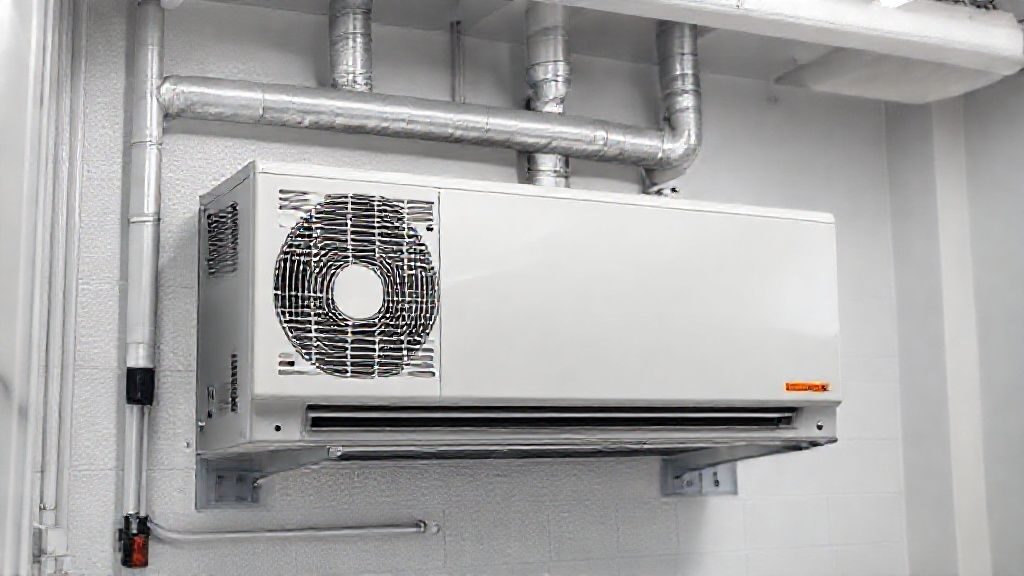
When you’re looking at heating options for your home or a smaller commercial building, especially when space is tight, a slim horizontal 165,000 BTU furnace air handler is often a solid choice. I’ve been in this business a long time, seen a lot of systems come and go, and these units really earn their keep in specific situations. They’re designed to deliver serious heat without hogging valuable real estate.
I remember one job in Tampa, Florida, where we had to replace an old, failing furnace in an attic space that was barely navigable. It was a bungalow built in the 1950s, and the attic access was just a small scuttle hole in a closet. A traditional upflow or downflow unit simply wouldn’t have fit through the opening, let alone had enough room to operate properly once inside. A slim horizontal unit was the only practical solution. We had to break it down some to get it up there, but once installed, it performed exactly as needed, tucked neatly into the eaves, out of sight and out of mind. It’s a good example of how specialized equipment solves specific challenges.
Key Highlights
- Slim horizontal design perfect for attics, crawlspaces, or suspended installations.
- 165,000 BTU heating capacity suitable for larger homes or light commercial applications.
- Combines furnace and air handler functions into one compact unit.
- Offers significant space-saving advantages over traditional upright furnaces.
- Designed for efficient performance and reliable heat distribution.
- Requires professional installation due to its specialized nature.
What is a Slim Horizontal Furnace Air Handler?
Let’s break down what we’re talking about here. A furnace air handler is essentially the core of your heating and often your cooling system. It contains the blower fan that moves air throughout your ductwork and houses the heat exchanger or heating coils for warmth. When we talk about a “furnace air handler,” we’re typically referring to a unit that handles both the heating element (like a gas furnace) and the fan that circulates the air.
The Air Handler’s Role
In a split HVAC system, the air handler is the indoor component. It’s responsible for pulling in return air from your home, filtering it, conditioning it (heating or cooling), and then pushing that conditioned air through your supply ducts and into your living spaces. When you hear the fan kick on, that’s the air handler at work. For a system that includes a furnace, the air handler assembly often integrates the gas burner and heat exchanger, making it a complete heating and air moving package.
What Makes it “Slim” and “Horizontal”?
The “slim horizontal” part refers to its physical orientation and footprint. Most furnaces you might picture are upright, either upflow (air goes up) or downflow (air goes down). A horizontal unit is designed to lay on its side. This configuration makes it ideal for installation in tight, often overlooked spaces like attics, crawlspaces, or even suspended from the ceiling in a garage or utility room. The “slim” aspect means it’s designed with a lower profile compared to some other horizontal units, allowing it to fit into areas with limited vertical clearance. This design is a real problem-solver when conventional equipment just won’t fit or would take up too much valuable floor space.
Key Features & Specifications of 165,000 BTU Units
A 165,000 BTU (British Thermal Unit) furnace air handler is a powerful piece of equipment. To put it simply, BTU is a measure of heating capacity. A unit of this size is designed to heat substantial areas, often larger residential homes, multi-zone setups, or small to medium commercial spaces. It’s not something you’d typically put in a small condo. The features built into these units are all about delivering that heat efficiently and reliably.
Heating Capacity Explained
When you see 165,000 BTU, that refers to the amount of heat energy the furnace can produce per hour. This is a gross input rating. The actual usable heat (output) will be slightly lower due to efficiency losses, which are accounted for by the AFUE rating (Annual Fuel Utilization Efficiency). For a home, this kind of power means quick heating and the ability to maintain comfortable temperatures even in very cold climates or in buildings with larger heat loads due to size, poor insulation, or numerous windows.
Components of the System
Inside a typical gas-fired slim horizontal furnace air handler, you’ll find several critical components working in concert:
- **Gas Burner:** Where natural gas or propane is ignited to create heat.
- **Heat Exchanger:** This is where the hot combustion gases transfer their heat to the circulating air without mixing. It’s a critical safety component.
- **Blower Motor and Fan (Impeller):** This powerful motor drives the fan that draws in return air, pushes it over the heat exchanger, and then into your ductwork. Modern units often feature variable-speed or multi-speed motors for better comfort and efficiency.
- **Filter Rack:** Houses the air filter, which cleans the air before it’s circulated throughout your home, protecting both your lungs and the furnace components.
- **Control Board:** The “brain” of the furnace, managing ignition, safety checks, blower operation, and communication with your thermostat.
- **Inducer Motor:** Pulls combustion gases through the heat exchanger and expels them safely out of your home through the flue vent.
Safety and Control Features
Modern furnaces are packed with safety features. You’ll typically find:
- **Flame Sensor:** Detects if a flame is present in the burner. If not, it signals the gas valve to shut off, preventing unburnt gas accumulation.
- **Limit Switch:** Monitors the temperature inside the heat exchanger. If it gets too hot, it shuts off the burners to prevent overheating.
- **Rollout Switch:** A safety device that trips if flames escape the heat exchanger, indicating a serious problem.
- **Pressure Switch:** Verifies that the inducer motor is operating correctly and that the flue is clear before allowing the burners to fire.
These features, along with sophisticated control logic, ensure that the furnace operates safely and reliably, giving you peace of mind.
Benefits of Space-Saving Horizontal Design
The primary appeal of a slim horizontal furnace air handler is its ability to fit into spaces where traditional upright furnaces simply won’t. This design opens up a lot of possibilities for homeowners and businesses.
Ideal for Tight Spaces
Think about attics. Many attics, especially in older homes, have limited headroom. A vertical furnace would either not fit or would be impossible to service. A horizontal unit can be suspended between joists or placed directly on an attic floor, lying flat. The same goes for crawlspaces, which are often low and damp. Being able to fit an entire heating system into these otherwise unused areas frees up valuable interior closet space, utility room space, or even garage floor space. This is a huge advantage in homes where every square foot counts.
Versatile Placement Options
Beyond attics and crawlspaces, these units can be installed in other creative ways. They can be tucked into a utility closet in a commercial building with minimal depth, suspended above a dropped ceiling, or even integrated into a large, unfinished basement space without impacting daily activities. This versatility means you’re not forced to sacrifice prime living or working areas for your HVAC equipment. It allows for more flexible architectural design and better utilization of your property’s footprint.
Aesthetics and Home Value
While an HVAC system isn’t usually a centerpiece, its presence (or lack thereof) can impact a home’s aesthetics and perceived value. By moving the furnace to an attic or crawlspace, you eliminate the need for a dedicated utility closet inside the main living area. This can make rooms feel larger and less cluttered. When it comes time to sell, buyers often appreciate clean, uncluttered living spaces and efficient use of every square foot, which a discreetly installed horizontal unit helps achieve.
Choosing the Right BTU for Your Space
Selecting the correct BTU size for your furnace is one of the most critical decisions you’ll make. Too small, and your home won’t heat effectively, leading to discomfort and an overworked system. Too large, and the furnace will cycle on and off too frequently (short cycling), leading to inefficient operation, uneven temperatures, and premature wear on components. A 165,000 BTU unit is on the larger side for residential applications, so proper sizing is paramount.
Beyond Square Footage
Many homeowners make the mistake of sizing their furnace based solely on square footage. While it’s a starting point, it’s far from the whole picture. Factors like ceiling height, window type and quantity, insulation levels, local climate, and even the number of occupants significantly influence the actual heat load of a building. For example, a well-insulated 3,000 sq ft home in a mild climate might need less BTU than a poorly insulated 2,000 sq ft home in a much colder region.
Understanding Heat Load Calculations
The only reliable way to determine the right furnace size is through a professional heat load calculation, often called a Manual J calculation. This detailed assessment takes into account all the variables unique to your home, including:
- **Exterior Wall Construction:** Insulation R-value, material type.
- **Window and Door Specifications:** U-factor, solar heat gain coefficient (SHGC), size, and orientation.
- **Ceiling and Floor Insulation:** R-values in attics and crawlspaces/basements.
- **Air Infiltration:** How leaky your home is.
- **Internal Heat Gains:** From appliances, lighting, and people.
- **Local Climate Data:** Average low temperatures, heating degree days.
For a unit of 165,000 BTU, this calculation is absolutely essential. Don’t skip it. You can learn more about general furnace dimensions and sizing principles, but for precise numbers, trust a pro.
The 165,000 BTU Sweet Spot
As I mentioned, 165,000 BTU is a significant amount of heat. This size is typically well-suited for:
- Large, single-family homes (e.g., 3,000-5,000+ sq ft depending on climate and insulation).
- Homes with high ceilings or an open floor plan that creates a larger volume of air to heat.
- Properties in very cold winter climates where consistent, powerful heating is necessary.
- Smaller commercial spaces like offices, retail stores, or workshops.
- Buildings with significant heat loss due to older construction, numerous windows, or poor sealing.
A qualified HVAC technician will confirm if this BTU rating aligns with your specific needs. It’s about getting it right, not just getting the biggest unit available.
Installation Considerations for Slim Horizontal Units
Installing a slim horizontal 165,000 BTU furnace air handler is not a DIY project. These systems are complex, involve gas and electricity, and require precise setup to operate safely and efficiently. Proper installation is just as important as the quality of the equipment itself. I can’t stress that enough.
Professional Installation is Key
Beyond safety concerns, professional installation ensures that your warranty remains valid, and the system performs as designed. A certified technician will know local codes, understand the specific requirements of the unit, and have the tools and expertise to handle the job correctly. They’ll also perform crucial startup checks, calibrate the system, and ensure everything is running optimally.
Ductwork Compatibility and Sizing
Since the air handler is the heart of your air distribution, its connection to your ductwork is vital. The existing ductwork must be properly sized and sealed to handle the significant airflow produced by a 165,000 BTU unit. Undersized ducts will restrict airflow, reduce efficiency, create noise, and potentially damage the blower motor. Leaky ducts will waste conditioned air, especially in unconditioned spaces like attics or crawlspaces. A professional will assess your current duct system and recommend any necessary modifications, upgrades, or sealing to ensure optimal performance.
Electrical and Gas Connections
These units require dedicated electrical circuits and proper gas line connections. The electrical wiring must be up to code and capable of handling the unit’s power requirements. This includes the installation of an appropriate a/c disconnect switch located within sight of the unit, as required by electrical codes, to allow for safe servicing. Gas line sizing is equally important; an undersized gas line can starve the furnace of fuel, leading to inefficient combustion and potential safety issues. All gas connections must be leak-free and tested rigorously.
Clearances and Accessibility
Even though these units are designed to be compact, they still require specific clearances around them for safety, airflow, and future maintenance. Manufacturers specify minimum distances from walls, ceilings, and combustible materials. A technician will ensure these clearances are met. Furthermore, while the unit is tucked away, there must still be adequate access for servicing filters, checking components, and performing repairs. This might mean installing an access platform in an attic or ensuring enough room in a crawlspace.
Efficiency and Energy Savings
Heating a large space with a 165,000 BTU furnace means you’re moving a lot of heat, which can translate to significant energy consumption. Therefore, focusing on efficiency is paramount. Modern slim horizontal units incorporate technologies aimed at reducing fuel usage and lowering your utility bills.
Understanding AFUE and SEER
- **AFUE (Annual Fuel Utilization Efficiency):** This rating applies to furnaces and measures how efficiently a furnace converts fuel (gas or propane) into usable heat over a heating season. For example, a 95% AFUE furnace converts 95% of the fuel’s energy into heat, with only 5% lost through the flue. The higher the AFUE, the more efficient the furnace. Look for high AFUE ratings, especially if you live in a cold climate.
- **SEER (Seasonal Energy Efficiency Ratio):** While primarily for cooling systems, many furnace air handlers are designed to be paired with central air conditioners. SEER measures the cooling output over a typical cooling season divided by the total electric energy input during the same period. If your air handler will be part of a complete HVAC system, considering the SEER rating of the paired outdoor unit is also important for overall energy savings.
Variable-Speed Motors and Modulating Gas Valves
These are two key technologies that significantly boost efficiency and comfort:
- **Variable-Speed Blower Motors:** Instead of just “on” or “off,” these motors can operate at a wide range of speeds. This allows them to deliver just the right amount of airflow, reducing noise, improving humidity control, and distributing heat more evenly. They also consume less electricity than traditional single-speed motors.
- **Modulating Gas Valves:** Traditional furnaces have one or two heating stages (on/off or low/high heat). A modulating furnace can continuously adjust its heat output from around 40% up to 100% capacity. This means it can precisely match the heat demand of your home, running for longer periods at lower capacities, which is far more efficient than constantly cycling on and off at full blast. It also leads to more consistent temperatures and fewer cold spots.
Thermostat Integration
To truly maximize efficiency, your high-efficiency furnace needs to be paired with a compatible thermostat, ideally a smart or communicating thermostat. These advanced thermostats can “talk” directly to the furnace’s control board, allowing them to precisely manage variable-speed blowers and modulating gas valves. They can also learn your habits, adjust based on occupancy, integrate with weather forecasts, and allow for remote control, all contributing to optimized energy use.
Maintenance Tips for Optimal Performance
Just like your car, your furnace air handler needs regular care to keep running smoothly and efficiently. Neglecting maintenance is a surefire way to shorten its lifespan, increase energy bills, and invite costly breakdowns. A 165,000 BTU unit is a significant investment, so protecting it with proper maintenance makes good financial sense.
Regular Filter Changes
This is the easiest and most crucial maintenance task you can do yourself. A dirty air filter restricts airflow, forcing your blower motor to work harder, increasing energy consumption, and potentially leading to overheating. It also allows dust and debris to accumulate on the heat exchanger and coils, further reducing efficiency and cleanliness. Check your filter monthly and replace it every 1-3 months, depending on your filter type, pet ownership, and local air quality. High-quality pleated filters (MERV 8-11) are generally a good balance between filtration and airflow.
Annual Professional Tune-Ups
Schedule a professional HVAC tune-up every fall before the heating season begins. During this service, a technician will:
- Inspect and clean the burners, heat exchanger, and ignition system.
- Test safety controls (flame sensor, limit switch, pressure switch).
- Check gas pressure and connections for leaks.
- Lubricate moving parts (if applicable, sealed bearings often don’t need it).
- Inspect the blower motor and fan for dirt and balance.
- Measure temperature rise across the heat exchanger.
- Check electrical connections and voltage.
- Inspect the flue pipe for obstructions or corrosion.
These tune-ups catch small problems before they become big, expensive ones, ensure optimal efficiency, and extend the life of your unit.
Checking Condensate Drains
If your furnace is a high-efficiency condensing unit (AFUE 90% or higher), it produces condensate (water) during operation. This water drains away through a condensate line. Periodically check this line for clogs or blockages, especially if you notice standing water around the unit or a safety switch tripping. Algae and sludge can build up and cause backups. A professional will often flush this line during a tune-up.
Inspecting Electrical Connections
While a professional will do a thorough check, a quick visual inspection now and then for loose wires or burnt insulation can be beneficial. Any signs of charring, melting, or unusual smells around electrical components warrant immediate attention from a qualified technician. Remember the importance of having a properly functioning a/c disconnect switch for safety during any inspection or service.
Comparing Brands and Models
When you’re in the market for a slim horizontal 165,000 BTU furnace air handler, you’ll find various manufacturers offering models that fit this description. While the core function is the same, there can be significant differences in features, build quality, warranty, and available options.
What to Look For
- **Efficiency Ratings:** Compare AFUE ratings. Higher numbers mean lower operating costs.
- **Blower Motor Type:** Variable-speed motors offer superior comfort and efficiency over multi-speed or single-speed.
- **Staging:** Look for modulating or two-stage units for better temperature control and energy savings.
- **Sound Levels:** Some units are designed with quieter operation in mind, which can be a factor if installed near living spaces.
- **Cabinet Construction:** Heavy-gauge steel, insulated cabinets, and quality finishes indicate durability.
- **Compatibility:** Ensure the unit is compatible with your existing or planned thermostat and outdoor air conditioning unit (if applicable). Many homeowners also consider radiator air conditioner systems when looking at complete HVAC solutions, and ensuring compatibility is key.
Warranty and Support
Manufacturer warranties vary, typically covering the heat exchanger for a longer period (e.g., 20 years or lifetime) and parts for a shorter duration (e.g., 5-10 years). Always understand what the warranty covers, what voids it, and if it requires professional installation and annual maintenance. Local dealer support and reputation are also crucial. A great unit poorly installed or unsupported won’t serve you well.
It’s always a good idea to research different brands and read reviews, but also to consult with a trusted HVAC professional. They have direct experience with various manufacturers and can guide you based on your specific needs, budget, and the long-term reliability of different models. You can also see our furnace selection to get an idea of the range of options available on the market.
Frequently Asked Questions (FAQs)
Can I install a 165,000 BTU slim horizontal unit myself?
No. These units involve complex gas lines, high-voltage electricity, ductwork connections, and precise combustion adjustments. Improper installation can lead to dangerous situations, void your warranty, and significantly reduce efficiency. Always hire a certified HVAC professional.
How long does a typical furnace air handler last?
With proper installation and regular maintenance, a modern furnace air handler can last anywhere from 15 to 20 years, sometimes even longer. Skipping annual tune-ups or neglecting filter changes will significantly shorten its lifespan.
Is a 165,000 BTU unit too big for my home?
It might be. This is a very powerful unit. Sizing should never be guessed. A professional heat load calculation (Manual J) is essential to determine the precise BTU requirements for your specific home. An oversized unit will short-cycle, leading to inefficient operation, uneven heating, and premature wear.
Can this unit also handle air conditioning?
Yes, typically. The “air handler” component of these units is designed to circulate conditioned air from both the furnace (heating) and an external air conditioning coil (cooling). You would pair this indoor unit with an appropriately sized outdoor air conditioner or heat pump to create a complete HVAC system. This is a common setup, often referred to as a “split system.”
What’s the difference between a furnace and an air handler?
An air handler is essentially the indoor unit that moves air, housing the blower fan and often a coil for cooling or supplemental heat. A furnace specifically refers to the heating component, typically gas-fired, that generates heat. In many modern systems, particularly for residential use, the “furnace air handler” combines both functions into one indoor unit.
What kind of fuel does a 165,000 BTU furnace use?
Most furnaces of this size are designed to run on natural gas, which is the most common and often cheapest fuel source. Many models can also be converted to use propane (LP gas) with a conversion kit, but this is an important specification to confirm when purchasing.
Get Expert Advice & A Quote Today
Choosing and installing a 165,000 BTU slim horizontal furnace air handler is a significant decision for your home or business. It’s about more than just buying a piece of equipment; it’s about investing in comfort, efficiency, and safety for years to come. Getting the right unit, sized correctly, and installed professionally makes all the difference.
If you’re considering this type of system or simply need help determining the best heating solution for your property, don’t hesitate to reach out to experienced professionals. They can perform a detailed heat load calculation, explain your options, and provide a comprehensive quote tailored to your specific needs. For expert guidance and competitive pricing, please contact us for a quote. We’re here to help you make an informed decision.
Final Thoughts
I’ve seen a lot of changes in the HVAC industry over the decades, but the principles of good heating and cooling remain the same: proper sizing, quality equipment, and professional installation and maintenance. Slim horizontal 165,000 BTU furnace air handlers are a specialized tool in our arsenal, designed to solve specific space challenges while delivering powerful, reliable heat. When applied correctly, they are exceptionally effective. Just remember, the upfront planning and professional execution are what truly ensure long-term comfort and peace of mind.