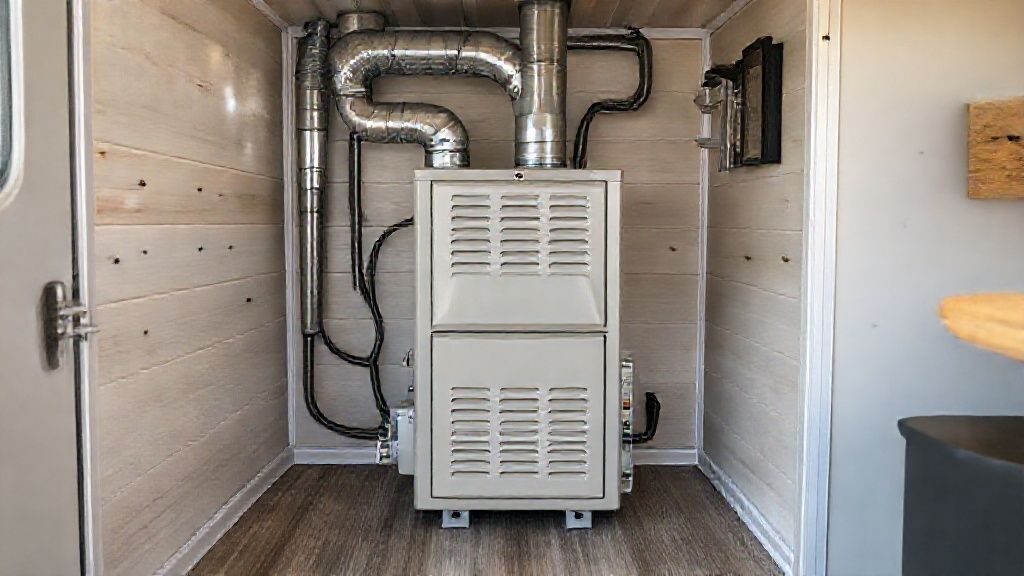
After decades in the HVAC business, I’ve seen just about every kind of heating system there is, from massive commercial setups to the smallest wall heaters. But there’s a unique part of the heating world that often gets overlooked, and that’s the trailer home furnace. These systems are specifically designed for the unique structure and needs of manufactured homes, and understanding them is key to staying warm and safe.
I remember one winter in Denver, Colorado, we got a call about a furnace that just wasn’t cutting it in a double-wide. The folks were practically bundled in blankets inside. Turned out, the previous owner had put in a standard residential furnace without considering the specific ductwork and ventilation requirements of a manufactured home. It was oversized in some ways, undersized in others, and ultimately, inefficient and a little risky. We replaced it with a properly sized, approved mobile home unit, and the difference was night and day. It’s a good reminder that specialized homes need specialized equipment.
Key Highlights
- Trailer home furnaces are specifically designed for manufactured homes, not standard residential properties.
- They come in various fuel types: electric, propane, and natural gas being the most common.
- Proper sizing (BTU output) is critical for efficiency and comfort in a mobile home.
- Safety features, including proper venting and CO detectors, are non-negotiable.
- Regular maintenance, especially filter changes and annual inspections, extends furnace life and efficiency.
- Always hire an HVAC professional with specific experience in manufactured home systems for installation and major repairs.
What is a Trailer Home Furnace?
A trailer home furnace, often called a mobile home furnace or manufactured home furnace, is a heating unit specifically engineered for the unique structural characteristics of a mobile home or manufactured home. You might think, “A furnace is a furnace, right?” Not quite. Manufactured homes have different construction methods, insulation standards, and ductwork configurations compared to site-built homes. This means their furnaces are built to accommodate these differences.
The primary distinction often lies in the airflow and venting. Many mobile home furnaces are designed for “downflow” applications, meaning the conditioned air is pushed downwards into ductwork located beneath the floor. Standard residential furnaces are more commonly “upflow,” pushing air upwards into attic or wall ducts. While upflow options exist for mobile homes, the downflow configuration is very common. The cabinet sizes are also usually more compact, fitting into the often-tighter spaces available in a manufactured home.
Another crucial factor is the safety and regulatory standards. Furnaces for manufactured homes must meet specific HUD (Housing and Urban Development) standards. This isn’t just a recommendation; it’s a requirement for safety and proper operation. Using a furnace not specifically designed and approved for a mobile home can lead to serious issues, including fire hazards, carbon monoxide leaks, and significantly reduced efficiency. It’s not just about fitting it into the space; it’s about making sure it operates safely and effectively within that particular environment.
These furnaces are typically designed to connect to the existing ductwork, which is often a radial system (ducts branch out from a central plenum) or a trunk and branch system. They heat the home by burning fuel (gas, propane, or electricity) to warm air, which is then circulated through the home’s duct system by a blower motor. The combustion byproducts are safely vented outside. Understanding these basic elements is the first step toward making informed decisions about your mobile home’s heating system.
Types of Furnaces for Mobile Homes
Just like furnaces in site-built homes, trailer home furnaces come in several varieties, primarily differentiated by the type of fuel they use. Your choice will largely depend on what’s available in your area, the operating costs, and your personal preferences. Each type has its own set of considerations.
Electric Furnaces
Electric furnaces are very common in mobile homes, especially in areas where natural gas isn’t readily available or is expensive. They work by passing air over electric heating elements, which generate heat. There’s no combustion, no flames, and no need for venting exhaust gases, which simplifies installation and maintenance in some respects.
- Pros: Generally lower upfront cost, quieter operation, good for homes without gas lines, no carbon monoxide risk from the furnace itself.
- Cons: Can be more expensive to operate, especially in regions with high electricity rates. They also tend to produce a “dryer” heat compared to gas furnaces.
Electric furnaces are typically robust and have fewer moving parts than gas furnaces, which can sometimes translate to fewer mechanical breakdowns. However, they draw a significant amount of electricity, so ensuring your home’s electrical service can handle the load is essential. These units usually come in various BTU outputs to match different home sizes.
Propane (LP) Furnaces
Propane furnaces are a popular choice for mobile homes located in rural areas where natural gas infrastructure doesn’t reach. Propane is stored in a large tank outside the home and delivered by a supplier. These furnaces operate much like natural gas furnaces, burning propane to generate heat and requiring proper venting for combustion byproducts.
- Pros: Can provide powerful heat, widely available even in remote areas, efficient combustion.
- Cons: Requires a large outdoor storage tank, propane costs can fluctuate, and regular refills are necessary. Like all combustion furnaces, they require careful venting and carbon monoxide detection.
When considering a propane furnace, you’ll need to factor in the cost of the propane tank itself (whether you buy or lease it) and the fluctuating price of the fuel. Safety is paramount with propane; proper installation of gas lines and ventilation systems is critical to prevent leaks and ensure safe operation.
Natural Gas Furnaces
If your mobile home is located in an area with access to natural gas lines, a natural gas furnace is often a very economical and efficient option. Natural gas is piped directly to your home from a utility, so you don’t need a storage tank or worry about refills.
- Pros: Generally the most affordable fuel source in many areas, continuous supply, high efficiency ratings available.
- Cons: Requires an existing natural gas line connection, installation can be more complex due to gas line requirements and venting.
Natural gas furnaces deliver strong, consistent heat. Modern high-efficiency models can significantly reduce heating costs over time. However, the initial cost of running a new gas line to your home, if one isn’t already present, can be substantial. Again, precise installation of gas lines and venting is non-negotiable for safety.
Oil Furnaces
While less common in newer mobile homes, you might occasionally encounter an oil furnace, particularly in older units or specific regions. These systems burn heating oil, stored in an external tank, to produce heat.
- Pros: Powerful heating output.
- Cons: Requires an external oil tank, oil prices can be volatile, requires more frequent maintenance (especially cleaning), and produces more emissions than gas or electric.
If you have an oil furnace, be prepared for more frequent filter changes and burner cleanings. It’s also crucial to monitor your oil tank levels, especially in colder months, to avoid running out of fuel.
Furnace/AC Split Systems and Package Units
It’s also worth noting that while we’re focusing on furnaces, many mobile homes use a split system (separate indoor furnace and outdoor AC unit) or a packaged unit (all components in one outdoor cabinet) for both heating and cooling. A packaged unit, for example, combines the furnace and air conditioner into a single exterior unit, often mounted on the ground or roof. This setup can be very efficient for mobile homes, especially when space is at a premium indoors. If you’re looking at a complete HVAC overhaul, consider an air conditioner package unit for comprehensive comfort.
Key Considerations When Choosing a Trailer Home Furnace
Selecting the right furnace for your mobile home isn’t just about picking a fuel type. Several other critical factors need careful consideration to ensure you get a system that’s efficient, safe, and provides adequate comfort for years to come. Making the wrong choice here can lead to high energy bills, uneven heating, or worse, safety hazards.
BTU Sizing
This is arguably the most important factor. BTU stands for British Thermal Unit, and it’s a measure of heating capacity. An oversized furnace will short-cycle (turn on and off too frequently), leading to premature wear and tear, higher energy consumption, and poor dehumidification in warmer months. An undersized furnace won’t be able to keep your home warm enough during the coldest days, running constantly without reaching the desired temperature. The general rule of thumb for sizing is around 30-45 BTUs per square foot for mobile homes, but this is a rough estimate. Factors like insulation quality, window efficiency, ceiling height, and local climate heavily influence the actual requirement. A professional HVAC technician will perform a load calculation (often called a Manual J calculation) to determine the precise BTU needs for your specific home. Understanding the btu in ac meaning is essential, not just for AC but for heating as well.
Fuel Type Availability & Cost
As discussed, the fuel type you choose depends on what’s accessible and affordable in your area.
- Natural Gas: Generally the cheapest and most convenient if lines are available.
- Propane: A good option for rural areas, but requires a tank and pricing can fluctuate.
- Electric: Clean and quiet, but operating costs can be higher, especially in colder climates or with high utility rates.
You need to consider both the current cost of the fuel and the stability of those prices in your region over the long term. A higher-efficiency unit might justify a slightly higher upfront cost if fuel prices are consistently high.
Efficiency Ratings (AFUE)
For gas and propane furnaces, efficiency is measured by AFUE (Annual Fuel Utilization Efficiency). This percentage tells you how much of the fuel your furnace consumes is converted into usable heat for your home, versus how much is lost up the chimney. For example, an 80% AFUE furnace means 80 cents of every dollar you spend on fuel goes to heating your home, while 20 cents is wasted. Modern furnaces can have AFUE ratings well into the 90s. While higher AFUE units typically have a higher initial price tag, they can save you a substantial amount on heating bills over the furnace’s lifespan. Electric furnaces don’t use AFUE, as their efficiency is generally considered 100% at the point of use, although the electricity generation itself has losses.
Physical Dimensions & Upflow/Downflow Configuration
Mobile homes often have limited space for mechanical equipment. You need a furnace that physically fits into the designated closet or utility area. Also, confirm whether your home’s ductwork requires an upflow or downflow unit. Most mobile homes are designed for downflow furnaces, which push heated air down into floor ducts. Installing the wrong configuration would require extensive and expensive ductwork modifications. Always measure the available space and check your existing ductwork setup.
Safety Features
Modern furnaces come with advanced safety features, which are particularly important in a mobile home setting. Look for units with features like electronic ignition (no standing pilot light), flame sensors, roll-out switches (to prevent flames from leaving the combustion chamber), and overheat limit switches. A furnace approved specifically for manufactured homes will already incorporate these, but it’s good to be aware of them. And remember, a carbon monoxide detector is non-negotiable for any home with a combustion appliance.
Brand & Warranty
Reputable brands often offer better build quality, more reliable components, and stronger warranties. Research different manufacturers and their track records for reliability and customer service. A good warranty (typically 5 to 10 years on parts, sometimes longer on the heat exchanger) provides peace of mind and protection against unexpected repair costs. Don’t just look at the furnace itself; consider the local dealer or installer too. A great furnace installed poorly will still perform badly.
Installation & Safety Tips for Mobile Home Furnaces
Proper installation is paramount for a trailer home furnace. Because of the unique construction of manufactured homes and the potential for serious safety issues if mistakes are made, this is not a DIY project. Trust me on this, I’ve seen the consequences of improper installations, and they’re never good.
Professional Installation is Crucial
I cannot stress this enough: always hire a licensed and experienced HVAC professional specifically familiar with manufactured home furnace installations. They understand the specific HUD codes, clearances, venting requirements, and ductwork configurations unique to mobile homes. A standard residential HVAC tech might not have this specialized knowledge. An improperly installed furnace can lead to:
- Carbon Monoxide Leaks: Deadly, odorless gas.
- Fire Hazards: Improper clearances or fuel line connections.
- Reduced Efficiency: Poor airflow or sizing leads to higher bills.
- Voided Warranties: Manufacturers require professional installation.
When you’re ready to select a new system, it’s worth taking a look at our selection. You can see our furnace selection designed to meet various needs and specifications.
Proper Venting & Ductwork
Combustion furnaces (gas, propane, oil) produce exhaust gases that must be safely vented outside. Mobile home furnaces often use specific types of venting systems, sometimes through the roof or a side wall. The vent pipe must be correctly sized, installed with proper clearances from combustible materials, and sealed to prevent leaks. The ductwork beneath your mobile home is also critical. It needs to be properly connected, sealed, and insulated to prevent heat loss and ensure even distribution of warm air throughout the home. Leaky ducts are a major source of energy waste.
Clearances & Combustible Materials
Furnaces generate significant heat. Manufacturers specify minimum clearances between the furnace unit and any combustible materials (walls, shelving, clothing, etc.). These clearances are not suggestions; they are safety requirements to prevent fires. A qualified installer will know these specifications and ensure they are met. Mobile home utility closets are often compact, making adherence to these clearances even more vital.
Gas Line & Electrical Connections
For gas and propane furnaces, the fuel line connections must be absolutely leak-free. This requires specialized tools and expertise to ensure tight seals and proper pressure. For electric furnaces, and the electrical components of gas furnaces, correct wiring to the home’s electrical panel with appropriate breakers is essential. Incorrect wiring can lead to electrical fires or damage to the furnace itself. Again, this is a job for a pro.
Carbon Monoxide Detectors
This isn’t an installation tip for the furnace itself, but a crucial safety device for any home with a combustion furnace. Install carbon monoxide (CO) detectors outside sleeping areas and on every level of your mobile home. Test them regularly, just like your smoke detectors, and replace batteries annually. CO is an invisible, odorless, and deadly gas that can result from a malfunctioning or improperly vented furnace. A CO detector is your first line of defense.
Maintenance Essentials for Your Trailer Home Furnace
Just like any other major appliance, your trailer home furnace needs regular care to operate efficiently, reliably, and safely. Neglecting maintenance is a surefire way to shorten its lifespan, increase your energy bills, and risk breakdowns when you need heat the most. Think of it as preventative medicine for your heating system.
Filter Replacement
This is the simplest and most important maintenance task you can do yourself. Your furnace filter traps dust, dirt, pet dander, and other airborne particles before they can enter your furnace’s blower motor and heat exchanger. A dirty filter restricts airflow, forcing your furnace to work harder, which wastes energy, reduces heating capacity, and can even lead to overheating and system damage.
- Frequency: Check your filter monthly, especially during heating season. Replace it every 1-3 months, or more often if you have pets, allergies, or live in a dusty environment.
- Type: Use the correct size and MERV rating recommended by your furnace manufacturer. A higher MERV rating provides better filtration but can also restrict airflow if your system isn’t designed for it.
Annual Professional Check-ups
Even with regular filter changes, your furnace needs a professional tune-up once a year, ideally before the heating season begins. A qualified HVAC technician will:
- Inspect and clean the burner assembly.
- Check the heat exchanger for cracks (a potential source of carbon monoxide leaks).
- Test safety controls and limits.
- Lubricate moving parts (blower motor, bearings).
- Measure gas pressure and adjust if necessary.
- Check electrical connections and voltage.
- Inspect the flue pipe for obstructions and leaks.
- Clean the blower motor and components.
- Calibrate your thermostat for accuracy.
This comprehensive check-up can identify small issues before they become expensive breakdowns and ensure your furnace is running at peak efficiency.
Cleaning the Burner & Heat Exchanger
Over time, dust, rust, and other debris can accumulate on the burner assembly and inside the heat exchanger. This build-up can lead to inefficient combustion, incomplete burning of fuel, and even dangerous blockages. A professional cleaning ensures that your furnace is burning fuel cleanly and that the heat exchanger is effectively transferring heat to your home’s air without restriction.
Inspecting the Blower Motor
The blower motor is responsible for circulating heated air throughout your home. A professional will inspect the motor for signs of wear and tear, listen for unusual noises, and ensure it’s properly lubricated. A failing blower motor can lead to poor airflow, uneven heating, and eventually, a complete system breakdown.
Checking for Leaks (Gas/Combustion)
For gas and propane furnaces, a critical part of the annual check-up is inspecting for gas leaks in the fuel lines and combustion by-product leaks in the venting system. Technicians use specialized detectors to identify even tiny leaks, which can be extremely dangerous. They also check the integrity of the exhaust flue to ensure all combustion gases are safely vented outside.
Thermostat Calibration
An improperly calibrated thermostat can lead to your furnace running too much or too little, impacting both comfort and energy consumption. During an annual service, the technician can verify your thermostat’s accuracy and make any necessary adjustments or recommend a replacement if it’s faulty. Upgrading to a programmable or smart thermostat can also offer significant energy savings by allowing you to set schedules and remotely control your heating.
Common Problems & Troubleshooting
Even with good maintenance, furnaces can develop issues. Some problems you might be able to troubleshoot yourself, while others definitely require a professional. Safety first: if you smell gas, turn off the furnace and call for service immediately from outside your home.
No Heat
- Check the Thermostat: Is it set to “Heat” and above the current room temperature? Are the batteries dead?
- Check the Circuit Breaker: The furnace might have tripped a breaker in your electrical panel. Reset it.
- Check the Pilot Light (if applicable): If you have an older gas or propane furnace, the pilot light might have gone out. Follow your manufacturer’s instructions for relighting it safely.
- Check the Furnace Switch: Sometimes there’s a light switch near the furnace that controls its power. Make sure it’s “On.”
- Dirty Filter: A severely clogged filter can restrict airflow enough to trip a safety switch.
Pilot Light Issues (Gas/Propane Furnaces)
If your pilot light won’t stay lit, it could be a faulty thermocouple (a safety device that senses the pilot flame), a clogged pilot orifice, or a draft issue. If you’ve tried relighting it according to the manual and it still won’t stay on, it’s time to call a professional. Do not try to force it.
Blower Runs Constantly
- Thermostat Setting: Is your thermostat set to “Fan On” instead of “Auto”?
- Limit Switch: A stuck limit switch can cause the blower to run continuously, even when the furnace isn’t actively heating. This indicates a problem that needs professional attention.
Strange Noises
- Squealing/Chirping: Often indicates a worn belt or motor bearings.
- Rattling: Could be loose panels, ductwork, or debris inside the blower.
- Banging/Booming: Could be delayed ignition (gas buildup before ignition), a serious safety concern that requires immediate professional inspection.
- Clicking: Often normal during ignition, but constant clicking without ignition could be a faulty ignitor or control board.
Short Cycling
This is when your furnace turns on for a very short period, then shuts off, only to turn back on shortly after.
- Oversizing: The furnace might be too powerful for your home, heating it too quickly.
- Dirty Filter: Restricts airflow, causing the furnace to overheat and shut off.
- Faulty Thermostat: Could be misreading the temperature.
- Blocked Vent: Safety switch might be tripping due to exhaust blockage.
High Energy Bills
If your heating bills suddenly spike, it could be due to:
- Dirty Filter: The most common culprit.
- Leaky Ductwork: Warm air escaping into unconditioned spaces.
- Poor Insulation: Heat escaping through walls, windows, roof.
- Aging/Inefficient Furnace: Older units are simply less efficient.
- Thermostat Issues: Not maintaining temperature accurately.
For any problem beyond a simple thermostat adjustment or filter change, especially if it involves gas or electrical components, call a professional. Safety is always the top priority.
When to Repair vs. Replace Your Furnace
This is a common dilemma for many homeowners. No one wants to spend money unnecessarily, but sometimes investing in a new system is the smarter long-term choice. Here’s how I usually advise people to look at it.
Age of Unit
The average lifespan of a mobile home furnace is typically 15-20 years, though some can last longer with excellent maintenance, and some might fail sooner. If your furnace is approaching or past the 15-year mark, you should lean more towards replacement, especially if repairs are becoming frequent. An older unit, even if “fixed,” is often on borrowed time, and another component might fail soon after a repair.
Cost of Repairs
A good rule of thumb I tell people is the “50% rule.” If the cost of the repair is 50% or more of the cost of a new furnace, it’s usually better to replace it. For example, if a new furnace costs $3,000 and a repair will set you back $1,500, that money is better put towards a new, more reliable, and efficient unit. You also have to consider the frequency of repairs. If you’re calling a technician every year for a different issue, those costs add up quickly.
Efficiency vs. New Models
Older furnaces, especially those from the 1990s or earlier, typically have AFUE ratings in the 60-80% range. Modern high-efficiency furnaces can reach 95% AFUE or higher. Replacing an old, inefficient furnace with a new high-efficiency model can lead to significant savings on your energy bills, potentially paying for itself over time. If your existing unit is really sucking down the fuel, a replacement can be a wise financial move, even if it’s still “working.”
Safety Concerns
Anytime a repair involves a major safety component, like a cracked heat exchanger in a gas furnace (which can leak carbon monoxide), replacement is almost always the recommended and safest option. While a heat exchanger can sometimes be replaced, it’s a major, expensive repair, and at that point, you’re essentially putting a new heart into an old body, without upgrading the other aging components. Don’t compromise on safety for a few extra dollars.
Consider the total cost of ownership. This includes not just the purchase price, but installation, operating costs (fuel bills), and potential repair costs. A new furnace offers better efficiency, a fresh warranty, and peace of mind. While the upfront cost is higher, the long-term benefits often outweigh keeping an old, unreliable, and inefficient system running.
Finding the Right HVAC Professional for Mobile Homes
As I’ve emphasized throughout this guide, the specialized nature of mobile home furnaces means you can’t just call any HVAC technician. You need someone with specific experience and understanding of manufactured homes. Here’s what to look for:
Experience with Mobile Homes
This is non-negotiable. Ask potential contractors directly: “Do you have specific experience installing and servicing furnaces in manufactured homes?” They should be familiar with HUD codes for mobile homes, the unique ductwork (often radial or specialized under-floor systems), and the common brands and models specific to these homes. A technician who primarily works on site-built homes might not understand the subtle but critical differences.
Licensing & Insurance
Ensure the contractor is fully licensed to perform HVAC work in your state or locality. This confirms they’ve met minimum competency standards. Just as important, verify they carry liability insurance and workers’ compensation. This protects you from financial responsibility if there’s an accident on your property or damage occurs during the work. Ask for proof of both.
References
A reputable professional should be able to provide references from other mobile home owners they’ve served. Take the time to call a few of these references and ask about their experience: Was the work completed on time? Was the price fair? Were they satisfied with the quality of the service? Did the technician clean up afterwards?
Clear Communication & Estimates
A good contractor will communicate clearly and thoroughly. They should explain the problem (if it’s a repair) or the options (if it’s a replacement) in plain language, not just technical jargon. Before any work begins, you should receive a detailed, written estimate outlining all costs, including parts, labor, and any potential additional fees. Beware of contractors who only offer verbal estimates or push for immediate decisions without providing written details. Don’t be afraid to get multiple quotes. For a detailed discussion and to get started on an estimate for your mobile home, you can always contact us for a quote.
Warranties on Work
In addition to the manufacturer’s warranty on new equipment, a professional contractor should offer a warranty on their labor. This gives you peace of mind that if something goes wrong soon after the installation or repair due to their workmanship, they will come back and fix it without additional charge. A typical labor warranty might be for one year.
Check Online Reviews and BBB
Before making a final decision, check online review sites (Google, Yelp, etc.) and the Better Business Bureau. While no company has a perfect record, look for a pattern of positive experiences and how the company responds to any negative feedback. It gives you a broader picture of their reputation.
FAQ
Q: Can I put a regular residential furnace in my mobile home?
A: No, you should not. Mobile home furnaces are specifically designed and certified to meet HUD safety and construction standards for manufactured homes. A standard residential furnace may not fit correctly, can create airflow issues due to different ductwork designs, and most importantly, can pose serious safety risks, including fire and carbon monoxide hazards. It could also void your home insurance.
Q: How often should I replace my mobile home furnace filter?
A: You should check your furnace filter monthly and plan to replace it every 1 to 3 months. If you have pets, allergies, or a lot of dust in your home, you might need to change it more frequently, perhaps every month during heavy use seasons.
Q: What’s the typical lifespan of a trailer home furnace?
A: With proper maintenance, a mobile home furnace typically lasts between 15 and 20 years. However, factors like the quality of the original installation, frequency of use, and adherence to maintenance schedules can all influence its actual lifespan.
Q: Why is my mobile home furnace making a loud banging noise when it starts?
A: A loud banging or booming noise, especially at startup, can indicate delayed ignition in a gas or propane furnace. This means gas is building up in the combustion chamber before it ignites, causing a small explosion. This is a serious safety concern and requires immediate professional inspection. Turn off your furnace and call an HVAC technician right away.
Q: Is it more efficient to keep my furnace running all the time or turn it off when I leave?
A: For most people, it’s more energy-efficient to set your thermostat back by 7-10 degrees Fahrenheit when you’re away from home for several hours or overnight. This reduces the amount of time your furnace needs to run. Modern programmable or smart thermostats make this easy to do automatically. Constantly turning it completely off and then trying to heat a very cold home can sometimes take more energy than maintaining a slightly lower temperature.
Final Thoughts
Taking care of your trailer home furnace isn’t just about comfort; it’s about safety and smart financial planning. These specialized units, while similar in principle to residential furnaces, have unique requirements that demand attention to detail in selection, installation, and maintenance. Always prioritize safety by hiring qualified professionals and never cutting corners on inspections or repairs that involve combustion or electrical systems.
By understanding the different types, knowing what to look for when choosing a new unit, and committing to a routine maintenance schedule, you can ensure your mobile home stays warm and cozy for years to come without unnecessary worry or expense. Keep those filters clean, get your annual check-up, and don’t hesitate to call an expert when something feels off. Your home and your wallet will thank you.