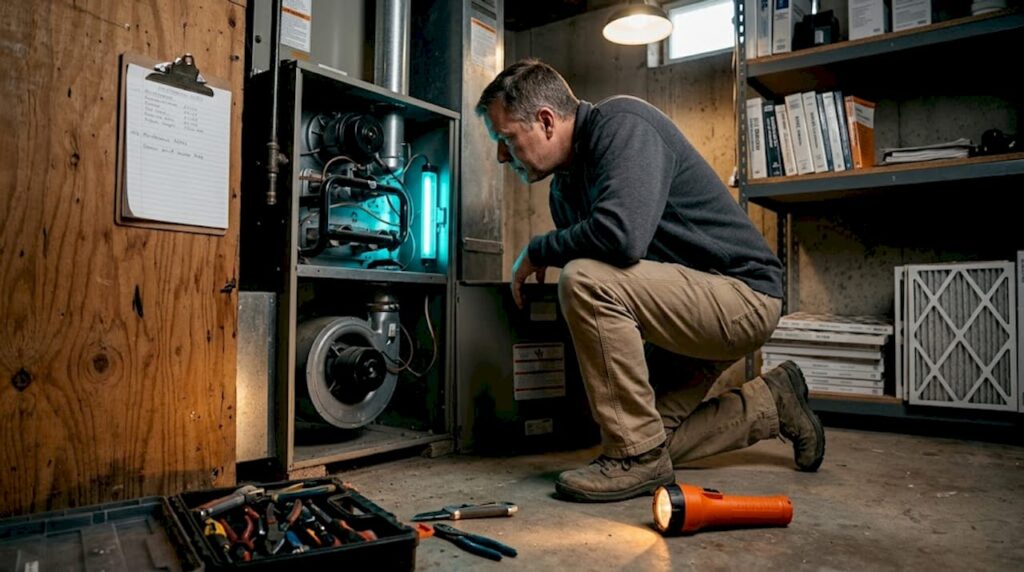
Most homeowners assume that if their HVAC filter looks clean, their air is clean. That assumption misses a significant category of indoor pollutant: submicron biological threats like mold spores, bacteria, and viruses that pass straight through mechanical filters. Understanding what is a UV light HVAC system means recognizing that indoor air can be two to five times more polluted than outdoor air, and that UV-C technology was specifically developed to address the biological threats that filters cannot capture. This guide covers how the technology works, what it costs, and how to use it correctly.
Table of Contents
- Key takeaways
- What is a UV light HVAC system and how does it work
- Benefits and limitations of UV light for HVAC
- Installation considerations, costs, and safety
- Integrating UV light with HVAC filters and maintenance
- Common myths about UV light in HVAC systems
- My take on UV light in home HVAC systems
- Explore UV light and air quality solutions at Hvac
- FAQ
Key takeaways
| Point | Details |
|---|---|
| UV-C targets biology, not particles | UV light kills microorganisms at the DNA level but does not replace mechanical air filters for dust and debris. |
| Two system types serve different purposes | Coil-mounted units prevent biofilm buildup; air-stream units disinfect circulating air in real time. |
| Effectiveness depends on placement | Incorrect installation significantly reduces germicidal output, making professional placement critical. |
| Bulb replacement is non-negotiable | UV-C bulbs degrade over time and must be replaced every 1-2 years even when still glowing. |
| Ozone-free certification matters | Low-quality UV systems can generate harmful ozone; only certified ozone-free units are appropriate for residential use. |
What is a UV light HVAC system and how does it work
A UV light HVAC system is a germicidal ultraviolet device installed inside your heating and cooling system to neutralize biological contaminants. The technology is not new. UV-C has been used in hospitals and laboratories for decades to sanitize surfaces and air, and residential HVAC applications follow the same core principle.
The specific wavelength used is UV-C, which falls in the 200 to 280 nanometer range. At that wavelength, ultraviolet radiation penetrates the cell walls of microorganisms and disrupts their DNA structure, preventing reproduction and rendering them inactive. This process works on mold, bacteria, viruses, and certain allergens that are too small for standard air filters to trap reliably.
There are two primary configurations homeowners will encounter:
- Coil sterilization units mount near the evaporator coil and run continuously. Their purpose is to prevent biofilm, mold, and bacterial colonies from forming on the coil surface and drain pan, which are chronically damp environments ideal for microbial growth.
- Air sterilization units mount inside the ductwork and activate when the air handler runs. They expose circulating air to UV-C light as it moves through the system, targeting airborne pathogens in real time.
UV-C is chosen over UV-A and UV-B specifically because its wavelength is the most effective for DNA disruption at the microbial level. UV-A and UV-B do not carry sufficient energy for reliable germicidal action. It is also worth noting that UV-C light does not filter air in the mechanical sense. It does not capture particles. Its function is strictly biological deactivation.
Pro Tip: If you have a standard HVAC system and are considering UV-C, verify which type of unit matches your goal. Coil units protect system components; air-stream units target what you breathe.
Benefits and limitations of UV light for HVAC
The performance data for UV-C in HVAC applications is well documented. UV-C systems can eliminate up to 99% of mold, bacteria, and viruses while also delivering measurable energy savings by keeping the evaporator coil clean. A fouled coil forces the system to work harder, increasing energy consumption. Keeping it biologically clean translates to a reported 10 to 25% reduction in HVAC energy use over time.
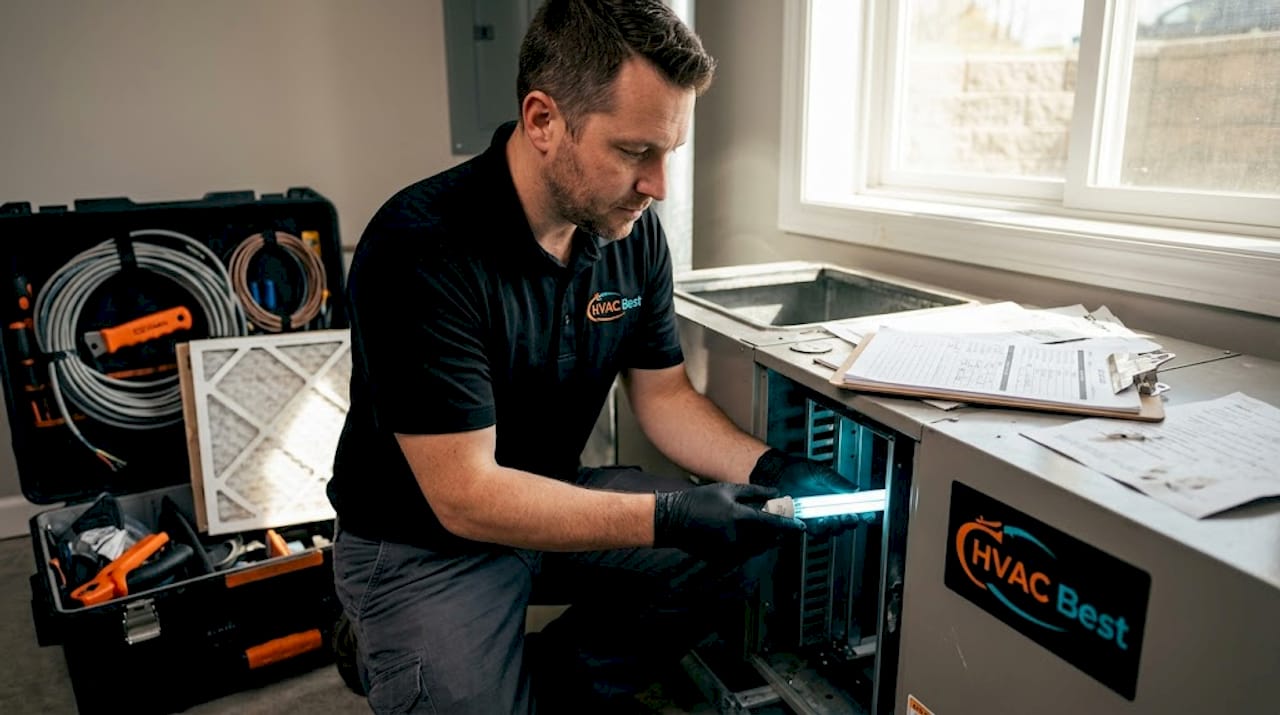
Beyond energy, homeowners report meaningful health benefits. UV-C upgrades can reduce allergy symptoms by neutralizing airborne allergens and pathogens before they circulate through living spaces. UV-C also targets odor sources directly by eliminating the mold and bacteria on coils and drain pans that produce musty smells.
The limitations are equally worth understanding before you invest.
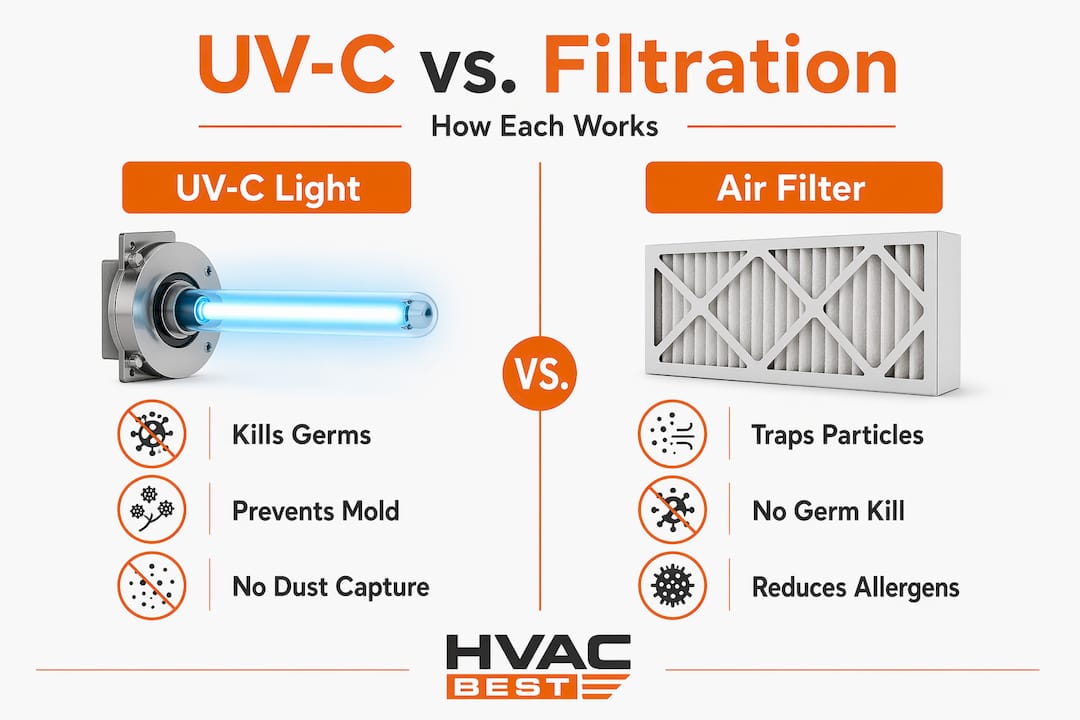
| Capability | UV-C Light | Mechanical Filter |
|---|---|---|
| Kills mold and bacteria | Yes | No |
| Captures dust and pollen | No | Yes |
| Reduces odors | Yes | Limited |
| Improves coil efficiency | Yes | No |
| Removes particulate matter | No | Yes |
| Requires regular replacement | Yes (bulbs) | Yes (filter media) |
UV light is not a substitute for air filtration. These two technologies address entirely different categories of indoor air pollutant. A UV system without a quality filter still allows dust, pet dander, and pollen to circulate freely. The two must work together.
Pro Tip: Homeowners with pets benefit significantly from pairing UV-C with high-MERV filtration. The filter handles dander and hair particles; the UV-C handles the bacteria and mold those pets can introduce. See how HVAC systems for pet owners can be configured for maximum air quality.
Installation considerations, costs, and safety
Installing UV light in HVAC systems involves upfront costs that vary by system type and installation complexity. Coil-mounted units typically cost $400 to $800, while air-stream units run from $600 to $1,200, with professional installation included in most quotes. DIY kits exist at lower price points, but the risks associated with incorrect placement and uncertified products make professional installation the more reliable path for most homeowners.
Here is what to evaluate before purchasing any UV light system:
- Verify ozone-free certification. Low-quality UV lights can produce harmful ozone that causes respiratory irritation and can worsen asthma. Look for systems explicitly certified as ozone-free before purchasing.
- Confirm correct placement for your goal. Placement is critical to germicidal effectiveness. A coil unit must shine directly on the evaporator coil surface. An air-stream unit must provide sufficient contact time with moving air. Neither works well if positioned incorrectly.
- Plan for bulb replacement every one to two years. UV-C bulbs lose germicidal intensity over time even if they continue to emit visible light. A bulb that still glows may no longer be operating at effective germicidal output.
- Assess your duct layout before choosing a system type. Some duct configurations limit where air-stream units can be installed effectively. A professional HVAC technician can evaluate your specific setup before you commit to a product.
- Consider the total cost of ownership. Factor in bulb replacement costs, which typically run $20 to $80 per bulb annually, in addition to the initial installation investment.
On the DIY versus professional installation question: coil-mounted units are generally more accessible for experienced DIYers, since they involve mounting a fixture near the air handler and wiring it to a power source. Air-stream units require duct penetration and precise positioning, which typically warrants professional involvement. For guidance on professional installation standards, the commercial HVAC installation guide from Hvac covers the technical benchmarks that apply across system types.
Integrating UV light with HVAC filters and maintenance
UV-C and mechanical filtration are not competing technologies. They are complementary layers of a complete indoor air quality strategy. UV light is specifically designed to target microorganisms that pass through filters due to their submicron size, while filters handle the particulate matter that UV-C cannot address. Running both simultaneously gives you coverage across the full spectrum of indoor air contaminants.
For best results, pair your UV system with a filter rated MERV 11 or higher. Lower-rated filters allow too many particles to reach the coil, reducing the UV system’s overall effectiveness by creating physical barriers on the coil surface.
Routine maintenance for a UV-C system covers several areas:
- Inspect the bulb annually for visible damage, discoloration, or reduced output. Even without visible damage, plan for replacement on the one to two year schedule.
- Clean the quartz sleeve on the bulb housing if your unit has one. Dust accumulation on the sleeve reduces UV-C transmission and lowers germicidal output.
- Check the coil and drain pan every six months for any signs of biofilm or mold growth. A functioning UV system should prevent buildup, but periodic inspection confirms it is working.
- Never look directly at an operating UV-C bulb without UV-rated eye protection. UV-C causes corneal damage with brief exposure. Always power down the system before servicing.
- Wear nitrile gloves when handling UV-C bulbs. Skin oils on the quartz surface create hot spots that shorten bulb life.
Pro Tip: Set a calendar reminder for bulb replacement when you install the system. Most homeowners forget until the system has been running at reduced effectiveness for months. Pairing the replacement schedule with your annual HVAC tune-up keeps both tasks on the same service visit.
Common myths about UV light in HVAC systems
The most persistent myth is that a UV light system alone is sufficient for clean indoor air. It is not. UV-C works best as part of a multi-stage air cleaning strategy, not as a standalone solution. Homeowners who install UV light and remove their filters believing the UV handles everything will see significantly worse air quality outcomes than those who use both systems together.
A second common misconception is that all UV light products are equivalent. They are not. Experts consistently caution against uncertified UV kits that generate ozone as a byproduct. Ozone at elevated concentrations irritates the respiratory tract and can trigger asthma attacks. The price difference between a certified ozone-free unit and a cheap uncertified kit is not worth the health trade-off.
“UV-C technology is a proven germicidal tool when installed correctly and maintained consistently. The failures homeowners experience almost always trace back to incorrect placement, inadequate maintenance, or the mistaken belief that UV light replaces filtration rather than complements it.” — HVAC industry consensus, supported by multiple independent HVAC service providers
A third myth worth addressing is that UV light effectiveness degrades immediately after installation. In reality, a properly installed and maintained system with timely bulb replacements delivers consistent germicidal performance for years. The key phrase is “properly maintained.” Skipping bulb replacements is the single most common reason UV systems underperform.
My take on UV light in home HVAC systems
I have reviewed enough UV light installations and homeowner outcomes to form a clear opinion on where this technology delivers and where it falls short.
UV-C is genuinely useful when it is treated as one layer of a larger air quality system. I have seen homeowners who installed quality coil-mounted units report measurable reductions in musty odors, fewer mold-related HVAC service calls, and lower energy bills over two to three year periods. Those results are real and repeatable when the system is sized, placed, and maintained correctly.
What I have also seen is homeowners who purchased cheap UV kits online, installed them without verifying placement, and then wondered why their air quality did not improve. In several cases, the units were generating ozone without the homeowners knowing it. That is not a minor inconvenience. It is a health risk.
My recommendation is straightforward. If you are considering UV-C for your home, invest in a certified ozone-free system from a reputable manufacturer, have a qualified HVAC technician confirm placement before you finalize the installation, and pair it with a MERV 11 or higher filter. Do not skip the annual bulb replacement. And do not expect UV light to solve problems that originate from inadequate filtration or poor duct sealing.
The technology works. The results depend entirely on how you use it.
— Michael
Explore UV light and air quality solutions at Hvac
Hvac provides homeowners and DIY enthusiasts with the product information, technical resources, and wholesale access needed to make informed decisions about UV light systems and complete HVAC air quality setups. Whether you are evaluating coil-mounted UV units, air-stream germicidal systems, or compatible high-MERV filtration, the Hvac platform covers product specifications, cost comparisons, and installation guidance in one place.
For homeowners thinking about long-term system performance, Hvac also covers sustainable HVAC equipment lifecycle strategies that factor in UV system maintenance, bulb replacement schedules, and overall system efficiency. If you are ready to source equipment or get a professional quote, browse the full range of top-rated HVAC systems available through Hvac, including systems designed for UV-C add-on compatibility.
FAQ
What does a UV light do in an HVAC system?
A UV light in an HVAC system uses UV-C radiation to neutralize mold, bacteria, viruses, and other biological contaminants by disrupting their DNA. It targets microorganisms that mechanical air filters cannot capture due to their submicron size.
Is UV light safe for residential HVAC use?
Certified ozone-free UV-C systems are safe for residential use when installed correctly. Low-quality uncertified units can generate ozone, which poses respiratory health risks, so verifying ozone-free certification before purchase is non-negotiable.
How often do HVAC UV light bulbs need to be replaced?
UV-C bulbs should be replaced every one to two years. Germicidal intensity degrades over time even when the bulb still emits visible light, meaning a glowing bulb is not necessarily an effective one.
Does UV light replace air filters in HVAC systems?
No. UV light targets biological contaminants at the microbial level but does not capture dust, pollen, or particulate matter. Mechanical air filters and UV-C systems serve different functions and work best when used together.
How much does it cost to install a UV light in an HVAC system?
Coil-mounted UV units cost $400 to $800 installed, while air-stream units run from $600 to $1,200. Annual bulb replacement adds $20 to $80 per year to the ongoing cost of ownership.